





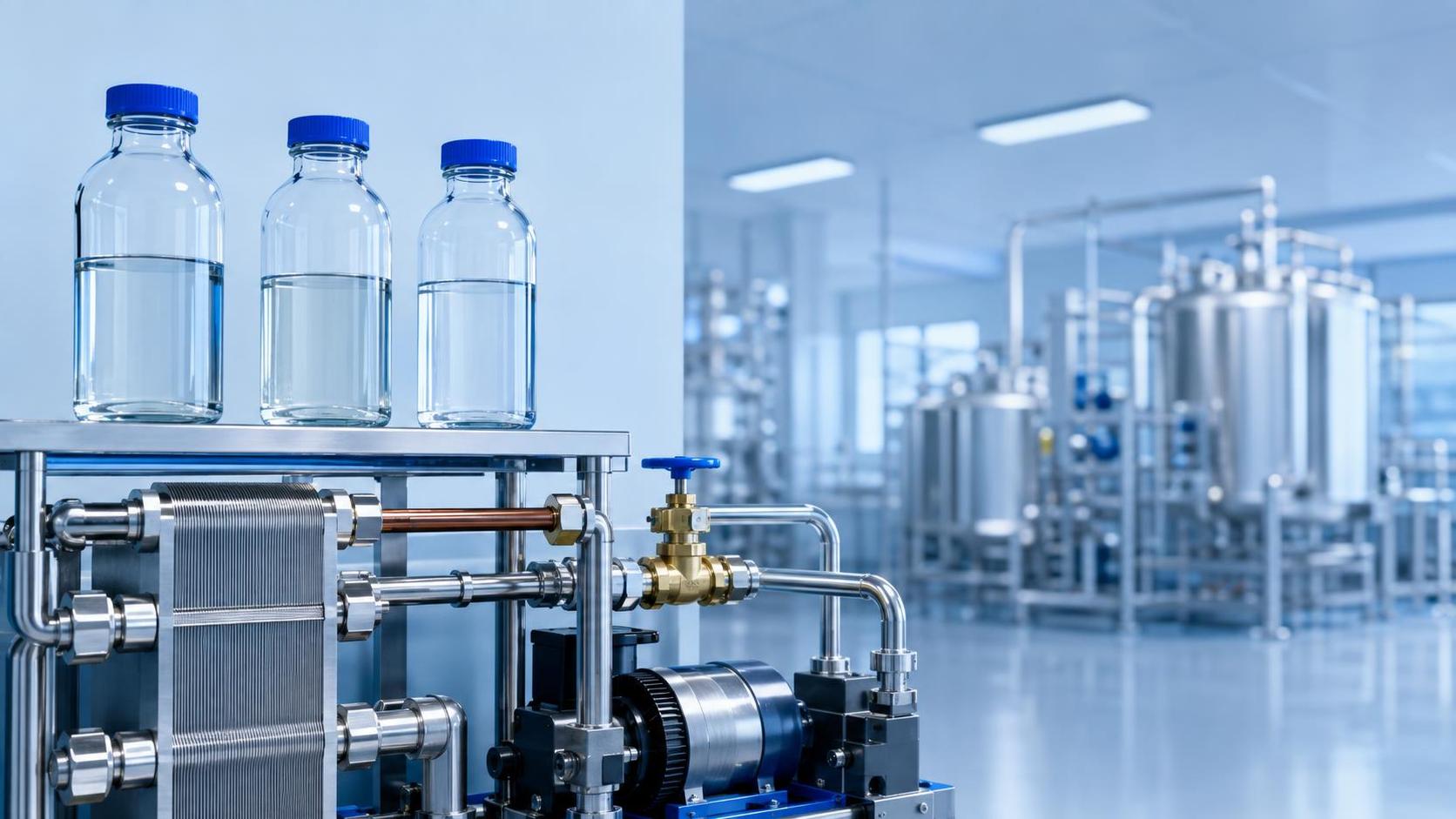
Ethylene Glycol Grades Compared: Selecting Material for Heat-Transfer Systems
Selecting the right Ethylene Glycol grade is a practical engineering decision, not simply a matter of choosing a freeze-point number. In closed-loop HVAC, chiller, process-cooling, and low-temperature heating systems, the glycol formulation influences fluid stability, corrosion protection, pump load, maintenance routines, and the consequences of a supply interruption. A specification that appears adequate on paper can still create avoidable trouble if the material purity, inhibitor chemistry, dilution water, or compatibility requirements are unclear.
For project managers, the useful starting point is to separate the base chemical from the finished heat-transfer fluid. Ethylene Glycol is the base compound used to depress the freezing point of water-based circuits. It does not automatically provide corrosion control, biological control, or suitability for a particular system. Those outcomes depend on the grade purchased and on how the fluid is formulated, mixed, charged, monitored, and maintained after commissioning.
The Grades That Matter in Project Specifications
Grade names vary among producers and markets, so a label such as “industrial grade” should never be treated as a complete technical specification. The buyer should request the applicable product data sheet, certificate of analysis, impurity limits, and inhibitor information. In heat-transfer work, three broad categories are commonly encountered.
High purity alone does not make a glycol suitable for a hydronic loop. A highly pure, uninhibited product may be appropriate where a qualified formulator controls the entire package, but it does not replace an inhibitor system in a mixed-metal circuit. Conversely, an inhibited concentrate should not be selected merely because it is convenient; the inhibitor chemistry must match the metals, seals, operating temperature, and water chemistry in the actual installation.
Freeze Protection Is Only One Part of the Calculation
Ethylene Glycol is usually blended with water because water provides favorable heat capacity and heat-transfer behavior. As glycol concentration rises, freeze protection improves over the relevant range, but viscosity rises and specific heat generally declines. That means greater pumping energy and, in many systems, a need to revisit pump sizing, pressure drop, heat-exchanger performance, and control-valve authority.
A common mistake is specifying the highest practical glycol concentration “for safety.” This can be counterproductive. The proper concentration should be based on the lowest credible fluid temperature, not simply the lowest outdoor air temperature. Consider shutdown exposure, coil conditions, local cold spots, refrigerant-side temperatures, start-up behavior, and the distinction between initial ice formation and burst protection. The fluid supplier’s concentration-temperature chart should be used for the exact product, since formulation and inhibitor package can affect the published guidance.
There is also a safety boundary that should be explicit in the project file: Ethylene Glycol is toxic if swallowed. It is not the default choice where incidental contact with potable water, food, beverage, or sensitive pharmaceutical processes is possible. In those cases, a propylene glycol-based alternative is often evaluated, subject to the operating and regulatory requirements of the project.
Why Inhibitor Compatibility Deserves Early Attention
The heat-transfer circuit may include carbon steel, copper alloys, aluminum, stainless steel, cast iron, soldered joints, elastomers, and polymer components. No generic statement that a product is “corrosion protected” is enough. Some systems are especially sensitive to aluminum compatibility; others are more concerned with ferrous-metal corrosion, scale formation, or degradation caused by repeated overheating. The design team should identify wetted materials before selecting the fluid rather than trying to solve incompatibility after installation.
Inhibitors are not permanent insurance policies. They can be depleted or altered by oxygen ingress, contamination, top-up practices, high temperatures, and poor water quality. A well-written specification therefore addresses both the initial concentrate and the maintenance plan: the acceptable dilution water, test interval, pH monitoring where recommended by the fluid supplier, inhibitor reserve checks, and the procedure for making up losses. Mixing two inhibited products without confirmation is risky because their additive packages may not be designed to work together.
Procurement Details That Protect the Schedule
Project delays frequently emerge from material ambiguity rather than a lack of nominal supply. The purchasing description should state whether the requirement is neat glycol, inhibited concentrate, or a pre-diluted solution; the target concentration; approved or prohibited inhibitor types where applicable; packaging; delivery sequence; and documentation required with each batch. A certificate of analysis is useful, but it should be reviewed against the project’s acceptance criteria rather than filed automatically.
Storage and handling should be planned alongside delivery. Drums and bulk containers need clean, segregated handling to prevent accidental water or chemical contamination. If the system will be filled over several weeks, it is worth defining how opened containers are controlled and how batch traceability is retained. These details are less visible than pumps and pipework, yet they can determine whether the commissioning concentration is what the design intended.
For facilities that purchase several chemical raw materials, supplier coordination can simplify this stage. Shandong JunTeng Chemical Co., Ltd., based in Jinan, has worked in chemical trading for ten years and supports sourcing through an established supplier and logistics network. Its long-term cooperation with producers and enterprises including Luxi Chemical, Sinopec-related operations, BASF Germany, and other domestic chemical suppliers can help buyers focus on source documentation, consistent supply arrangements, and delivery planning rather than treating each order as an isolated transaction.
The same procurement discipline is relevant across chemical plants. A site managing heat-transfer fluids may also require monomers for coatings or adhesive production, such as Butyl Acrylate. Although it serves a very different function from glycol, its handling requirements illustrate why material identity, purity records, packaging condition, and segregation should be controlled at the project level rather than left to informal warehouse practices.
A More Reliable Selection Sequence
Before issuing a purchase order, bring the mechanical designer, process owner, commissioning team, and chemical supplier around the same set of questions. What is the minimum fluid temperature? Which metals and non-metallic components are wetted? Is the circuit closed, vented, or subject to frequent top-up? What water will be used for dilution? Is there any pathway to potable or food-related equipment? Finally, how will concentration and inhibitor condition be verified after filling?
The strongest material selection is rarely the most expensive grade or the highest glycol percentage. It is the formulation that meets the required thermal range, protects the specific system materials, can be tested and maintained in service, and can arrive in the required form when the project needs it. When those points are recorded in the specification, Ethylene Glycol becomes a controlled engineering material rather than a late-stage procurement risk.
Leave A Message
If you are interested in our products and want to know more details, please leave a message here, we will reply you as soon as we can.