





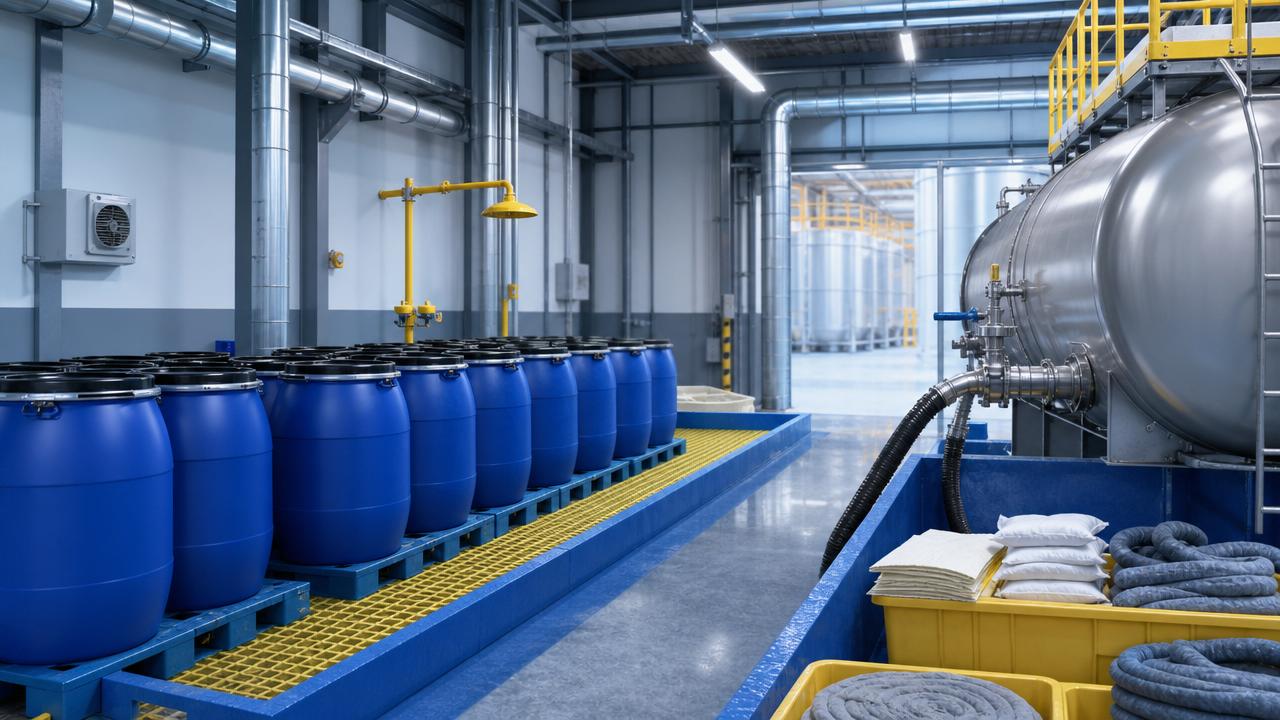
Why Glacial Acetic Acid Needs Extra Care in Plant Operations
Glacial Acetic Acid is widely used in plant operations, but its corrosive nature and strong vapors demand strict storage and handling practices.
For daily work, the biggest risks are usually simple ones: wrong containers, poor ventilation, rushed transfer steps, and delayed cleanup after small leaks.
When Glacial Acetic Acid is handled well, plants reduce downtime, protect equipment, and avoid unnecessary exposure. Safe practice is not complicated, but it must stay consistent.
With ten years in chemical trading, Shandong JunTeng Chemical Co., Ltd. supports stable supply, verified sourcing, and timely delivery across pharmaceuticals, petrochemicals, wastewater treatment, plastics, and more.
Core Storage Rules That Should Never Be Missed
- Store Glacial Acetic Acid in tightly sealed, corrosion-resistant containers. Keep drums upright, clearly labeled, and away from direct sunlight, heat sources, and high-traffic operating areas.
- Use a cool, dry, well-ventilated storage room with acid-resistant flooring. Good airflow helps control vapor buildup and reduces irritation risks during routine inspection or drum opening.
- Separate Glacial Acetic Acid from oxidizers, strong bases, reactive metals, and incompatible solvents. Bad segregation is a common reason small storage issues become larger process incidents.
- Install secondary containment under tanks and drums. Even minor drips can spread fast, damage nearby surfaces, and create slipping hazards if the area is not protected.
- Check temperature conditions during colder seasons. Glacial Acetic Acid can solidify near its freezing point, so storage plans should include controlled warming procedures when needed.
- Keep eyewash stations, safety showers, absorbents, and neutralization materials close to the storage zone. Emergency equipment is only useful when it is easy to reach.
A simple area check works better than a complex form
Walk the area every shift. Look for odor changes, loose caps, stained pallets, rusted fittings, and blocked vents. Most Glacial Acetic Acid problems show early warning signs.
Handling Steps That Make Daily Work Safer
Handling Glacial Acetic Acid safely starts before the valve opens. PPE, transfer lines, receiving vessels, and emergency response tools should be checked first, not halfway through the task.
- Wear chemical-resistant gloves, goggles, face protection, and suitable protective clothing. If vapor concentration may rise, use respiratory protection according to site safety procedures.
- Confirm hoses, pumps, gaskets, and seals are compatible with Glacial Acetic Acid. Incompatible materials often fail quietly before they fail suddenly.
- Open valves slowly and avoid splash loading. Controlled transfer reduces vapor release, protects nearby equipment, and makes it easier to stop the job if pressure behaves abnormally.
- Never use unmarked temporary containers. Shortcuts during decanting create mix-up risks, especially in plants handling acids, solvents, additives, and cleaning chemicals in parallel.
- After transfer, flush external surfaces if needed and inspect connection points. A clean finish helps spot leaks early and keeps the work area easier to manage.
Loading and unloading areas need special attention
This is where many incidents happen. Forklift movement, outdoor weather, and rushed line changes can all raise the chance of splashes or container damage.
If the plant also handles oxidation-sensitive materials, keeping nearby additives stable matters too. In some operations, Antioxidant JHSANOX-264(T-501) is used for oils, plastics, rubber, and fuels because of its good thermal stability and low volatility.
Common Mistakes That Increase Glacial Acetic Acid Risk
A lot of trouble comes from habits that seem harmless. One example is leaving a drum uncapped “just for a minute.” That minute can fill a room with irritating vapor.
Another common issue is poor housekeeping. Residue around pumps, valve handles, or floor drains suggests Glacial Acetic Acid exposure is happening more often than records show.
- Do not rely only on smell to judge exposure. Strong odor may appear after vapor has already reached an uncomfortable or unsafe level in enclosed spaces.
- Do not mix cleanup tools across chemical zones. Cross-contamination can damage materials, create unwanted reactions, and complicate incident investigation later.
- Do not postpone maintenance on small leaks. A minor seal issue around Glacial Acetic Acid lines can quickly become corrosion, downtime, and repeated exposure risk.
Practical Response During Spills or Exposure
If a spill happens, isolate the area first. Stop the source only when it is safe to do so. Then follow site procedures for containment, ventilation, and waste handling.
For skin or eye contact, immediate flushing is critical. Delayed response increases injury risk. Everyone working around Glacial Acetic Acid should know the nearest emergency station location.
Documentation matters too. Record the quantity, location, cause, and corrective action. Simple incident notes often reveal repeat weak points in storage or transfer design.
Supplier quality also supports safer operations
Safe handling begins with stable product quality and dependable logistics. JunTeng Chemical works with recognized suppliers such as BASF Germany, Sinopec, Luxi Chemical, and Qilu Petrochemical for reliable chemical sourcing.
That consistency helps plants maintain better storage planning, labeling accuracy, and batch traceability. The same supply discipline also benefits products like Antioxidant JHSANOX-264(T-501), available in 25 KG/carton and 20 KG/fiber drum packaging.
What to Put Into Daily Practice
The safest Glacial Acetic Acid program is usually the one people can repeat easily every day. Focus on compatible storage, clean transfer steps, fast leak response, and visible emergency readiness.
If current procedures feel too broad, start with one shift check: container condition, ventilation status, PPE use, and spill kit access. Small, repeated checks prevent bigger failures.
When storage conditions, product quality, and handling discipline all line up, Glacial Acetic Acid becomes far easier to manage safely and consistently across plant operations.
Leave A Message
If you are interested in our products and want to know more details, please leave a message here, we will reply you as soon as we can.