





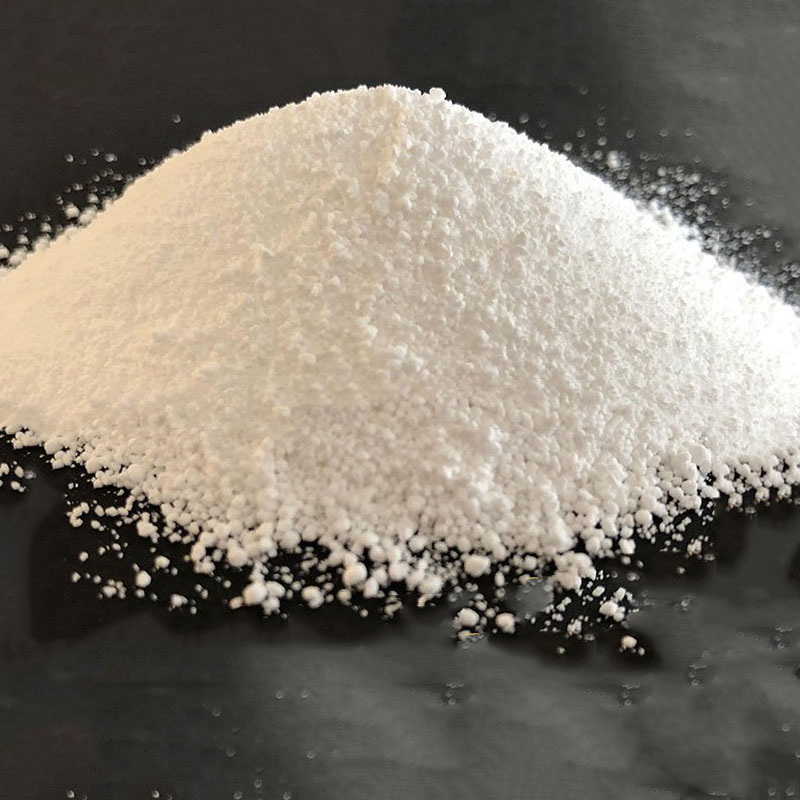
Why Sodium Diacetate Stands Out for Baked Goods Preservation
In commercial baking operations, extending shelf life without compromising quality is a constant challenge. Sodium diacetate has emerged as a preferred preservative solution, combining antimicrobial efficacy with pH control. This dual-action compound (a 1:1 molecular complex of sodium acetate and acetic acid) inhibits mold and bacterial growth while maintaining optimal product texture.
The table demonstrates sodium diacetate's superior performance in acidic bakery environments. Its effectiveness against rope-forming bacteria (Bacillus mesentericus) makes it particularly valuable for bread products, where it can extend shelf life by 3-5 days compared to conventional preservatives.
Technical Advantages in Bakery Applications
Sodium diacetate operates through multiple preservation mechanisms:
- Releases acetic acid to lower pH below microbial growth thresholds (typically 4.5-5.2)
- Disrupts cell membrane integrity of spoilage organisms
- Inhibits enzymatic reactions that cause staling
- Maintains activity throughout product shelf life without volatilization
Optimal Usage Parameters for Different Baked Goods
Effective preservation requires precise dosage based on product characteristics. The following guidelines reflect industry best practices for sodium diacetate incorporation:
For optimal results, combine sodium diacetate with proper packaging (oxygen barrier films) and storage below 25°C. The preservative shows particular synergy with Antioxidant JHSANOX-168 in fat-containing bakery products, where oxidative stability is equally crucial.
Quality Considerations for Industrial Purchasers
When sourcing sodium diacetate for commercial baking applications, procurement specialists should verify these critical quality parameters:
Purity and Composition Standards
Food-grade sodium diacetate must meet:
- Minimum 99% active content (FCC/USP/EP standards)
- Free acetic acid content: 39-41%
- Moisture content ≤2%
- Heavy metals (as Pb) ≤10 ppm
Supply Chain Reliability Factors
Shandong JunTeng Chemical's decade-long partnerships with manufacturers like BASF Germany ensure:
- Batch-to-batch consistency (pH variance ≤0.2)
- Documented compliance with FDA 21 CFR 184.1754 and EU E262(ii)
- 24-month stability under proper storage conditions
- Flexible packaging options (25kg bags or 1000kg bulk containers)
Implementation Strategies for Maximum Effectiveness
To fully leverage sodium diacetate's preservation potential, consider these application techniques:
Dough System Integration
For yeast-raised products:
- Add during final mixing stage (after yeast development)
- Pre-dissolve in water (1:3 ratio) for even distribution
- Adjust salt content downward by 10% to balance flavor profile
Synergistic Combinations
Sodium diacetate works effectively with:
- Calcium propionate (1:1 ratio for comprehensive mold/bacteria control)
- Sorbates (0.1% potassium sorbate for surface treatment)
- Natural preservatives like cultured wheat for clean-label formulations
Frequently Asked Questions
Does sodium diacetate affect yeast activity in bread dough?
When used at recommended levels (≤0.4% of flour weight), sodium diacetate has minimal impact on yeast fermentation. The acetic acid release occurs gradually during baking, primarily affecting post-bake preservation rather than dough development.
How does sodium diacetate compare to vinegar as a natural preservative?
While both contain acetic acid, sodium diacetate offers precise, standardized acidity (pH 4.5-5.2) versus vinegar's variable 2.4-3.4 pH. This makes sodium diacetate more predictable for industrial scaling and eliminates the strong vinegar odor in finished products.
What's the typical lead time for bulk sodium diacetate orders?
Through JunTeng Chemical's established logistics network, standard container loads (20-25MT) typically ship within 7-10 working days from China to major global ports, with documentation prepared for smooth customs clearance.
Conclusion and Next Steps
Sodium diacetate represents the optimal balance of efficacy, cost-efficiency and regulatory compliance for modern bakery operations. Its ability to target multiple spoilage mechanisms while maintaining product quality makes it superior to single-function preservatives.
For procurement professionals seeking reliable sodium diacetate supply with technical support, Shandong JunTeng Chemical offers:
- Technical datasheets with application guidelines
- Customized dosage recommendations based on your product matrix
- Samples for compatibility testing
Contact our food additives specialists today to optimize your bakery preservation strategy with premium-grade sodium diacetate solutions tailored to your production requirements.
Leave A Message
If you are interested in our products and want to know more details, please leave a message here, we will reply you as soon as we can.