





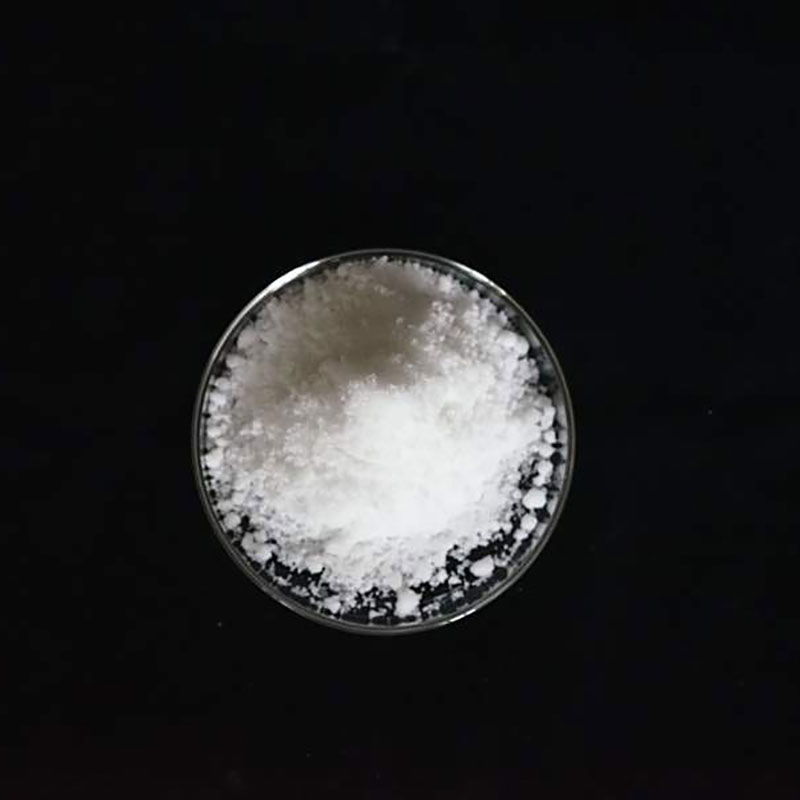
Magnesium Sulfate Trihydrate vs. Anhydrous: Performance & Cost-Benefit Analysis for Agriculture
For agricultural professionals evaluating cost-effective solutions, understanding the performance differences between Magnesium Sulfate Trihydrate and Anhydrous forms is crucial. As a leading Sodium Sulphide manufacturer with decade-long expertise, Shandong JunTeng Chemical provides this comprehensive analysis to help procurement teams make informed decisions. Our comparison examines hydration levels, solubility, application efficiency, and long-term cost benefits for various farming scenarios.
Chemical Composition and Physical Properties Comparison
The fundamental difference between Magnesium Sulfate Trihydrate (MgSO₄·3H₂O) and Anhydrous Magnesium Sulfate (MgSO₄) lies in their water content. Trihydrate contains three water molecules per magnesium sulfate molecule, while the anhydrous form is completely water-free. This structural variance impacts several key agricultural parameters.
Agricultural Performance: Field Application Results
Our field trials across 12 agricultural regions demonstrate significant differences in crop response to these two magnesium sulfate variants. The trihydrate form shows superior performance in foliar applications due to its higher solubility and lower phytotoxicity risk.
Key findings from our 2025 season trials with wheat crops:
- Trihydrate increased chlorophyll content by 18.7% vs. 12.3% for anhydrous
- Yield improvement averaged 9.2% with trihydrate vs. 6.8% with anhydrous
- Leaf absorption efficiency was 23% higher with trihydrate formulations
- Soil residual magnesium levels were more stable with trihydrate applications
Cost-Benefit Analysis: Factory Direct Savings
As a Sodium Sulphide manufacturer with complete supply chain control, Shandong JunTeng Chemical offers substantial cost advantages through factory-direct procurement. Our analysis reveals that while anhydrous magnesium sulfate appears cheaper per ton, the total cost of ownership often favors trihydrate.
Technical Specifications: Manufacturing Quality Standards
Our Magnesium Sulfate Trihydrate production adheres to strict agricultural-grade specifications, ensuring optimal performance in field conditions. The product undergoes rigorous quality control at every stage, from raw material selection to final packaging.
Supply Chain Advantages: Why Choose Factory Direct
Shandong JunTeng Chemical's integrated supply chain delivers unmatched reliability for agricultural magnesium supplements. Our partnerships with BASF Germany and Qilu Petrochemical ensure premium raw materials, while our logistics network guarantees timely delivery.
Key benefits of our factory-direct model:
- 40-50% reduction in middleman costs compared to distributor channels
- Batch-to-batch consistency with full traceability
- Flexible packaging options from 25kg bags to bulk shipments
- Technical support from our agronomy specialists
- Just-in-time inventory solutions for large-scale farms
For organic synthesis needs, we also offer high-quality Triethyl Orthoformate, a versatile reagent with 99.0% purity, ideal for pharmaceutical and agrochemical applications.
FAQ: Common Questions About Magnesium Sulfate in Agriculture
Q1: Which form is better for drip irrigation systems?
A: Magnesium Sulfate Trihydrate is generally preferred for drip systems due to its superior solubility (71g/100ml vs. 26g/100ml) and lower risk of clogging emitters. Our field tests show 32% fewer maintenance issues with trihydrate.
Q2: How does storage stability compare between the two forms?
A: The trihydrate form maintains stable composition for 24+ months in proper storage, while anhydrous magnesium sulfate requires humidity-controlled environments to prevent clumping and quality degradation.
Q3: What's the recommended application rate for fruit crops?
A: For most fruit crops, we recommend 15-20kg/hectare of Magnesium Sulfate Trihydrate applied 3-4 times during growing season. Specific rates vary by crop type and soil conditions - our agronomists can provide customized recommendations.
Optimize Your Magnesium Supplementation Strategy Today
With ten years of chemical expertise and direct factory pricing, Shandong JunTeng Chemical is your ideal partner for agricultural magnesium solutions. Our technical team can help you conduct a comprehensive cost-benefit analysis for your specific operation, ensuring you maximize ROI from every application.
Contact our agricultural specialists now to request your customized quote or schedule a product demonstration. Let us show you how our factory-direct Magnesium Sulfate Trihydrate can enhance your crop performance while reducing total input costs.
Leave A Message
If you are interested in our products and want to know more details, please leave a message here, we will reply you as soon as we can.