





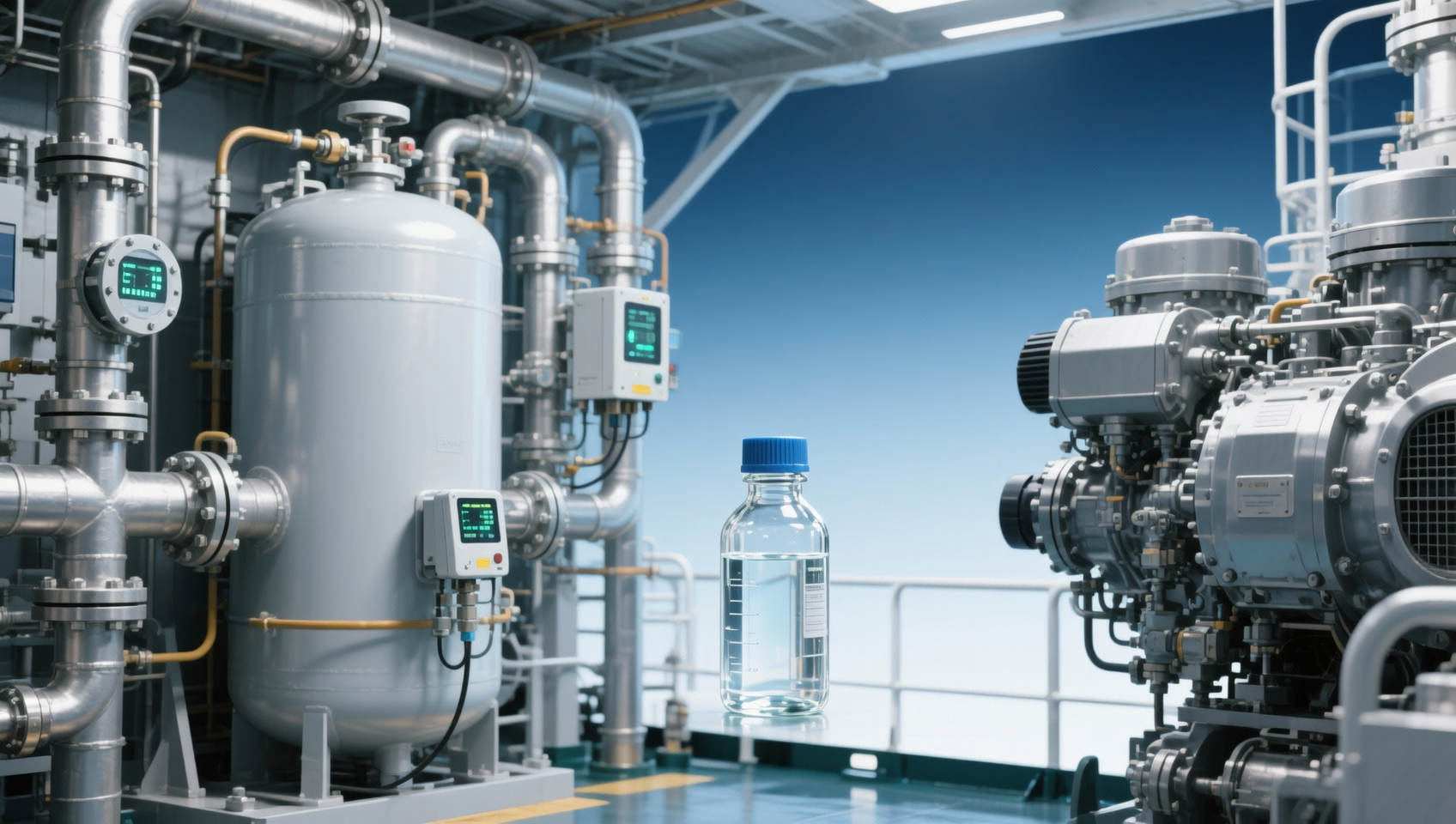
Methanol fuel is gaining traction in marine applications, but daily performance depends on disciplined routines rather than fuel choice alone. For operators, the key question is simple: what must be checked every day to keep engines reliable, emissions compliant, and onboard risks under control? The short answer is fuel quality, water management, tank condition, leak detection, combustion behavior, lubrication trends, and crew safety practice.
Search intent behind this topic is strongly practical. Operators are not looking for a broad introduction to alternative fuels. They want a daily-use guide that helps them prevent shutdowns, avoid corrosion or contamination, maintain stable engine response, and identify small warning signs before they become expensive failures.
That means the most useful article is not one that repeats the benefits of methanol fuel in theory. It should focus on what to inspect, why each point matters, what abnormal conditions look like, and how daily checks connect directly to efficiency, compliance, and safe vessel operation.
Why daily attention matters more with methanol fuel
Methanol fuel can support lower emissions and offer a practical pathway for marine decarbonization, but it demands tighter operational discipline than many crews are used to with conventional marine fuels. Its physical and chemical behavior changes how operators must think about storage, transfer, sealing, and combustion control.
Methanol has low viscosity, a different lubricity profile, and a high affinity for water compared with traditional fuels. It is also toxic and flammable. These characteristics do not make it unsuitable for shipping, but they do mean that small lapses in inspection can quickly affect engine performance, material compatibility, and onboard safety.
For daily operations, the main goal is consistency. A vessel can usually run well on methanol when fuel quality is stable, systems are dry and clean, and crews respond early to changes in pressure, temperature, or engine behavior. Problems often begin as minor deviations, not sudden catastrophic events.
What operators are really trying to avoid
Most operators are concerned with five daily risks: fuel contamination, water ingress, leakage, unstable combustion, and non-compliance with safety procedures. These risks affect not only machinery but also crew exposure, maintenance cost, and scheduling reliability.
Contamination can come from poor handling, dirty tanks, incompatible materials, or cross-mixing with other substances. Water ingress can dilute fuel quality and contribute to corrosion or system instability. Because methanol burns differently, abnormal spray patterns or ignition issues may show up as rough running, load fluctuation, or poor response during maneuvering.
Leakage is especially serious because methanol flames can be difficult to detect under some conditions, and vapor exposure creates additional hazards. Daily checks therefore need to combine engineering observation with strict housekeeping and safety verification.
The daily methanol fuel checklist operators should follow
The most effective approach is to use a structured daily checklist rather than relying on memory. Start with storage and transfer systems. Confirm tank levels, vent condition, line integrity, transfer pump behavior, and whether there are any unusual smells, wet spots, or residue around flanges, valves, and seals.
Next, review fuel quality indicators. If onboard testing or sampling is part of your operating procedure, look for signs of water contamination, cloudiness, or unexpected color change. Even if fuel appears acceptable, any deviation from normal receiving or storage conditions should be logged and tracked.
Operators should then inspect pressure and temperature trends in the fuel supply system. A small change in differential pressure across filters, a drift in line pressure, or unstable temperature control may indicate restriction, contamination, or developing equipment wear.
Engine-side checks are equally important. Watch start behavior, load pickup, exhaust condition, cylinder balance where available, and alarm history. Stable combustion is the target. If the engine hesitates, vibrates more than usual, or shows inconsistent response, do not treat it as a minor annoyance.
Finally, confirm safety items: gas detection status, emergency shutdown readiness, ventilation performance, PPE availability, spill response materials, and crew awareness of the day’s operating condition. On methanol-fueled vessels, safety checks are part of fuel management, not a separate task.
Fuel quality: the first thing to verify every day
If operators had to prioritize one area, fuel quality would be near the top. Methanol fuel performance depends heavily on consistency from supply through onboard handling. Daily attention should focus on contamination risk, water presence, and whether the delivered product matches the vessel’s technical requirements.
Water is a key concern because methanol readily mixes with it. Excess water can affect combustion quality, increase corrosion concerns in certain systems, and create uncertainty about actual fuel condition. Tank breathers, transfer procedures, and storage discipline therefore matter every day, especially in humid or variable weather.
Source reliability also matters. A dependable supply chain reduces off-spec risk and gives operators better confidence in repeatable performance. Companies with stable sourcing and logistics controls, such as Shandong JunTeng Chemical Co., Ltd., can help buyers reduce procurement uncertainty by supporting consistent quality, stable availability, and timely delivery across industrial chemical supply needs.
Although marine fuel systems differ from solvent handling applications, the same basic procurement principle applies: product consistency and controlled logistics reduce operational surprises. In chemical industries, materials such as Propylene Glycol Monomethyl Ether Propionate (PMP) are valued partly because predictable purity and handling characteristics support process stability. Marine operators should expect the same discipline from methanol fuel suppliers.
What to watch in tanks, lines, and seals
Methanol’s low viscosity and solvent properties mean that tanks, pipelines, gaskets, and sealing materials deserve close observation. Daily inspection should focus on signs of seepage, softening, swelling, discoloration, or premature wear in components exposed to fuel.
Even minor leakage points should be treated seriously. A damp flange or repeated need for tightening may indicate compatibility issues, mechanical stress, or gradual seal degradation. Waiting for a scheduled maintenance window can be risky if the symptom is progressing.
Tank housekeeping is just as important. Operators should watch for sediment, unusual moisture patterns, and poor drainage practices. Clean systems are easier to monitor because small abnormalities are more visible. Dirty systems hide warning signs and make root-cause analysis harder.
Where vessels use dedicated handling chemicals, cleaning products, or maintenance solvents for associated equipment, compatibility and safe storage should also be reviewed. Chemical management onboard benefits from the same care seen in industrial sectors that use controlled solvents such as Propylene Glycol Monomethyl Ether Propionate (PMP) for precision cleaning and process stability.
Combustion, engine response, and early warning signs
Daily engine monitoring should go beyond checking whether the machinery is still running. Operators need to compare current response with normal behavior. Methanol fuel issues may first appear as slower starts, irregular load acceptance, unstable idle, unexpected exhaust temperature differences, or more frequent control corrections.
Pay special attention during maneuvering and load changes. These are the moments when fuel delivery consistency and combustion stability are tested most clearly. If response feels less predictable than usual, investigate before the next demanding operating period.
Lubrication trends may also deserve attention depending on engine design and manufacturer guidance. Because methanol differs from conventional fuels in several operating characteristics, crews should monitor wear-related indicators, injector condition, and maintenance intervals closely rather than assuming legacy routines are sufficient.
Alarm data is valuable, but human observation remains essential. Operators often notice subtle changes in sound, vibration, or smell before sensors trigger a formal warning. Good daily records help turn those observations into useful maintenance decisions.
Safety routines that cannot be skipped
With methanol fuel, safety is not only about fire prevention. It also includes toxic exposure control, ventilation, emergency isolation, and spill response. Every day, crews should verify that detection systems are operational, protective equipment is available, and access to emergency procedures is clear and practical.
Because methanol flames may be less visible than those from some conventional fuels, leak prevention and rapid response are critical. Never normalize small spills, unusual odors, or temporary bypasses of protective systems. These are exactly the behaviors that increase risk over time.
Training must remain active, not theoretical. Operators should know what normal looks like, which deviations require escalation, and how to isolate equipment safely. A technically sound fuel system still depends on disciplined people using it correctly.
How operators can make daily checks easier and more reliable
The best daily routine is simple enough to follow under pressure but detailed enough to catch change early. Use a written checklist, trend key readings, and define what counts as normal for your vessel. Thresholds should be practical, not vague.
It also helps to connect deck, engine, and safety observations in one reporting flow. Methanol fuel problems do not always stay within one department. A transfer irregularity, a ventilation issue, and a combustion symptom may all be parts of the same developing problem.
When possible, combine operator feedback with supplier communication. If repeated abnormalities appear after bunkering or transfer, investigate fuel history, storage condition, and documentation promptly. Fast feedback loops help prevent repeated exposure to the same issue.
Conclusion
For marine operators, methanol fuel is workable and increasingly relevant, but only when daily discipline matches the fuel’s handling requirements. The most important checks are not complicated: verify fuel quality, keep water out, inspect tanks and seals, watch combustion behavior closely, and never relax safety routines.
The practical takeaway is clear. Reliable methanol operations do not come from one big decision to switch fuels. They come from many small daily decisions made well. When operators spot deviations early and follow structured routines, they protect engine reliability, crew safety, and overall vessel performance.
Leave A Message
If you are interested in our products and want to know more details, please leave a message here, we will reply you as soon as we can.