





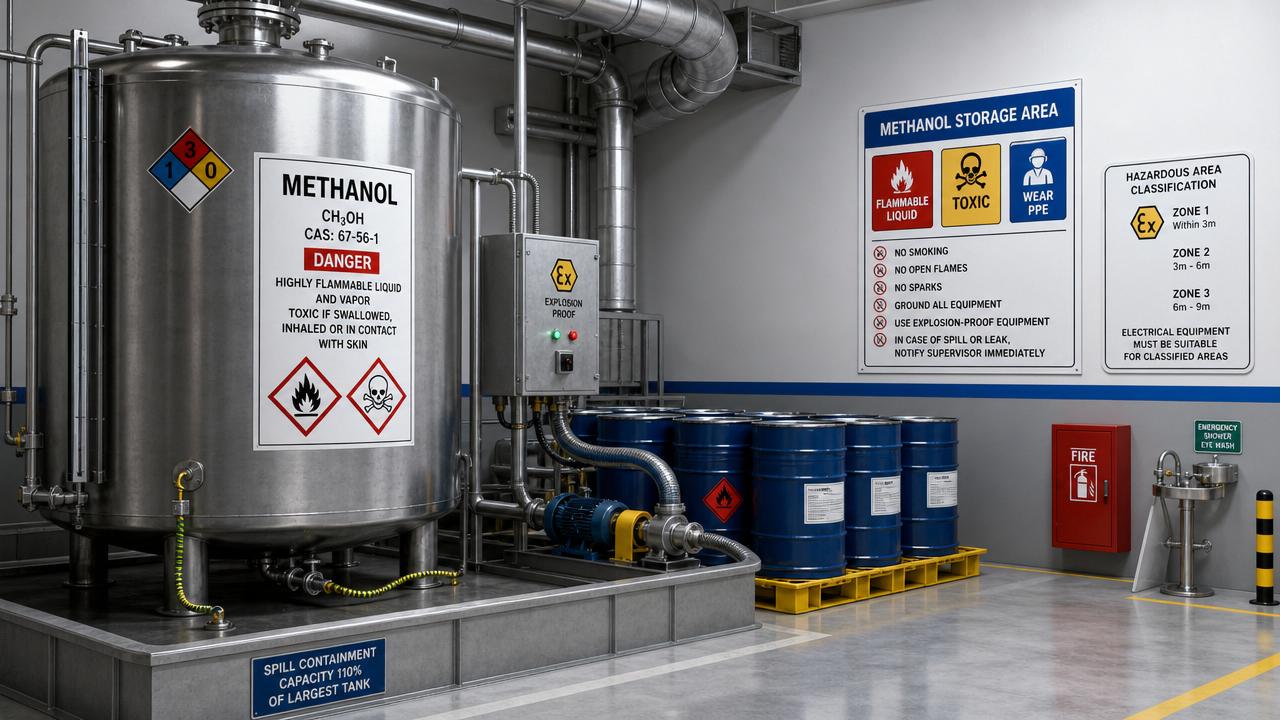
Methanol storage mistakes can quickly turn routine operations into serious safety incidents, especially in facilities handling flammable chemicals at scale. For quality control and safety management teams, understanding the most common errors in methanol storage is essential to preventing contamination, fire risks, regulatory violations, and costly downtime. This article highlights the key hazards and practical precautions every responsible chemical operation should know.
Why Methanol Storage Errors Escalate So Quickly
The core search intent behind “Methanol Storage Mistakes That Lead to Safety Incidents” is practical risk prevention. Readers want to know which mistakes actually cause fires, exposure events, contamination, and compliance failures.
For quality control and safety managers, methanol is not just another bulk chemical. It is highly flammable, toxic by ingestion, inhalation, and skin absorption, and sensitive to poor handling discipline.
A small storage weakness can quickly become a larger operational problem. What starts as poor labeling or incompatible container use may lead to vapor release, worker exposure, product quality issues, or ignition.
The Most Common Methanol Storage Mistakes
One major mistake is storing methanol in areas with inadequate ventilation. Methanol vapors can accumulate in enclosed spaces, increasing both fire risk and occupational exposure for operators and inspectors.
Another common error is using containers, seals, or transfer equipment that are not suitable for methanol service. Material incompatibility can cause leaks, contamination, gasket failure, or gradual deterioration over time.
Poor segregation is also a recurring issue. Methanol should not be stored without clear separation from ignition sources, oxidizing materials, and operational zones where hot work or sparks may occur.
Labeling failures create avoidable confusion during receiving, transfer, and emergency response. Missing hazard signs, unclear tank identification, or weak batch traceability can delay the right action during an incident.
Overlooking temperature control and static management is another mistake. Even when ambient storage seems routine, unsafe transfer practices, ungrounded equipment, or poor bonding can create dangerous ignition conditions.
What Safety and QC Teams Usually Care About Most
Safety managers are usually focused on preventing fire, toxic exposure, and reportable incidents. Quality control personnel are equally concerned about contamination, misidentification, off-spec material, and storage-related degradation risks.
In practice, these concerns overlap. A leaking drum or improperly sealed tank is not only a safety issue, but also a quality issue that may affect downstream production stability and customer trust.
This is why storage reviews should not be limited to warehouse checks alone. Inspection routines should cover container condition, venting, transfer procedures, documentation accuracy, and emergency readiness.
How to Reduce Methanol Storage Risk in Daily Operations
Start with a clear storage standard. Define approved containers, ventilation requirements, grounding rules, spill containment measures, inspection frequency, and segregation distances based on your facility layout and regulations.
Train operators on the mistakes that lead to real incidents, not just generic chemical safety language. Staff should understand methanol toxicity, vapor behavior, PPE requirements, and the importance of disciplined transfer procedures.
Routine audits should include valve integrity, drum condition, labeling consistency, SDS accessibility, firefighting readiness, and evidence of unauthorized container substitution or mixed storage practices.
Supplier consistency also matters. Working with experienced chemical partners helps reduce packaging defects, uncertain sourcing, and documentation gaps that can increase operational risk before the product even enters storage.
Why Broader Solvent Management Still Matters
Facilities that handle methanol often store other industrial solvents as well. Applying the same discipline across all solvent categories improves warehouse consistency, operator behavior, and inspection quality.
For example, products such as Propylene Glycol Monomethyl Ether Acetate (PMA) require equally careful attention to packaging, labeling, and compatibility, even when their risk profiles differ from methanol.
A stronger overall solvent management system reduces confusion between materials, improves procurement reliability, and supports safer storage decisions across coatings, inks, cleaners, and chemical processing operations.
Final Takeaway for Chemical Operations
The biggest methanol storage mistakes are usually not dramatic at first. They are routine failures: poor ventilation, bad segregation, incompatible equipment, weak labeling, and inconsistent transfer control.
For safety and QC teams, the best response is a practical one: tighten storage standards, inspect the details that people often ignore, and align supplier, warehouse, and operator controls around real incident prevention.
When methanol storage is managed with discipline, facilities reduce fire risk, protect product quality, support compliance, and avoid the costly disruptions that often follow preventable chemical safety incidents.
Leave A Message
If you are interested in our products and want to know more details, please leave a message here, we will reply you as soon as we can.