





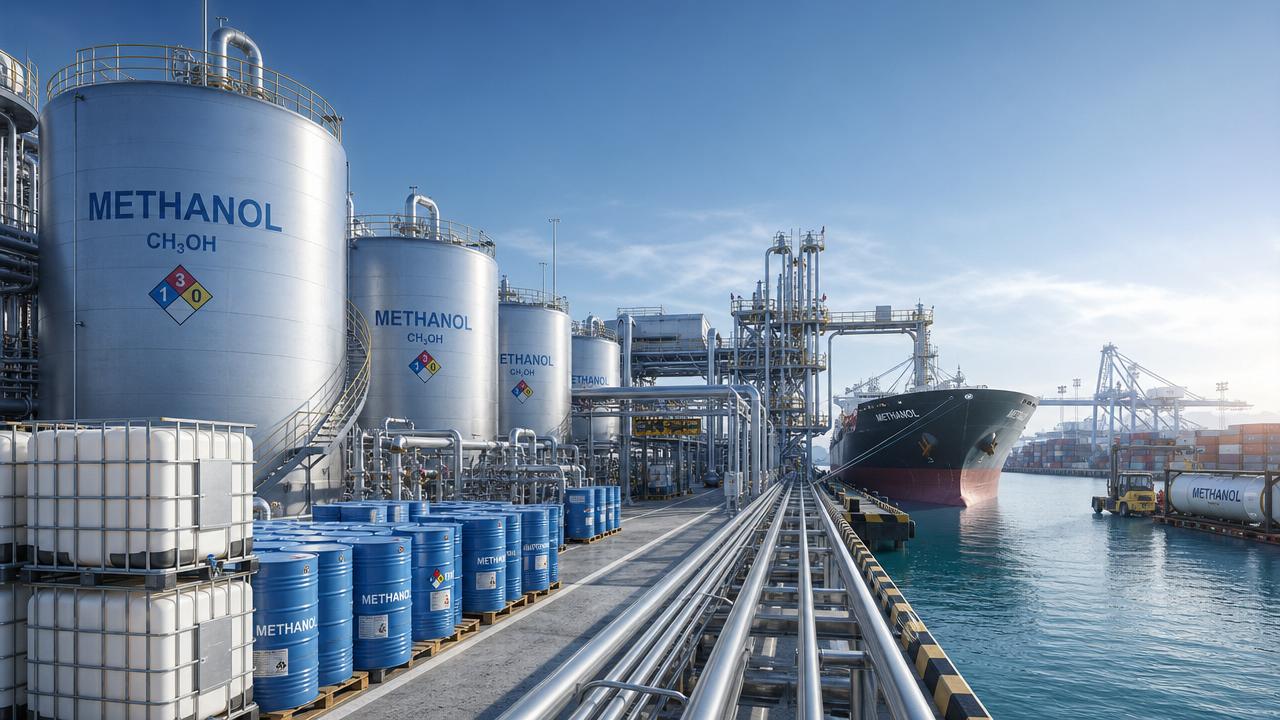
Methanol Supply Outlook: What Is Changing This Year
Methanol markets are entering a year of notable change, with buyers facing shifting supply patterns, logistics pressure, and cost volatility.
Understanding the Methanol supply outlook helps improve sourcing stability, price control, and delivery planning across chemical applications.
Backed by strong supplier partnerships and efficient logistics, JunTeng Chemical supports reliable Methanol procurement with stable quality and responsive supply chain coordination.
Why a structured Methanol review matters
This year, Methanol availability is influenced by plant maintenance, feedstock costs, port congestion, and regional demand shifts.
A clear review process reduces supply surprises and helps compare suppliers beyond headline price alone.
Key points to check before placing Methanol orders
- Confirm whether upstream Methanol plants have scheduled turnarounds, because short shutdowns can quickly tighten regional spot availability and change lead times.
- Track natural gas, coal, and freight cost movements, since these drivers often reshape Methanol pricing faster than contract discussions can adjust.
- Verify supplier storage capacity and loading flexibility to avoid delays during demand spikes, weather disruption, or transport bottlenecks at ports and terminals.
- Review quality consistency, including purity, moisture, and documentation, especially when Methanol is used in sensitive downstream chemical production processes.
- Assess logistics routes in advance, including truck, rail, or vessel options, to protect delivery performance when one transport channel becomes constrained.
- Compare supplier relationship depth, not only quoted price, because long-term source access often determines real supply security during volatile periods.
Application-based supply considerations
For petrochemical and solvent use
Methanol demand in petrochemicals can change quickly with operating rates. Supply planning should include buffer inventory and flexible shipment windows.
Stable sourcing partners matter when downstream units cannot tolerate interruptions or uneven product quality.
For specialty chemical production
Some customers also evaluate related chemical materials through one supplier to simplify procurement and logistics coordination.
For example, Tris(1,3-Dichloropropyl)Phosphate (TDCP) is used in polyurethane foam, PVC, and epoxy resin applications requiring flame retardant performance.
It appears as a colorless or light yellow transparent liquid and is commonly supplied in 300KG drums or 1500KG IBC packaging.
Commonly overlooked risks
Short-term low prices may hide weak logistics support. Delivery failure often creates a higher total cost than a slightly higher secured quote.
Single-source dependence increases exposure when unexpected maintenance or transport disruption hits one production area.
Incomplete quality verification can create downstream processing issues, rework, or compliance delays in chemical operations.
Practical steps to improve supply stability
- Build a rolling review of Methanol demand, inventory, and lead times every month.
- Keep at least two qualified supply channels for critical volumes.
- Align contract terms with realistic delivery schedules and quality requirements.
- Use suppliers with proven source access, warehousing support, and responsive logistics service.
Conclusion
The Methanol supply outlook this year is shaped by tighter operational timing, cost swings, and logistics uncertainty.
A disciplined review of source reliability, quality control, and transport readiness can reduce risk and improve purchasing outcomes.
With ten years of chemical trading experience and stable cooperation with major domestic and international enterprises, JunTeng Chemical helps secure dependable Methanol supply and timely delivery.
Leave A Message
If you are interested in our products and want to know more details, please leave a message here, we will reply you as soon as we can.