





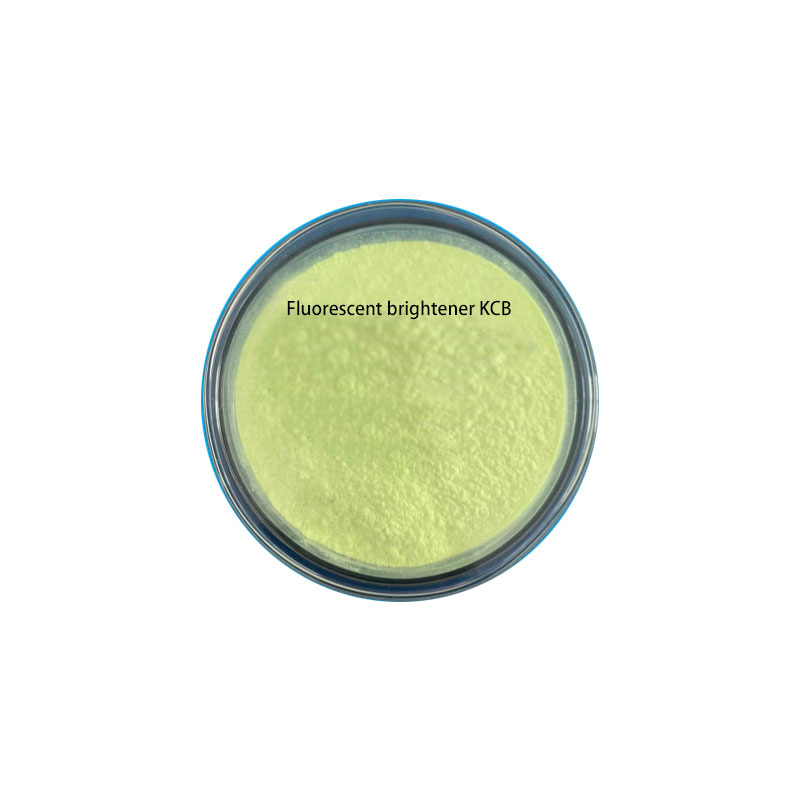
Optical Brightener OB price trends are drawing close attention from procurement teams this year as raw material costs, supply chain shifts, energy prices, and global demand continue to reshape the market. For buyers seeking stable quality and timely delivery, understanding what is behind these cost changes is essential for smarter sourcing decisions, better inventory planning, and improved purchasing control.
Current Market Signals Behind Optical Brightener OB Price Movement
The most visible change in the Optical Brightener OB market this year is not a single sharp price event, but a pattern of repeated adjustment across several procurement cycles. In many chemical categories, buyers used to review prices monthly or quarterly. Now, for products linked to aromatic intermediates, solvent costs, and export logistics, price tracking often needs to move to a 2- to 4-week rhythm. That shift matters because procurement teams can no longer rely only on historical averages when planning orders.
Another clear signal is that volatility is increasingly tied to upstream production conditions rather than only downstream demand. For Optical Brightener OB, changes in feedstock availability, plant operating rates, and energy-intensive manufacturing costs can all influence supplier quotations within a short period. Even when end-market demand from plastics, coatings, textiles, or detergent-related applications stays relatively stable, the cost base can still move enough to affect contract negotiations.
For procurement professionals, the practical takeaway is simple: Optical Brightener OB pricing this year is being shaped by a wider set of variables than in a more stable market cycle. The best sourcing decisions are now based on trend observation, supplier coordination, and delivery risk control, not only on unit price comparison.
Key Trend Signals Buyers Are Watching
The table below summarizes the main signals that are influencing Optical Brightener OB cost changes and why each one deserves attention during purchasing review.
These signals do not always move together, which is why Optical Brightener OB price trends can look inconsistent from one week to the next. A buyer may see stable demand but rising logistics cost, or softer feedstock prices but tighter availability from selected producers. Trend analysis must therefore combine cost, supply, and delivery timing in one view.
What Is Driving Optical Brightener OB Cost Changes This Year
The first major driver is upstream raw material pressure. In chemical trading, especially for specialty additives and brightening agents, suppliers react quickly when feedstocks move outside a normal operating band. A 5% to 10% rise in key intermediates may not always create a one-to-one finished product increase, but it often changes quotation validity, minimum order terms, or stocking strategy. That is why procurement teams should ask not only for the current price, but also for the basis behind it.
The second driver is production-side stability. Environmental controls, maintenance schedules, and operating rate changes can tighten supply even without strong demand growth. In some cases, a supplier with stable quality may choose to prioritize long-term contract customers over spot market volume. For buyers of Optical Brightener OB, this creates a market where the lowest offer is not always the safest option, especially if delivery timing is critical to downstream production.
The third driver is international demand rebalancing. When export orders improve in one region or application segment, local availability can tighten. Even moderate shifts in overseas buying patterns may affect domestic lead times, packaging schedules, and shipment allocation. Procurement managers should therefore view Optical Brightener OB not only as a local chemical purchase, but as part of a broader supply network.
Main Cost Drivers by Category
A structured view of cost drivers helps purchasing teams identify which variables are temporary and which ones may persist for 1 to 2 quarters.
This breakdown shows why a procurement team should not evaluate Optical Brightener OB only by invoice price. A lower unit price can become less competitive if freight, delayed dispatch, or inconsistent stock adds hidden cost to production planning.
Signals Worth Monitoring Weekly
- Supplier quotation validity period, especially when limited to 3-7 days.
- Actual stock status versus nominal availability in the supplier list.
- Packaging options and loading schedules, which can affect dispatch by several days.
- Regional freight changes that alter total delivered cost for orders above 1 pallet or multiple drums/cartons.
In polymer processing supply chains, buyers often review related additives together. For example, when evaluating processing stability packages, some customers also compare complementary materials such as Antioxidant JHSANOX-168, a phosphite antioxidant used in polyolefins, polyamide, polycarbonate, and synthetic rubber. Its typical purity of at least 99% and melting range around 183-187 ℃ reflect how technical consistency can matter as much as price when buyers assess broader additive procurement.
Who Feels the Impact Most in the Procurement Chain
Not every buyer experiences Optical Brightener OB price changes in the same way. Companies purchasing on a spot basis usually feel the impact first because they have less flexibility when the market moves during a production cycle. By contrast, buyers with rolling forecasts, approved substitute plans, or safety stock for 15 to 30 days can usually manage volatility more effectively.
Manufacturers with strict whiteness consistency requirements or export-driven finished goods are also more exposed. If they cannot switch suppliers easily, even a moderate price move becomes important because quality variation may create a larger cost risk than the material itself. This is common in chemical procurement, where a small additive percentage can still have a strong effect on end-product appearance or performance.
Distributors and trading companies, meanwhile, face a different challenge: managing timing gaps between supplier adjustments and customer quotation commitments. If Optical Brightener OB moves quickly but downstream prices are fixed for a period, margin pressure appears immediately. That makes sourcing agility and supplier coordination more valuable than before.
Impact by Buyer Type
The following comparison helps identify where Optical Brightener OB price changes create the greatest operational pressure.
The common theme is that price is only one part of procurement exposure. In a fluctuating market, quality continuity, forecast accuracy, and logistics execution often determine whether cost control succeeds over a full quarter.
How Buyers Should Respond to Optical Brightener OB Volatility
A practical response starts with better forecasting discipline. Instead of placing orders only when inventory reaches a minimum level, buyers should review 30-day, 60-day, and 90-day demand visibility. Even if exact consumption changes, a rolling forecast helps suppliers reserve stock and improve shipment planning. This is especially useful when lead times shift from less than 1 week to more than 2 weeks.
Second, procurement teams should compare offers on a delivered-cost basis. Optical Brightener OB buying decisions should include packing type, loading efficiency, warehouse transfer, payment terms, and technical documentation support. In many cases, a slightly higher quotation becomes more competitive if it reduces the risk of delay, return, or emergency replenishment.
Third, buyers should connect technical review with commercial review. For additive and specialty chemical procurement, it is not enough to compare one sample approval against a future bulk order. Batch stability, appearance consistency, and standard product parameters should all be checked before scaling volume. Similar logic applies when reviewing adjacent additives such as Antioxidant JHSANOX-168, which is commonly supplied as white crystalline powder or flakes in 25 KG/carton or 20 KG/fiber drum packaging for polymer processing applications.
A Simple Procurement Checklist
- Confirm quotation validity and whether the price is linked to immediate stock or future production.
- Ask for expected dispatch timing, not only estimated lead time.
- Review technical consistency requirements before shifting volume between suppliers.
- Track at least 2 to 3 market indicators weekly during volatile periods.
- Build a backup plan for urgent replenishment or partial shipment if production cannot stop.
These steps help procurement teams move from reactive buying to controlled sourcing. In a year when Optical Brightener OB cost changes can be driven by multiple variables at once, process discipline becomes a clear commercial advantage.
What to Watch Next and Why Supplier Capability Matters
Looking ahead, buyers should continue to monitor three things: whether upstream feedstocks stabilize, whether plant operating rates improve, and whether freight conditions return to a narrower range. If these three indicators become more stable over the next 1 to 2 quarters, Optical Brightener OB price movement may become easier to manage even if absolute prices do not decline sharply.
For purchasing teams, this is also the right time to reassess supplier structure. A reliable chemical sourcing partner should offer more than a quotation sheet. Stable supply, source-based quality control, responsive communication, and efficient logistics all reduce the hidden cost of volatility. When procurement teams can confirm product specifications, stock position, and delivery schedule in one process, decision speed improves significantly.
Shandong JunTeng Chemical Co., Ltd., based in Jinan, Shandong Province, has 10 years of experience in chemical trading and focuses on one-stop procurement solutions supported by supply chain management, supplier resources, and an efficient logistics network. With long-term cooperation across well-known domestic and international enterprises, the company helps customers pursue stable quality, sufficient supply, and timely delivery across multiple chemical application sectors.
Contact Us for Practical Sourcing Support
If your team is evaluating how Optical Brightener OB price trends may affect current purchasing plans, we can help you review key variables before you place an order. That includes parameter confirmation, product selection support, delivery cycle discussion, packaging options, and quotation communication based on your actual procurement schedule.
Why choose us: we focus on real supply execution in the chemical industry, with attention to quality stability, sourcing coordination, and timely logistics response. Whether you need spot inquiry support, routine procurement planning, or a broader additive sourcing discussion, our team can help you compare options more clearly and reduce avoidable purchasing risk.
Contact us to discuss sample support, specification matching, lead time confirmation, or a tailored procurement plan for your chemical business. For buyers facing a fast-moving market, better information and better coordination are often the most effective tools for controlling Optical Brightener OB purchasing cost this year.
Leave A Message
If you are interested in our products and want to know more details, please leave a message here, we will reply you as soon as we can.