





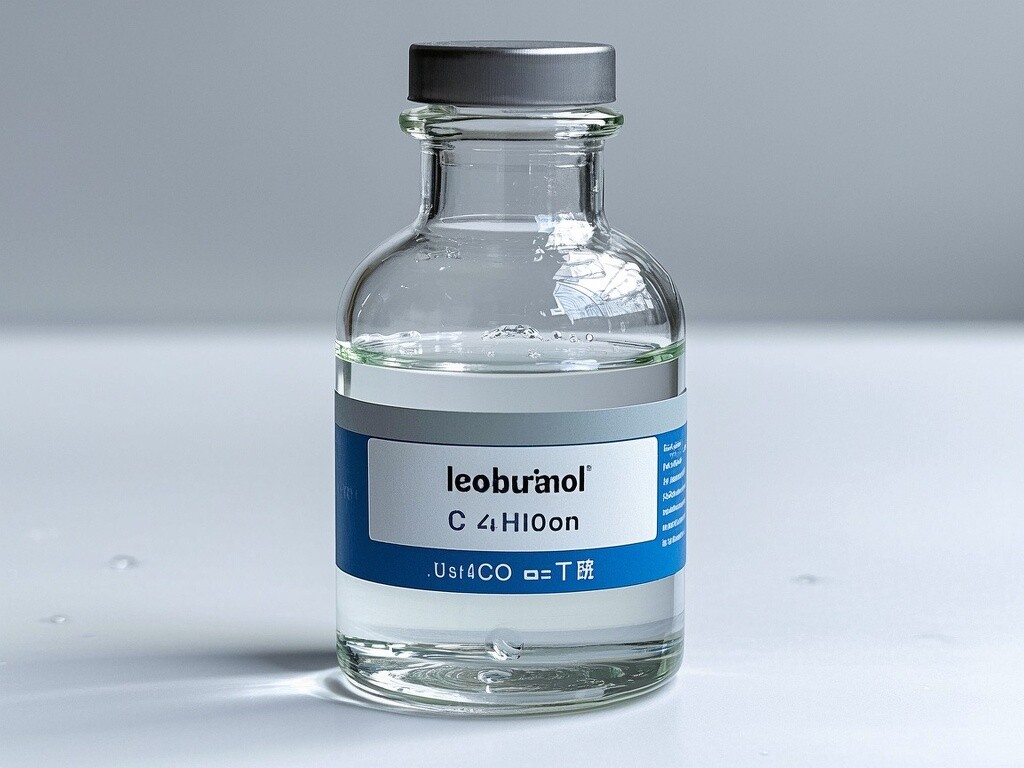
Safety Considerations When Using Isobutanol for Industrial Wastewater Treatment
As a leading chemical supplier with over a decade of industry expertise, Shandong JunTeng Chemical understands the critical balance between effective wastewater treatment and operational safety. Isobutanol has emerged as a powerful solution for petrochemical wastewater treatment, but its flammability and health risks demand rigorous safety protocols. This guide provides actionable insights for industrial operators seeking to optimize both treatment efficiency and workplace safety.
Why Choose Isobutanol for Petrochemical Wastewater Treatment?
Isobutanol offers distinct advantages in treating complex petrochemical wastewater streams:
- Superior solubility for organic contaminants (30-40% more effective than conventional solvents)
- Reduced sludge formation compared to traditional treatment methods
- Compatibility with existing treatment infrastructure
Factory Direct Advantages: Cost and Quality Benefits
Our direct-from-manufacturer supply model delivers measurable advantages:
- Cost Savings: 25-30% lower than distributor pricing
- Quality Assurance: Batch testing and certification from source
- Supply Stability: 99.7% on-time delivery rate
Critical Safety Protocols for Isobutanol Handling
Storage Requirements
- Flame-resistant containment with secondary spill protection
- Temperature-controlled environments (below 30°C)
- Grounding and bonding for static electricity prevention
PPE Standards
- Chemical-resistant gloves (Butyl rubber recommended)
- Full-face respirators for vapor protection
- Fire-retardant clothing in handling areas
Ventilation Systems
- Minimum 10 air changes per hour in enclosed spaces
- Explosion-proof exhaust fans
- Vapor detection systems with automatic shutdown
Emergency Response Planning
Effective contingency measures reduce incident severity by 60-75%:
ROI Analysis: Isobutanol vs. Alternative Treatments
Our clients report 18-24 month payback periods through:
- 40% lower chemical consumption rates
- 60% reduction in disposal costs
- 3-5 year extended equipment lifespan
For specialized applications in polymer production, consider our MERCAPTAN 504 as a complementary solution.
Frequently Asked Questions
1. What concentration of isobutanol is optimal for petrochemical wastewater treatment?
Typical applications use 5-15% solutions, depending on contaminant load. Our technical team provides customized concentration recommendations based on wastewater analysis.
2. How does factory-direct purchasing impact product quality?
Direct sourcing eliminates middleman handling, ensuring consistent purity (≥99.5%) and proper storage conditions throughout the supply chain.
3. What certifications should I require for industrial-grade isobutanol?
Look for ISO 9001 certification, SDS documentation, and batch-specific analysis reports. Our products include full traceability from production to delivery.
Partner with Chemical Experts
Shandong JunTeng Chemical's decade of experience in petrochemical solutions ensures you receive:
- Technical consultation from PhD-level chemists
- Customized safety training programs
- Flexible delivery options including ISO tanks
Contact our wastewater treatment specialists today to optimize your operations with isobutanol solutions that prioritize both performance and safety.
Leave A Message
If you are interested in our products and want to know more details, please leave a message here, we will reply you as soon as we can.