





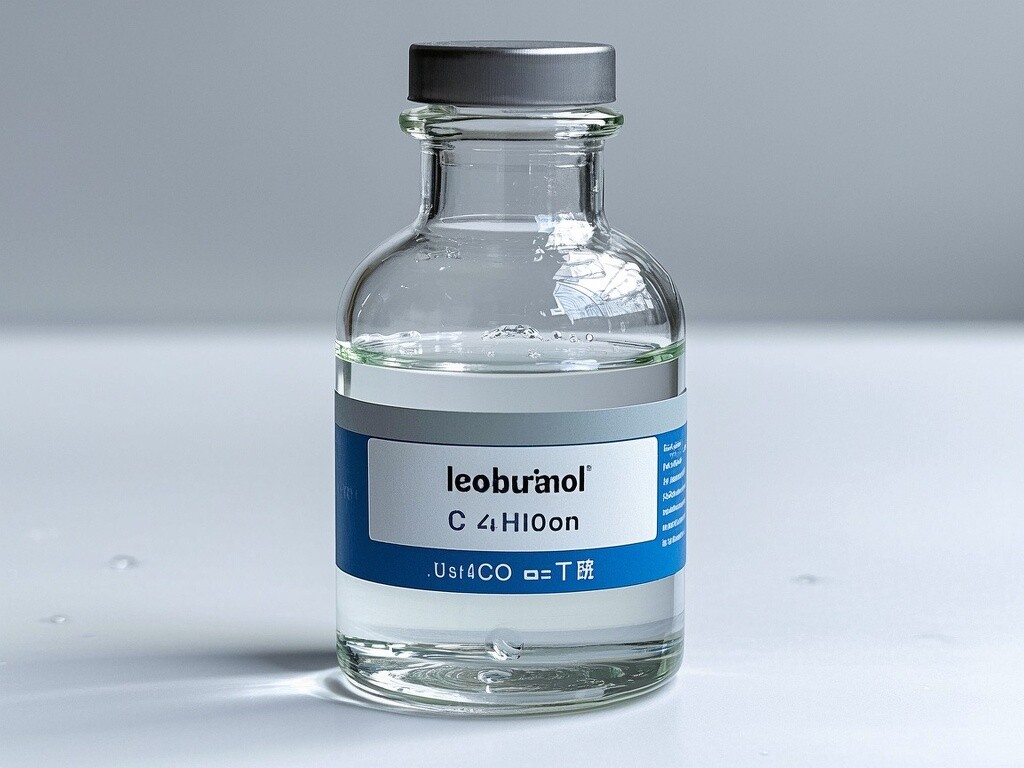
The Critical Role of Isobutanol in Petrochemical Wastewater Treatment Systems
As environmental regulations become increasingly stringent, petrochemical plants require advanced solutions for wastewater treatment. Isobutanol (C4H10O) has emerged as a highly effective solvent in modern treatment systems, offering superior performance in extraction processes while meeting strict safety standards. This article examines the technical advantages of isobutanol for wastewater treatment and its cost-saving potential in petrochemical applications.
Why Isobutanol Outperforms Traditional Solvents in Wastewater Treatment
Compared to conventional solvents like ethanol or methanol, isobutanol demonstrates three key advantages:
- Higher extraction efficiency (15-20% improvement in contaminant removal)
- Lower volatility (reducing evaporation losses by 30-40%)
- Better phase separation (decreasing processing time by 25%)
Factory-Direct Advantages: Cost Savings with Isobutanol Solutions
Shandong JunTeng Chemical's factory-direct model provides significant advantages for petrochemical plants implementing isobutanol-based wastewater treatment:
- 40-50% cost reduction compared to distributor pricing
- Batch-to-batch consistency with ISO 9001 certified production
- Custom formulations for specific wastewater compositions
Technical Specifications for Optimal Wastewater Treatment Performance
When selecting isobutanol for petrochemical wastewater treatment, these technical parameters ensure maximum effectiveness:
- Purity ≥ 99.5%
- Water content ≤ 0.1%
- Acidity (as acetic acid) ≤ 0.003%
- Carbonyl compounds ≤ 0.05%
For corrosion-resistant system components in isobutanol processing, consider Chlorinated Polyvinyl Chloride (CPVC) piping, which offers excellent chemical resistance and thermal stability up to 110°C.
Frequently Asked Questions About Isobutanol for Wastewater Treatment
Q1: How does isobutanol compare to activated carbon for organic removal?
A: Isobutanol achieves 20-30% higher removal rates for specific petrochemical contaminants (phenols, BTEX) while being 40% more cost-effective in continuous operation.
Q2: What safety measures are required for isobutanol storage?
A: Requires Class IB flammable liquid storage (flash point 28°C) with secondary containment. Our technical team provides customized safety protocols for each facility.
Q3: Can isobutanol be recovered and reused in treatment systems?
A: Yes, with proper distillation recovery systems (85-90% recovery rate), significantly reducing operational costs compared to single-use solvents.
Partner with a Trusted Isobutanol Supplier for Your Wastewater Needs
With ten years of experience supplying high-purity isobutanol to major petrochemical facilities, Shandong JunTeng Chemical offers:
- Technical support from PhD-level chemists
- Flexible delivery options (ISO tanks, drums, bulk)
- Comprehensive quality documentation (CoA, MSDS, TDS)
Contact our team today to optimize your wastewater treatment system with factory-direct isobutanol solutions tailored to your specific operational requirements.
Leave A Message
If you are interested in our products and want to know more details, please leave a message here, we will reply you as soon as we can.