





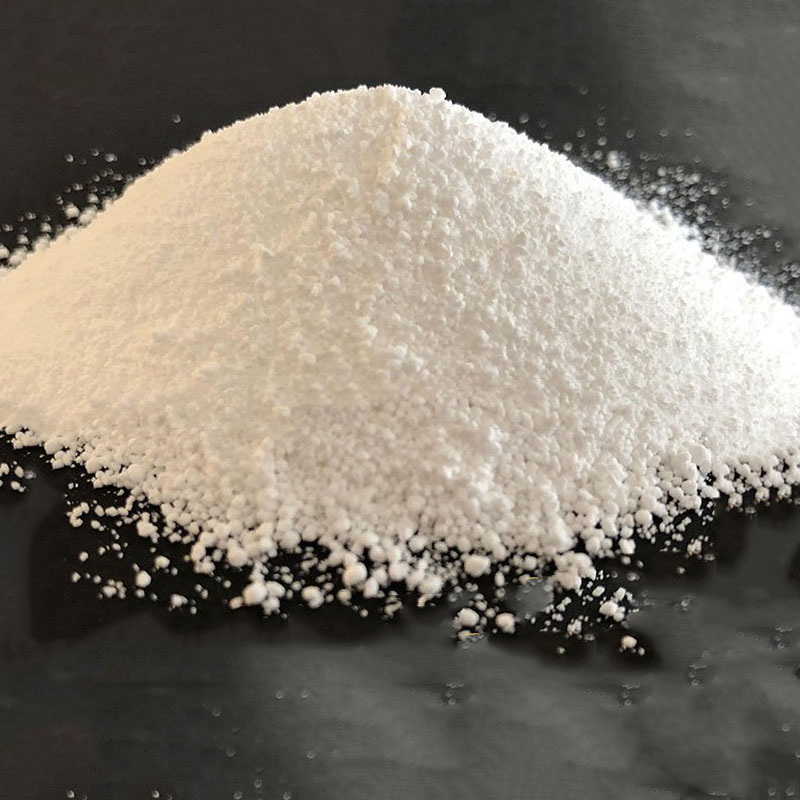
Sodium acetate plays a pivotal role in industrial corrosion prevention, offering maintenance teams an effective solution to combat equipment degradation. As a versatile chemical compound, sodium acetate serves as a cost-efficient corrosion inhibitor that protects metal surfaces while being environmentally friendly. This article explores how maintenance professionals can leverage sodium acetate's unique properties to extend equipment lifespan, reduce downtime, and optimize industrial operations. Discover the science behind this powerful corrosion prevention agent and practical applications for your maintenance strategy.
The Science Behind Sodium Acetate as a Corrosion Inhibitor
Understanding the chemical properties of sodium acetate is essential for maintenance professionals seeking to maximize its corrosion prevention capabilities. Sodium acetate (CH3COONa) functions as an anodic inhibitor, forming a protective layer on metal surfaces that prevents oxidation reactions. Its alkaline nature (pH ~8–9 in solution) neutralizes acidic compounds that accelerate corrosion, while its ability to chelate metal ions disrupts electrochemical corrosion processes. Unlike harsh chemical alternatives, sodium acetate operates through a dual mechanism: it passivates metal surfaces by promoting the formation of stable oxide layers, while simultaneously scavenging corrosive chloride ions prevalent in industrial environments. Research indicates that solutions containing 5–15% sodium acetate can reduce corrosion rates in carbon steel by up to 70% under moderate temperature conditions (50–80°C), making it particularly valuable for heat exchange systems and piping networks.
Practical Applications in Industrial Maintenance
For maintenance teams, sodium acetate offers versatile application methods across various industrial scenarios. As a water treatment additive, it effectively protects cooling towers and boiler systems from scale formation and pitting corrosion. When applied as a surface treatment (either through spray coating or immersion baths), it creates temporary protection during equipment storage or transportation. In oil and gas pipelines, sodium acetate solutions injected at strategic points mitigate microbial-induced corrosion (MIC) by creating unfavorable conditions for sulfate-reducing bacteria. A notable case study from a petrochemical plant demonstrated that incorporating sodium acetate into their maintenance protocol reduced unplanned shutdowns by 32% annually, with ROI calculations showing cost savings of $18 per liter of inhibitor used. Maintenance schedules can integrate sodium acetate applications during routine servicing—adding it to lubricants for moving parts, blending with cleaning solutions for post-maintenance protection, or using it as a pre-treatment before welding operations to prevent heat-affected zone corrosion.
Optimizing Concentration and Application Methods
Effective utilization requires precise concentration control tailored to specific operational conditions. For closed-loop systems (e.g., hydraulic circuits), maintenance teams typically maintain 0.5–2% sodium acetate concentrations, monitored through regular pH and conductivity testing. Open systems exposed to atmospheric conditions may require higher concentrations (3–5%) with supplemental applications. Advanced maintenance programs combine sodium acetate with complementary inhibitors like Citric Acid for synergistic effects—the citric acid removes existing oxide layers while sodium acetate rebuilds protective films. Best practices include conducting quarterly corrosion coupon tests to verify effectiveness and adjusting treatment protocols based on seasonal humidity variations or process changes. Digital monitoring systems can automate dosage control, integrating with predictive maintenance platforms to trigger replenishment when corrosion parameters exceed thresholds.
Environmental and Safety Advantages for Sustainable Maintenance
Compared to traditional corrosion inhibitors containing heavy metals or toxic compounds, sodium acetate aligns with increasingly stringent environmental regulations and corporate sustainability goals. Its biodegradability (achieving >90% degradation within 28 days under OECD 301 standards) eliminates hazardous waste disposal challenges. Maintenance personnel benefit from reduced PPE requirements—it poses minimal skin irritation risks (LD50 >5,000 mg/kg) and doesn't generate volatile organic compounds (VOCs). These characteristics make it suitable for food processing equipment maintenance where incidental contact with products might occur. A 2023 industry survey revealed that 68% of plants transitioning to green maintenance protocols prioritized sodium acetate adoption, citing both regulatory compliance advantages and improved worker safety metrics. Its compatibility with other eco-friendly chemicals allows maintenance teams to develop comprehensive green corrosion prevention programs without compromising performance.
Cost-Benefit Analysis for Maintenance Budgets
From a financial perspective, sodium acetate delivers measurable maintenance cost reductions across multiple dimensions. Its bulk pricing (typically $0.80–$1.20 per kg) represents 40–60% savings compared to specialty corrosion inhibitors. The extended equipment lifespan translates to capital expenditure deferrals—documented cases show heat exchangers lasting 3–5 additional years with proper sodium acetate treatment. Downtime reduction provides the most significant financial impact; one paper mill reported saving $240,000 annually by eliminating corrosion-related production stoppages after implementing sodium acetate injections. Maintenance planners should evaluate total cost of ownership (TCO), factoring in reduced waste handling costs, lower insurance premiums for hazardous material reduction, and decreased need for emergency repairs. For facilities using Citric Acid for cleaning cycles, integrating sodium acetate creates a closed-loop maintenance chemistry system that further optimizes operational expenses.
Implementation Roadmap for Maintenance Teams
Transitioning to sodium acetate-based corrosion prevention requires methodical planning. Phase 1 involves comprehensive equipment audits to identify corrosion hotspots and baseline performance metrics. Phase 2 consists of pilot testing—selecting non-critical systems for controlled trials with varying concentrations and application frequencies. Successful implementations typically progress through these stages: 1) Replacement of high-toxicity inhibitors in low-risk systems, 2) Integration into preventive maintenance checklists, 3) Staff training on handling and monitoring procedures, and 4) Full-scale deployment with continuous improvement protocols. Maintenance managers should collaborate with chemical suppliers like Shandong JunTeng Chemical to develop customized solutions, leveraging their decade of experience in corrosion inhibitor formulations. Digital tools such as corrosion rate modeling software can simulate expected outcomes before physical implementation, reducing trial-and-error costs.
Conclusion: Strategic Value for Modern Maintenance Operations
Sodium acetate represents a paradigm shift in industrial corrosion prevention, combining technical efficacy with environmental and economic benefits. For maintenance professionals, its adoption aligns with broader industry trends toward predictive maintenance and sustainable operations. The compound's versatility allows creative applications—from protecting electrical contacts in humid environments to preserving structural integrity in wastewater treatment facilities. As industries face increasing pressure to balance operational efficiency with environmental responsibility, sodium acetate emerges as a strategic tool in the maintenance arsenal. Shandong JunTeng Chemical's expertise in fine chemicals provides reliable access to high-purity sodium acetate, backed by a robust supply chain ensuring consistent quality. Maintenance teams ready to upgrade their corrosion prevention strategies should contact our technical specialists for tailored concentration recommendations and application guidelines specific to their operational context.
To discuss how sodium acetate can optimize your maintenance program's corrosion prevention measures, request a complimentary consultation with our chemical solutions team today.
Leave A Message
If you are interested in our products and want to know more details, please leave a message here, we will reply you as soon as we can.