





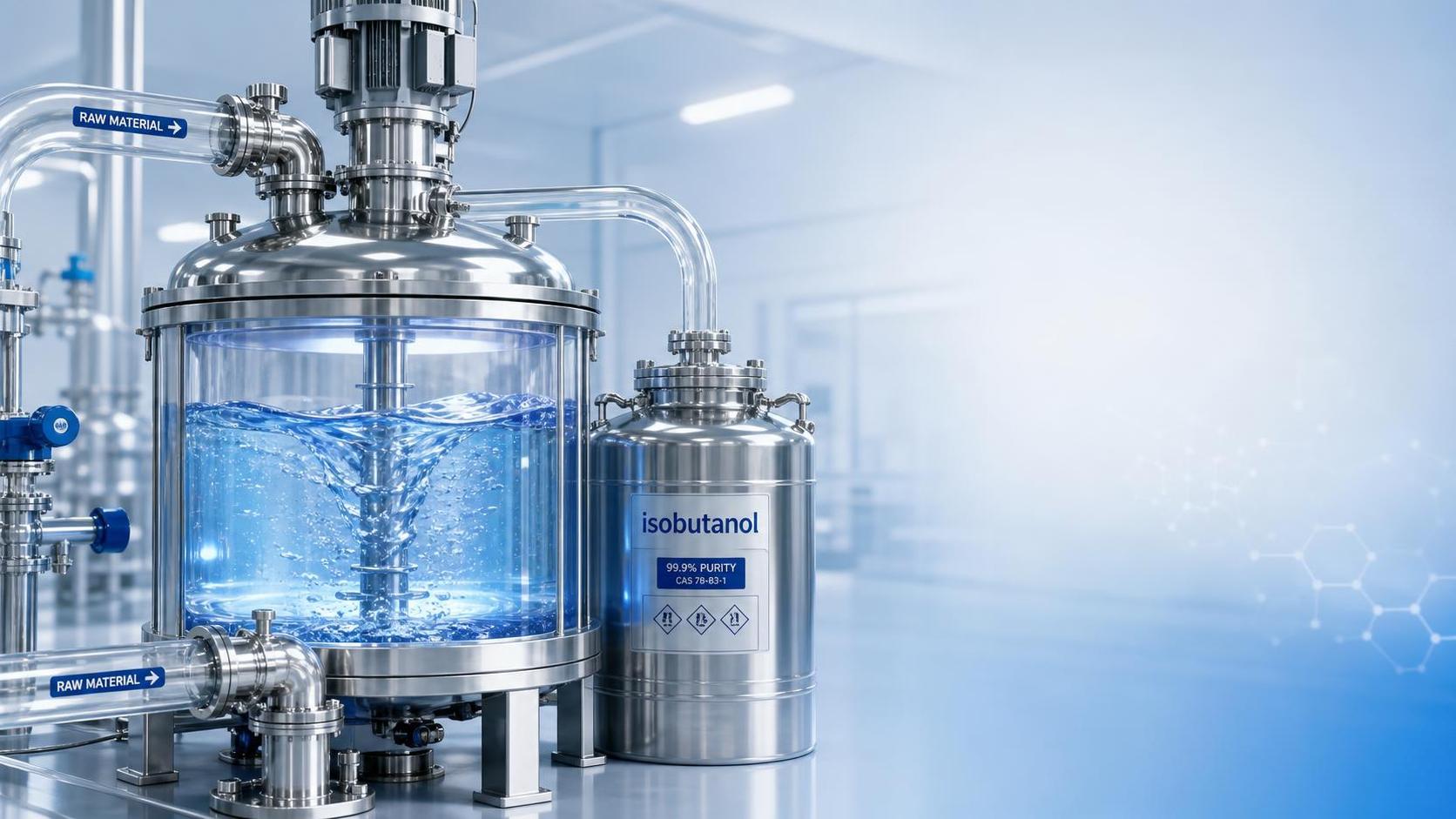
How do you keep isobutanol useful in detergent raw materials without throwing off the odor profile?
The short answer is: control the dose, the quality, and the point of addition. Isobutanol can help with solvency and formulation behavior in detergent raw materials, but if it is added too aggressively or blended into the wrong base, the odor becomes the first thing operators notice and the last thing customers forgive. In practice, the goal is not to make the smell disappear completely; it is to keep it balanced so the product performs well and still feels acceptable on the line and in use.
Most odor problems come from three places: excess volatile material, impurities in the alcohol feed, or poor mixing with other raw materials that already have a strong scent. That is why experienced plants treat fragrance balance as part of process control, not just a marketing issue.
What should operators check before using isobutanol in a detergent formula?
Start with the actual job you want it to do. If the role is solvent support, wetting aid, or process handling, then the dose should be set around function, not convenience. A common mistake is copying a supplier note or another plant’s recipe without checking the rest of the formula. That usually fails because surfactant load, builders, water content, and perfume level all change how the alcohol is perceived.
Operators should also confirm incoming raw material consistency, especially if the plant is already sensitive to odor complaints. A product like ammonium persulfate is not the same functionally, but it is a good reminder that material grade matters across chemical production: appearance, impurity profile, and packaging all influence how a plant handles a raw material. The same discipline applies here. Check supplier documents, lot identity, and how the material behaves when opened, transferred, and stored.
Does purity matter that much for odor?
Yes, more than many teams expect. A technically workable isobutanol stream can still create a harsh or uneven smell if it carries extra byproducts or if the lot varies from batch to batch. You do not need lab drama to see the problem; operators often notice it during unloading or preblend preparation long before finished goods testing catches it. If odor consistency matters, ask for stable specification control and compare multiple lots in the same base formula before scaling up.
How do you tell whether the odor imbalance comes from dosage or from blending?
Use a simple split test. Prepare one control batch with the current formula and one trial batch with only one variable changed. If the odor shifts sharply when the isobutanol level changes, dosage is probably the issue. If the smell stays rough even at lower addition, the interaction with other ingredients is the more likely cause.
A few ingredients can hide or amplify the alcohol note. Strong surfactant systems, alkaline builders, and certain solvent blends can make the smell sharper. Perfume can cover part of it, but masking is not the same as balancing. If the base odor is unstable, fragrance only papers over the symptom and usually raises cost without fixing the process.
What mixing method works best in production?
Add it slowly into a well-agitated base, not into a stagnant tank or a partially mixed premix. Fast dumping tends to create localized odor spikes and can make the batch smell stronger than it really is. That matters on the floor, because operators judge the batch by what they smell during handling, not by the final lab note.
If the formula is sensitive, introduce it after the main aqueous phase is already uniform. That gives the system fewer pockets where the alcohol can concentrate. Temperature also matters: warmer systems release volatile notes faster, so a batch that smells acceptable in storage may feel much stronger during hot mixing or filling.
What are the most common mistakes plant personnel make?
- Using too much because the raw material is cheap or easy to source.
- Changing suppliers without rechecking odor behavior in the full formula.
- Relying on perfume to fix a base odor problem.
- Adding the material too early or too fast during blending.
- Ignoring storage conditions, especially open containers and warm rooms.
These mistakes look minor in the moment, but they often show up later as complaints about smell, batch-to-batch inconsistency, or weak acceptance during filling and packing.
When should you step back and change the formula instead of adjusting odor control?
If repeated small changes still leave the batch unstable, the formulation probably needs a broader reset. That is usually the case when odor shifts across seasons, when a new surfactant package was introduced, or when the product already sits near its practical limit for volatile components. In those situations, cutting the dose a little is not enough.
A better path is to review the whole system: solvent load, water balance, fragrance strength, and storage behavior. The question is not whether isobutanol can be used. It is whether the formula can carry it without creating a smell that operators dislike and customers notice immediately.
What is the safest operating rule to follow?
Keep one rule in mind: every change should be tested in the full detergent base, not assumed from raw material data alone. Small differences in impurity level, addition order, and batch temperature can change the odor more than the nominal dosage itself. If you control those variables and keep supplier quality steady, isobutanol can stay useful without upsetting the smell profile.
Leave A Message
If you are interested in our products and want to know more details, please leave a message here, we will reply you as soon as we can.