





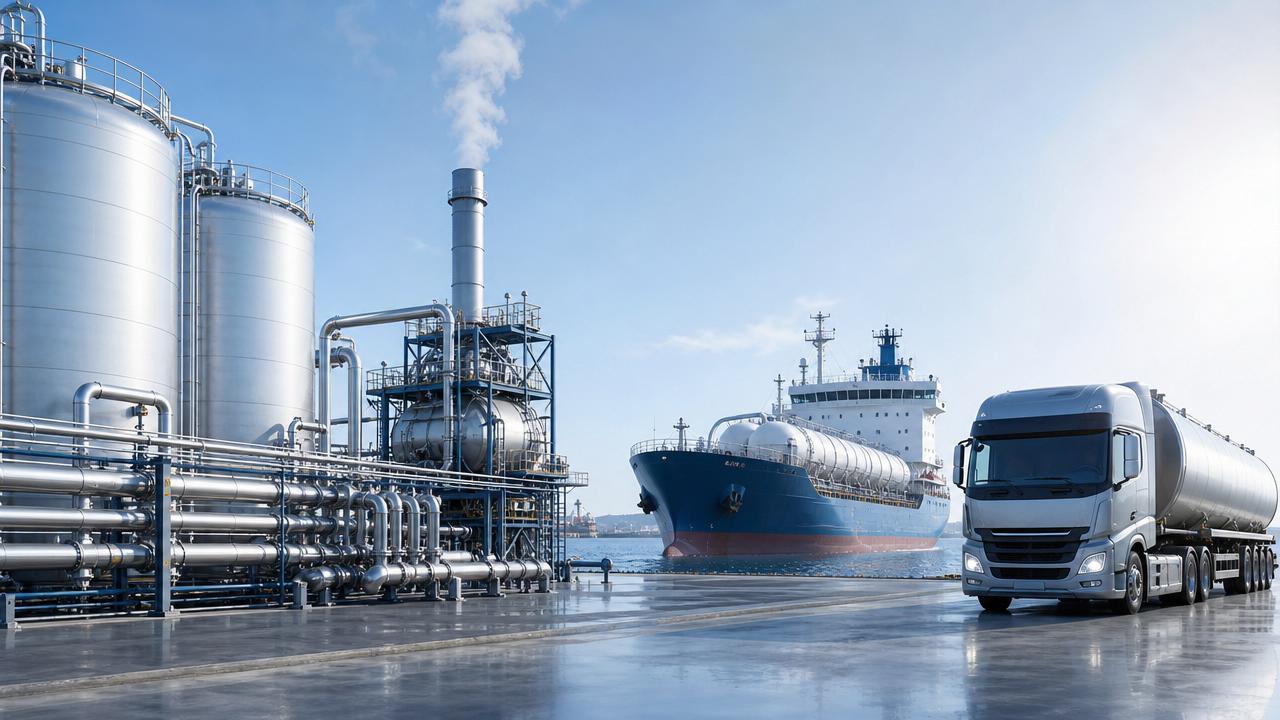
Methanol fuel is gaining attention because it is flexible, easier to store than some gaseous fuels, and useful across both energy and chemical systems. In industry and transport, it works as a practical bridge between conventional fuels and lower-emission alternatives.
For anyone researching fuel options, the real question is simple: where does methanol fuel create clear value, and what should be checked before using it? The answer depends on application, equipment compatibility, safety handling, and supply reliability.
Where methanol fuel is used most often
Methanol fuel appears in several high-demand sectors. Some use it directly for combustion, while others use it as part of a broader chemical or energy process. That distinction matters when comparing cost and performance.
- In industrial boilers and kilns, methanol fuel can replace or supplement conventional liquid fuels. It burns relatively cleanly and may help reduce soot, odor, and some particulate concerns.
- In road transport, methanol fuel is used in blended fuels or dedicated engines. It is especially relevant where fleets want lower emissions without fully shifting to battery systems.
- In marine shipping, methanol fuel is becoming a serious option. It offers easier handling than some alternative fuels and supports compliance planning for tightening environmental standards.
- In power generation, methanol fuel can support gensets, distributed energy systems, and backup power applications. It is also being studied for fuel cells and cleaner energy conversion routes.
- As a chemical feedstock, methanol fuel is closely linked with formaldehyde, acetic acid, olefins, and other downstream products. In this role, energy value and raw material value overlap.
Industrial heating and process energy
In factories, methanol fuel is often considered for burners, furnaces, and thermal processing lines. It is especially useful when cleaner combustion and easier liquid storage are more important than maximum energy density.
A practical checkpoint is burner compatibility. Flame characteristics, corrosion risk, and combustion control settings should be reviewed before switching from diesel, heavy oil, or mixed solvents.
Vehicles, fleets, and public transport
Methanol fuel has been tested and used in buses, trucks, and specialty vehicles. It can work in blends or dedicated systems, but fuel system materials and cold-start performance need attention.
If transport use is being evaluated, check local fueling infrastructure first. A technically workable fuel is not always commercially practical if supply points are limited or inconsistent.
What makes methanol fuel attractive
The appeal of methanol fuel is not based on one single benefit. It usually comes from a combination of cost structure, logistics flexibility, emissions profile, and integration with existing chemical supply chains.
- Check calorific value before comparing prices. Methanol fuel may look economical per ton, but real cost should be measured against usable energy and process efficiency.
- Review storage and transfer systems early. Tanks, seals, pumps, and pipelines should be assessed for material compatibility to avoid leaks, swelling, or maintenance surprises.
- Confirm purity and water content for the target use. Fuel-grade requirements can differ by engine, burner, or chemical process, so specification matching is essential.
- Plan delivery around actual consumption patterns. Stable supply matters more than spot pricing when methanol fuel supports continuous production or critical transport operations.
Common scenarios that need extra attention
Marine use is a fast-growing area for methanol fuel. Ship operators often value its handling advantages, but onboard tank design, crew training, and bunkering procedures must be aligned with safety rules.
In petrochemical settings, methanol fuel may sit alongside other functional chemicals. For example, some operations also source oxidizing or catalytic materials such as calcium Nitrite for synthesis, surface treatment, pigments, or specialty process support. This makes supplier coordination even more important.
Distributed energy is another practical case. Where backup power, remote facilities, or off-grid operations are involved, methanol fuel can simplify liquid-fuel logistics compared with more complex gas systems.
What is often overlooked
One common mistake is focusing only on emissions messaging. Methanol fuel still requires proper toxicological handling, ventilation control, labeling, and emergency response planning.
Another missed point is procurement consistency. Quality drift, delayed shipment, or weak documentation can affect fuel performance and compliance records just as much as the product itself.
How to evaluate methanol fuel before adoption
A simple evaluation path can save time. Start with the use case, then move to technical fit, then to sourcing and logistics. That order prevents expensive trial-and-error decisions.
- Define whether methanol fuel will be burned directly, blended, or used within a combined chemical-energy process. The answer shapes equipment, storage, and compliance requirements.
- Ask for technical documents, sample testing, and logistics details together. Product data alone is not enough if lead time, packaging, or handling support are unclear.
- Compare short-term savings with conversion cost. Burner tuning, tank adjustment, safety upgrades, and operator training can change the real payback period significantly.
- Use suppliers with strong upstream links and delivery control. This is especially useful when methanol fuel is part of a broader chemical purchasing strategy.
This is where experience in chemical trading becomes valuable. Shandong JunTeng Chemical Co., Ltd., based in Jinan, Shandong Province, has ten years of industry experience, a complete supply chain management system, and efficient logistics support for stable delivery.
Its long-term cooperation with well-known domestic and international enterprises helps strengthen source control, product authenticity, and procurement efficiency across pharmaceuticals, petrochemicals, wastewater treatment, agricultural chemicals, plastics, and related sectors.
In short, methanol fuel is used in industrial heating, transport, marine applications, power systems, and chemical production. The best choice depends on compatibility, infrastructure, safety management, and supply stability.
If methanol fuel is under consideration, the next smart step is to verify specifications, storage conditions, and logistics support together. That gives a much clearer picture than price alone.
Leave A Message
If you are interested in our products and want to know more details, please leave a message here, we will reply you as soon as we can.