





Start with the product spec, not the sales pitch
A Sodium Sulphide supplier should be judged on what they can document, not on how confidently they talk. Before you sign, ask for the exact grade, assay range, moisture limits, impurity profile, packaging form, and shelf-life basis tied to your intended use. If the supplier cannot connect the offer to a clear specification sheet and batch-level COA, the quote is not procurement-ready yet.
The common mistake is treating every offer as if “sodium sulphide” meant the same thing. It does not. Buyers in wastewater treatment, leather, mining, or chemical processing often need different concentration, form, and impurity control. A lower unit price means little if the material creates extra process loss, odor issues, or unstable downstream performance.
Check whether the quality system matches your risk
For recurring purchase, the real question is consistency. Ask how the supplier controls incoming raw materials, production lots, retention samples, and complaint handling. You do not need a long presentation; you need to see whether their documents line up with how they actually ship. Batch traceability matters more than vague claims about “stable quality.”
If your process is sensitive to impurities, request recent COAs from multiple lots and compare them. Look for drift in assay, insolubles, moisture, or anything else that affects your application. One clean sample tells you almost nothing. Several ordinary batches tell you much more.
Understand the supplier’s real supply capacity
A supplier can look solid on paper and still fail when your order size rises or your schedule tightens. Check available production or sourcing capacity, typical lead time, and whether they carry inventory for routine demand. If the company is a trader rather than a producer, ask how they secure supply during peak seasons and what backup source they use when one plant slows down.
This is where a strong chemical trading partner can add value. A supplier with a broader supply chain management system, multiple upstream sources, and steady logistics coverage is usually better positioned to protect delivery dates. That matters more than chasing the cheapest quote when your line cannot stop.
Do not sign before you understand the logistics detail
Packaging, loading method, port handling, and transit route all affect cost and risk. For bulk chemical buying, the visible freight number is only part of the picture. You also need to know whether the supplier can handle export documents, dangerous goods requirements, local delivery restrictions, and urgent reshipment if a batch is damaged in transit.
A practical check is simple: ask them to walk you through one recent order from release to delivery. Not for storytelling, but for process. Who booked the truck, who monitored dispatch, who handled document errors, and what happened when the route changed. Suppliers with real logistics discipline answer in specifics.
Match the commercial terms to the operational reality
The best price can become expensive once payment terms, minimum order quantity, packaging, and claims handling are added in. Compare the full landed cost, not just the ex-works number. If the supplier pushes a low quote but requires rigid volume commitments, that may be fine for stable demand and poor for uncertain consumption.
For procurement teams, the contract should also say what happens when goods miss spec, arrive late, or vary by batch. No one enjoys fighting about language after a shipment is already on the dock. Clear rejection criteria and replacement timing save far more money than a small discount upfront.
Ask for one sample decision before placing the full order
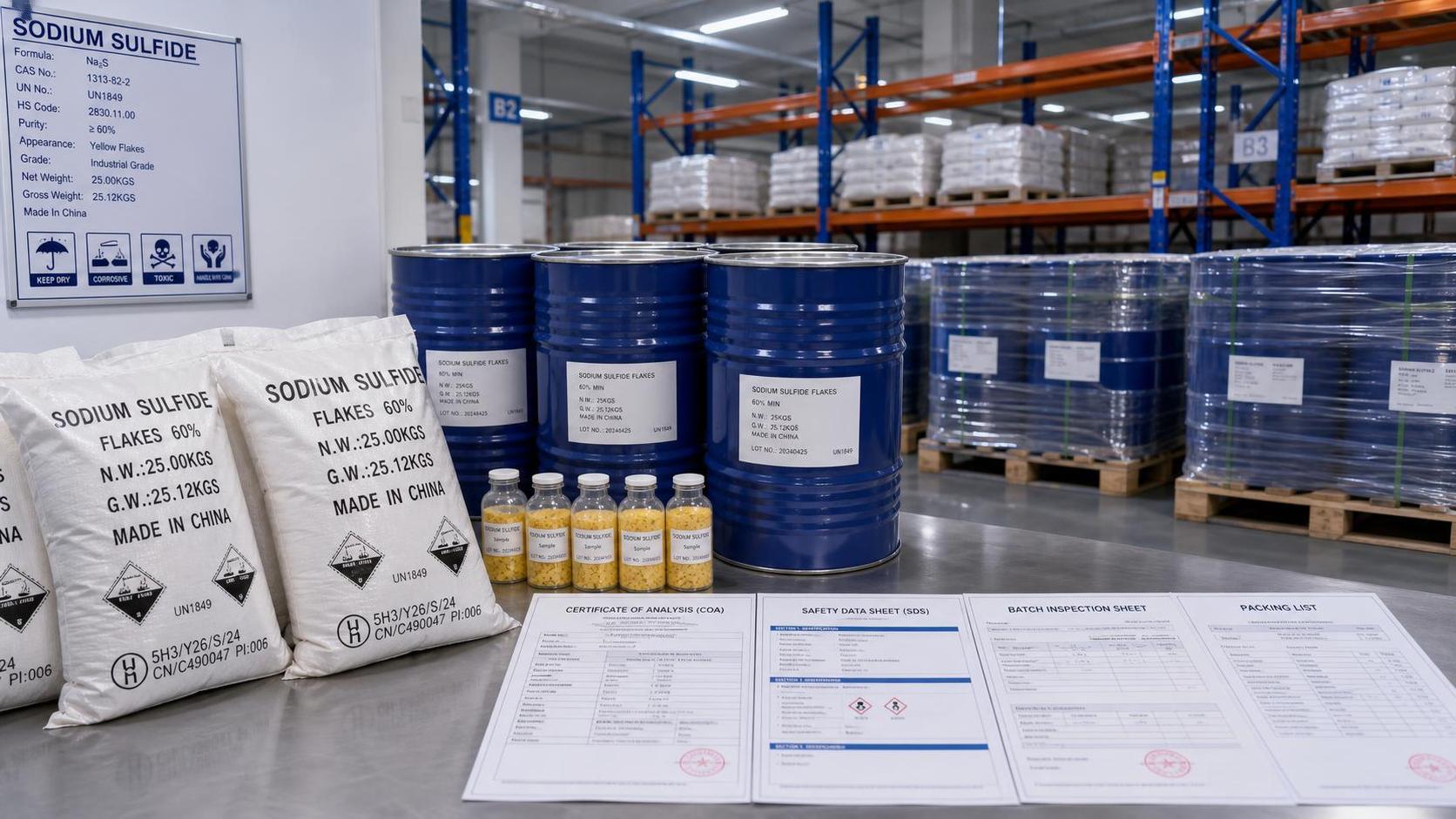
If the purchase is material to production, do a small commercial trial or at least review a full batch package before committing volume. That package should include COA, SDS, packing details, and shipment timing. For a different solvent line such as Isopropyl Acetate, buyers often focus on purity, water content, and packaging compatibility; the same habit helps here, because the discipline is the same even when the chemistry differs.
The point is not to overcomplicate a purchase. It is to avoid learning expensive lessons after the contract is signed. A supplier that can support a pilot lot, answer document questions quickly, and keep the same batch behavior over time is usually the better long-term partner.
Use a simple signing rule
Sign only when the supplier can show stable spec control, believable supply coverage, workable logistics, and contract terms that protect you when something goes wrong. If one of those pieces is weak, fix the gap before you buy. That is usually cheaper than chasing a lower quote and sorting out the damage later.
Leave A Message
If you are interested in our products and want to know more details, please leave a message here, we will reply you as soon as we can.