





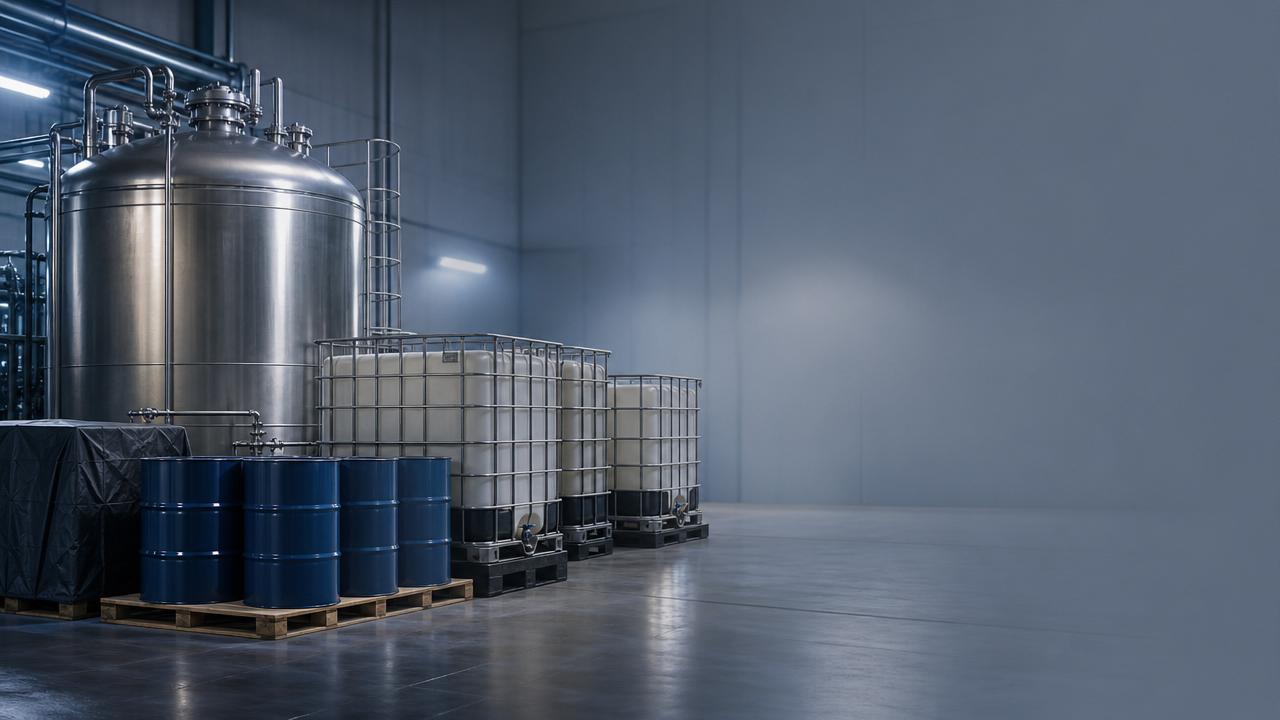
Aniline stability during storage directly affects product quality, handling safety, and downstream performance. Proper Aniline storage reduces oxidation, darkening, impurity growth, and avoidable supply issues.
In chemical distribution, stable storage conditions also support traceability, complaint reduction, and consistent delivery. This is especially important when products move through long logistics chains.
Basic Overview of Aniline Stability
Aniline is an aromatic amine widely used in dyes, rubber chemicals, pharmaceuticals, and intermediates. Its appearance and purity can change when storage conditions are poorly controlled.
Common stability risks include color change, oxidation, moisture contamination, and contact with incompatible materials. These changes may affect handling, formulation results, and customer acceptance.
Key Industry Concerns in Aniline Storage
The chemical industry pays close attention to several storage signals that influence Aniline shelf condition and operational safety.
Business Value of Controlled Aniline Storage
Well-managed Aniline storage protects not only product integrity but also commercial reliability. It helps maintain stable specifications across warehousing, transfer, and delivery stages.
Shandong JunTeng Chemical Co., Ltd. supports this process through supply chain coordination, qualified sourcing, and efficient logistics. Stable quality begins with source control and continues through storage discipline.
This approach is similar across sensitive chemical products. For example, Hydroxypropyl acrylate (HPA) also requires controlled packaging and storage to preserve reactivity and appearance.
Typical Storage Scenarios and Control Points
- Bulk tanks: use sealed systems, temperature monitoring, and limited headspace oxygen.
- Drums or IBCs: keep tightly closed, shaded, and away from heat sources.
- Transit storage: avoid prolonged sun exposure and repeated temperature cycling.
- Returned goods: inspect color, odor, seal condition, and contamination before restocking.
Container and Environment Selection
Aniline should be stored in compatible, clean, dry containers. Good sealing is essential to reduce air and water contact during storage and handling.
A cool, ventilated, and low-light warehouse is preferred. Segregation from oxidizers and reactive substances should be part of routine chemical management.
Practical Recommendations for Stable Aniline Quality
- Control storage temperature within a stable, moderate range.
- Minimize direct sunlight and strong artificial light exposure.
- Reduce air exposure during sampling, transfer, and repacking.
- Check seals, labels, and container cleanliness regularly.
- Apply FIFO stock rotation and keep batch records complete.
For other reactive liquid chemicals, such as Hydroxypropyl acrylate, inhibitor level, water content, and nitrogen protection may also be critical control items.
Next-Step Storage Review
A practical Aniline storage review should cover temperature records, light protection, container compatibility, and air exposure points. Small corrections often prevent larger quality deviations.
With disciplined storage control and dependable supply support, Aniline can remain consistent from warehouse entry to end use, improving safety, performance, and delivery confidence.
Leave A Message
If you are interested in our products and want to know more details, please leave a message here, we will reply you as soon as we can.