





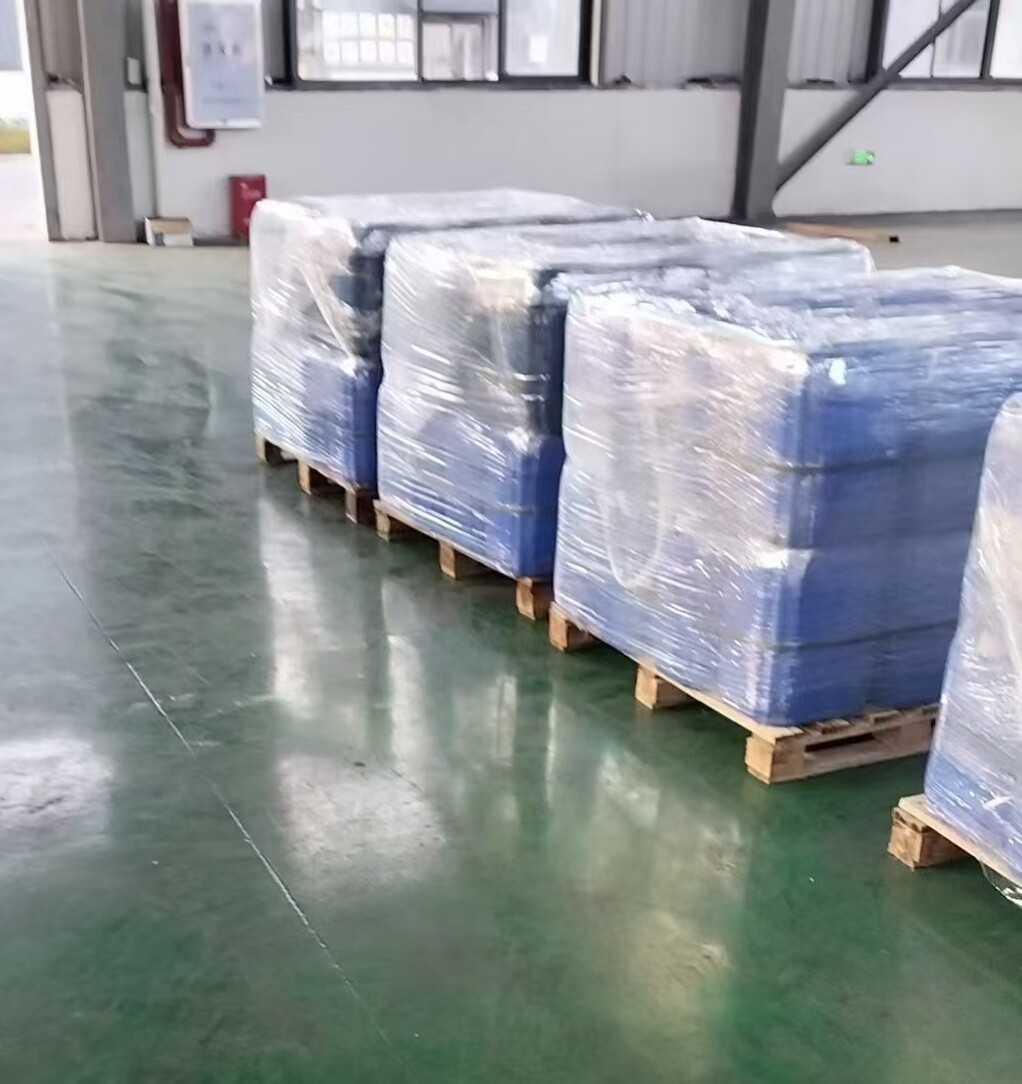
Best Practices for Storing and Handling Isobutanol in Wastewater Treatment Plants
Isobutanol is a critical solvent widely used in petrochemicals and wastewater treatment due to its excellent solvency and moderate evaporation rate. Proper storage and handling protocols are essential to ensure operational safety, environmental compliance, and cost efficiency. This guide provides actionable insights for chemical safety officers and quality control personnel.
Why Isobutanol is Essential for Wastewater Treatment and Petrochemicals
Isobutanol serves multiple functions in industrial applications:
- Effective solvent for organic compounds in wastewater treatment
- Key intermediate in petrochemical synthesis
- Extraction agent for various chemical processes
- Fuel additive component
Factory Direct Advantages: Cost and Quality Benefits
Purchasing isobutanol directly from manufacturers like Shandong JunTeng Chemical offers significant advantages:
Optimal Storage Conditions for Isobutanol
Proper storage extends product life and maintains chemical integrity:
- Store in cool, dry, well-ventilated areas away from direct sunlight
- Maintain temperature between 15-30°C (59-86°F)
- Use corrosion-resistant containers (stainless steel or polyethylene)
- Keep away from oxidizers and strong acids
- Implement secondary containment for spill prevention
Safe Handling Procedures for Industrial Applications
Follow these protocols to minimize risks:
- Use appropriate PPE (chemical goggles, gloves, respirators)
- Implement local exhaust ventilation
- Prohibit eating, drinking, or smoking in handling areas
- Establish emergency shower/eyewash stations nearby
- Train personnel on SDS information and first aid measures
Investment Analysis: Factory Direct vs. Traditional Procurement
Frequently Asked Questions
Q: What concentration of isobutanol is most effective for wastewater treatment?
A: Optimal concentrations range between 0.5-2.5% depending on the specific contaminants. Higher concentrations may require additional safety measures.
Q: How does factory-direct purchasing impact our environmental compliance?
A: Direct procurement ensures proper documentation of chemical composition and handling guidelines, simplifying regulatory compliance by 30-40% compared to multi-tier supply chains.
Q: Can isobutanol be stored with other industrial chemicals like Boric Acid?
A: No. While Boric Acid (H₃BO₃) is stable for various industrial applications, it should be stored separately from organic solvents like isobutanol to prevent potential reactions.
Partner with Trusted Chemical Suppliers
Shandong JunTeng Chemical provides high-purity isobutanol directly from production facilities, ensuring quality consistency and cost efficiency. Our decade of experience in chemical trading, backed by partnerships with leading petrochemical companies, guarantees reliable supply for your wastewater treatment and industrial needs.
Leave A Message
If you are interested in our products and want to know more details, please leave a message here, we will reply you as soon as we can.