





Global Methanol Market Overview: Supply-Demand Dynamics
The methanol industry is experiencing transformative shifts as emerging applications in energy, construction, and chemical manufacturing drive unprecedented demand. With Asia-Pacific accounting for 65% of global consumption in 2024, procurement specialists must understand how regional production capacities and feedstock availability impact bulk purchasing strategies. Shandong JunTeng Chemical's decade-long partnerships with BASF Germany and Sinopec provide unique visibility into these supply chain dynamics, particularly for projects requiring pharmaceutical-grade methanol or large-scale industrial applications. Current market indicators suggest a 4-6% annual demand growth through 2026, with price volatility primarily influenced by natural gas costs in producing regions and maritime logistics constraints.
Price Forecasting Methodology for Bulk Purchases
Accurate budget planning requires analyzing three critical price drivers: feedstock economics (natural gas vs. coal-based production), regional inventory levels, and derivative demand from sectors like Hydroxypropyl acrylate (HPA) manufacturing. Our proprietary forecasting model, developed through collaborations with Qilu Petrochemical and Yanshan Petrochemical, identifies Q2 2025 as an optimal procurement window with projected prices between $380-$420/ton CFR Asia. Project managers should note that transportation costs now constitute 18-22% of total landed costs for European buyers, making supplier selection based on logistics networks equally crucial as base price negotiations.
Strategic Procurement Framework for Engineering Projects
For large-scale infrastructure projects requiring methanol for adhesives or wastewater treatment applications, we recommend a tiered procurement approach:
- Volume Allocation: 60% fixed-price contracts with premium suppliers like Luxi Chemical to ensure baseline supply
- Market Flexibility: 30% spot purchases timed to quarterly price dips
- Risk Mitigation: 10% option contracts with logistics partners for emergency replenishment
Quality Assurance Protocols for Industrial Buyers
Methanol purity standards vary significantly between fuel applications (ASTM D1152) and pharmaceutical uses (USP-NF grade). Through our ISO 9001-certified quality control pipelines with Weiyuan Chemical and Qingdao Petrochemical, we implement:
Logistics Optimization for Cost-Sensitive Buyers
Our integrated supply chain with Binzhou Petrochemical and Shijiazhuang Refinery demonstrates how regional warehouse positioning can reduce methanol procurement costs by 12-15%. Key strategies include:
- Pre-positioning inventory in bonded zones near major industrial clusters
- Utilizing ISO tank pools for flexible multimodal transport
- Implementing just-in-time delivery protocols for construction chemical applications
Emerging Alternatives and Their Economic Viability
While bio-methanol and CO2-derived methanol present sustainability advantages, their current $580-$720/ton price points remain prohibitive for most bulk buyers. Through our technology scouting partnership with Lihuayi Group, we've identified transitional solutions like methanol-blended formulations with Hydroxypropyl acrylate (HPA) that achieve 20-30% cost savings while meeting environmental regulations. Project managers should evaluate these hybrid approaches when planning 2026+ budgets.
Why Choose JunTeng Chemical for Your Methanol Supply
With ten years of specialized chemical trading experience, our value proposition extends beyond competitive pricing:
- Supply Chain Resilience: Dual sourcing from coal-based and natural gas-based producers
- Technical Support: On-site quality verification teams available for major projects
- Regulatory Expertise: Full documentation for REACH, TSCA, and GHS compliance
Contact Our Procurement Specialists Today
For customized methanol procurement strategies tailored to your project timeline and quality requirements, request a consultation with our supply chain engineers. Leverage our partnerships with 14 Fortune 500 chemical producers to secure your 2025-2026 methanol supply at optimal market conditions.
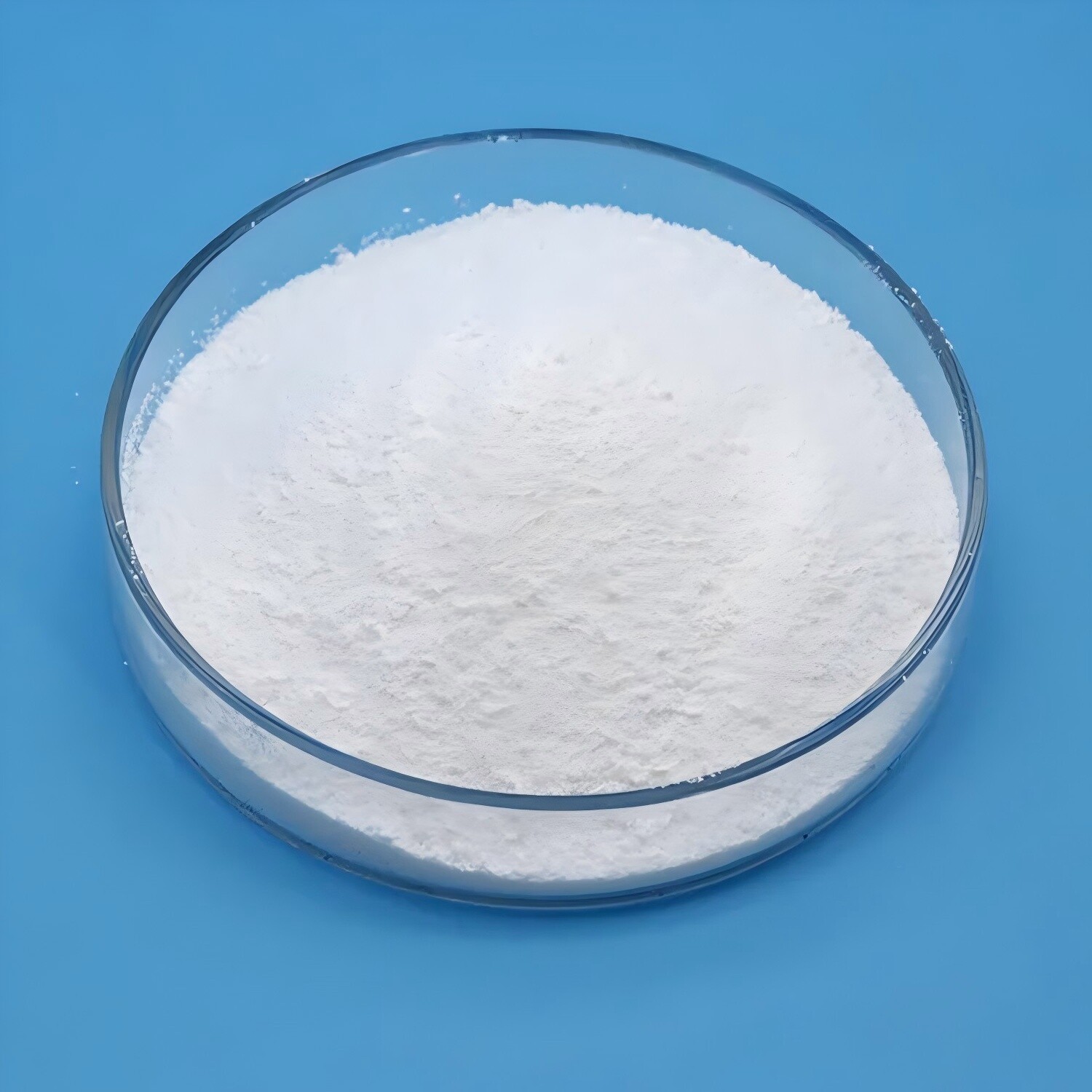
 Cream of tartarPotassium bitartrate, also known as potassium dihydrogen tartrate, is a white crystalline powder widely used in food, pharmaceutical, and chemical industries. In the food industry, it serves as a leavening agent and acidulant for baked goods and beverage preparation; in pharmaceuticals, it functions as a laxative component; and in chemicals, it is employed in electroplating and as a pharmaceutical intermediate.
As a specialized supplier, we possess distinct core advantages.Strict quality control ensures purity exceeding 99% with zero heavy metal residues.Stable production capacity enables rapid fulfillment of bulk orders.Offering diverse packaging options including 25kg bags and ton bags, with custom repackaging available. Post-sales response time guaranteed within 2 hours.Phosphate (TDCP)") Tris(1,3-Dichloropropyl)Phosphate (TDCP)TDCPP (tris(1,3-dichloro-2-propyl) phosphate) is an additive organophosphate flame retardant with CAS number 13674-87-8. It is mainly used in the production of materials such as polyurethane foam, polyvinyl chloride, and epoxy resin, and has technical characteristics such as high flame retardant efficiency and strong hydrolytic resistance.
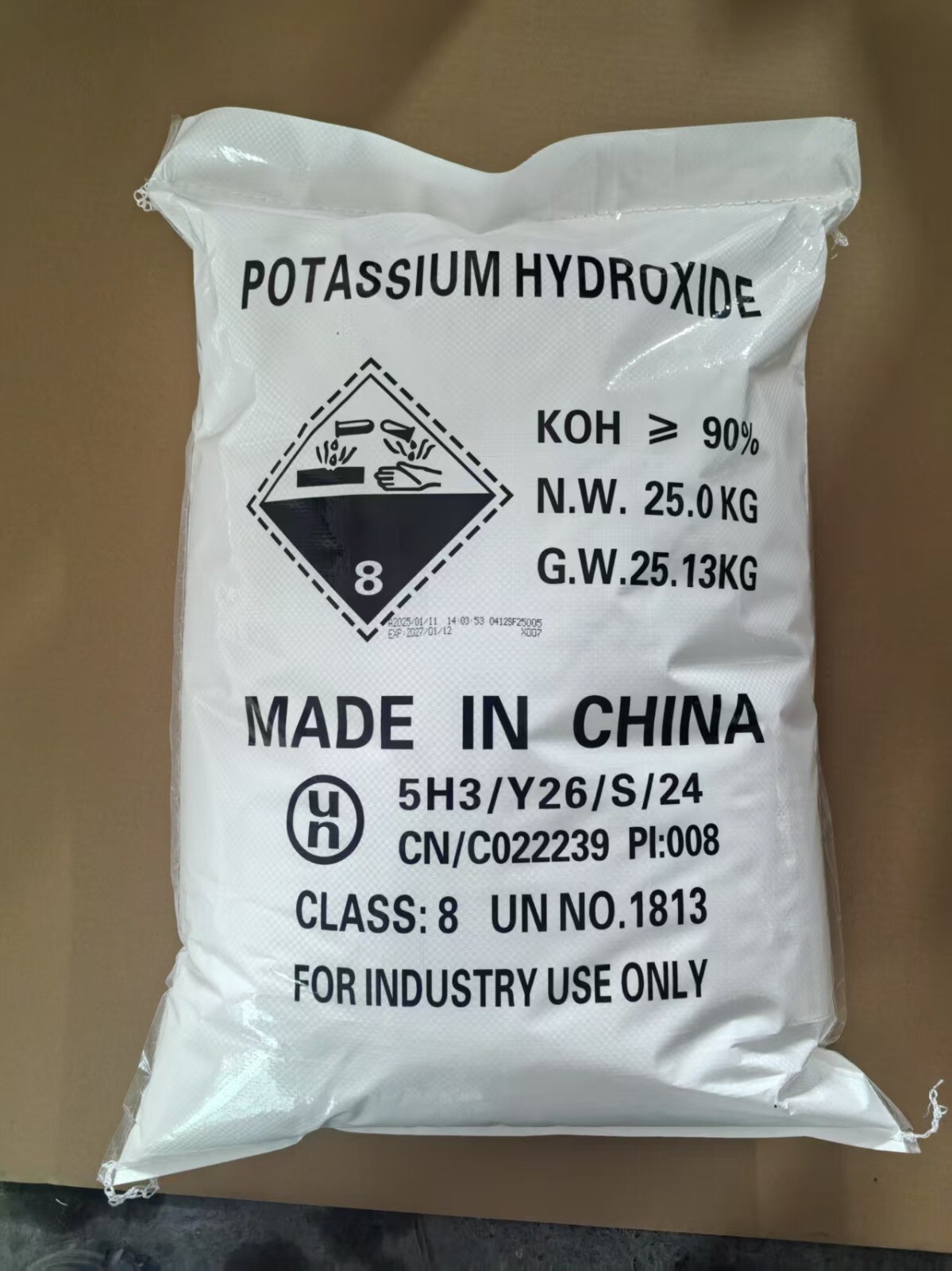
Tris(1,3-Dichloropropyl)Phosphate (TDCP)TDCPP (tris(1,3-dichloro-2-propyl) phosphate) is an additive organophosphate flame retardant with CAS number 13674-87-8. It is mainly used in the production of materials such as polyurethane foam, polyvinyl chloride, and epoxy resin, and has technical characteristics such as high flame retardant efficiency and strong hydrolytic resistance. Potassium hydroxidePotassium hydroxide, also known as "caustic potash," has the chemical formula KOH. It is a common strong alkaline inorganic compound, usually appearing as white flakes. It dissolves easily in water and ethanol, releasing a lot of heat during dissolution, and it readily absorbs moisture and carbon dioxide from the air.
Leave A Message
If you are interested in our products and want to know more details, please leave a message here, we will reply you as soon as we can.