





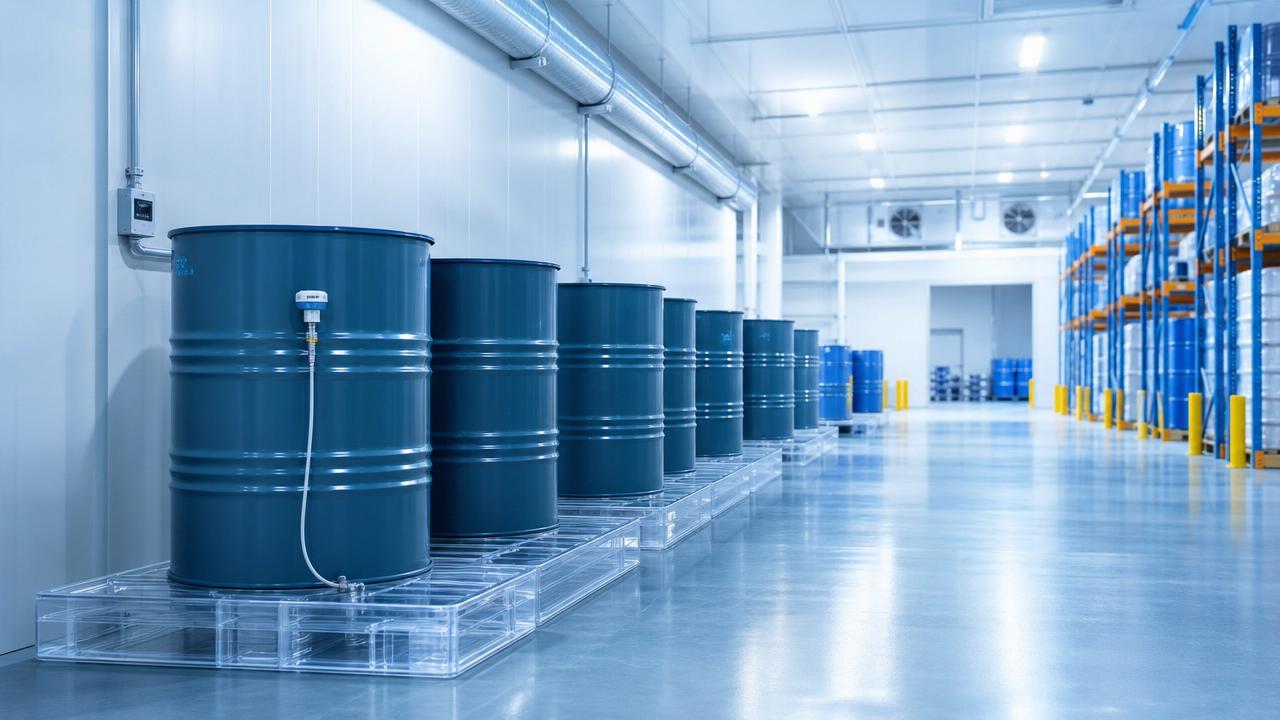
Butyl Methacrylate is a valuable chemical raw material, but improper storage temperature can affect its stability, handling safety, and downstream application performance. For operators and daily users, understanding temperature control requirements is essential to prevent polymerization risks, product degradation, and unnecessary production losses. This article explains why controlled storage conditions matter, what practical precautions should be taken, and how reliable supply chain support from JunTeng Chemical helps ensure consistent quality, safe handling, and timely delivery for industrial users.
Why Temperature Control Matters for Butyl Methacrylate Storage
Butyl Methacrylate is commonly used in coatings, adhesives, plastics modification, resins, and specialty polymer systems. For operators, its storage condition is not a background detail; it directly affects daily handling safety and production reliability.
Like many methacrylate monomers, Butyl Methacrylate may be supplied with inhibitors to help maintain stability. However, inhibitor performance depends on suitable storage temperature, oxygen availability, container integrity, and stock rotation.
Key risks caused by unsuitable storage temperature
When temperature rises for long periods, the risk of unwanted polymerization increases. In practical warehouse management, operators should avoid exposure to heat sources, direct sunlight, and poorly ventilated storage rooms.
A common industrial target is to keep methacrylate monomers in a cool, dry, ventilated area, often within a controlled range such as 5°C–30°C, depending on supplier documentation and local safety rules.
Operational symptoms that require attention
- Unusual container pressure, bulging, or leakage during inspection.
- Unexpected viscosity increase, turbidity, or gel-like material before use.
- Strong odor changes, abnormal heat, or residue around drum openings.
- Storage records showing exposure above recommended limits for several hours.
The following table summarizes practical temperature-related concerns for Butyl Methacrylate users. These points help warehouse staff and line operators establish inspection priorities before production starts.
The most important conclusion is simple: temperature control is part of product quality control. A stable warehouse environment protects both the material and the people who handle it.
Practical Storage Procedures for Operators and Daily Users
Operators need clear, repeatable procedures rather than vague instructions. For Butyl Methacrylate, practical storage management should cover receiving inspection, labeling, segregation, temperature logging, and emergency response.
Before unloading, confirm that the packaging is intact, the batch information is readable, and the safety documents are available. If a drum arrives hot, leaking, or visibly deformed, quarantine it immediately.
A 5-step handling checklist
- Verify product name, batch number, net weight, and delivery document consistency.
- Measure or record warehouse temperature before moving the material into storage.
- Keep containers sealed when not in use to reduce contamination and vapor release.
- Apply first-in, first-out stock rotation, especially for materials stored over 30 days.
- Report abnormal odor, heat, color change, or pressure signs before opening containers.
Segregation and compatibility control
Butyl Methacrylate should be stored away from strong oxidizers, strong acids, strong bases, ignition sources, and incompatible reactive chemicals. A separation distance of several meters is common in many chemical warehouses.
For mixed chemical users, storage zoning is also important. Inorganic salts, solvents, monomers, and additives should have clearly marked areas, reducing cross-contamination and operator confusion during shift changes.
For example, JunTeng Chemical also supplies Disodium Phosphate(DSP), a white crystalline phosphate used in water treatment, buffer solutions, food processing, agriculture, textiles, adhesives, and coatings. Its weakly alkaline pH range of 8.8–9.2 and high water solubility require different storage logic from methacrylate monomers.
This comparison reminds operators that every chemical category has specific requirements. Treating all drums, bags, and crystals the same way can increase safety risks and quality problems.
Temperature Monitoring, Documentation, and Quality Preservation
Temperature control becomes reliable only when it is measured and recorded. A warehouse thermometer is useful, but digital logging at 15-minute or 60-minute intervals provides better traceability.
For industrial users, records should include arrival time, storage location, ambient temperature, container condition, and transfer date. These 5 data points support internal audits and help identify avoidable losses.
Recommended monitoring levels
The following table gives a practical monitoring framework for Butyl Methacrylate storage. Exact limits should always be checked against the supplier’s SDS, technical data sheet, and local regulations.
The table highlights an important point: temperature management is connected with inventory management. Even if the storage room is suitable, excessive holding time can still create uncertainty.
What to do during hot seasons
In many regions, summer storage requires additional attention. Operators may need to increase inspection frequency, avoid noon unloading, and use shaded transfer routes when ambient temperature exceeds 30°C.
If temperature deviation occurs, do not rely on appearance alone. Isolate the affected batch, check documentation, contact the supplier, and confirm whether additional quality evaluation is necessary before use.
Procurement and Supply Chain Support from JunTeng Chemical
Stable storage begins before the material reaches the user. Reliable sourcing, proper packaging, timely logistics, and complete documents all influence the condition of Butyl Methacrylate upon arrival.
Shandong JunTeng Chemical Co., Ltd., located in Jinan, Shandong Province, has 10 years of experience in chemical trading. The company focuses on one-stop chemical procurement solutions for industrial customers.
Why supplier reliability affects daily operation
For operators, an unstable supply chain may lead to emergency unloading, mixed batches, insufficient documentation, or storage pressure during peak production. These problems increase workload and risk.
JunTeng Chemical has built long-term cooperative relationships with well-known domestic and international enterprises, including Luxi Chemical, Yanshan Petrochemical, BASF Germany, Qilu Petrochemical, and Sinopec.
This supplier network helps support genuine sourcing, stable product quality, sufficient supply, and timely delivery. For users managing 1-ton, 10-ton, or recurring monthly demand, delivery consistency is critical.
Procurement points users should confirm
- Confirm the latest SDS and technical specifications before first purchase.
- Check packaging type, shelf-life guidance, and recommended storage conditions.
- Discuss delivery timing, unloading requirements, and high-temperature logistics control.
- Ask whether batch documents can be provided for internal quality records.
- Plan reorder cycles 7–15 days ahead when production demand is continuous.
JunTeng Chemical serves users across pharmaceuticals, pesticide production, petrochemicals, adhesives, wastewater treatment, construction chemicals, food additives, detergents, fertilizers, plastics, and rubber industries.
For operators using Butyl Methacrylate in resin or coating lines, this integrated supply capability helps reduce emergency sourcing and allows safer material planning.
Common Mistakes and Practical Answers
Many storage problems come from small routine mistakes. A missing label, open drum, hot loading area, or delayed inspection can create bigger issues within 1–2 shifts.
Can Butyl Methacrylate be stored outdoors?
Outdoor storage is generally not preferred because sunlight, rain, and temperature swings are difficult to control. If temporary outdoor placement is unavoidable, use shade and secondary containment.
Is cooling always required?
Mechanical cooling is not always necessary, but a stable, cool, ventilated warehouse is strongly recommended. In hot climates, cooling or temperature alarms may be justified.
What should operators do before feeding production?
Check the batch label, storage record, container condition, and appearance. If the material has been exposed to abnormal heat, seek technical confirmation before use.
Build Safer Chemical Handling with Reliable Supply Support
Butyl Methacrylate storage needs temperature control because stability, safety, and downstream performance are closely connected. Good practice includes controlled temperature, ventilation, segregation, documentation, and trained inspection.
For daily users and operators, the goal is not complicated: keep materials stable, reduce unnecessary exposure, prevent production interruption, and maintain consistent application results batch after batch.
JunTeng Chemical combines supplier resources, supply chain management, and efficient logistics to support industrial customers with dependable chemical procurement. Contact us to consult product details, storage guidance, and customized supply solutions for your operation.
Leave A Message
If you are interested in our products and want to know more details, please leave a message here, we will reply you as soon as we can.