





Product
massage
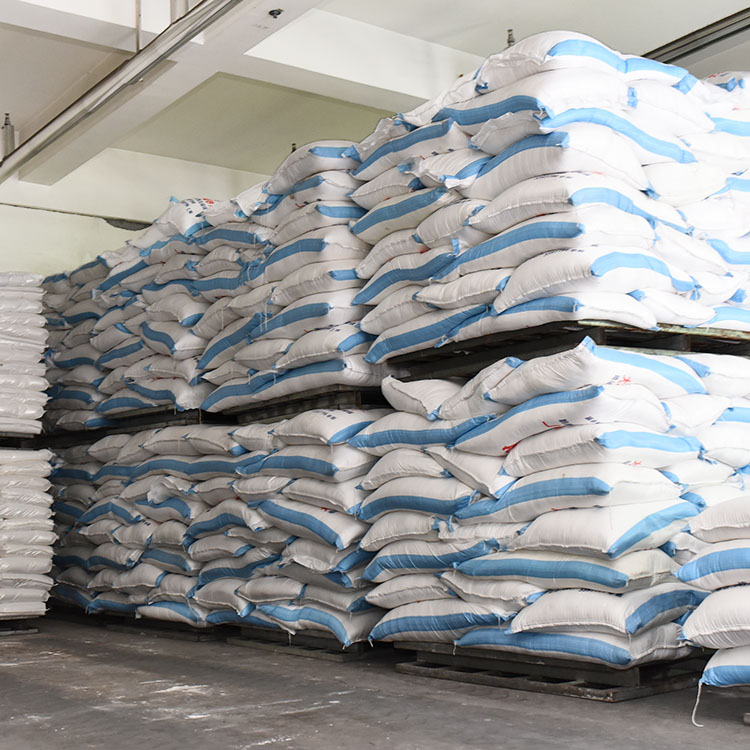

Disodium Phosphate(DSP)
Product Parameters
Basic Properties
1. Physical Properties
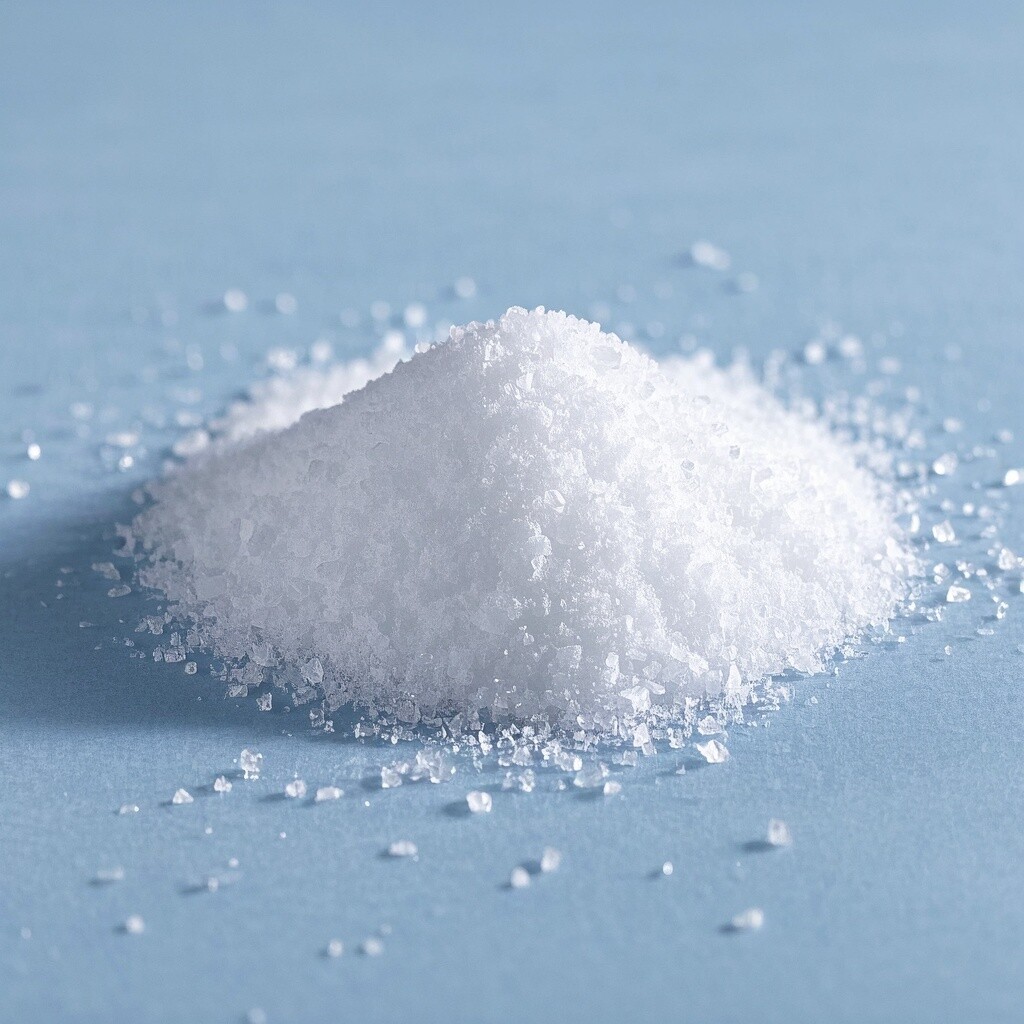
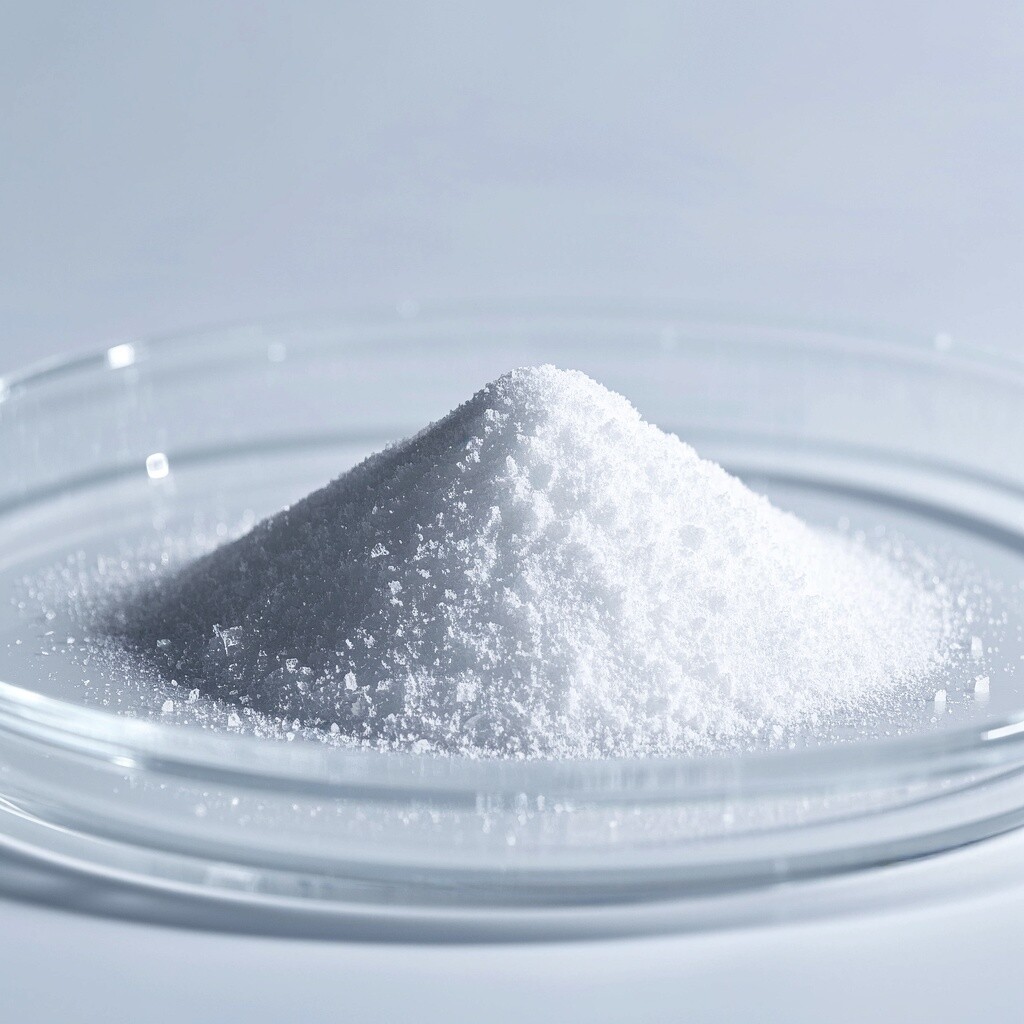
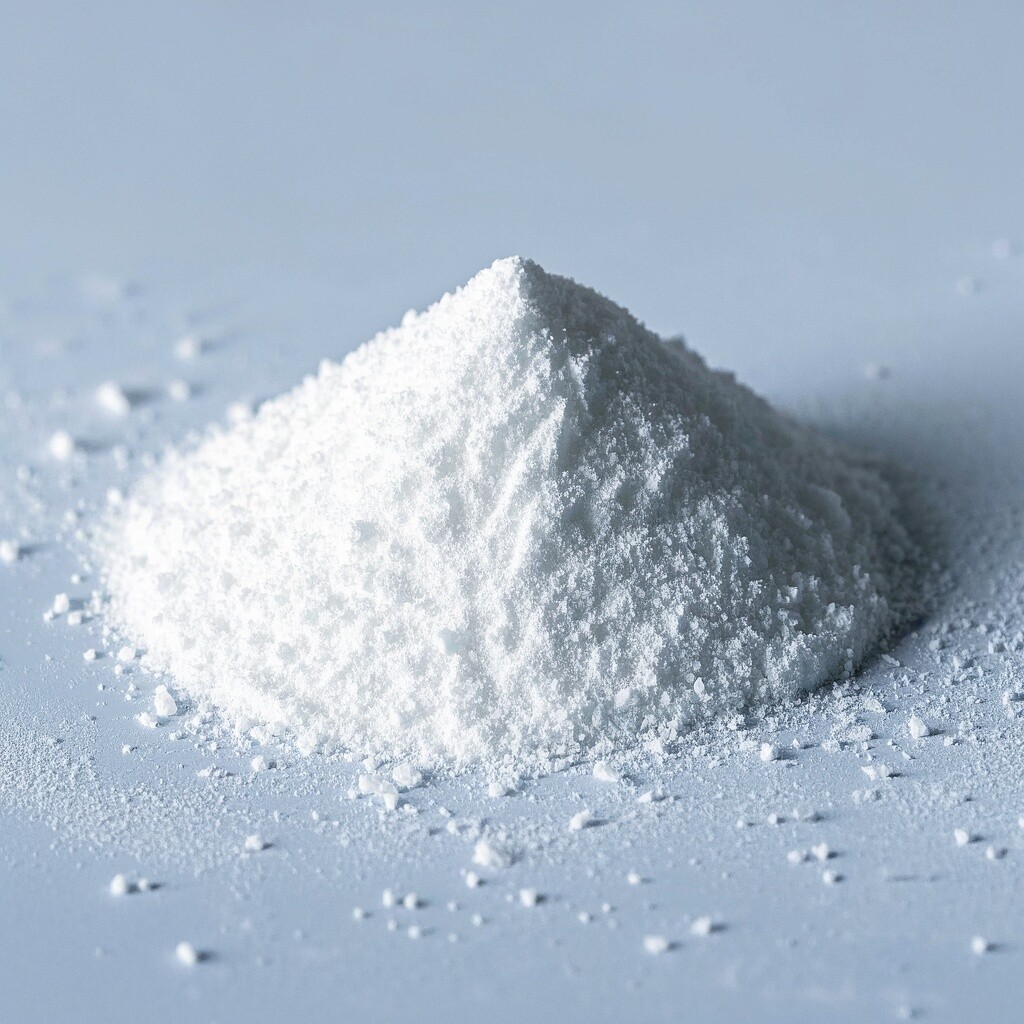
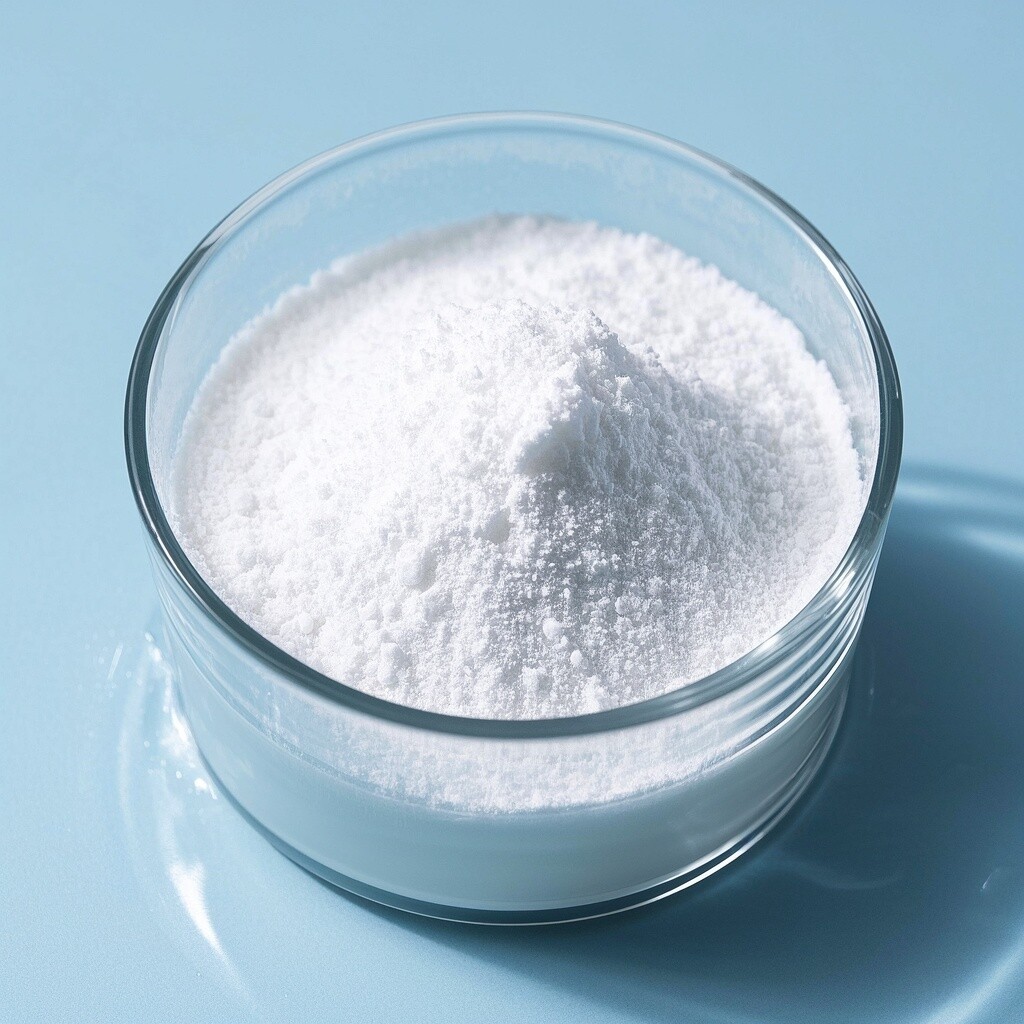
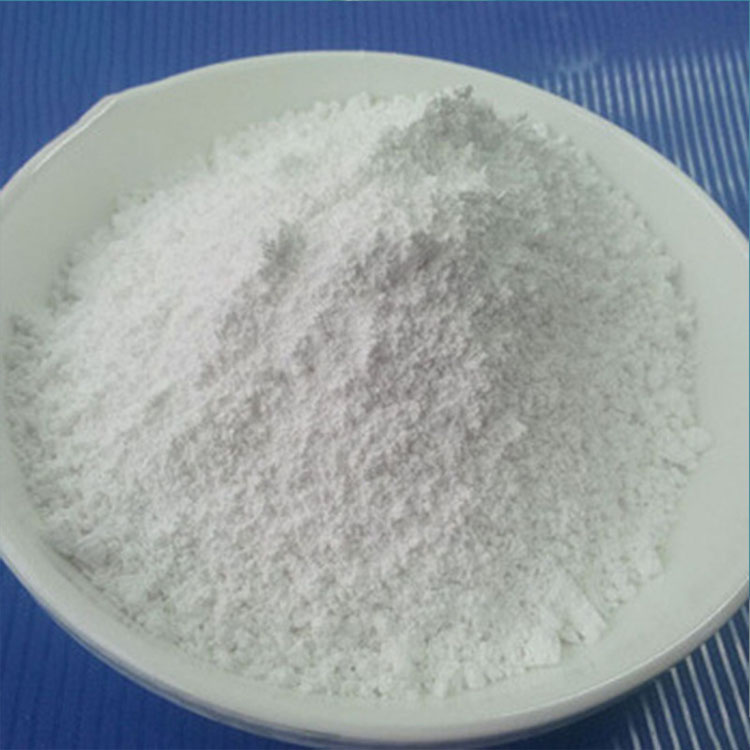
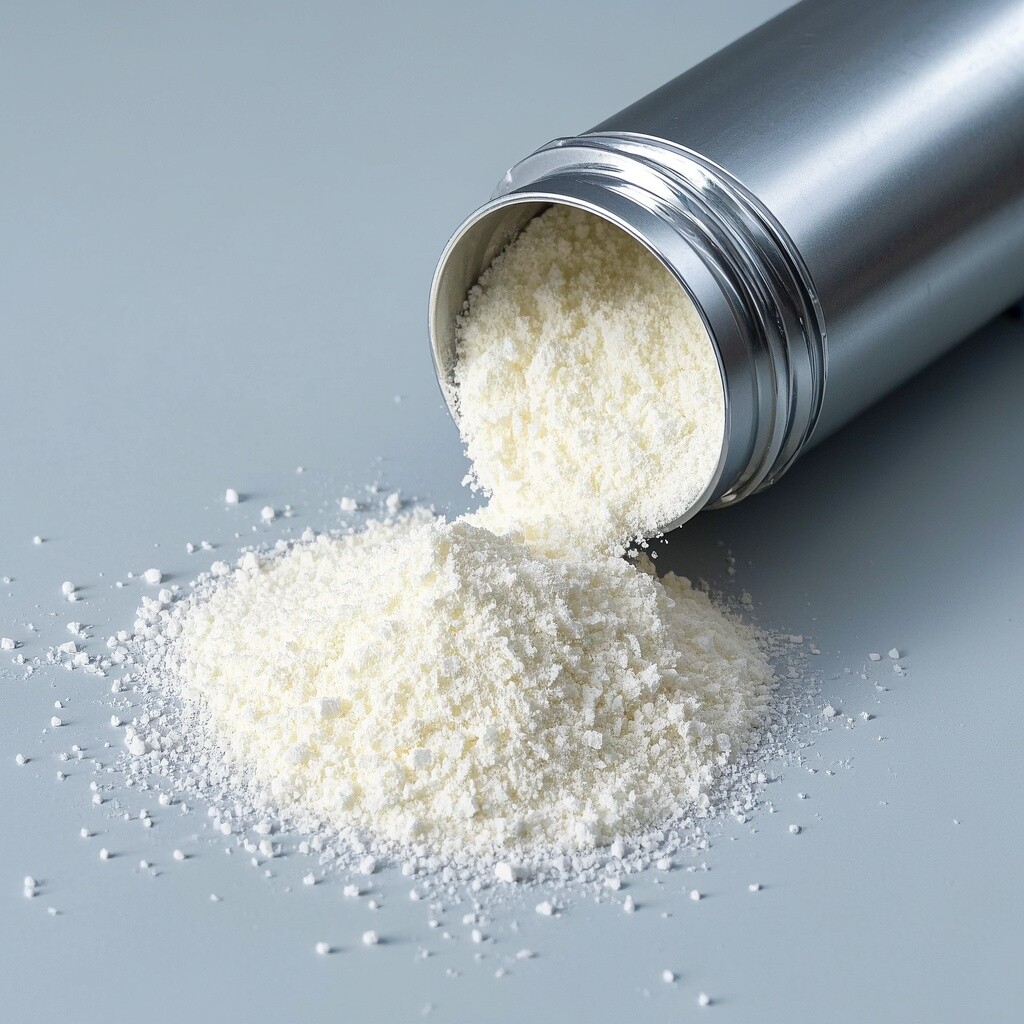
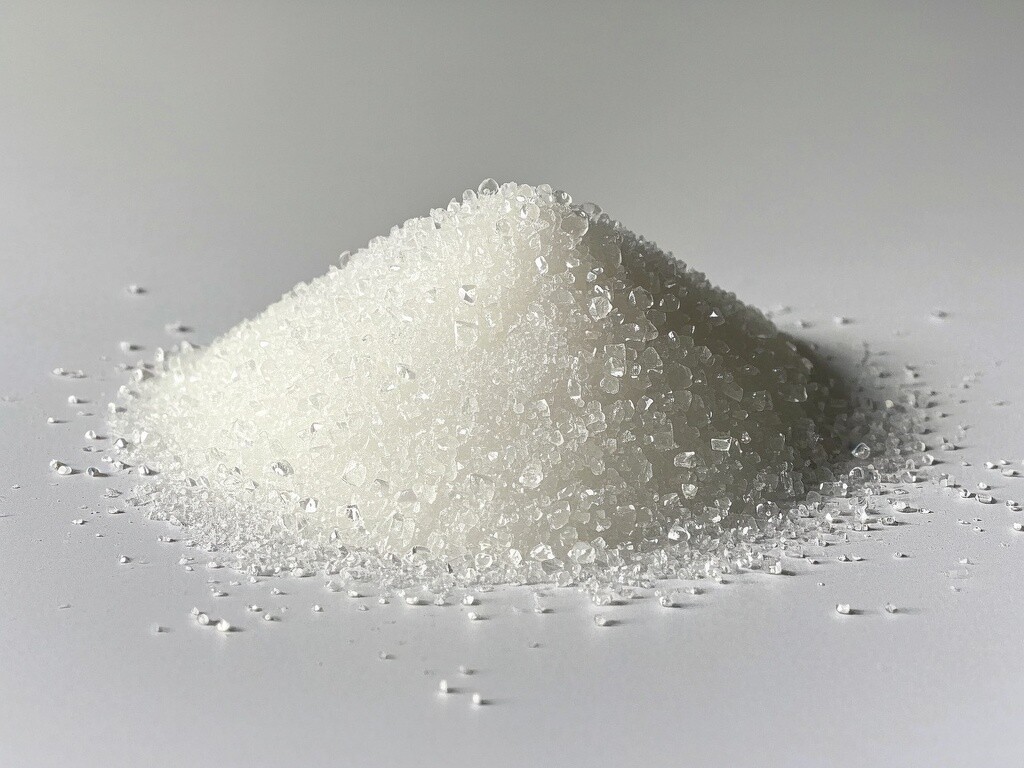
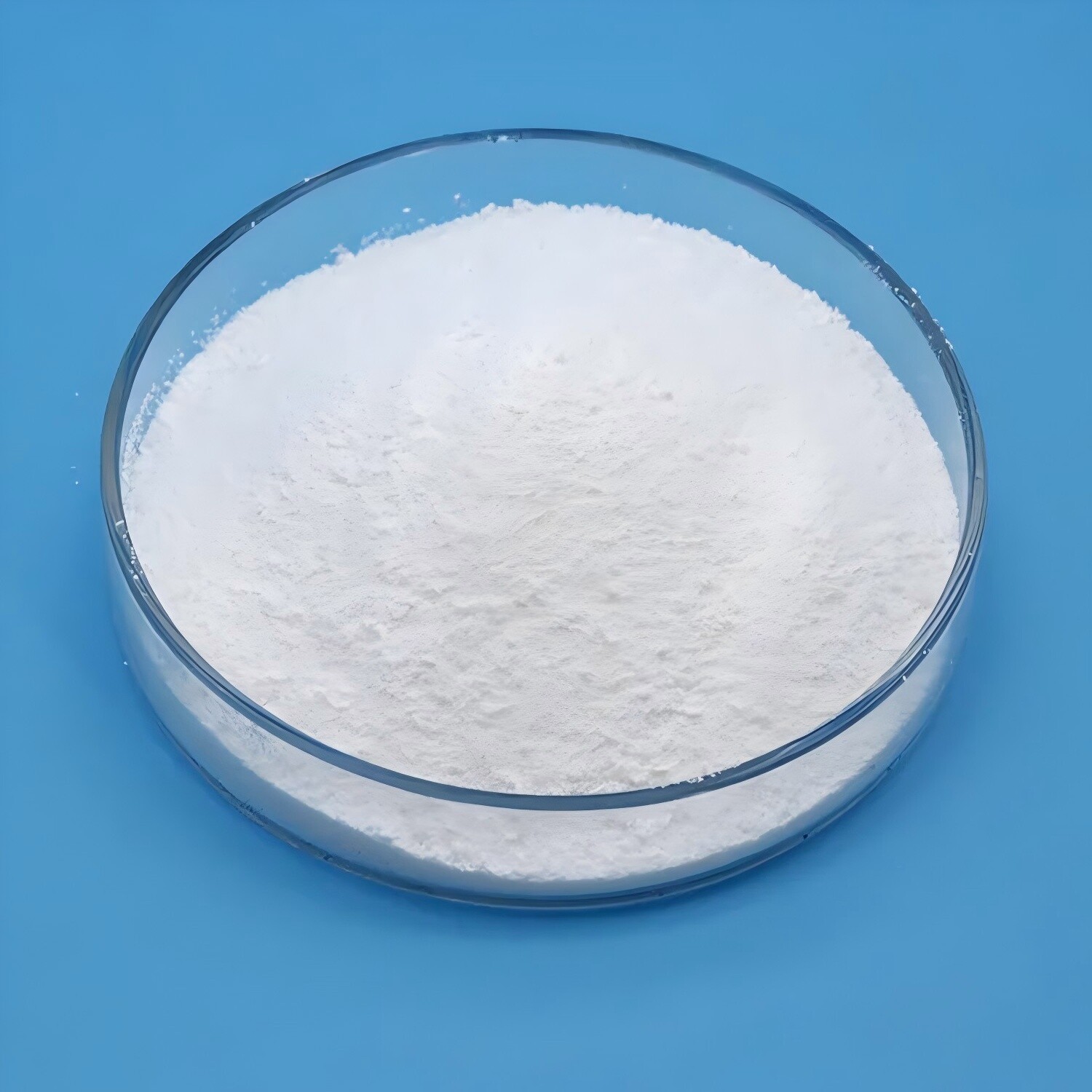
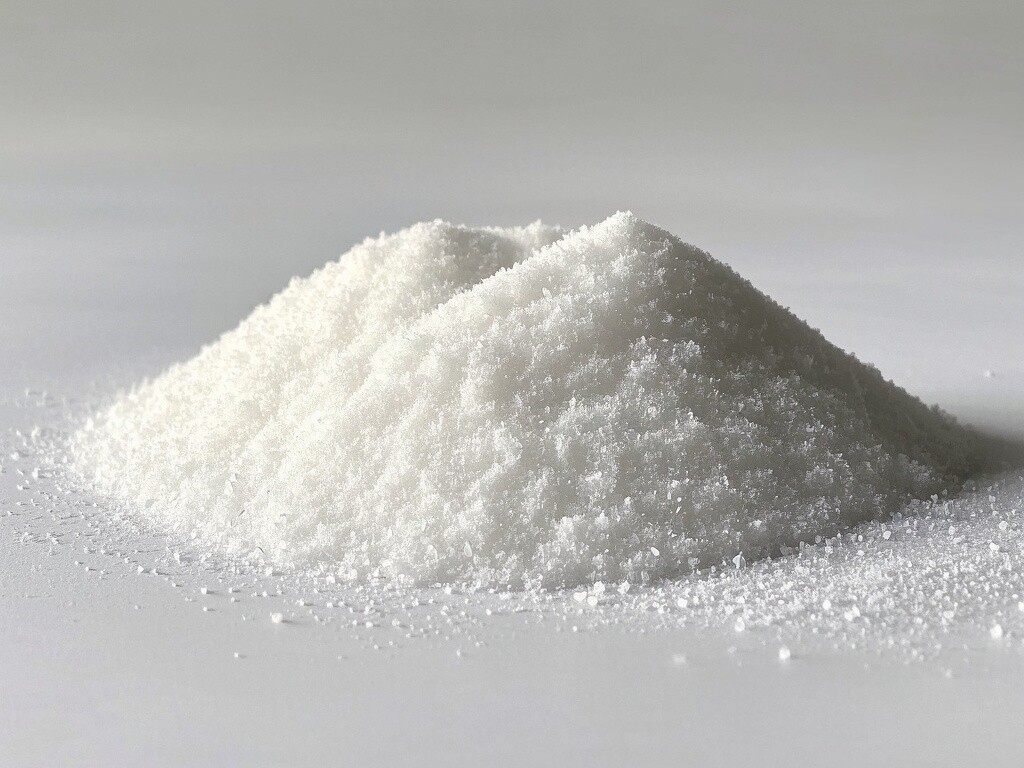
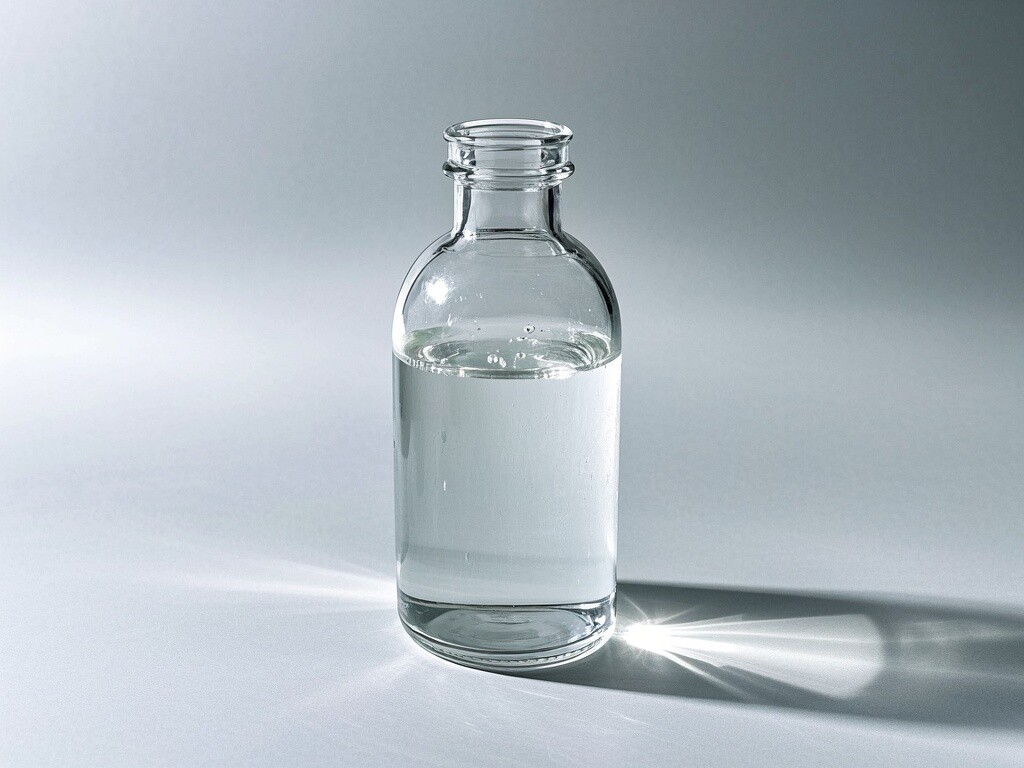
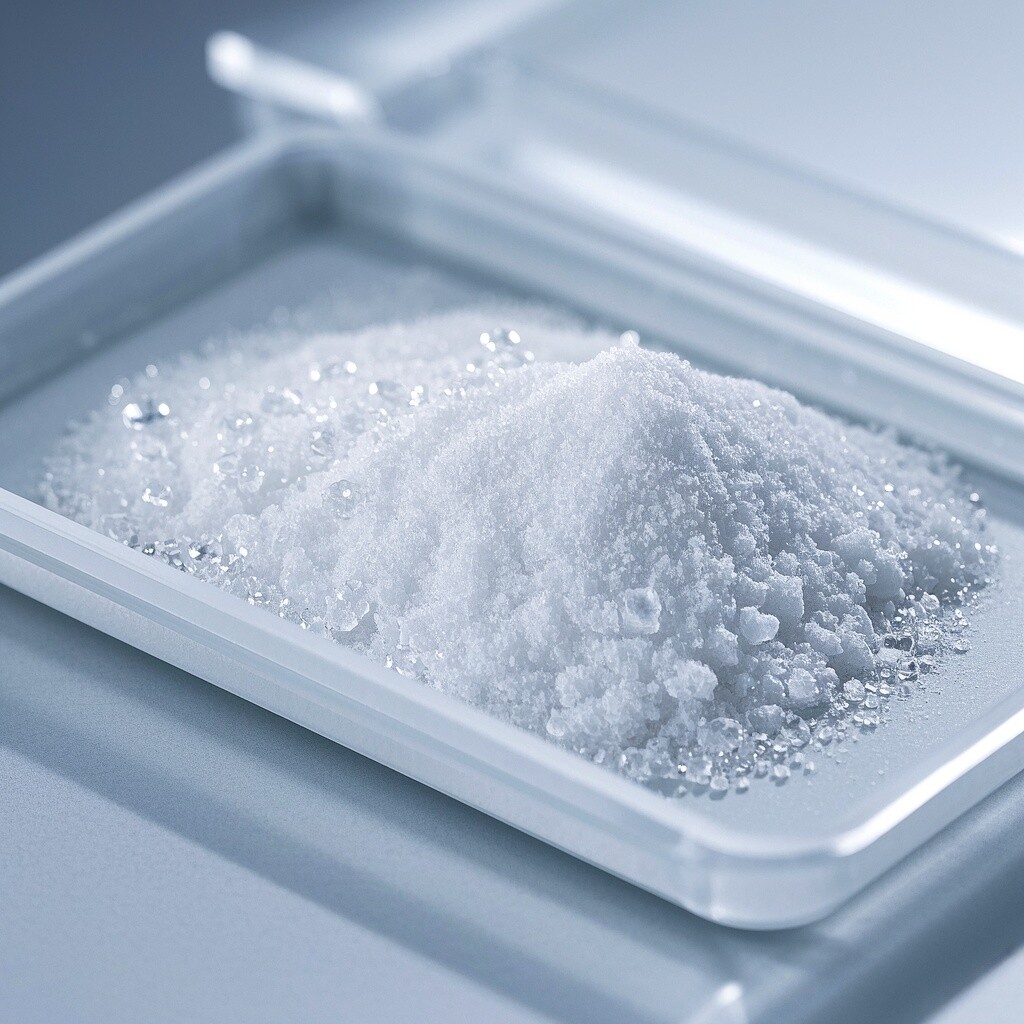
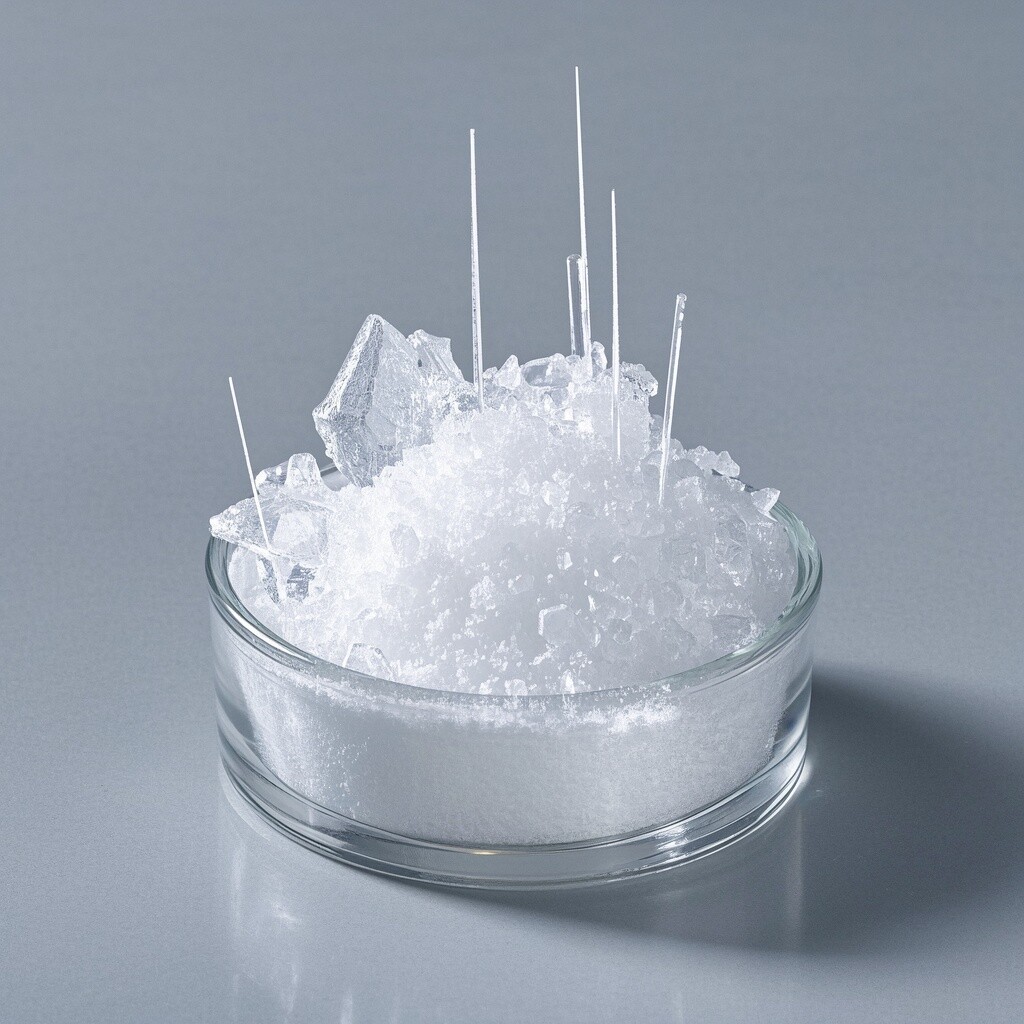
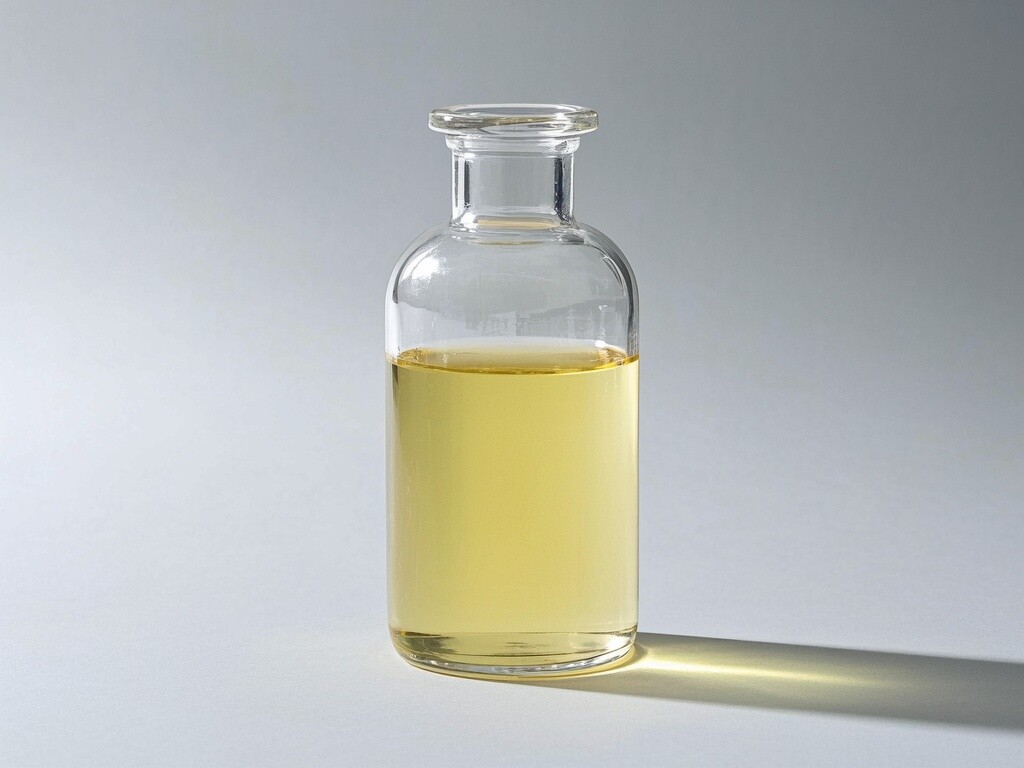
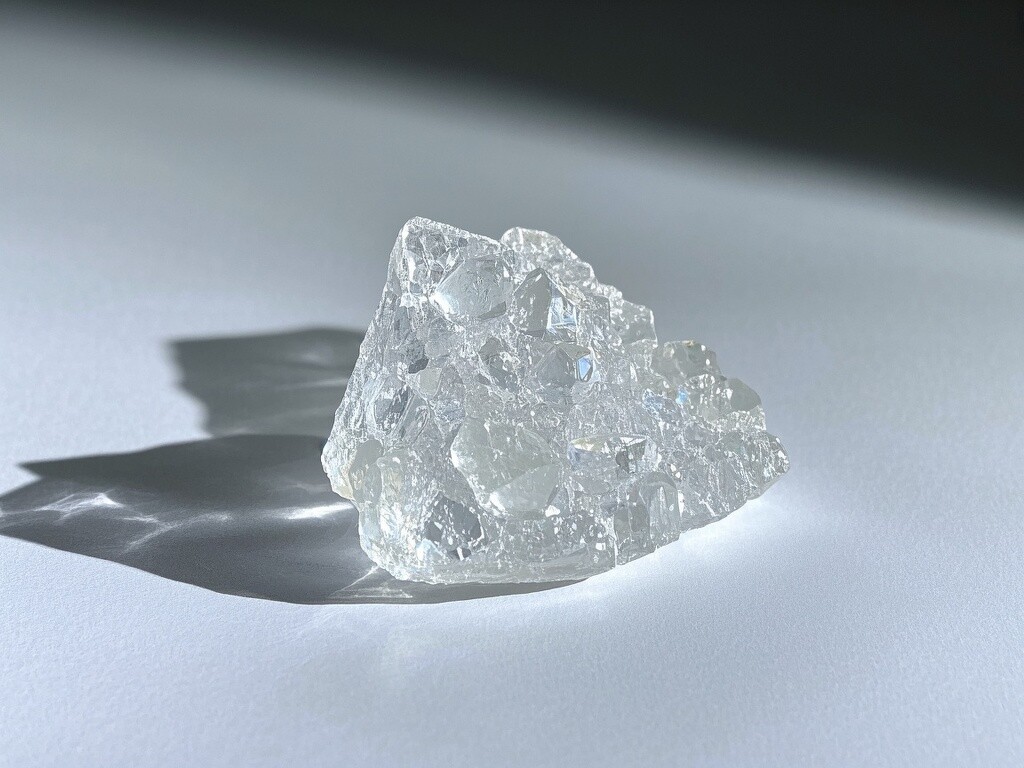
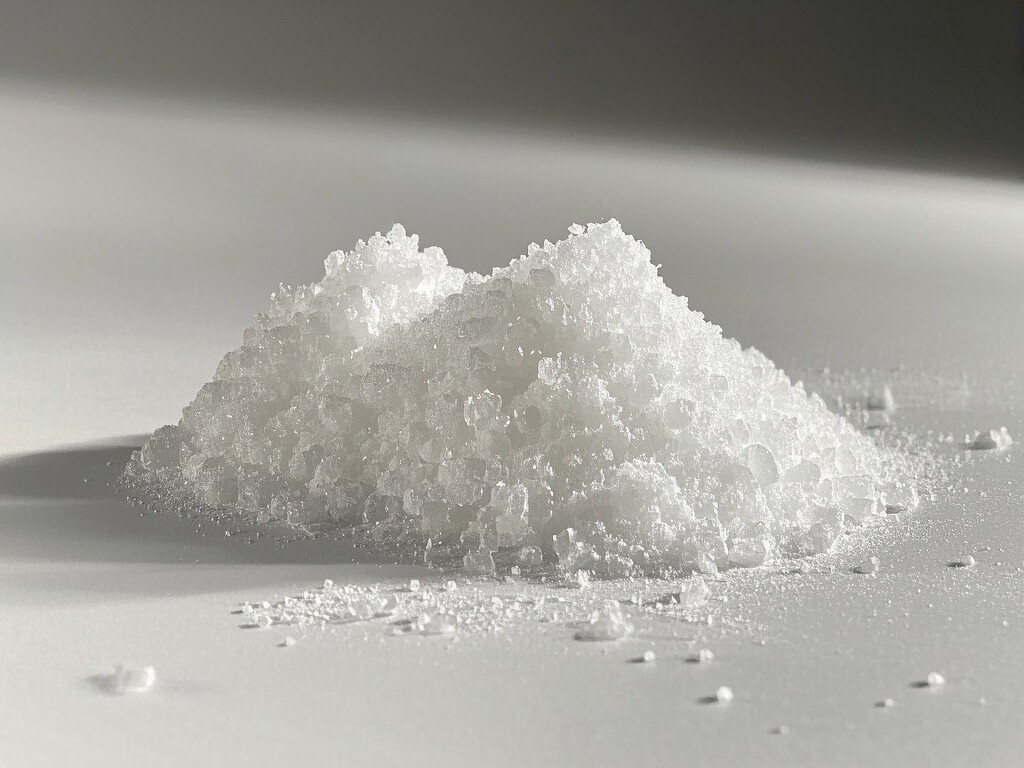
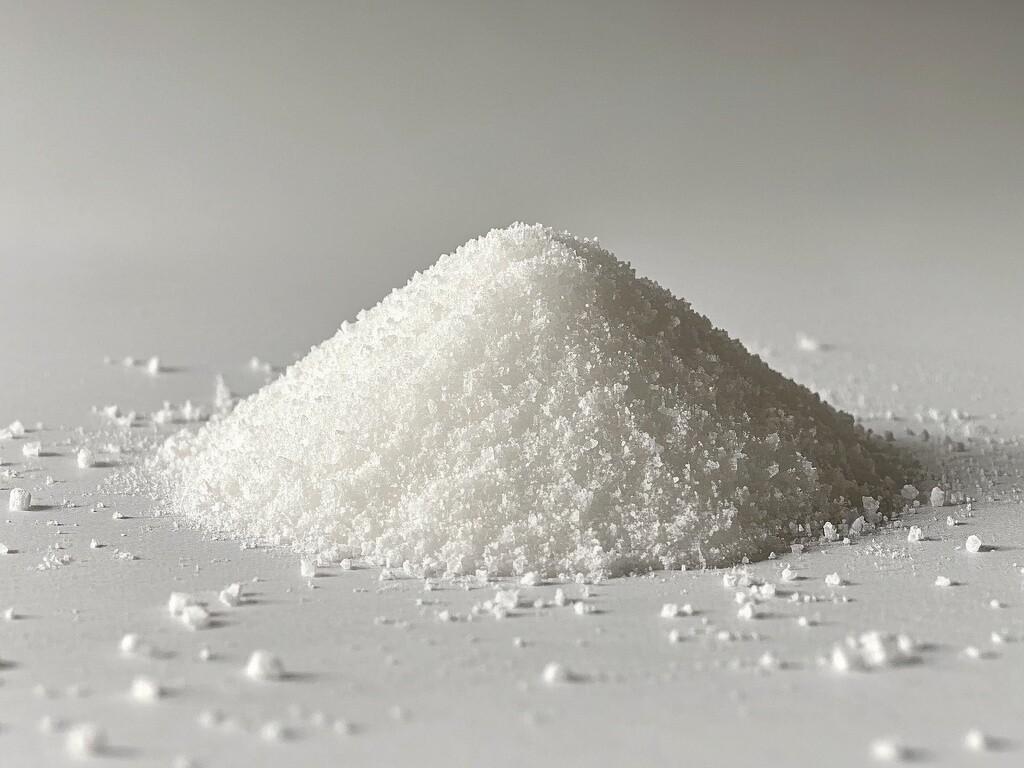
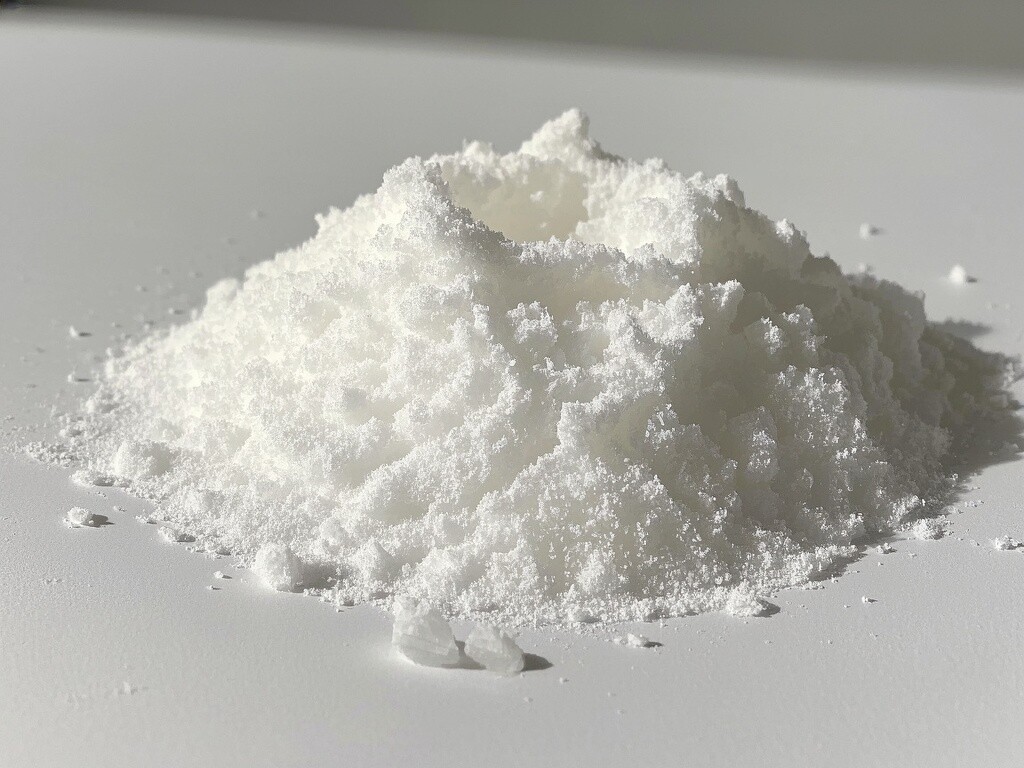
Appearance and Morphology: DSP is typically a white crystalline powder or colorless crystals. The morphology varies slightly depending on the hydrate. The dodecahydrate is a colorless, transparent monoclinic crystal, while the anhydrous form is a white powder. It is odorless, has some hygroscopic properties, and easily absorbs moisture and clumps in humid air. The hydrates gradually effloresce and lose their water of crystallization in dry environments.
Density and Melting Point: The density of anhydrous DSP is approximately 1.70 g/cm³, and the density of the dodecahydrate is 1.52 g/cm³. The melting point of the anhydrous form is approximately 252.6℃. Heating to this temperature will cause dehydration to form sodium pyrophosphate. Heating the hydrates to around 100℃ will cause them to lose their water of crystallization and transform into the anhydrous form.
Solubility: Extremely soluble in water. At 25℃, the solubility of anhydrous DSP is approximately 77 g/100 mL of water. The solubility of the hydrate is slightly lower. Its aqueous solution is weakly alkaline (pH approximately 8.8~9.2). It is insoluble in organic solvents such as ethanol and ether, and its aqueous solution has good electrical conductivity, classifying it as a strong electrolyte.
Other Physical Properties: DSP crystals possess a certain degree of optical transparency. The hydrate exhibits poor stability at room temperature and is susceptible to the gain or loss of water of crystallization due to changes in ambient humidity.
2. Chemical Properties
Acid-Base Reaction: DSP is a weakly basic phosphate. In aqueous solution, $HPO4^{2-}$ exists in hydrolysis and ionization equilibrium ($HPO4^{2-}+H_2O⇌H_2PO4^{-+OH^-$, $HPO4^{2-}⇌PO4^{3-}+H^+$), with the degree of hydrolysis exceeding the degree of ionization. It reacts with strong acids to form sodium dihydrogen phosphate ($Na₂HPO₄ + HCl = NaH₂PO₄ + NaCl$), and with strong bases to form trisodium phosphate ($Na₂HPO₄ + NaOH = Na₃PO₄ + H₂O$). It is often compounded with sodium dihydrogen phosphate to form phosphate buffer solutions.
Thermal Decomposition: When heated above 250°C, anhydrous DSP undergoes a condensation reaction to form sodium pyrophosphate ($2Na₂HPO₄ ⇌ Na₄P₂O₇ + H₂O↑$). Further heating at high temperatures can produce chain phosphates such as sodium polyphosphate.
Precipitation Reaction: Its aqueous solution can react with metal ions such as calcium, magnesium, and iron to form a white precipitate of dicalcium phosphate ($CaHPO₄$). This property can be used in water treatment to remove heavy metal ions, but in agricultural applications, its effectiveness is reduced by the influence of calcium and magnesium ions in the soil.
Complexing Properties: HPO₄²⁻ can form complexes with some metal ions, acting as a complexing agent in electroplating and metal surface treatment to stabilize the concentration of metal ions in the plating solution and improve coating uniformity.
3. Stability and Safety:
Stability: Chemically stable at room temperature and pressure. Hydrates should be protected from moisture and direct sunlight to prevent efflorescence. DSP should not be in prolonged contact with strong acids or alkalis, as this can cause acid-base reactions leading to component deterioration. Moisture absorption and clumping can affect its solubility and effectiveness.
Toxicity: DSP is a low-toxicity chemical. Small amounts of contact or ingestion pose no risk of acute poisoning. However, its aqueous solution is weakly alkaline. High concentrations may cause mild skin irritation upon contact with skin, and splashing into the eyes may cause eye discomfort. Long-term inhalation of its dust may irritate the respiratory mucosa, causing symptoms such as dry throat and cough.
Environmental Impacts: DSP has low toxicity to aquatic organisms, but large-scale discharge into water bodies can lead to excessive phosphorus levels, causing eutrophication and disrupting the aquatic ecological balance. Excessive application of DSP-containing fertilizers in agriculture can cause phosphorus accumulation in the soil and non-point source pollution of water bodies.
Main Applications
1. Food and Beverage Industry
pH Buffer and Stabilizer: This is the core application of food-grade DSP. DSP aqueous solution is weakly alkaline and can be compounded with sodium dihydrogen phosphate to form a phosphate buffer system, used to adjust the pH value of dairy products, carbonated beverages, jellies, canned goods, etc., stabilizing the flavor and texture of the products and preventing product separation and spoilage due to pH fluctuations. In fruit juice beverages, it can also inhibit the oxidative decomposition of vitamin C, extending the shelf life of the beverage.
Emulsifier and Thickener: In the production of dairy products (such as yogurt and cheese) and meat products (such as ham and sausages), DSP can be used as an auxiliary component of the emulsification system, improving the emulsification stability of milk and meat proteins, preventing oil-water separation and product water separation; it can also work synergistically with starch to enhance the water-holding capacity and elasticity of meat products, improving taste.
Nutritional Fortifier: DSP is rich in phosphorus and sodium, and can be used in infant formula, sports drinks, and nutritional supplements to supplement the minerals needed by the human body and regulate the electrolyte balance of body fluids, especially suitable for people who lose electrolytes after exercise. Fermentation Promoter: In the production of fermented foods such as bread and beer, DSP provides a phosphorus source for yeast growth, promotes yeast metabolism and reproduction, improves fermentation efficiency, and ensures the fluffiness and flavor consistency of the product.
2. Industrial Production Fields
Water Treatment Agents: Industrial-grade DSP can be used as a scale and corrosion inhibitor for circulating cooling water and boiler water. Its phosphate ions can form complexes or slightly soluble calcium hydrogen phosphate precipitates with calcium and magnesium ions in water, inhibiting scale formation. It can also adjust the pH value of water, alleviating corrosion of metal pipes. It is often used in combination with polyphosphates and organophosphonates to enhance scale inhibition.
Electroplating and Surface Treatment: In electroplating processes, DSP can be used as a buffer and complexing agent in nickel and zinc plating systems, stabilizing the weakly alkaline environment of the plating solution, preventing the hydrolysis and precipitation of metal ions, and improving the uniformity and gloss of the coating. In metal phosphating treatment, it can be used as an additive to improve the density of the phosphating film, enhance the adhesion between the metal substrate and the coating, and improve corrosion resistance.
Detergents and Daily Chemical Raw Materials: In industrial detergents and laundry powders, DSP can act as a detergent builder, complexing calcium and magnesium ions in water to soften the water, prevent soap scum formation, and enhance detergency. In daily chemical products such as toothpaste and shampoo, it can act as a pH buffer, maintaining the acid-base stability of the product system and ensuring the efficacy of active ingredients.
Ceramics and Refractory Materials: DSP can act as a flux in ceramic production, lowering the sintering temperature of the green body, promoting ceramic densification, and improving the smoothness and strength of the finished product. In refractory materials, it can act as a binder, enhancing the high-temperature stability and slag resistance of refractory bricks.
3. Pharmaceutical and Biological Fields
Pharmaceutical Excipients: Pharmaceutical-grade DSP is a commonly used pH buffer, which can be used in the formulation of oral solutions and injections to stabilize the physicochemical properties of drugs and extend shelf life. It can also be used as an adjunct ingredient in drugs for the treatment of urinary system stones, reducing stone formation by adjusting the pH of urine.
Biological Experiment Reagents: DSP is a core component in the preparation of phosphate-buffered saline (PBS). It can be combined with sodium dihydrogen phosphate to construct a stable acid-base buffer system, used to maintain environmental stability in experiments such as enzymatic reactions, cell culture, and protein purification, ensuring the accuracy of experimental results. It can also serve as a phosphorus source in microbial culture media, providing essential minerals for strain growth.
4. Agriculture and Horticulture
Water-soluble Fertilizer Raw Material: DSP can be used as a raw material for binary phosphorus and sodium fertilizers. It can be compounded with urea, potassium sulfate, etc., to form water-soluble fertilizers, supplementing crops with the phosphorus element needed, promoting root development and flower bud differentiation. In soilless cultivation nutrient solutions, it can serve as a precise nutrient component, ensuring balanced nutrient absorption by crops.
Feed Additive: Feed-grade DSP can be used as a phosphorus source supplement in livestock and poultry feed, improving the nutritional value of feed, promoting bone development and reproductive function in livestock and poultry, and is especially suitable for feed formulations for young livestock and laying poultry.
5. Other Special Applications
Textile Printing and Dyeing Industry: DSP can be used as a buffer and fixing agent in textile dyeing and finishing, adjusting the pH value of the dye bath, stabilizing the dye dispersion state, improving the dyeing uniformity and color fastness of reactive and vat dyes, and reducing color fading.
Adhesives and Coatings: In the production of water-based adhesives and coatings, DSP can be used as a pH adjuster and stabilizer, preventing stratification and flocculation due to changes in acidity and alkalinity, and improving the storage stability and application performance of the products.
Safety Precautions
1. Storage Safety
Storage Environment: DSP should be stored in a cool, dry, and well-ventilated warehouse. The temperature should be controlled below 30℃, and the relative humidity should be maintained below 75%. Dehumidification and ventilation equipment should be provided to prevent DSP from absorbing moisture and clumping. The warehouse should be far away from heat sources and direct sunlight to avoid changes in material properties due to high temperatures.
Separate Storage: DSP must not be stored with strong acids (such as concentrated sulfuric acid and concentrated hydrochloric acid), strong alkalis (such as sodium hydroxide), or heavy metal salts to prevent acid-base neutralization or complexation reactions that could lead to component deterioration. Food-grade/pharmaceutical-grade DSP must be stored separately from industrial-grade DSP and strictly isolated from food, pharmaceutical raw materials, feed, and other materials to avoid cross-contamination. Packaging must be sealed tightly, with clear labeling of the material name, grade, and "moisture-proof" markings on the outer layer.
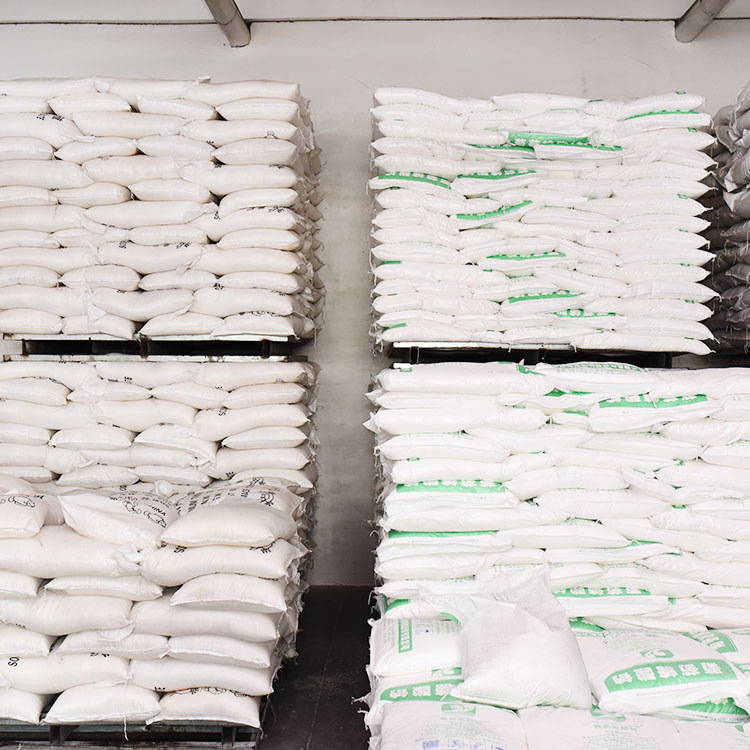
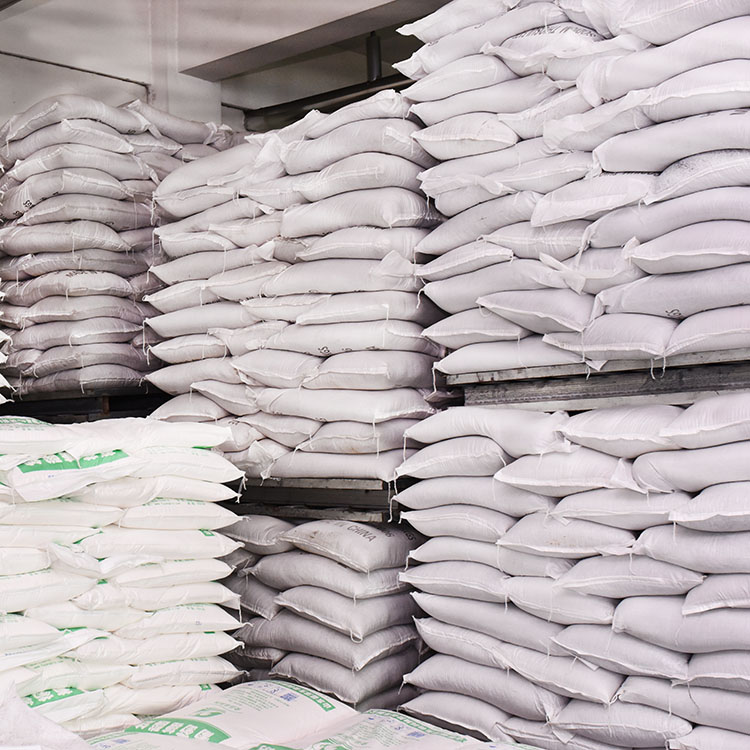
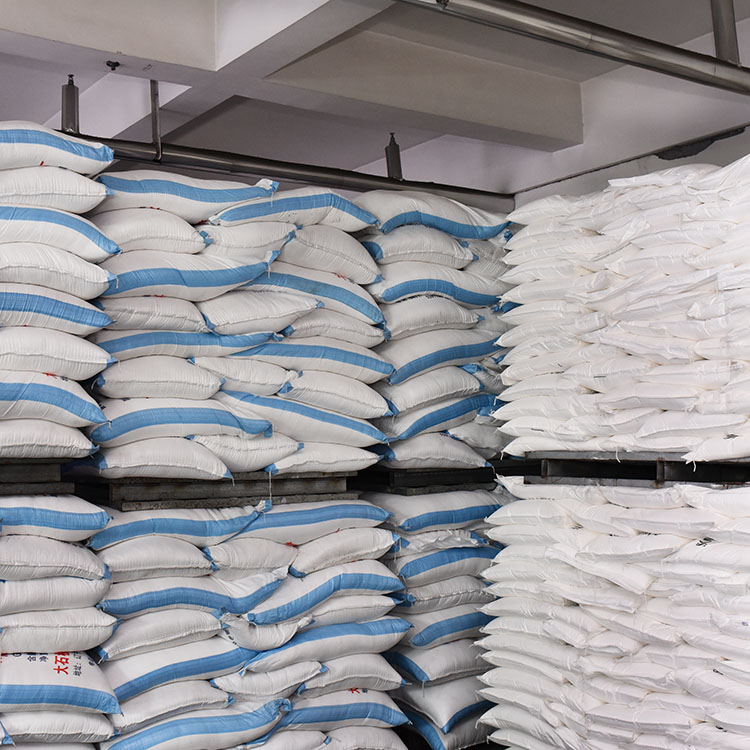
Stacking Standards: DSP should be stacked on pallets to avoid direct contact with the ground. The stacking height should not exceed 2 meters to prevent damage to the bottom packaging. Sufficient fire and operational access should be provided for emergency response and daily management.
2. Transportation Safety
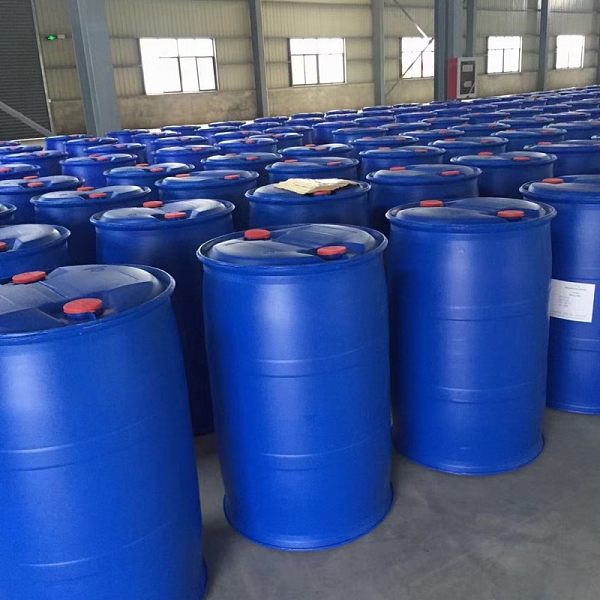
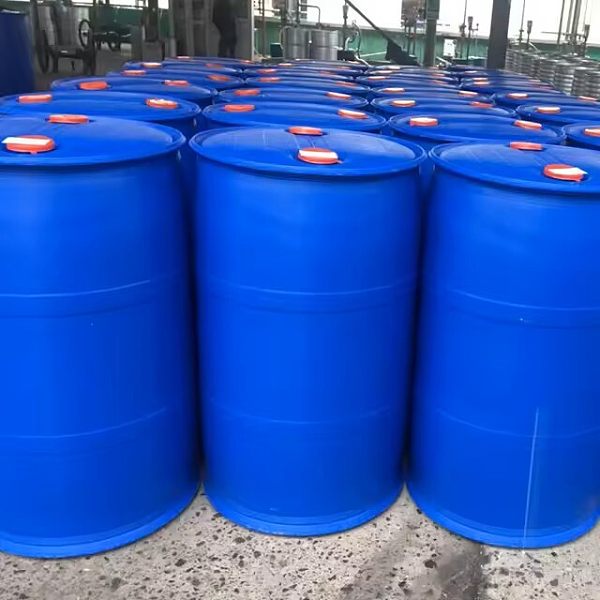
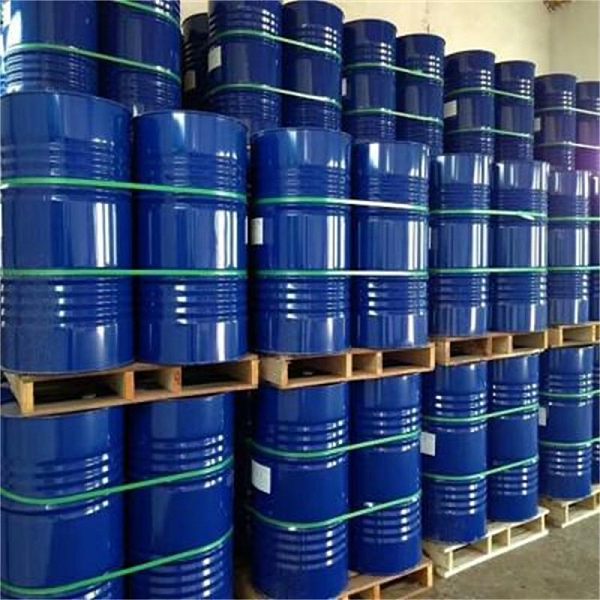
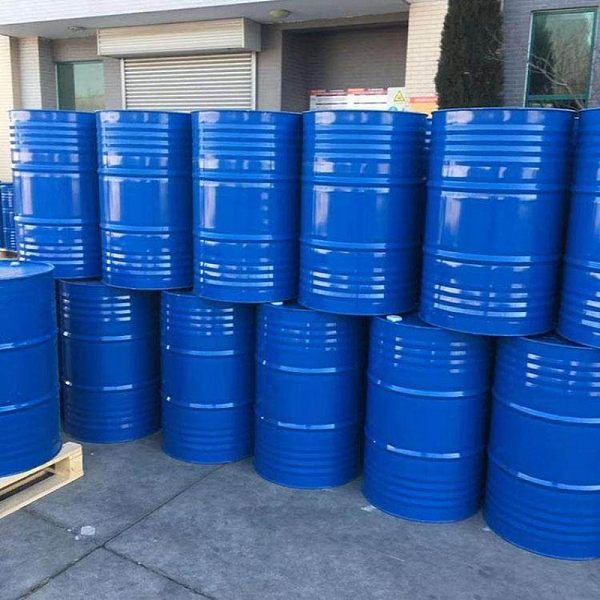
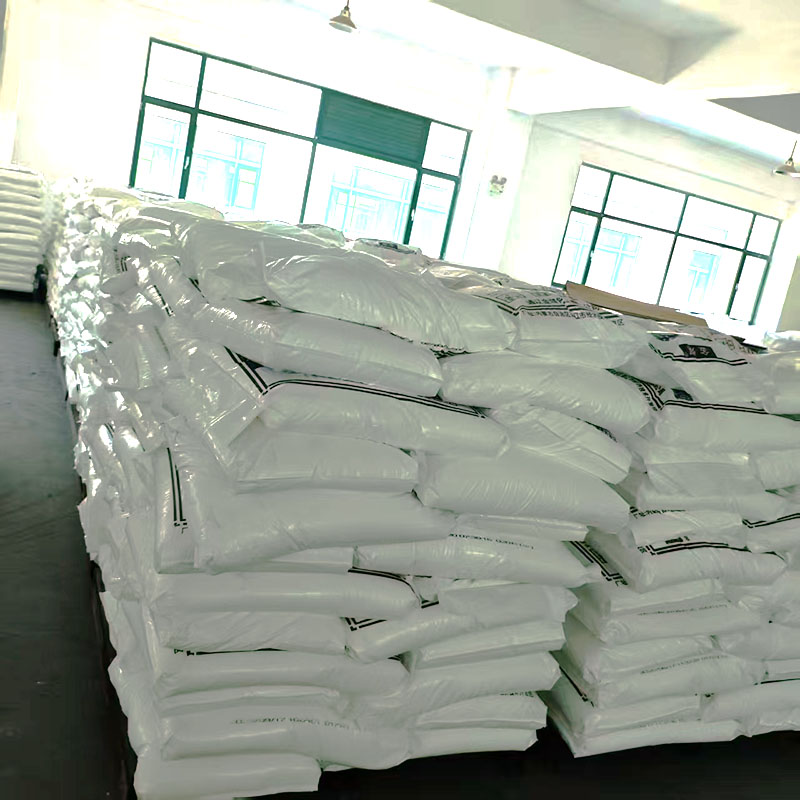
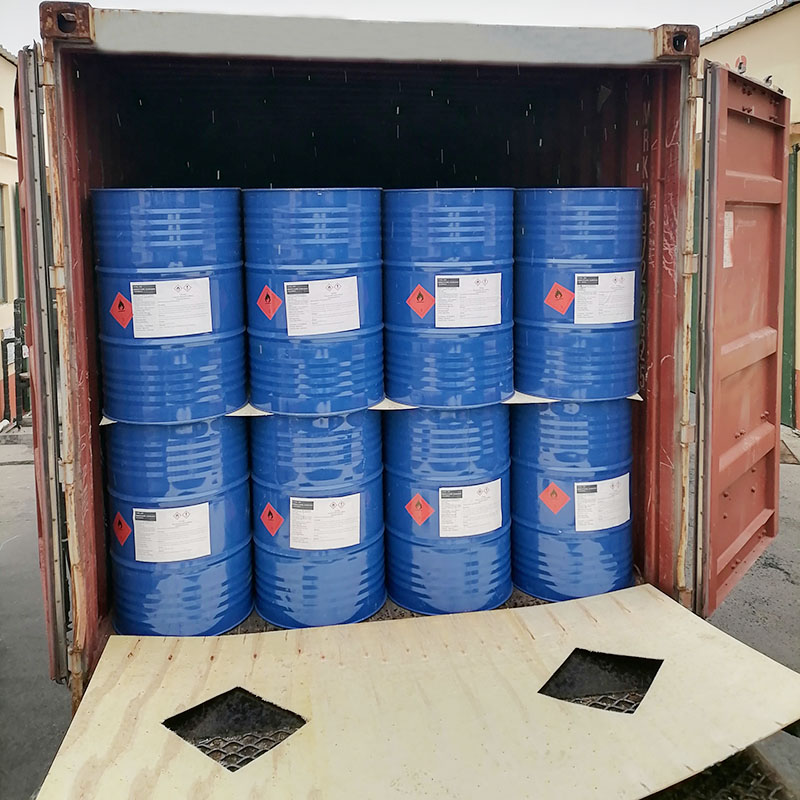
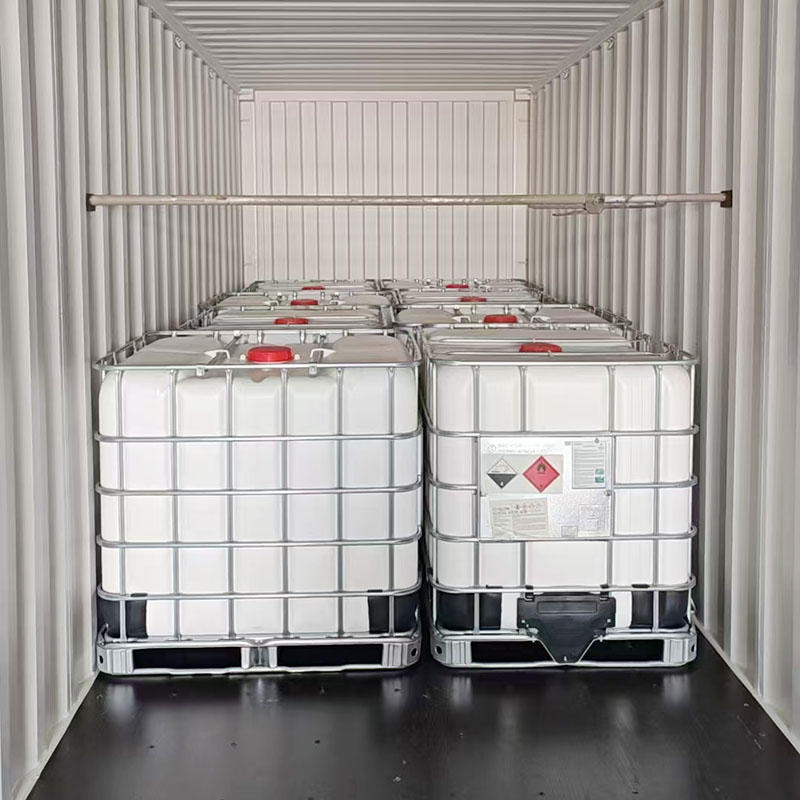
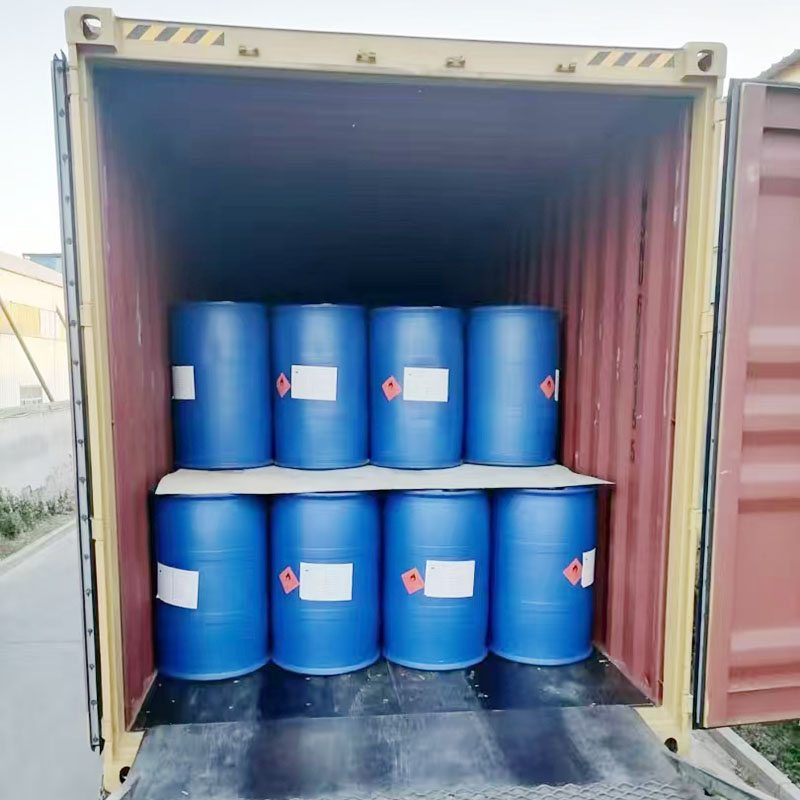
Packaging Requirements: Food-grade/pharmaceutical-grade DSP must be packaged in corresponding grade containers (e.g., food-grade paper bags, pharmaceutical-grade plastic drums). Industrial-grade DSP can be packaged in sealed woven bags or metal drums. Before transportation, the packaging integrity must be thoroughly inspected to ensure there is no damage or leakage.
Transportation Conditions: Transport vehicles must be kept dry and clean, avoiding rain and high-temperature exposure. Handle with care during transportation to prevent packaging collisions, compression, and deformation. DSP is not a hazardous chemical and can be transported as a general chemical; however, food-grade/pharmaceutical-grade products must comply with the corresponding industry's transportation hygiene standards and must not be transported together with toxic or hazardous goods. Transport vehicles must be cleaned and disinfected regularly.
Company Profile
Junteng Chemical is a professional chemical raw materials trading company dedicated to providing customers with one-stop procurement services. Through strict supplier, supply chain, and after-sales management, the company ensures that product quality, transportation, and use meet customer needs. Furthermore, the company's technical team offers customized solutions and support services free of charge.
The company has projects in the pharmaceutical, pesticide, petrochemical, construction, food additives, wastewater treatment, adhesives, inks, paints, coatings, plastic and rubber processing, detergent raw materials, fertilizer and textile mills, and more. Junteng Chemical sources products of stable and reliable quality, collaborating with domestic and international companies such as Luxi Group, Weiyuan Chemical, Qilu Petrochemical, Dongying Lihuayi, Yanshan Petrochemical, Sinopec, Shijiazhuang Refinery, Qingdao Petrochemical, Sailboat, Dow Chemical, BASF, South Korea, Taiwan, and Saudi Arabia. Our stable supply, superior product quality, and mature logistics have earned us a wide clientele. We look forward to collaborating with all of you for a mutually beneficial future.
Company advantages

One-Stop Procurement
Platform
We integrate resources across all productcategories, including organic solvents,resins and rubbers, and inorganicchemicals,and strictly control suppliers.supply chains, and after-sales processes toensure stable quality, efficienttransportation,and worry-free use,simplifying your procurement process.

Professional Team TechnicalEmpowerment
Equipped with an experienced technicalteam, we provide free personalizedsolutions and professional technicalsupport to customers in varlous industrie,such as pharmaceuticals, petrochemicals,coatings and inks, and sewage treatment,.helping you solve problems and improveefficiency.

Global supply ChainSecurity
We work with top domestic and foreignchemical giants such as Luxi Group, QiluPetrochemical, Sinopec, BASF of Germany,and Dow of the United States to establisha stable and reliable high-quality supplynetwork and a mature logistics system toensure timely and safe delivery of
products.

Deep Win-Win CooperationConcept
Adhering to the concept of "integrity.immediate action, professionalism,innovation and win-win" and taking"customer success and altruism" as ourmission, we are committed to establishinglong-term strategic partnerships andcreating a better future through excellentproducts and services.
Related products
 Electronic Grade DL-Tartaric acid CSA 133-37-9
 2-Hydroxyethyl acrylate
 Terephthalic acid PTA
--Tech.Grade") Sodium Pyrophosphate(TSPP)--Tech.Grade
Sodium Pyrophosphate(TSPP)--Tech.Grade--Tech.Grade &Food Grade") Sodium Tripolyphosphate(STPP)--Tech.Grade &Food Grade
Sodium Tripolyphosphate(STPP)--Tech.Grade &Food Grade--Food Additive") Sodium Acid Pyrophosphate(SAPP)--Food Additive
Sodium Acid Pyrophosphate(SAPP)--Food Additive--Tech Grade &Food Grade") Sodium Hexametaphosphate(SHMP)--Tech Grade &Food Grade
Sodium Hexametaphosphate(SHMP)--Tech Grade &Food Grade--Tech.Grade &Food Grade") Urea Phosphate(UP)--Tech.Grade &Food Grade
Urea Phosphate(UP)--Tech.Grade &Food Grade") Monosodium Phosphate(MSP)
Monosodium Phosphate(MSP)") Disodium Phosphate(DSP)
Disodium Phosphate(DSP)--Tech.Grade") Potassium Pyrophosphate(TKPP)--Tech.Grade
Potassium Pyrophosphate(TKPP)--Tech.Grade") Monoammonium Phosphate(MAP)
Monoammonium Phosphate(MAP)") Diammonium Phosphate(DAP)
Diammonium Phosphate(DAP)") Monopotassium Phosphate(MKP)
Monopotassium Phosphate(MKP)") Dipotassium Phosphate(DKP)
Dipotassium Phosphate(DKP) Red Phosphorus
") Sodium T-Amylate(STA)
Sodium T-Amylate(STA) Sodium Acetate
 Sodium carbonate
 Phosphoric acid 75%/85%
 Sodium formate 92%,95%,98%
 Potassium formate 75%,97%
 Calcium formate 98%
 Formic acid 85%/90%/94%/99%
 Acetic acid solution 45%/55%/65%/75%/80%/90%
 GLACIAL ACETIC ACID
") Methacrylic acid(MAA)
Methacrylic acid(MAA) Adipic Acid
 Sulfamic Acid
 Salicylic Acid
 Gluconic Acid
 Benzoic Acid
 Glacial Acetic Acid
 Adipic Acid
 Oxalic Acid
 Citric Acid
 Boric Acid
 Sulfamic Acid
 Salicylic Acid
 Formic Acid

Message
Leave A Message
If you are interested in our products and want to know more details, please leave a message here, we will reply you as soon as we can.