





Product
massage
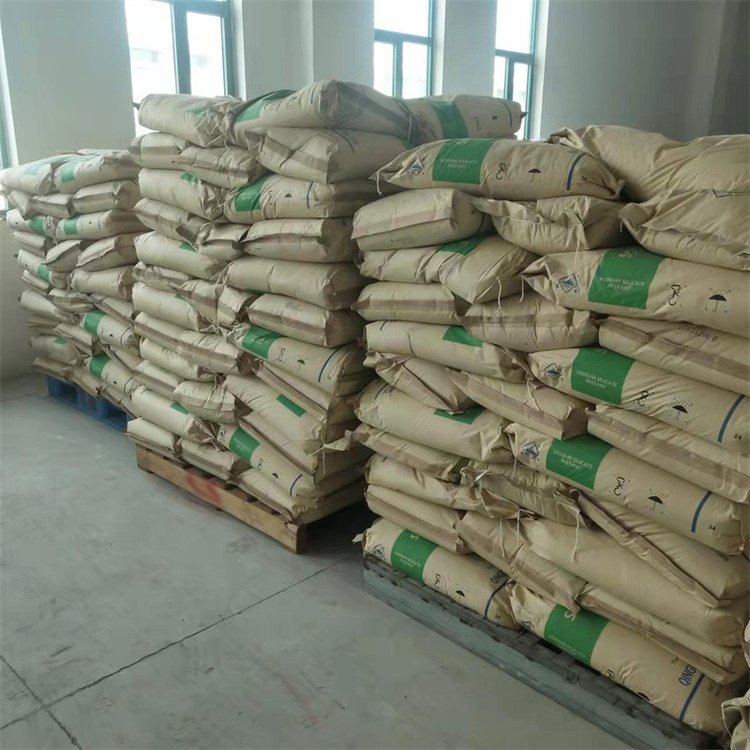
Potassium Pyrophosphate(TKPP)--Tech.Grade
Product Parameters
Basic Properties
1. Physical Properties
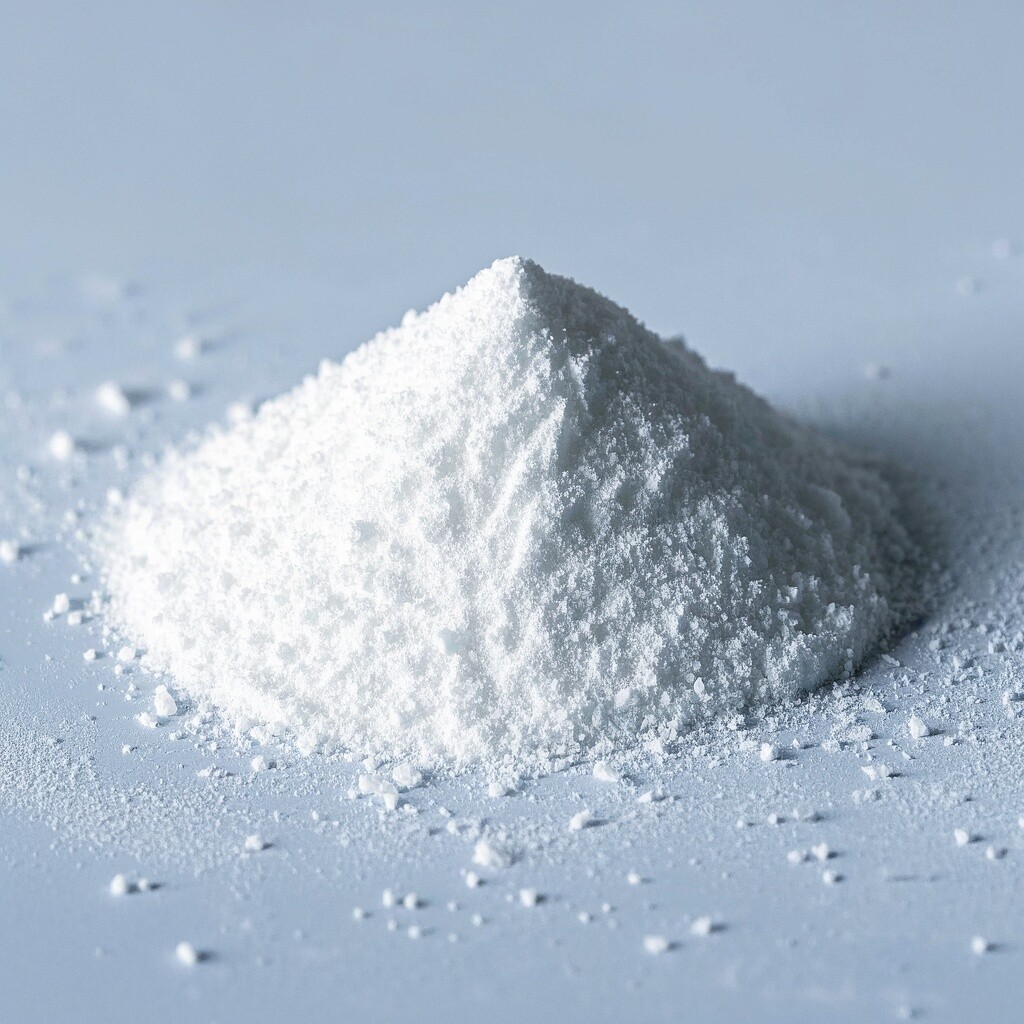
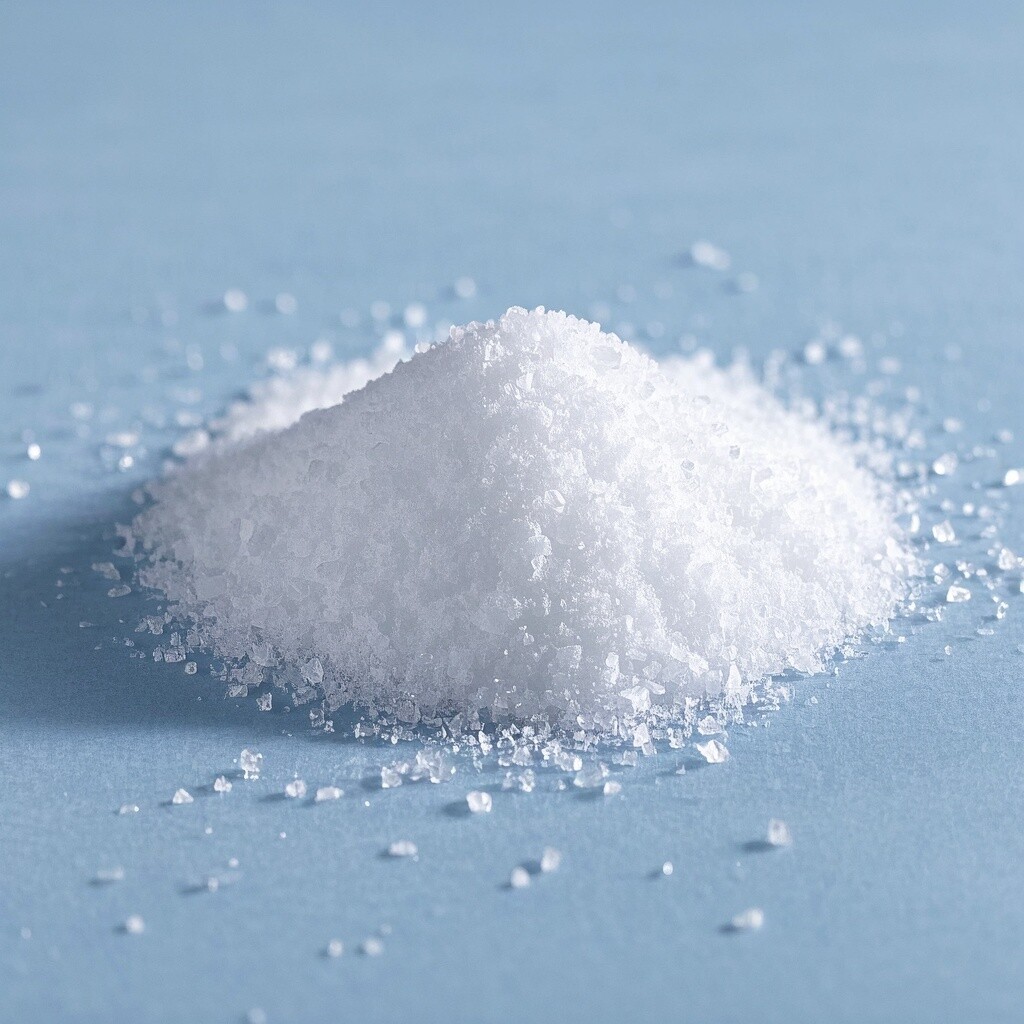
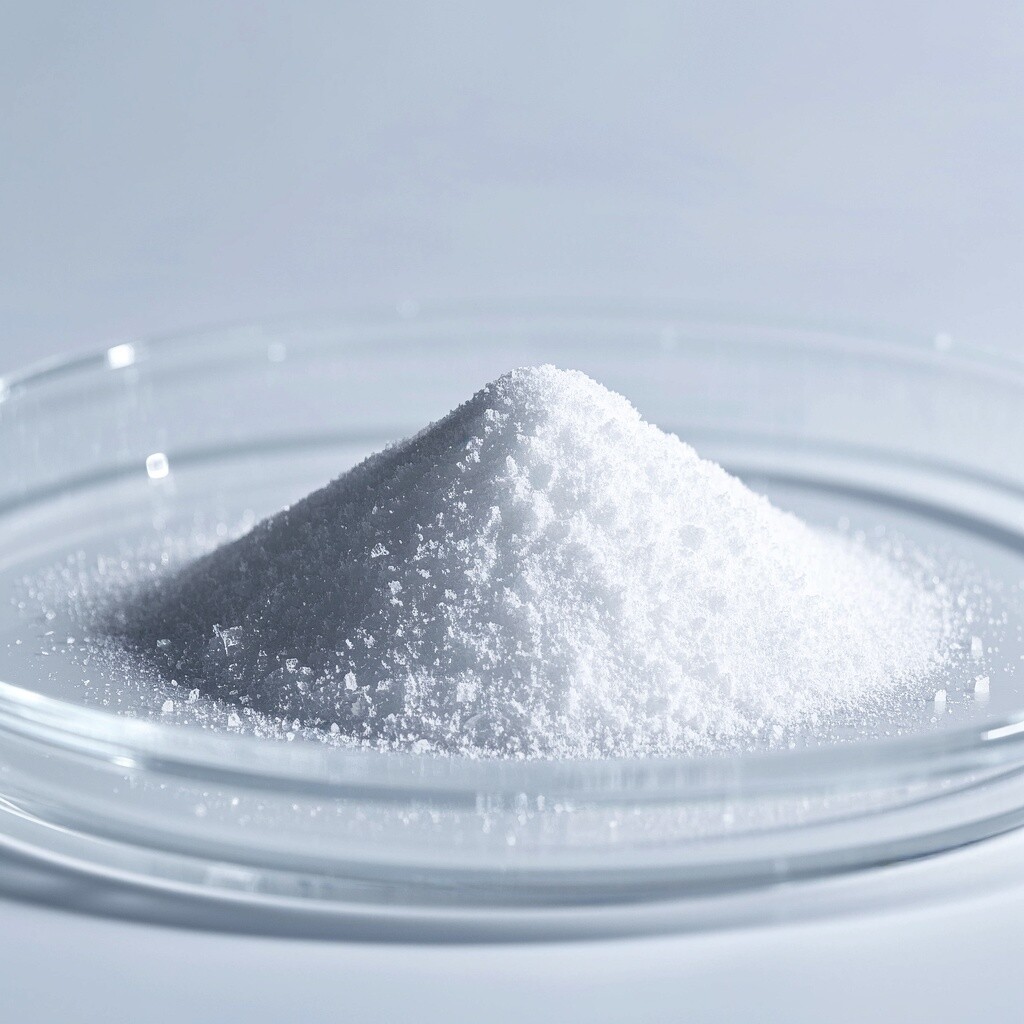
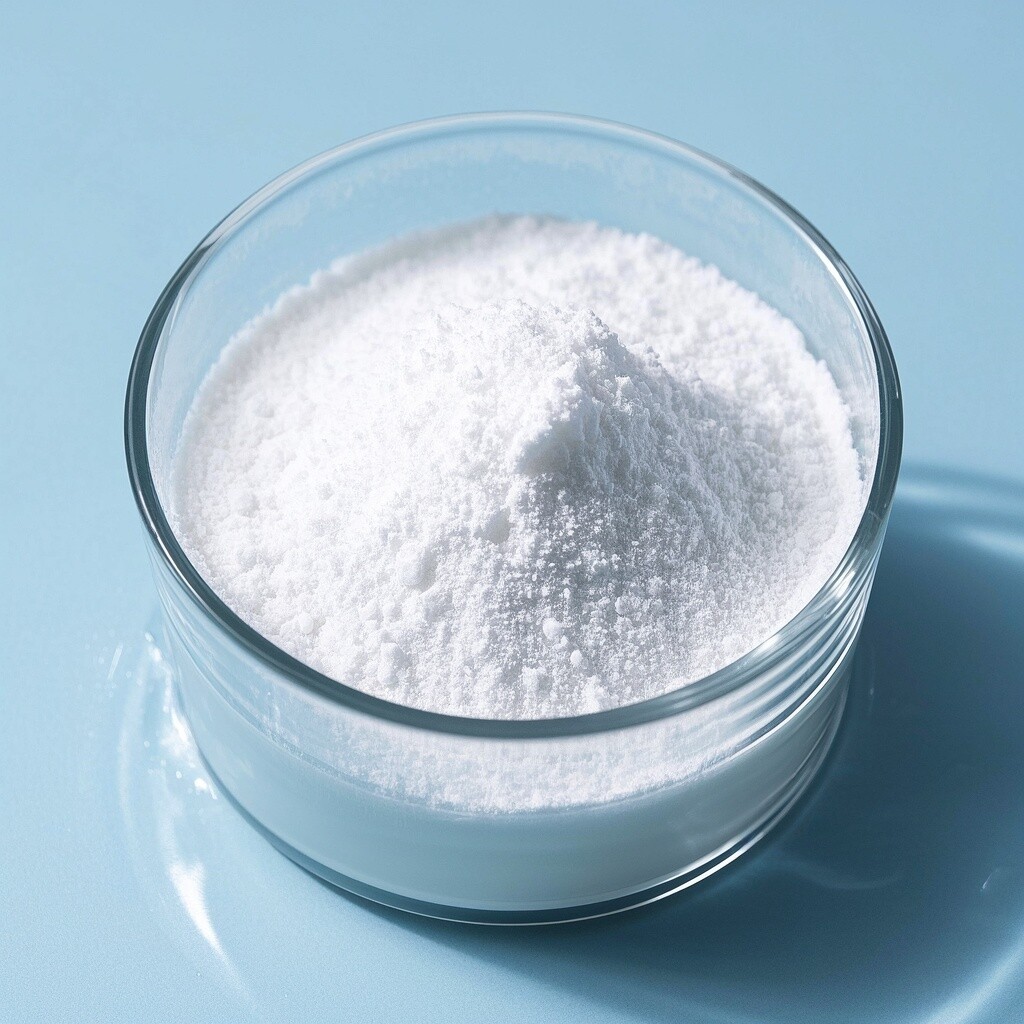
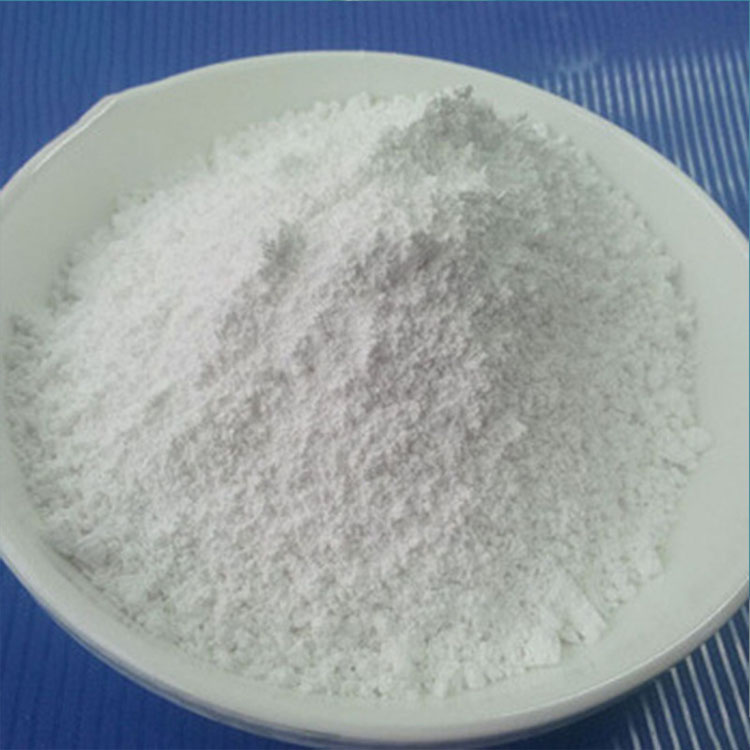
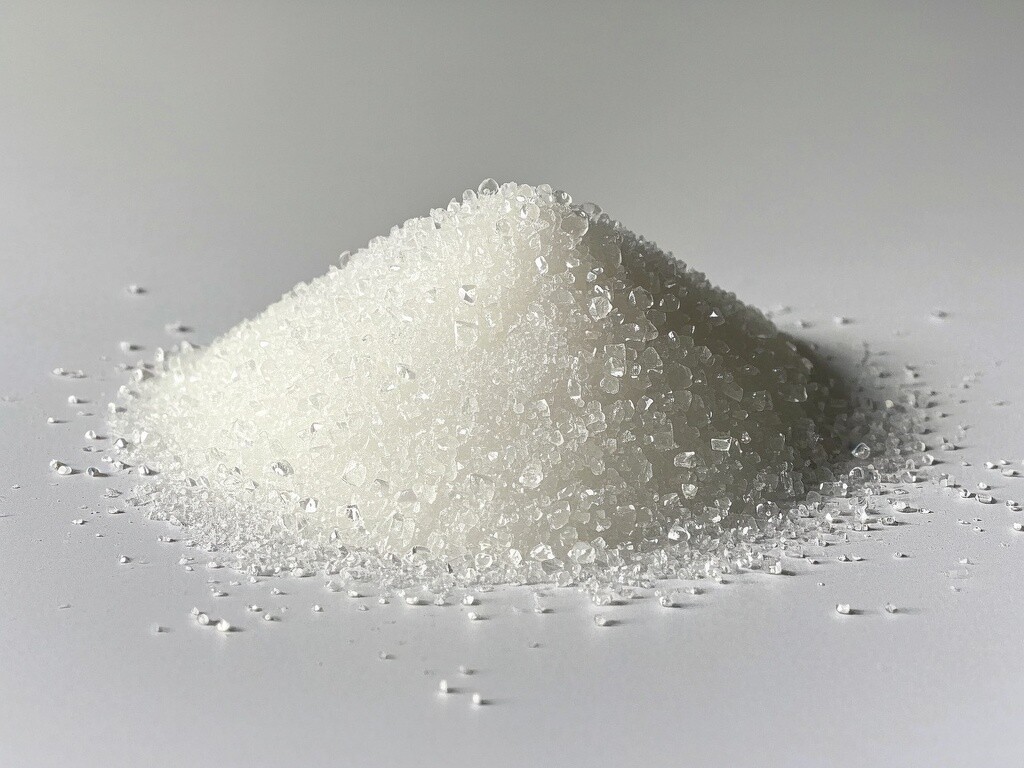
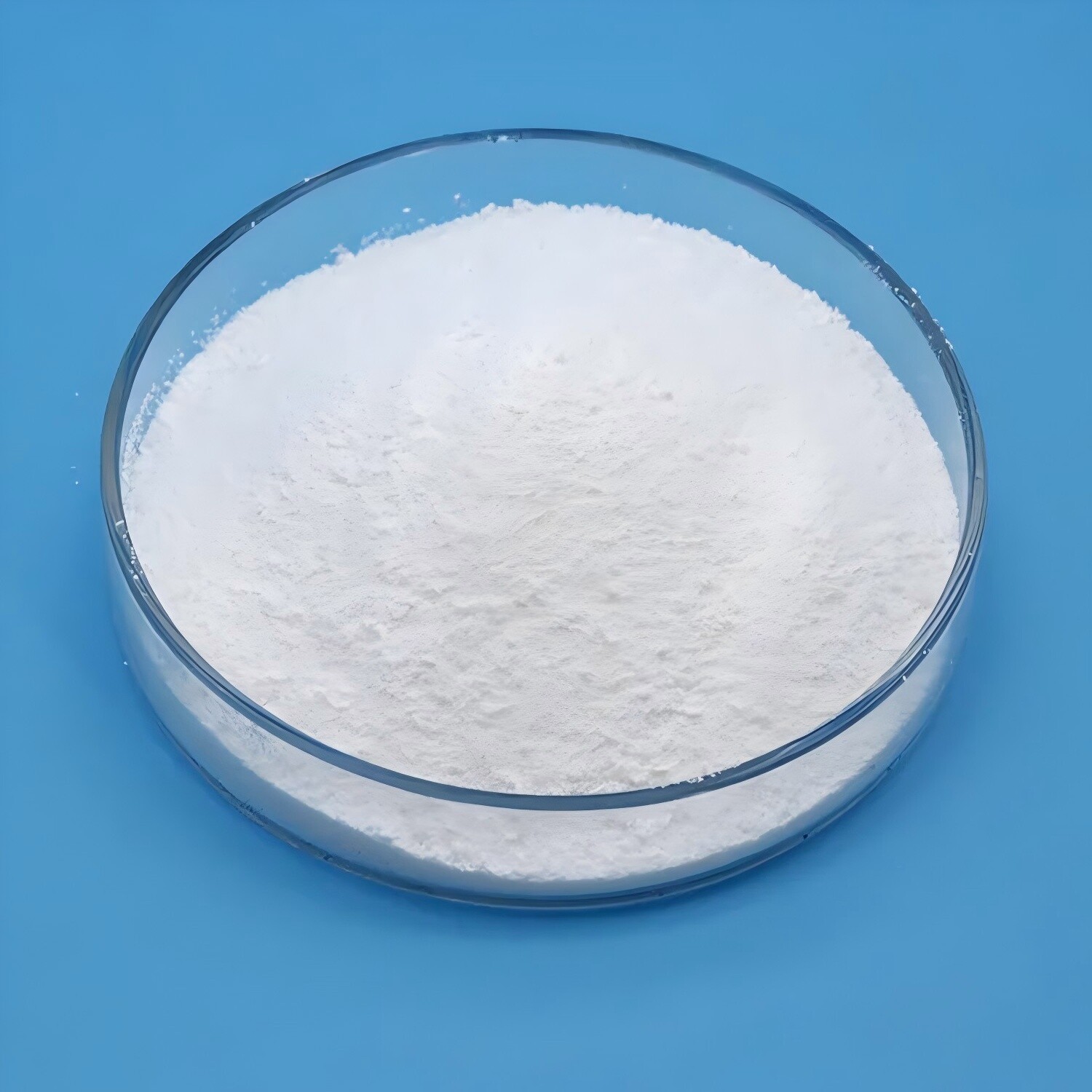
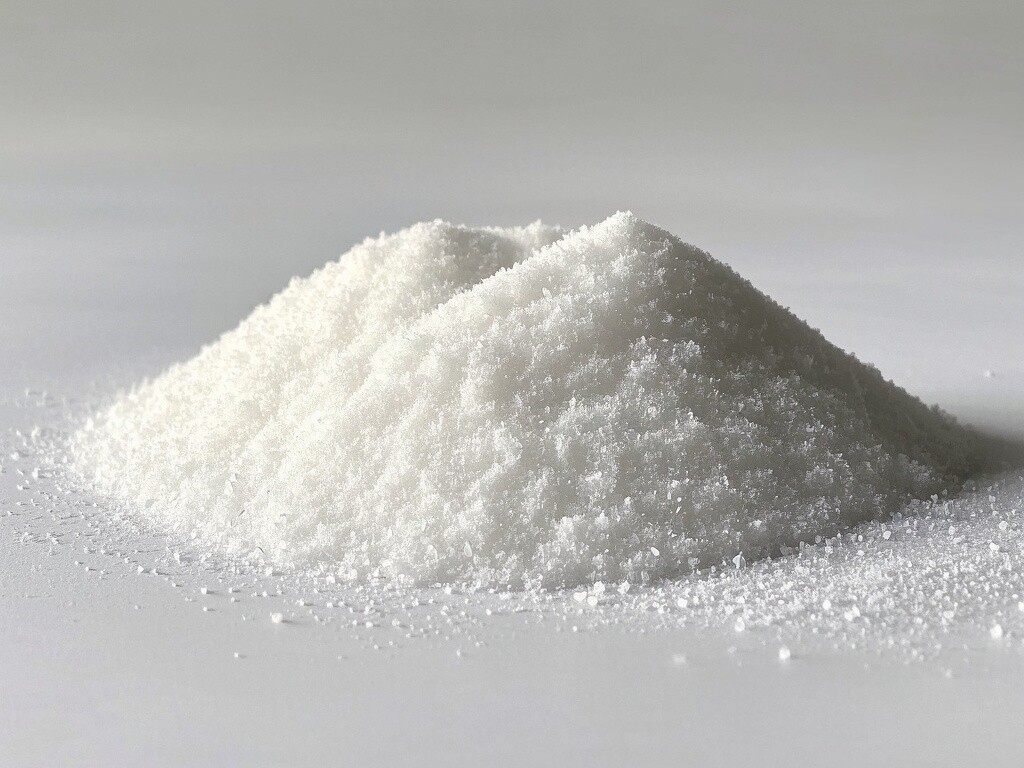
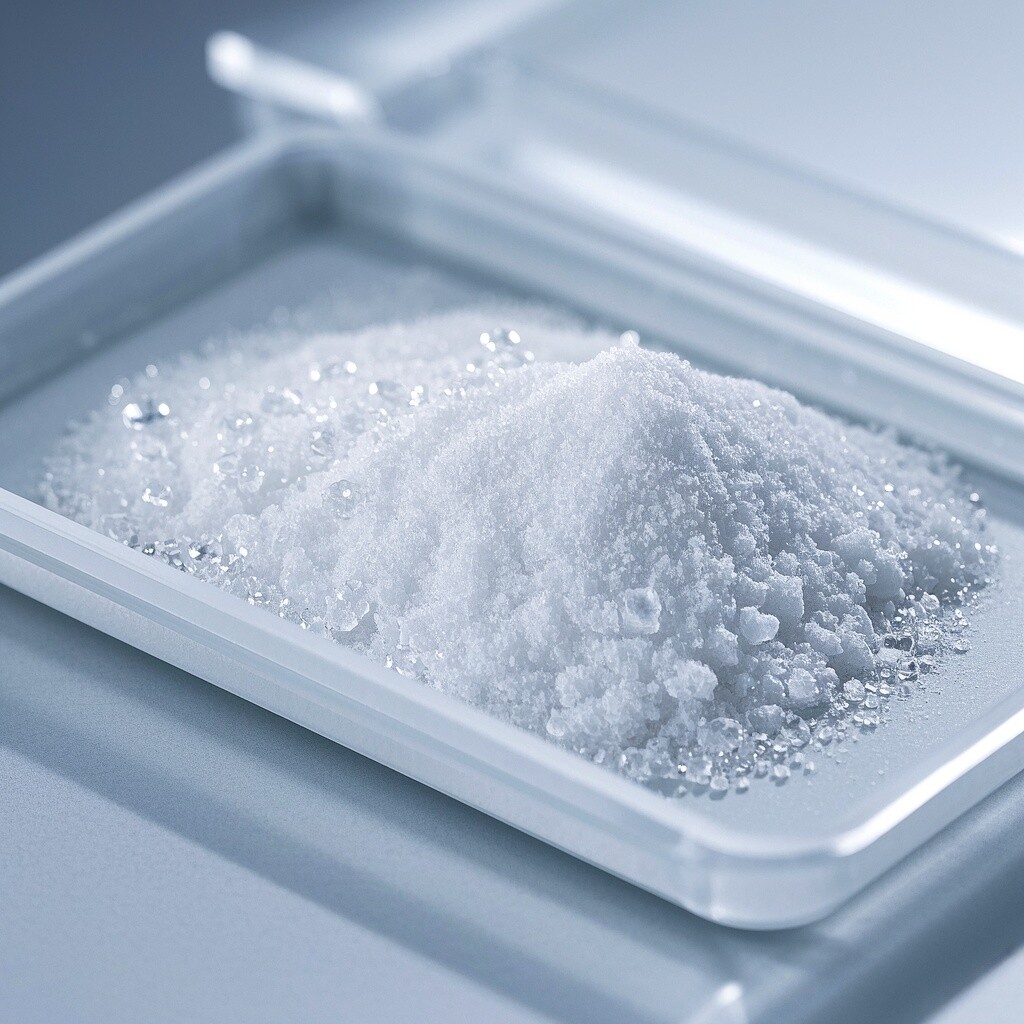
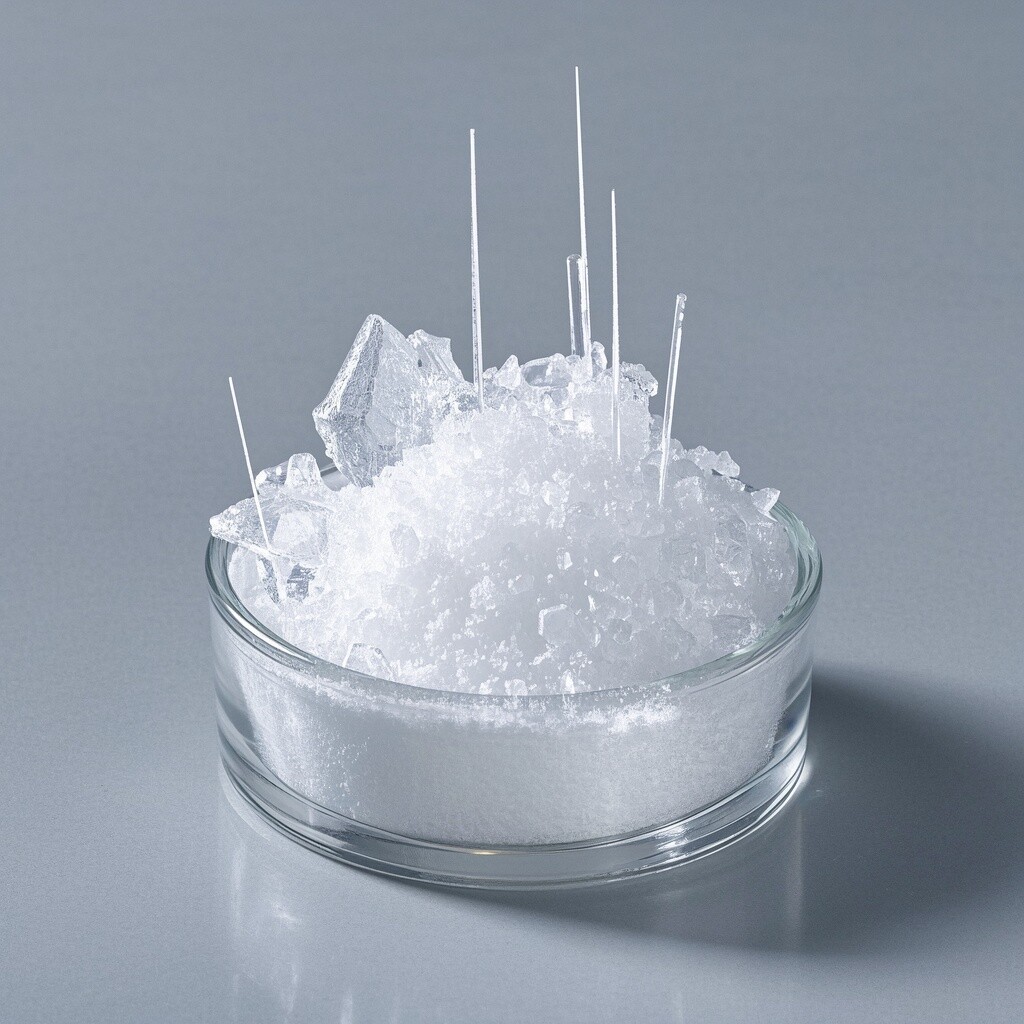
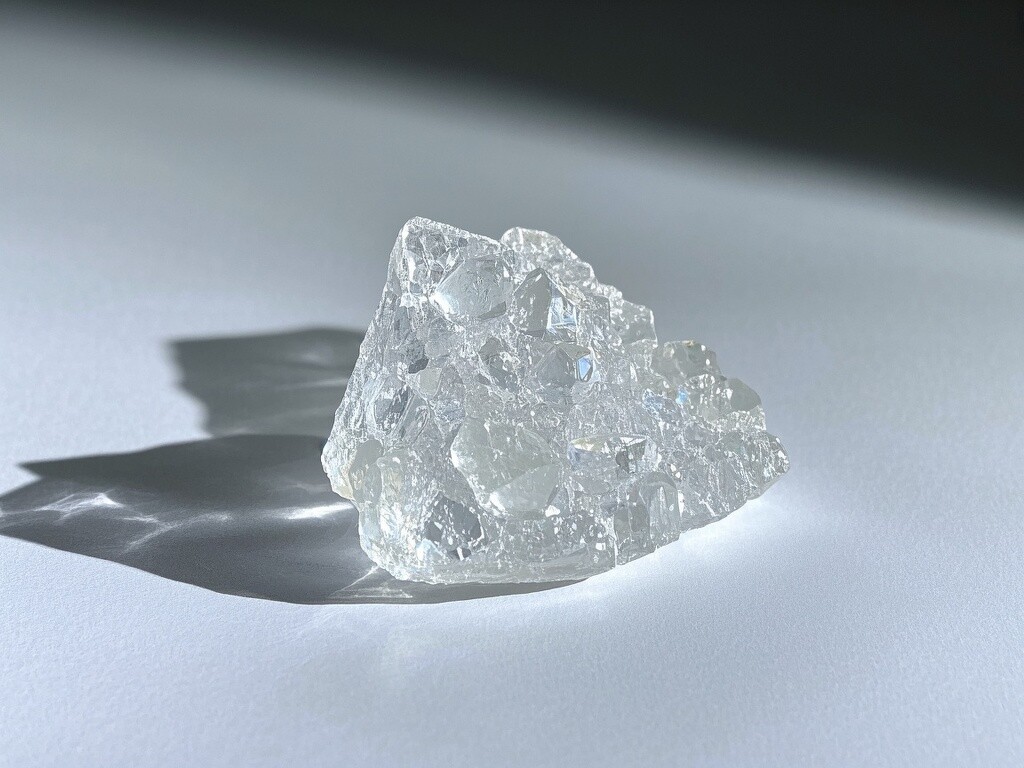
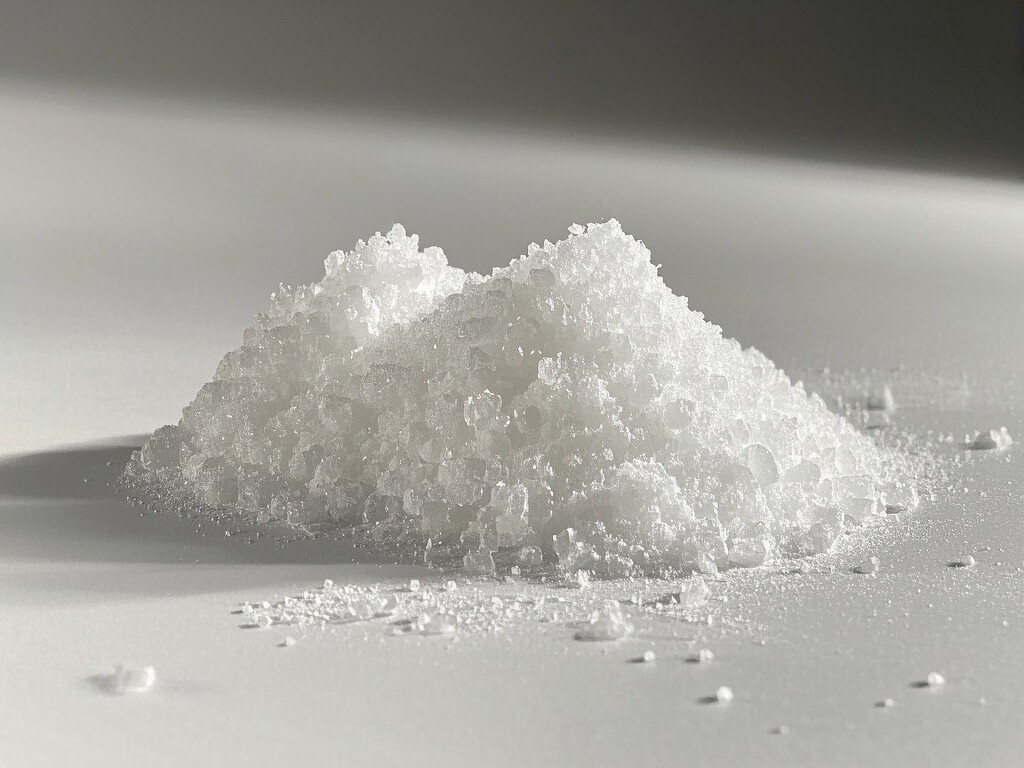
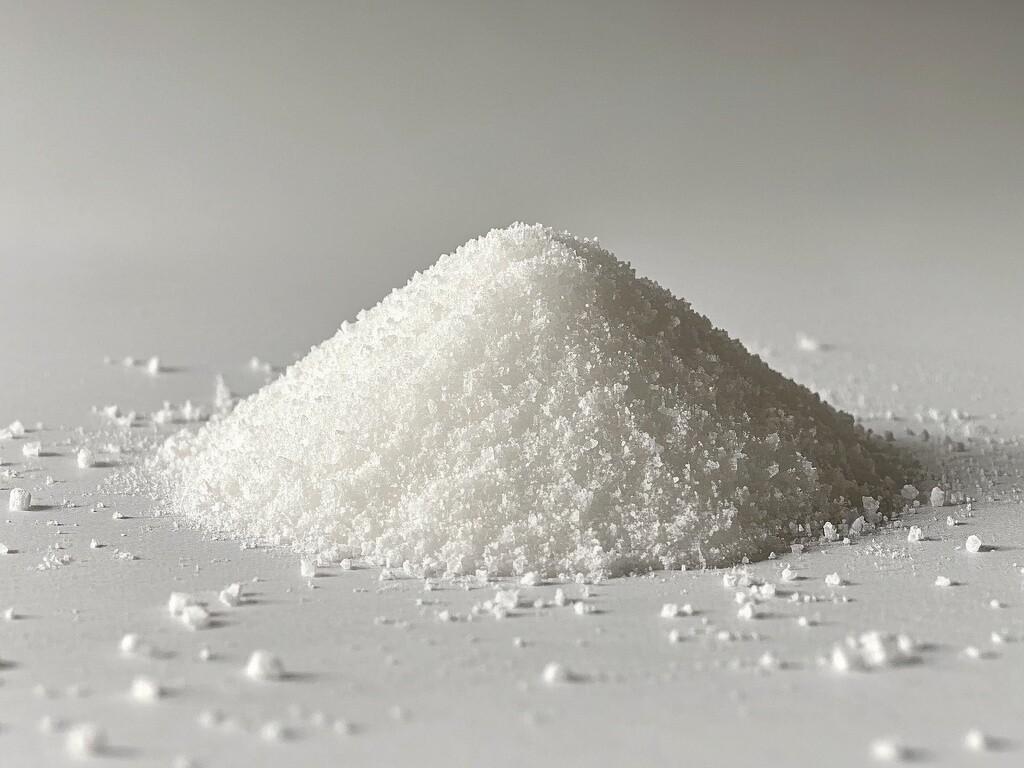
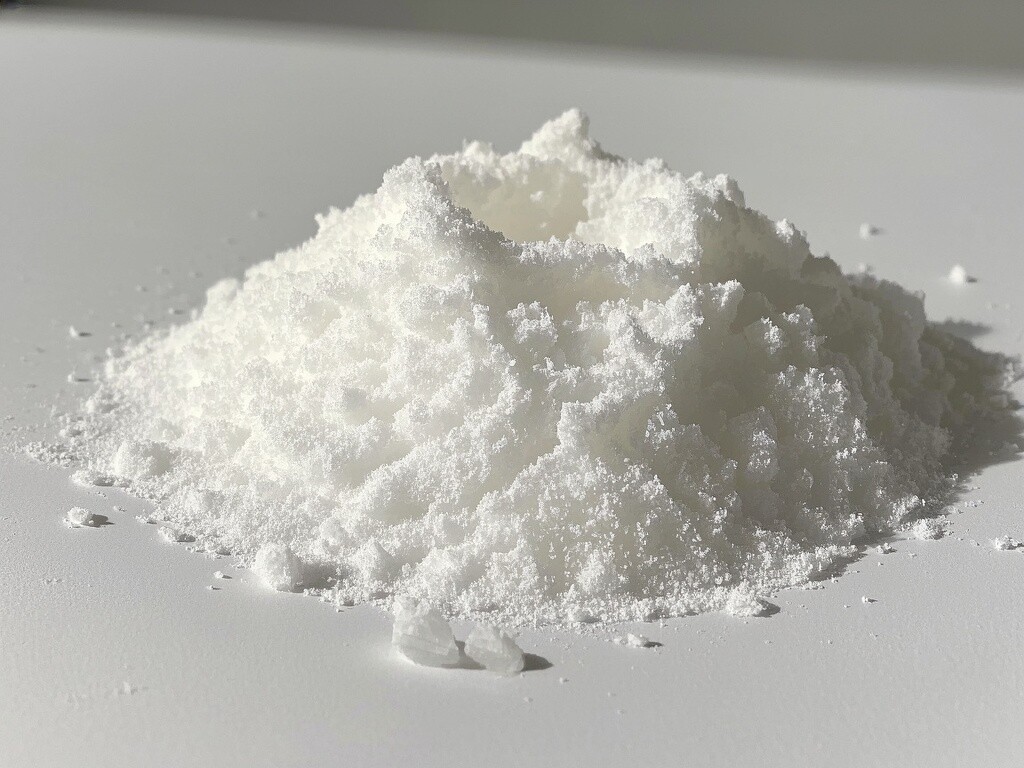
Appearance and Morphology: Industrial-grade TKPP is typically a white crystalline powder or granules. Some products are anhydrous, while others contain trihydrate ($4P₂O₇·3H₂O). It is odorless and highly hygroscopic, easily absorbing moisture and clumping in humid air. Granular products are more resistant to clumping than powdered products.
Density and Melting Point: Anhydrous potassium pyrophosphate has a density of approximately 2.534 g/cm³ and a melting point as high as 1109℃. The trihydrate loses its water of crystallization and transforms into anhydrous form when heated to 180℃. Its molten state exhibits good fluidity, and it forms a glassy solid upon cooling.
Solubility: Extremely soluble in water; at 25°C, the solubility of anhydrous TKPP is approximately 187 g/100 mL of water. The resulting aqueous solution is strongly alkaline (pH value approximately 10.5~11.5). Insoluble in organic solvents such as ethanol, ether, and acetone, and the viscosity of the aqueous solution increases significantly with increasing concentration.
Other Physical Properties: TKPP aqueous solution is a strong electrolyte with excellent conductivity; its powder has a certain degree of flowability, and its storage and transportation performance can be improved through granulation processes in industrial production.
2. Chemical Properties
Acid-Base and Hydrolysis Reactions: TKPP is a strongly basic phosphate. In its aqueous solution, the P₂O₇₄⁻ ions undergo hydrolysis under acidic conditions, gradually transforming into potassium dihydrogen pyrophosphate, potassium dihydrogen phosphate, and other products. Ultimately, under strongly acidic conditions, it completely hydrolyzes to orthophosphate ($P₂O₇₄⁻ + 2H⁺ = 2HPO₄²⁻, P₂O₇₄⁻ + 4H⁺ = 2H₂PO₄⁻). When mixed with a strong base, its basicity is further enhanced, making it a suitable core component of alkaline buffer systems.
Complexation Reaction: P₂O₇₄⁻ possesses strong complexing ability, forming stable soluble complexes with various metal ions such as calcium, magnesium, iron, and copper. For example, it forms the [CaP₂O₇]²⁻ complex with calcium ions, which is the core principle behind its applications in water treatment and electroplating.
Precipitation and Dispersion: TKPP can form insoluble pyrophosphate precipitates with some heavy metal ions (such as lead and mercury), used for heavy metal removal in wastewater treatment. Simultaneously, it can adsorb onto the surface of solid particles, reducing interparticle cohesion and providing good dispersion to prevent particle agglomeration.
Thermal Stability: Chemically stable at room temperature and maintains structural stability in the molten state at high temperatures. However, in high-temperature and humid environments, it will slowly hydrolyze into orthophosphate. No significant redox reaction occurs when in contact with strong oxidants.
3. Stability and Safety
Stability: Industrial-grade TKPP is stable under normal temperature and pressure, but requires protection from moisture and sunlight, and should not be exposed to strong acids for extended periods. High humidity during storage can cause it to absorb moisture and clump, affecting its complexing and dispersing properties.
Toxicity: TKPP is a low-toxicity chemical. Small amounts contact with skin or ingestion pose no risk of acute poisoning. However, its aqueous solution is highly alkaline; high concentrations can cause corrosive irritation upon skin contact, and splashing into the eyes can cause severe discomfort such as redness, swelling, and burns. Long-term inhalation of its dust may irritate the respiratory tract, causing symptoms such as coughing and chest tightness.
Environmental Impact: TKPP itself has low toxicity to aquatic organisms, but large-scale discharge into water bodies can lead to eutrophication due to phosphate production from hydrolysis, damaging aquatic ecosystems. Industrial wastewater must undergo phosphorus removal treatment to meet standards before discharge.
Main Applications
1. Electroplating and Metal Surface Treatment Fields
Core Complexing Agent: This is the core application scenario for industrial-grade TKPP. In electroplating processes, TKPP can be used as the main complexing agent in copper, nickel, and zinc plating systems. It can form stable, soluble complexes with metal ions (such as Cu²⁺ and Ni²⁺) in the plating bath, preventing the hydrolysis and precipitation of metal ions and maintaining the stability of the plating bath composition. Simultaneously, it can adjust the alkaline environment of the plating bath, improving the uniformity, gloss, and adhesion of the coating, and reducing defects such as pinholes and pitting. It is widely used in the electroplating of precision electronic components and hardware accessories.
Metal Descaling and Phosphating Auxiliary Agent: TKPP can be used for metal surface descaling. Its complexing ability can dissolve calcium and magnesium scale and metal oxides on equipment surfaces. In metal phosphating treatment, it can be used as an auxiliary agent to improve the density of the phosphating film, enhance the adhesion between the metal substrate and the coating, and improve the corrosion resistance of metal parts.
2. Water Treatment Field
Scale and Corrosion Inhibitor: TKPP can be used as a scale inhibitor in systems such as circulating cooling water and boiler water. Its complexing groups can form stable complexes with metal ions such as calcium, magnesium, and iron in water, inhibiting the formation of scale and rust. Simultaneously, its strong alkalinity can adjust the pH value of the water, alleviating corrosion of metal pipes. It is particularly suitable for water treatment scenarios with high hardness and high alkalinity water quality, and is often used in combination with polyphosphates and organophosphonates to enhance its effect.
Heavy Metal Wastewater Treatment Agent: TKPP can form insoluble pyrophosphate precipitates with heavy metal ions such as lead, mercury, and cadmium in wastewater, effectively removing heavy metal pollutants from industrial wastewater and reducing the risk of excessive heavy metal levels in water. It is suitable for the treatment of electroplating wastewater, metallurgical wastewater, etc.
3. Detergent and Daily Chemical Industry Field
High-Efficiency Detergent Builder: In industrial detergents, laundry powders, and other products, TKPP can be used as a detergent builder, combining water softening and enhanced detergency. It can complex calcium and magnesium ions in water, reducing water hardness and preventing soap scum formation; it can also disperse dirt particles on clothing or equipment surfaces, preventing secondary dirt adhesion and improving washing efficiency. It is often compounded with sodium carbonate, sodium silicate, etc., to form complex detergent additives.
Raw Material for Daily Chemical Products: In daily chemical products such as toothpaste and shampoo, TKPP can act as a pH buffer and stabilizer, maintaining the alkaline environment of the product system and ensuring the stability of active ingredients; in oral care products, it can also assist in removing plaque and improve cleaning effects.
4. Ceramics and Refractory Materials Field
Ceramic Flux and Dispersant: In ceramic production, TKPP can act as a flux, lowering the sintering temperature of ceramic blanks, promoting densification, and improving the density and smoothness of ceramic products; it can also act as a dispersant for ceramic slurries, adsorbing onto the surface of ceramic powder particles, reducing slurry viscosity, improving slurry flowability and uniformity, and ensuring the quality of ceramic molding.
Refractory Material Binder: TKPP can be used as an alkaline binder for refractory materials, forming a stable cementitious system with refractory aggregates. This improves the high-temperature strength and slag resistance of refractory bricks and castables, making it suitable for the preparation of refractory linings for high-temperature equipment such as industrial kilns.
5. Other Industrial Applications
Metallurgical Industry: In non-ferrous metal smelting, TKPP can be used as a complexing agent to separate and purify metal ions, improving metal purity. It can also be used as a flotation aid to improve the floatability of minerals and increase beneficiation efficiency.
Paper Industry: In the papermaking process, TKPP can be used as a paper sizing aid and pulp dispersant, improving the sizing effect and uniformity of paper, while also enhancing its water resistance and strength.
Textile Printing and Dyeing Industry: As a dyeing and finishing aid for textiles, TKPP can adjust the alkaline environment of the dye bath, stabilize the dispersion of dyes, and improve dyeing uniformity and color fastness, especially suitable for dyeing processes using vat dyes and reactive dyes.
Safety Precautions
1. Storage Safety
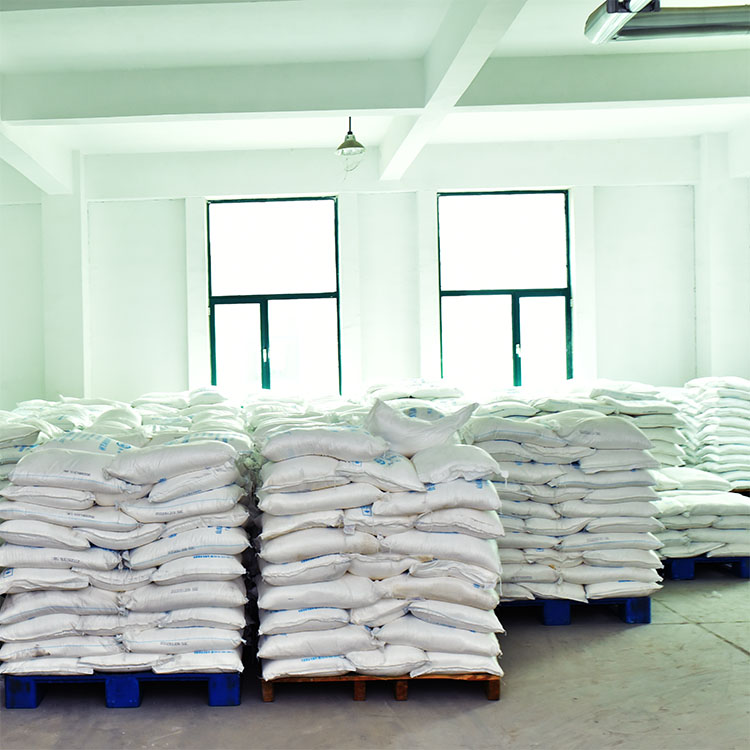
Storage Environment: Store in a cool, dry, and well-ventilated dedicated warehouse. Temperature should be controlled below 30℃, and relative humidity should be maintained below 70%. Equipped with dehumidifiers and ventilation equipment to prevent TKPP from absorbing moisture and clumping. The warehouse must be far from heat sources, strong acid storage areas, and direct sunlight to avoid hydrolysis and deterioration caused by high temperatures or acidic environments.
Separate Storage: Strictly prohibit storage with strong acids (such as concentrated sulfuric acid and concentrated hydrochloric acid), acidic salts, and reducing substances to prevent neutralization or hydrolysis reactions. Strictly separate from food, feed, and pharmaceutical materials to avoid cross-contamination. Packaging must be sealed tightly, with clear labeling of the material name and warnings such as "Strong Alkali" and "Moisture-Proof."
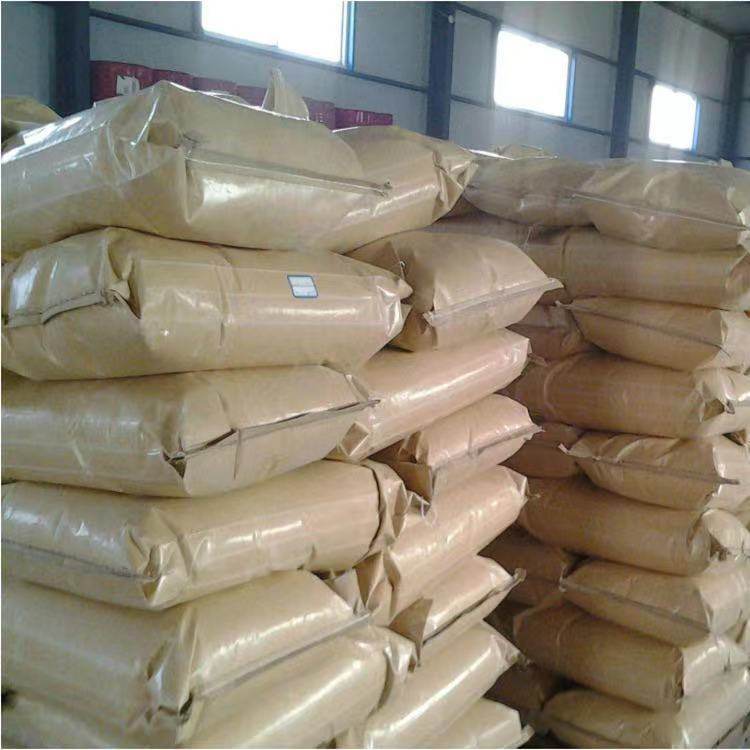
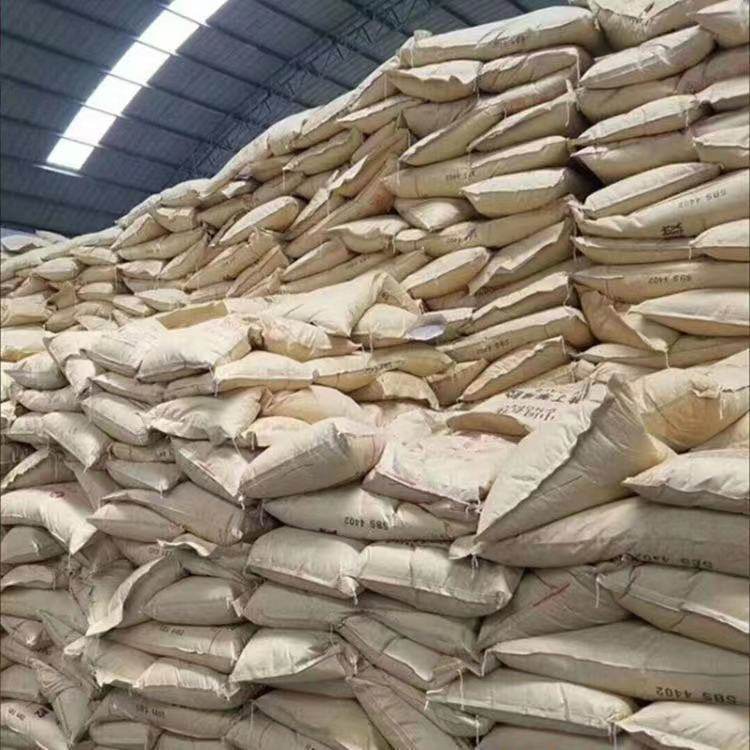
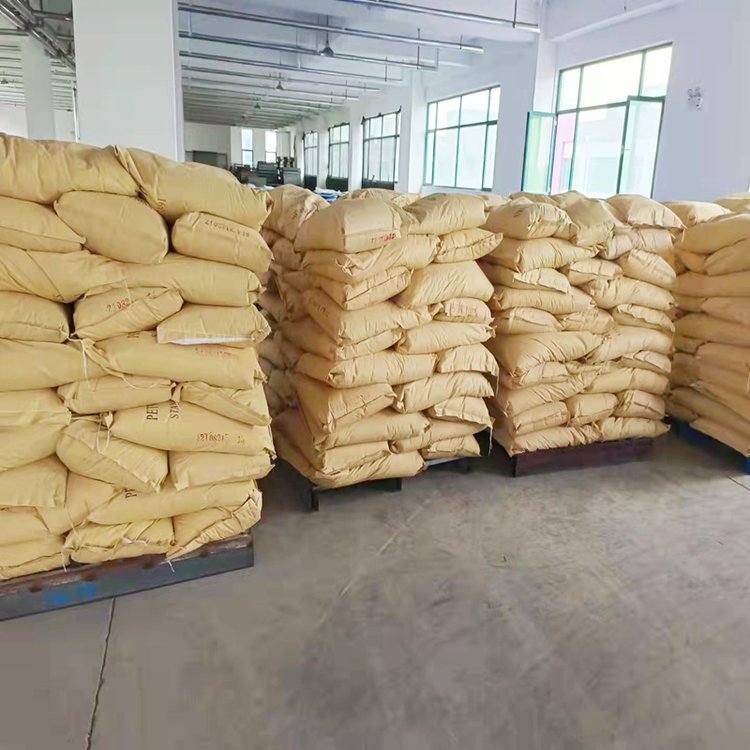
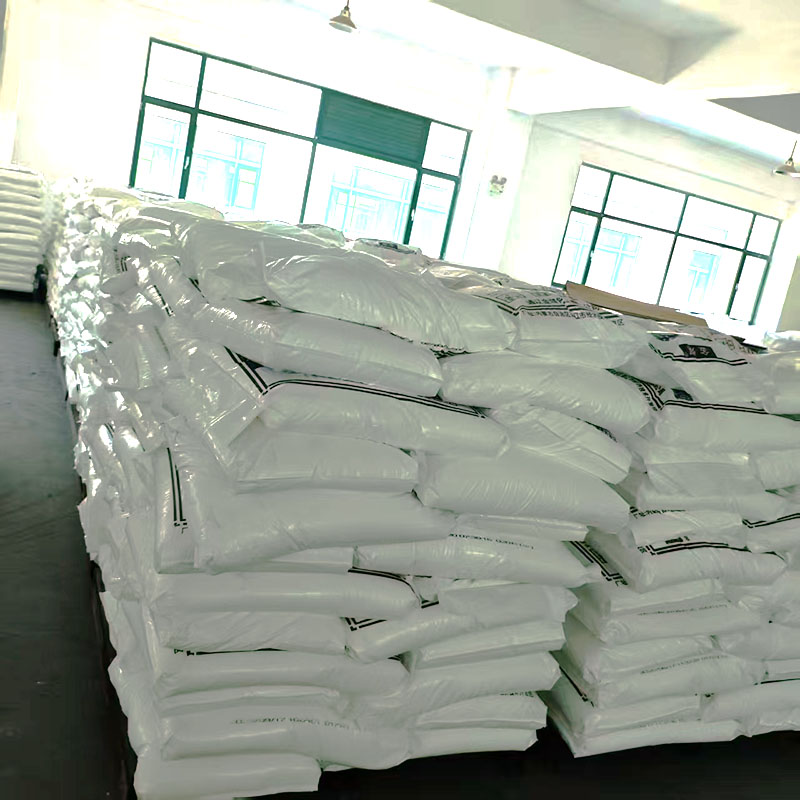
Stacking Standards: Use pallets to elevate the TKPP during stacking to avoid direct contact with the ground. The stacking height should not exceed 1.5 meters to prevent damage to the bottom packaging. Fire escape and access routes should be provided for emergency response.
2. Transportation Safety
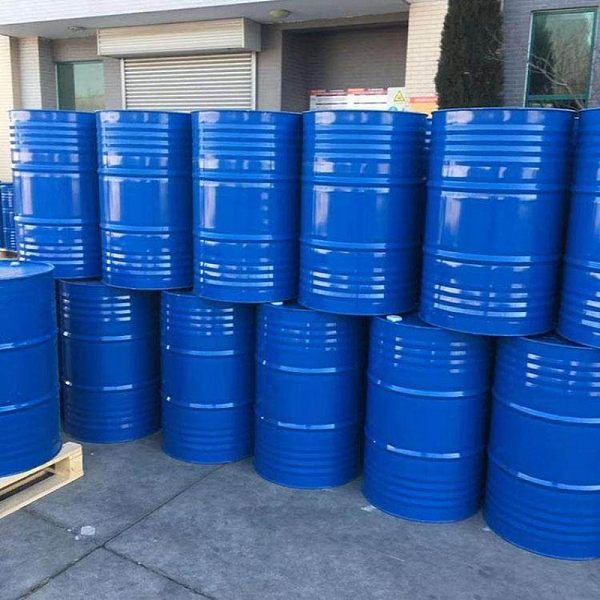
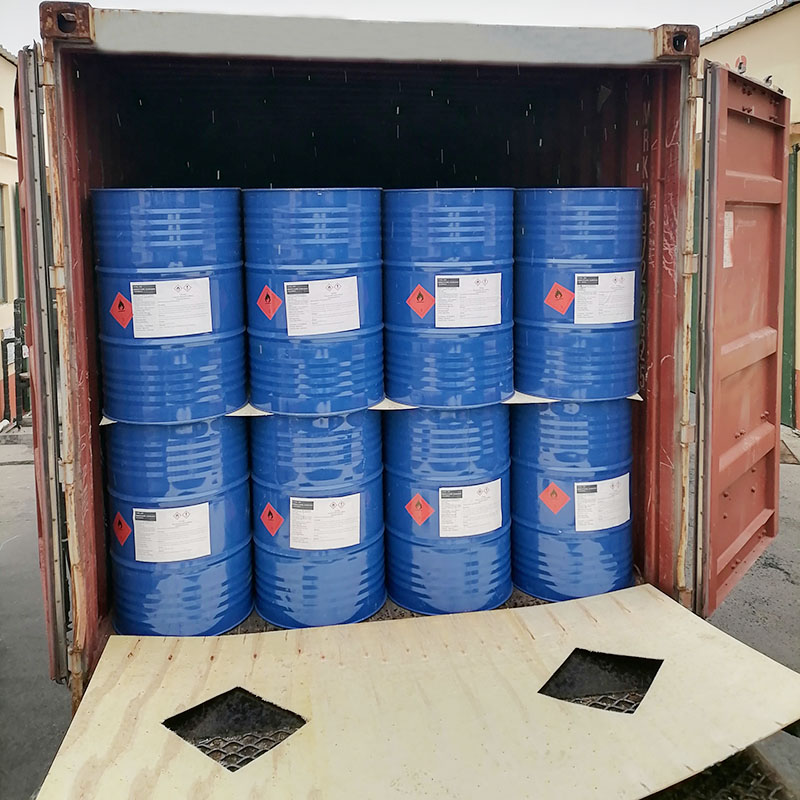
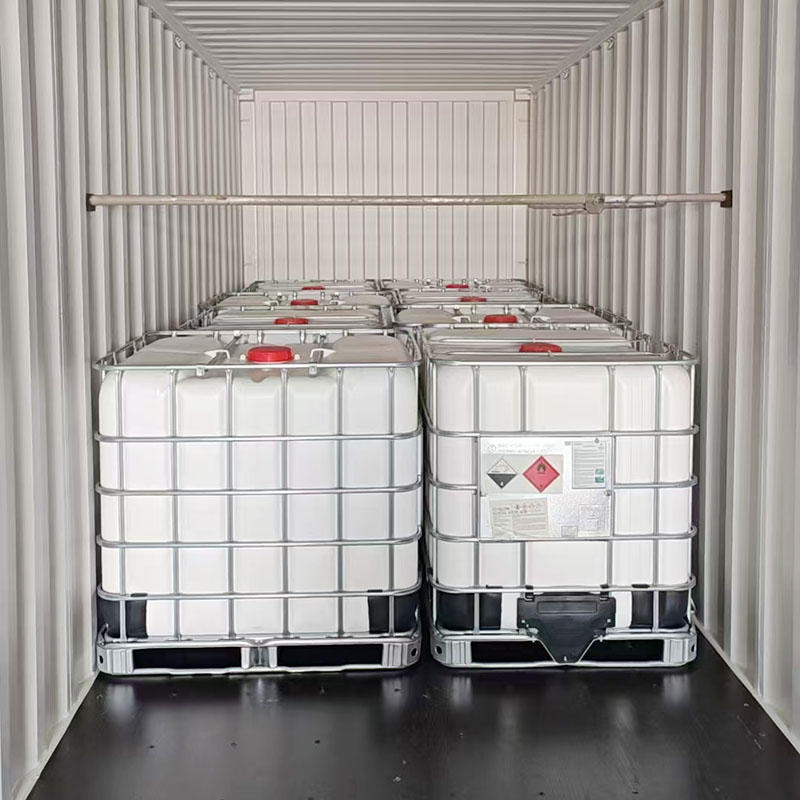
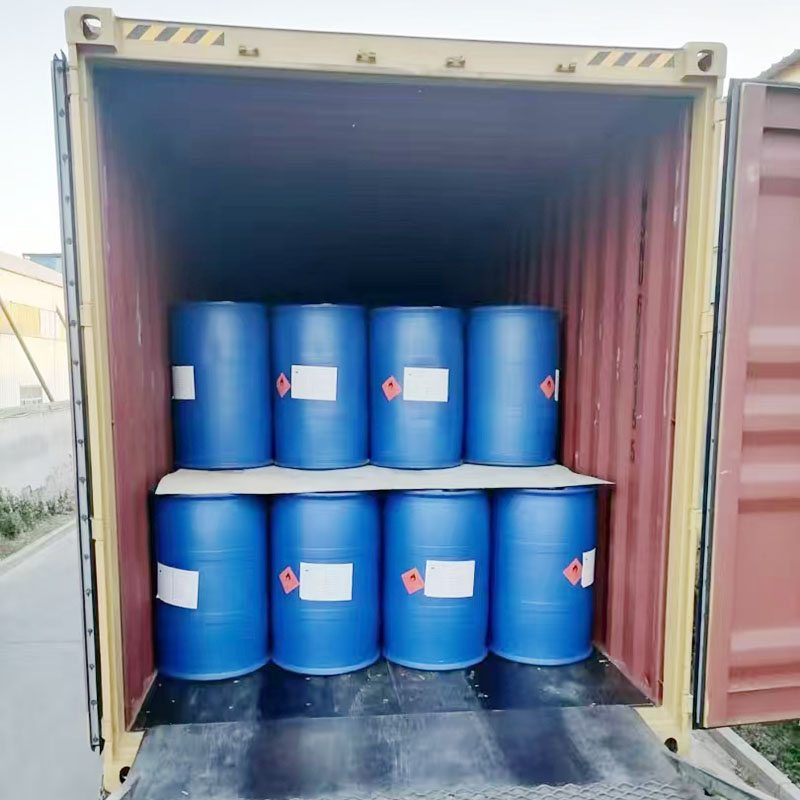
Packaging Requirements: Industrial-grade TKPP must be packaged in sealed plastic drums, woven bags (lined with plastic film), or metal drums. A thorough inspection of the packaging integrity is required before transportation to ensure there is no damage or leakage.
Transportation Conditions: Transport vehicles must be kept dry and clean, avoiding rain and high-temperature exposure. Handle with care during transportation to prevent packaging collisions, compression, and deformation. TKPP is not a hazardous chemical, but due to its strong alkalinity, it must not be transported with acidic goods. Transport vehicles must be equipped with emergency protective equipment (such as protective goggles and alkali-resistant gloves).
3. Safety in Use
Operational Protection: Operators must wear alkali-resistant protective goggles, dust masks, strong alkali-resistant rubber gloves, and chemical-resistant work clothes to prevent dust inhalation, skin contact with strong alkaline solutions, or splashes into the eyes. The work area must be well-ventilated and equipped with eyewash stations and emergency showers.
Handling Contraindications: Avoid large-scale operation in confined spaces to prevent dust accumulation or excessive alkaline vapor concentration; smoking, eating, and drinking are strictly prohibited during operation, and direct hand contact with materials is forbidden; when diluting TKPP, slowly add TKPP to water while stirring, and never pour water into TKPP powder (to prevent localized heat release and alkaline splashing).
Leakage Handling: In case of a small dust leak, collect it with a dry broom or vacuum cleaner into a sealed container for recovery or proper disposal; if it is an aqueous solution leak, absorb it with sand or inert absorbent material before treatment, and never discharge it directly into sewers to prevent water pollution and pipe corrosion.
4. Health Protection and Emergency Response
Health Hazards: Long-term inhalation of TKPP dust can irritate the respiratory mucosa, causing coughing, chest tightness, and other discomfort; its highly alkaline aqueous solution can cause corrosive burns upon skin contact, resulting in redness, swelling, pain, peeling, and other symptoms; splashing into the eyes can severely burn the cornea and conjunctiva, leading to severe eye pain, blurred vision, or even blindness. First Aid Measures:
Skin Contact: Immediately flush the affected area with plenty of running water for at least 20 minutes. If burns occur, apply a mild acidic neutralizer (such as dilute boric acid solution) and seek medical attention immediately.
Eye Contact: Quickly open the eyelids and flush continuously with plenty of water or saline solution for 15-20 minutes, moving the eyeballs as much as possible. Seek immediate medical attention after flushing. Do not rub your eyes or use neutralizers.
Ingestion: If a small amount is ingested, immediately drink plenty of warm water or milk to dilute it, then seek medical attention. Do not induce vomiting (to prevent burns to the digestive tract from alkaline substances).
5. Disposal Procedures
Discarded TKPP solids or aqueous solutions must not be disposed of arbitrarily. Industrial waste must be disposed of by a qualified hazardous waste treatment facility. Wastewater containing TKPP must be neutralized with acid and alkali and treated to meet phosphorus removal standards before being discharged into the sewage treatment system to avoid eutrophication and ecological damage.
Company Profile
Junteng Chemical is a professional chemical raw materials trading company dedicated to providing customers with one-stop procurement services. Through strict supplier, supply chain, and after-sales management, the company ensures that product quality, transportation, and use meet customer needs. Furthermore, the company's technical team offers customized solutions and support services free of charge.
The company has projects in the pharmaceutical, pesticide, petrochemical, construction, food additives, wastewater treatment, adhesives, inks, paints, coatings, plastic and rubber processing, detergent raw materials, fertilizer and textile mills, and more. Junteng Chemical sources products of stable and reliable quality, collaborating with domestic and international companies such as Luxi Group, Weiyuan Chemical, Qilu Petrochemical, Dongying Lihuayi, Yanshan Petrochemical, Sinopec, Shijiazhuang Refinery, Qingdao Petrochemical, Sailboat, Dow Chemical, BASF, South Korea, Taiwan, and Saudi Arabia. Our stable supply, superior product quality, and mature logistics have earned us a wide clientele. We look forward to collaborating with all of you for a mutually beneficial future.
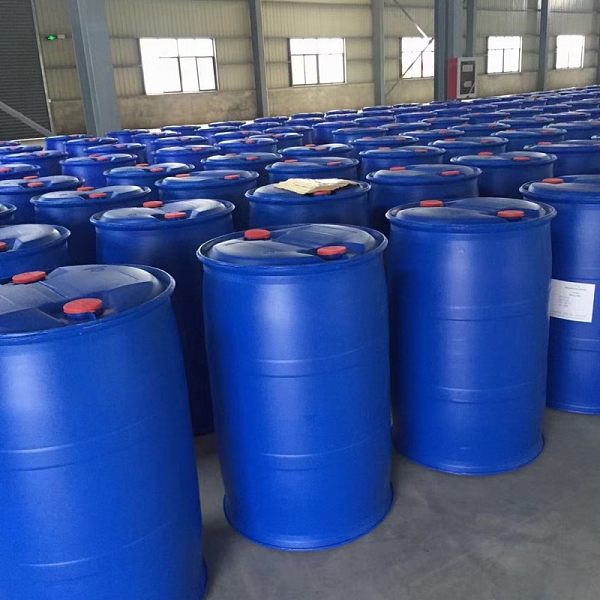
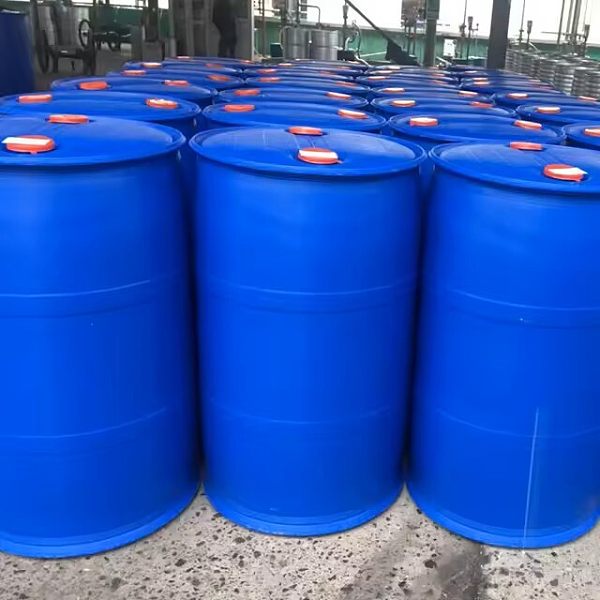
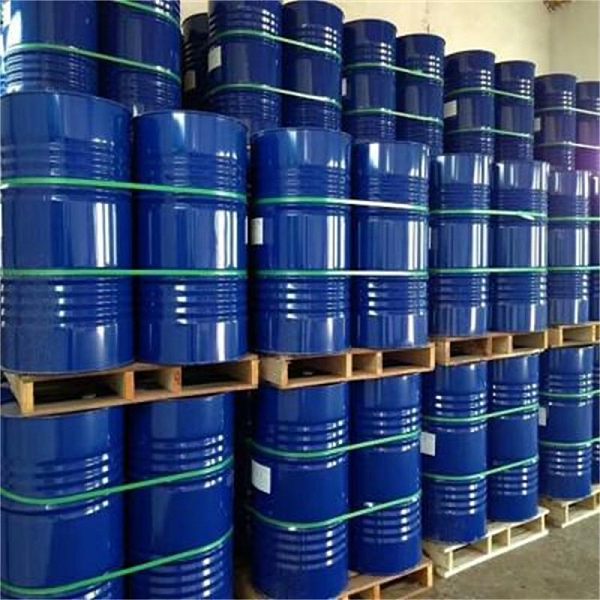
Company advantages

One-Stop Procurement
Platform
We integrate resources across all productcategories, including organic solvents,resins and rubbers, and inorganicchemicals,and strictly control suppliers.supply chains, and after-sales processes toensure stable quality, efficienttransportation,and worry-free use,simplifying your procurement process.

Professional Team TechnicalEmpowerment
Equipped with an experienced technicalteam, we provide free personalizedsolutions and professional technicalsupport to customers in varlous industrie,such as pharmaceuticals, petrochemicals,coatings and inks, and sewage treatment,.helping you solve problems and improveefficiency.

Global supply ChainSecurity
We work with top domestic and foreignchemical giants such as Luxi Group, QiluPetrochemical, Sinopec, BASF of Germany,and Dow of the United States to establisha stable and reliable high-quality supplynetwork and a mature logistics system toensure timely and safe delivery of
products.

Deep Win-Win CooperationConcept
Adhering to the concept of "integrity.immediate action, professionalism,innovation and win-win" and taking"customer success and altruism" as ourmission, we are committed to establishinglong-term strategic partnerships andcreating a better future through excellentproducts and services.
Related products
 Electronic Grade DL-Tartaric acid CSA 133-37-9
 2-Hydroxyethyl acrylate
 Terephthalic acid PTA
--Tech.Grade") Sodium Pyrophosphate(TSPP)--Tech.Grade
Sodium Pyrophosphate(TSPP)--Tech.Grade--Tech.Grade &Food Grade") Sodium Tripolyphosphate(STPP)--Tech.Grade &Food Grade
Sodium Tripolyphosphate(STPP)--Tech.Grade &Food Grade--Food Additive") Sodium Acid Pyrophosphate(SAPP)--Food Additive
Sodium Acid Pyrophosphate(SAPP)--Food Additive--Tech Grade &Food Grade") Sodium Hexametaphosphate(SHMP)--Tech Grade &Food Grade
Sodium Hexametaphosphate(SHMP)--Tech Grade &Food Grade--Tech.Grade &Food Grade") Urea Phosphate(UP)--Tech.Grade &Food Grade
Urea Phosphate(UP)--Tech.Grade &Food Grade") Monosodium Phosphate(MSP)
Monosodium Phosphate(MSP)") Disodium Phosphate(DSP)
Disodium Phosphate(DSP)--Tech.Grade") Potassium Pyrophosphate(TKPP)--Tech.Grade
Potassium Pyrophosphate(TKPP)--Tech.Grade") Monoammonium Phosphate(MAP)
Monoammonium Phosphate(MAP)") Diammonium Phosphate(DAP)
Diammonium Phosphate(DAP)") Monopotassium Phosphate(MKP)
Monopotassium Phosphate(MKP)") Dipotassium Phosphate(DKP)
Dipotassium Phosphate(DKP) Red Phosphorus
") Sodium T-Amylate(STA)
Sodium T-Amylate(STA) Sodium Acetate
 Sodium carbonate
 Phosphoric acid 75%/85%
 Sodium formate 92%,95%,98%
 Potassium formate 75%,97%
 Calcium formate 98%
 Formic acid 85%/90%/94%/99%
 Acetic acid solution 45%/55%/65%/75%/80%/90%
 GLACIAL ACETIC ACID
") Methacrylic acid(MAA)
Methacrylic acid(MAA) Adipic Acid
 Sulfamic Acid
 Salicylic Acid
 Gluconic Acid
 Benzoic Acid
 Glacial Acetic Acid
 Adipic Acid
 Oxalic Acid
 Citric Acid
 Boric Acid
 Sulfamic Acid
 Salicylic Acid
 Formic Acid
Message
Leave A Message
If you are interested in our products and want to know more details, please leave a message here, we will reply you as soon as we can.