





Product
massage
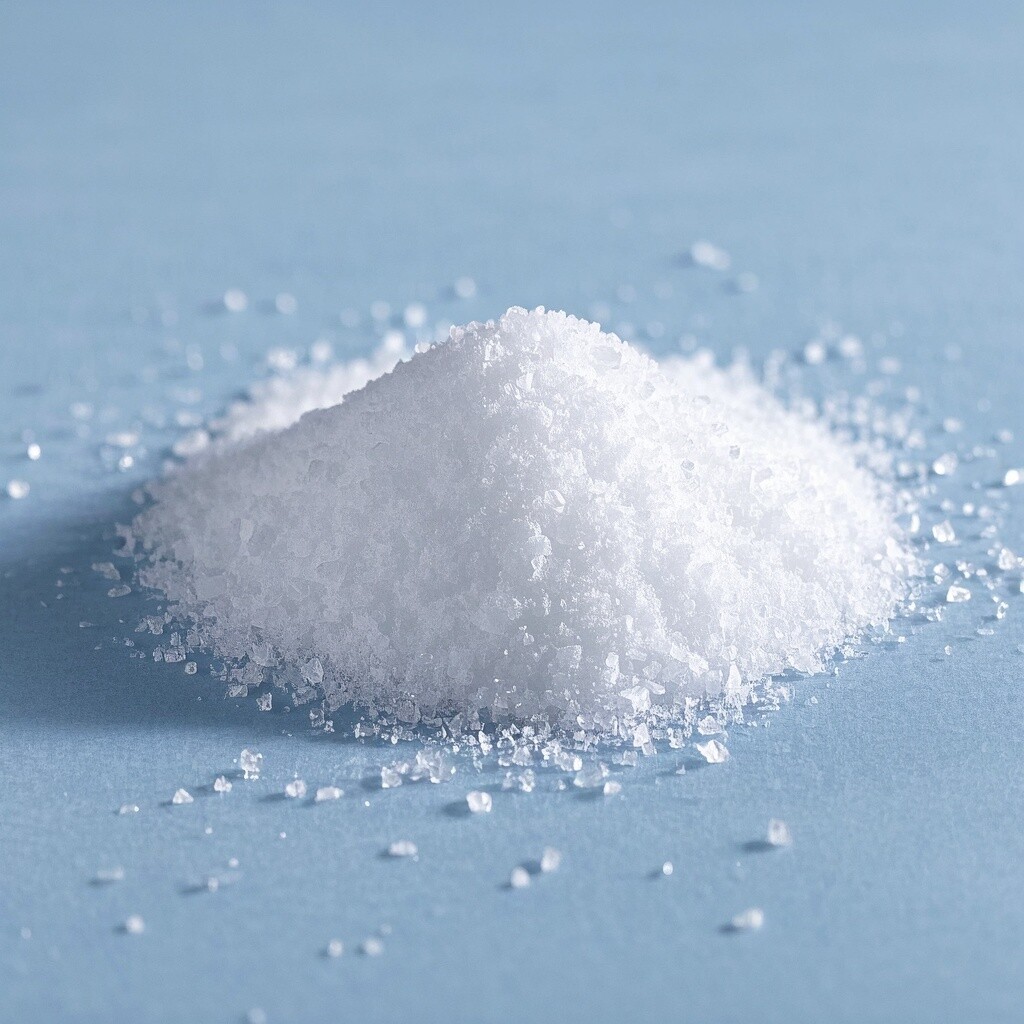
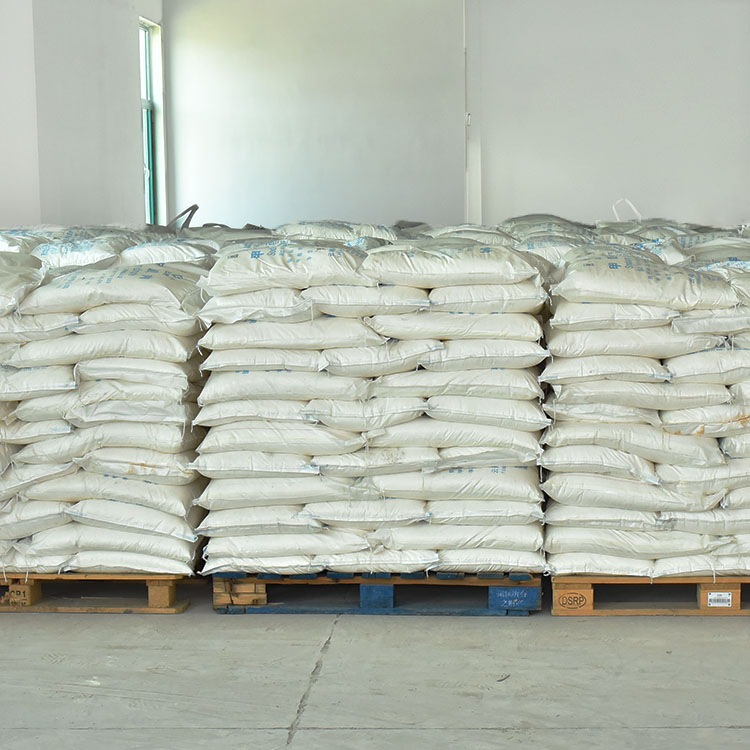
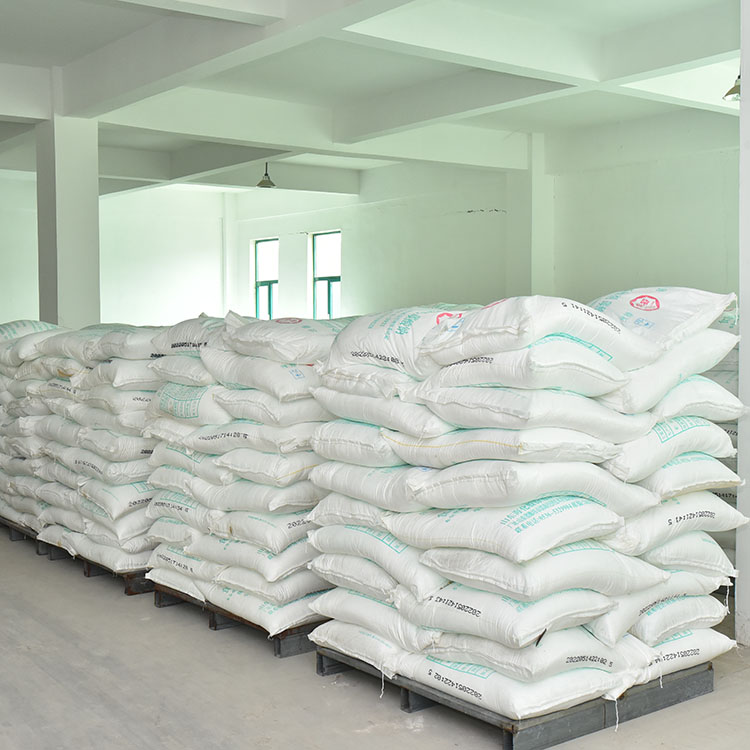
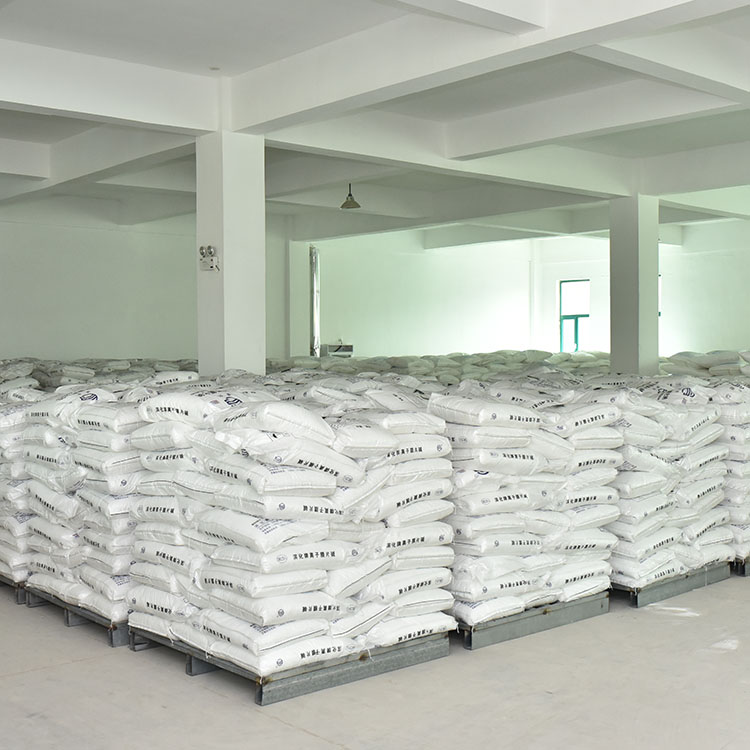
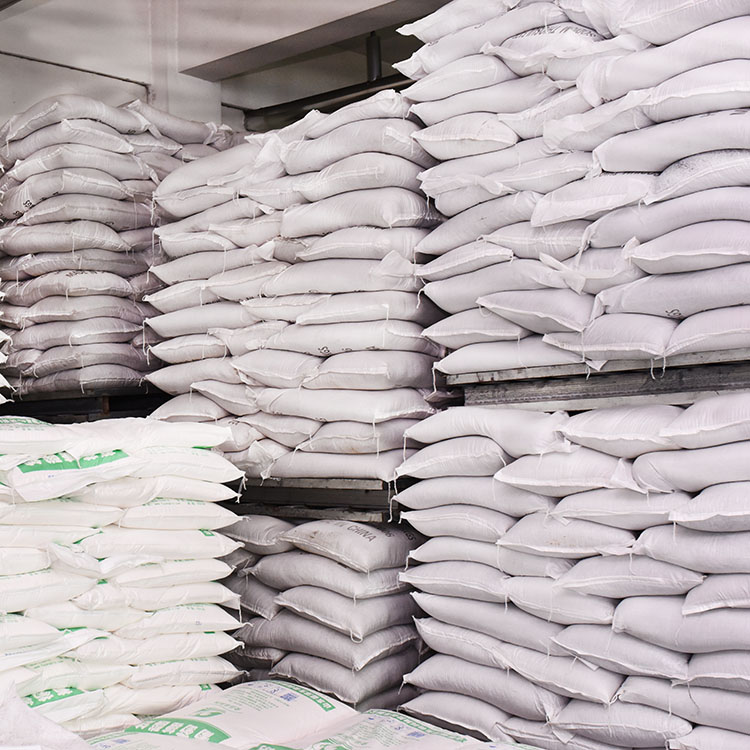
Sodium Pyrophosphate(TSPP)--Tech.Grade
Product Parameters
Basic Properties
1. Physical Properties
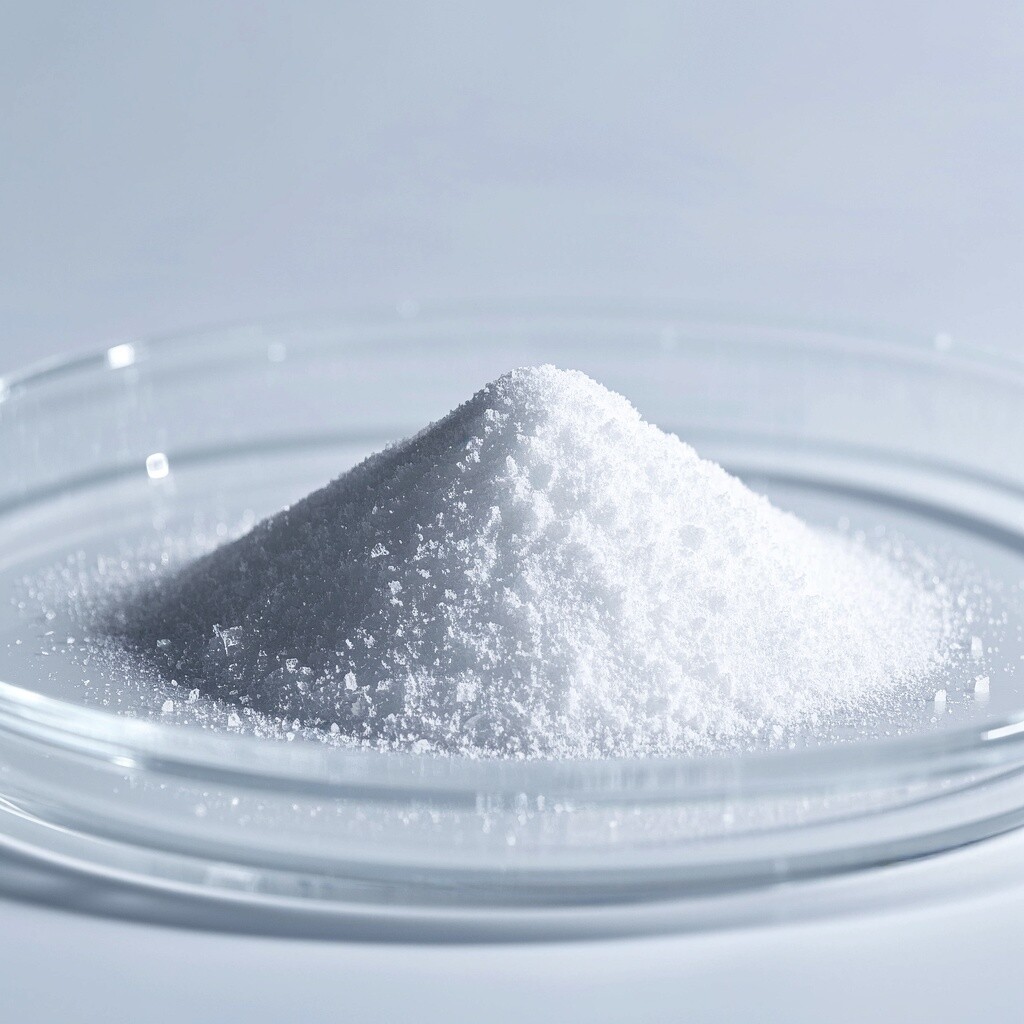
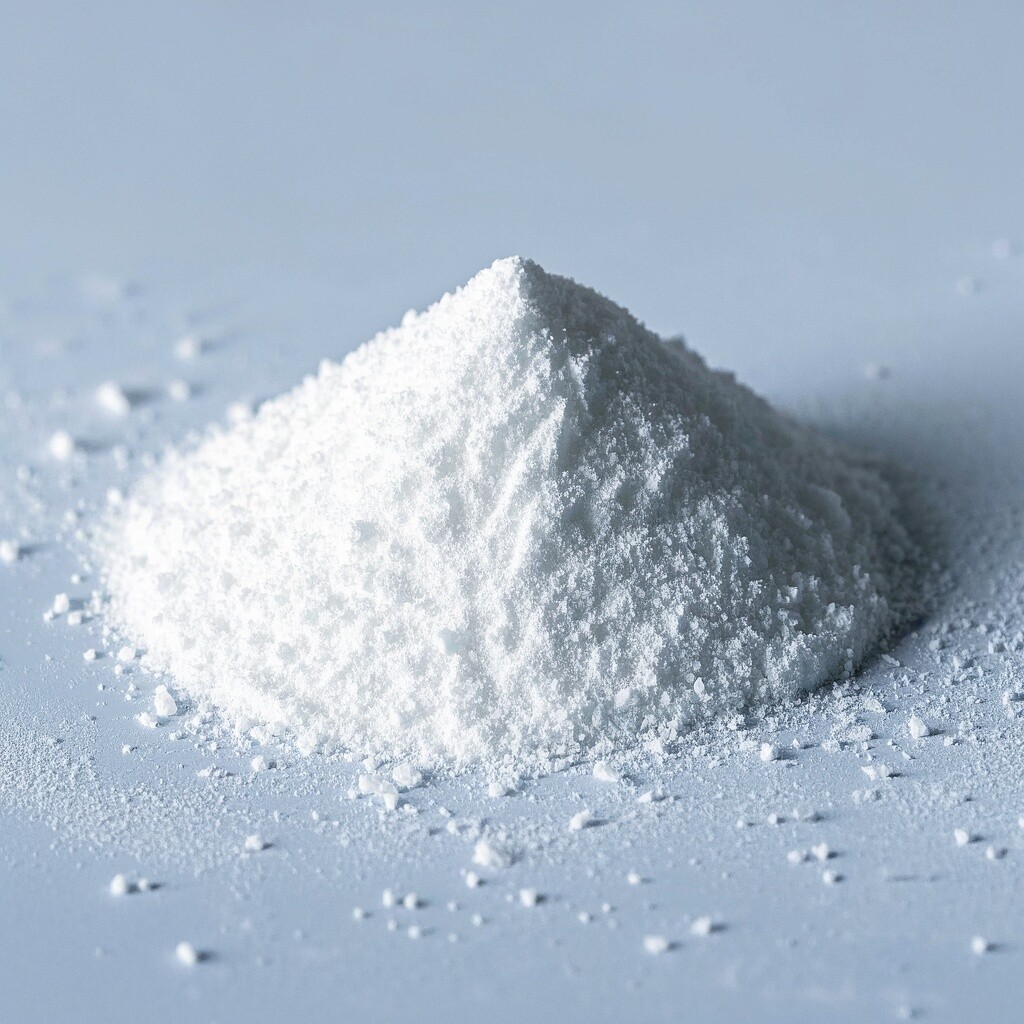
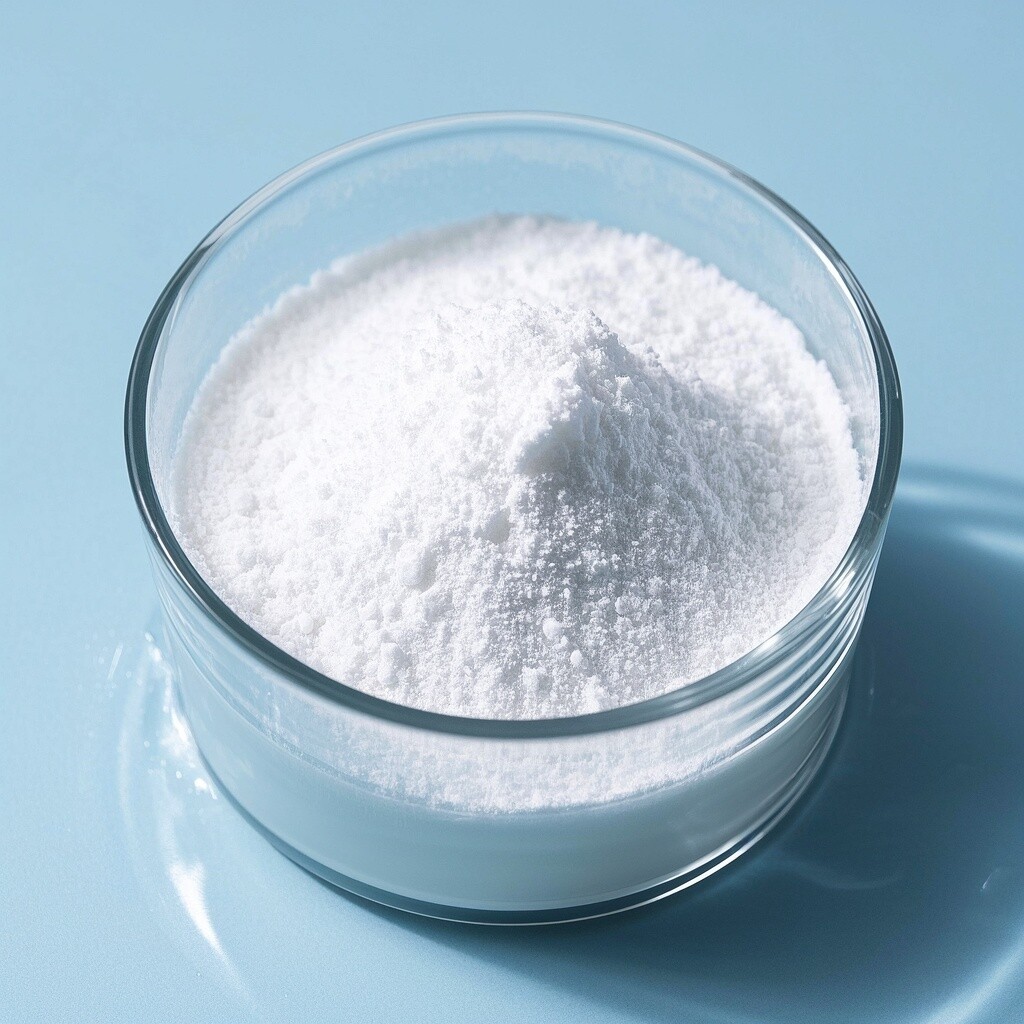
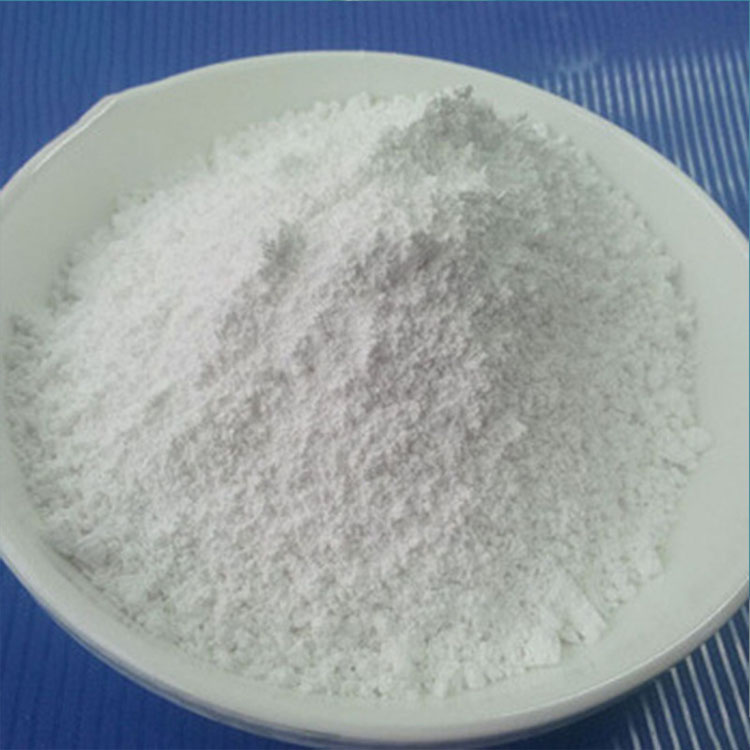
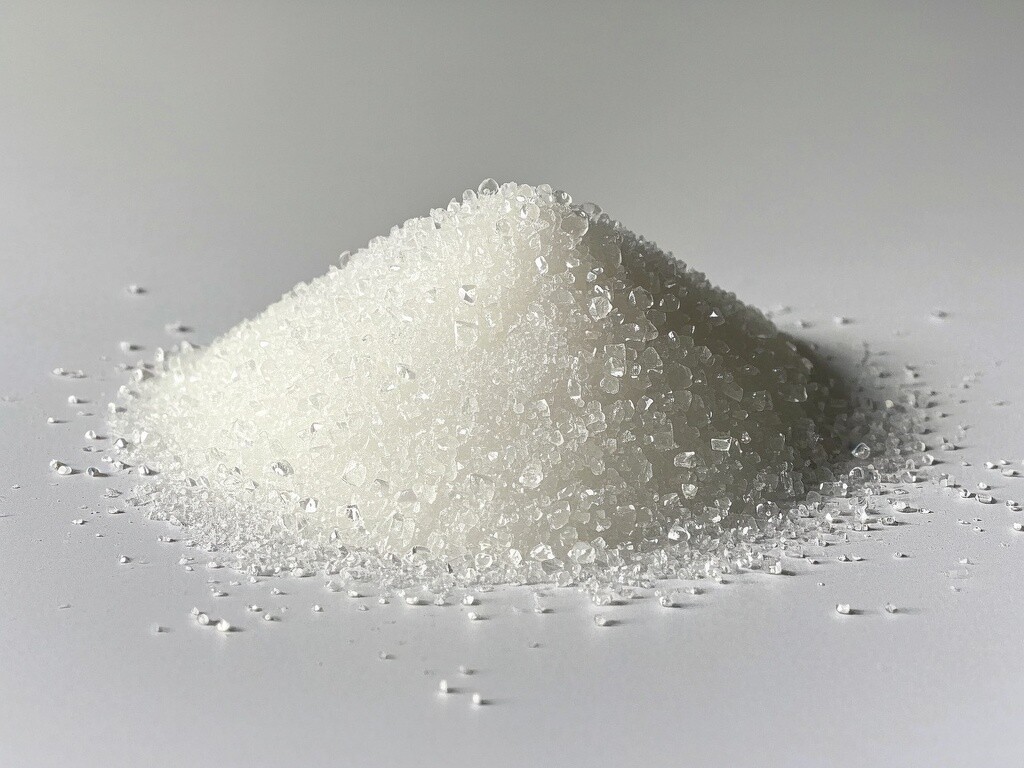
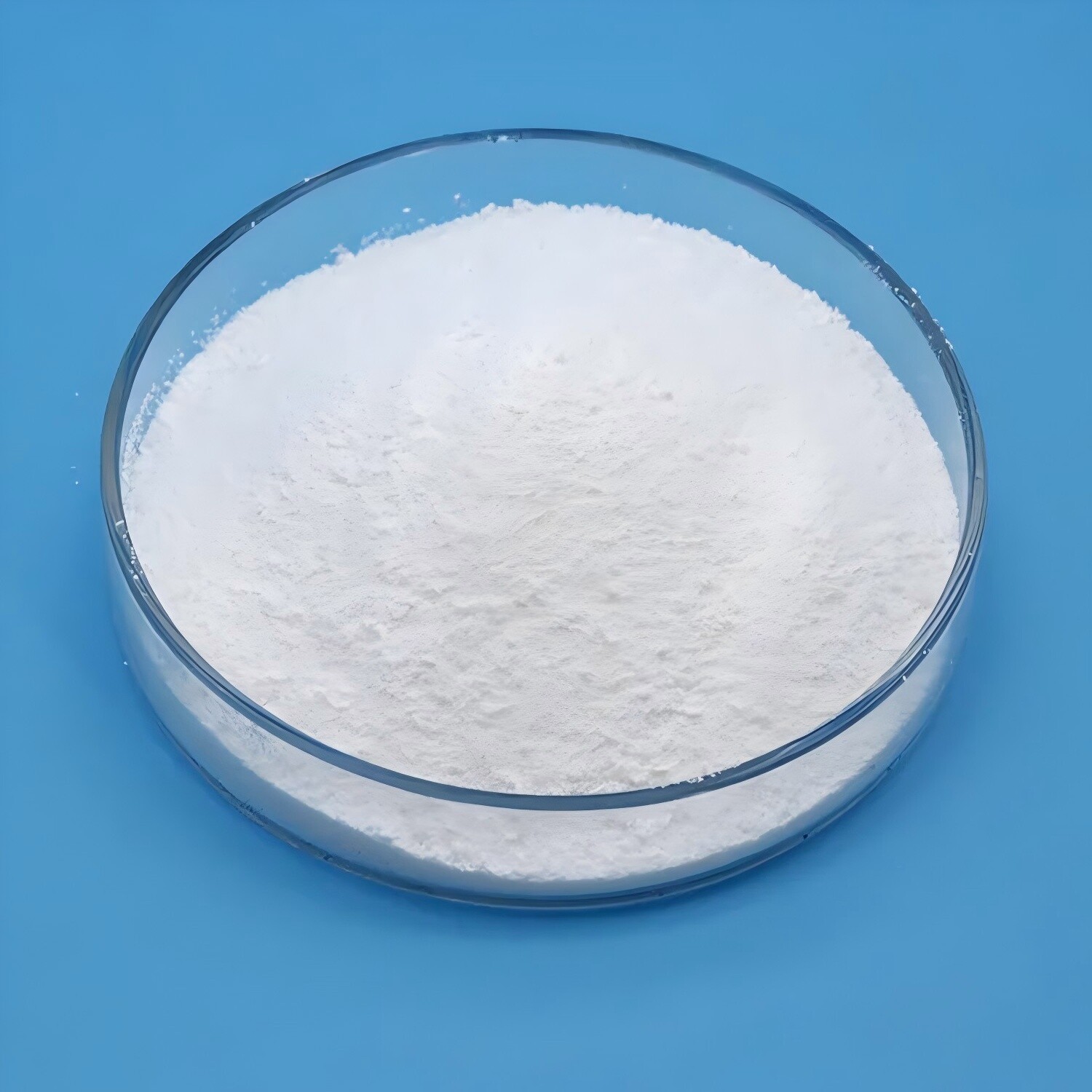
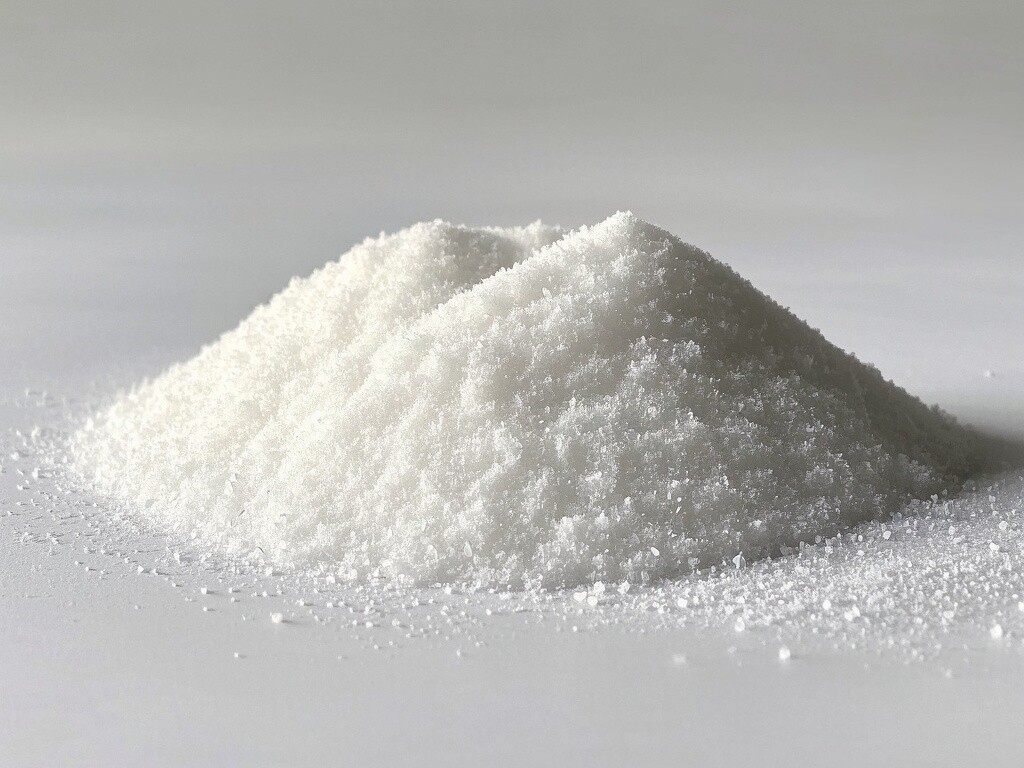
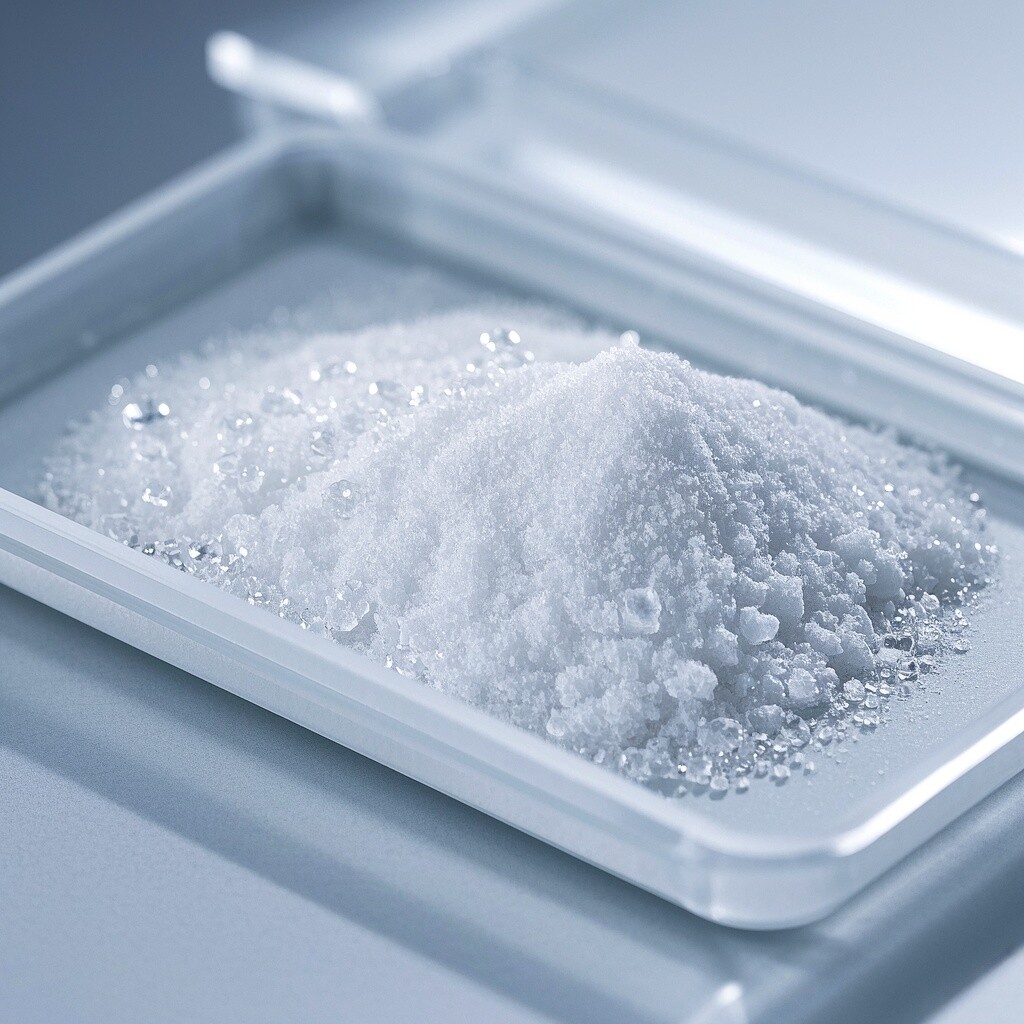
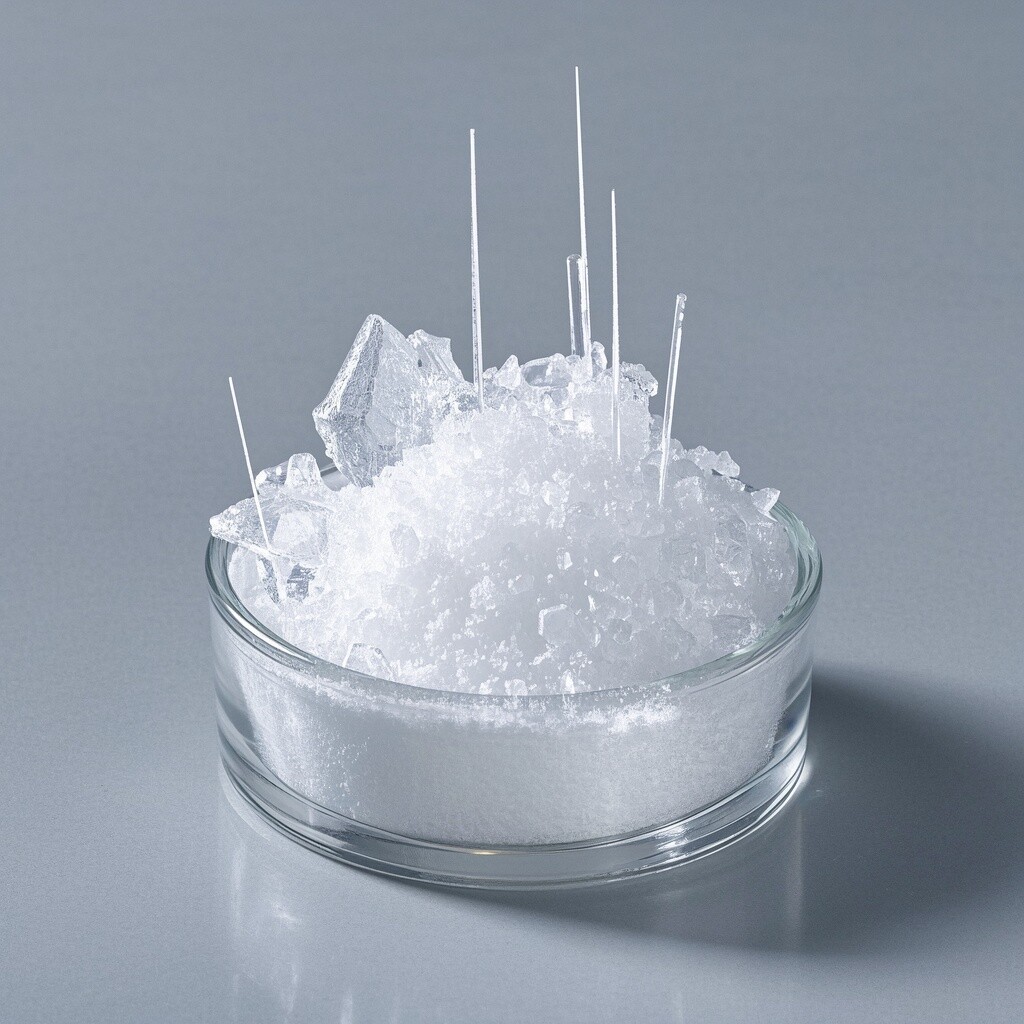
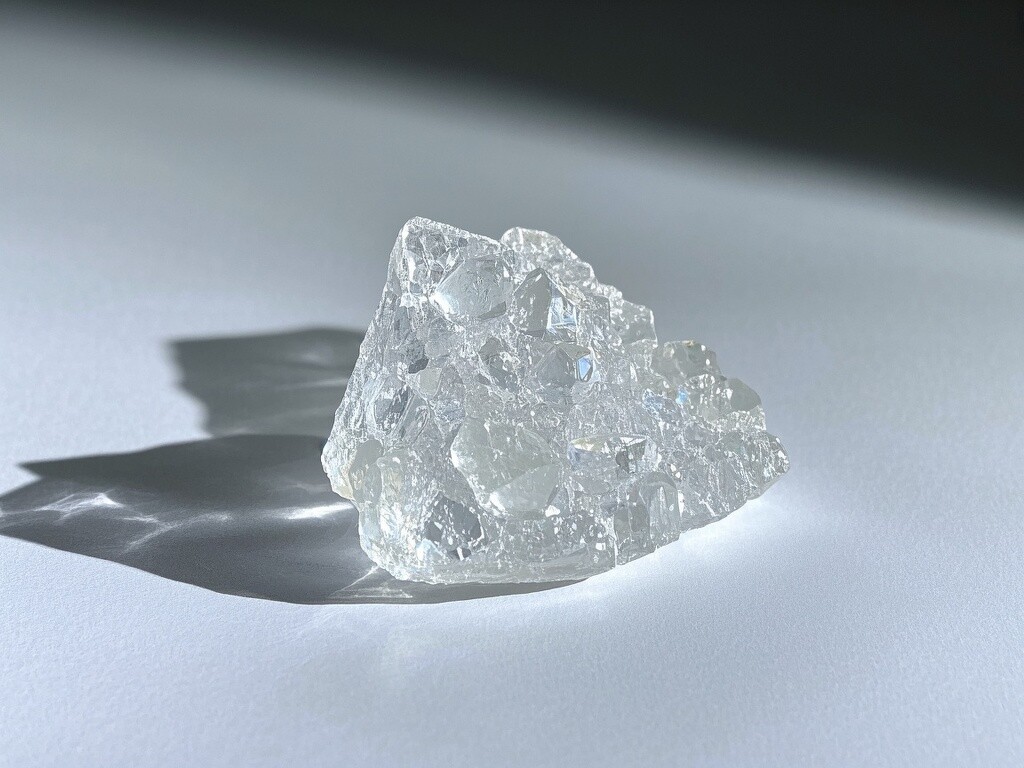
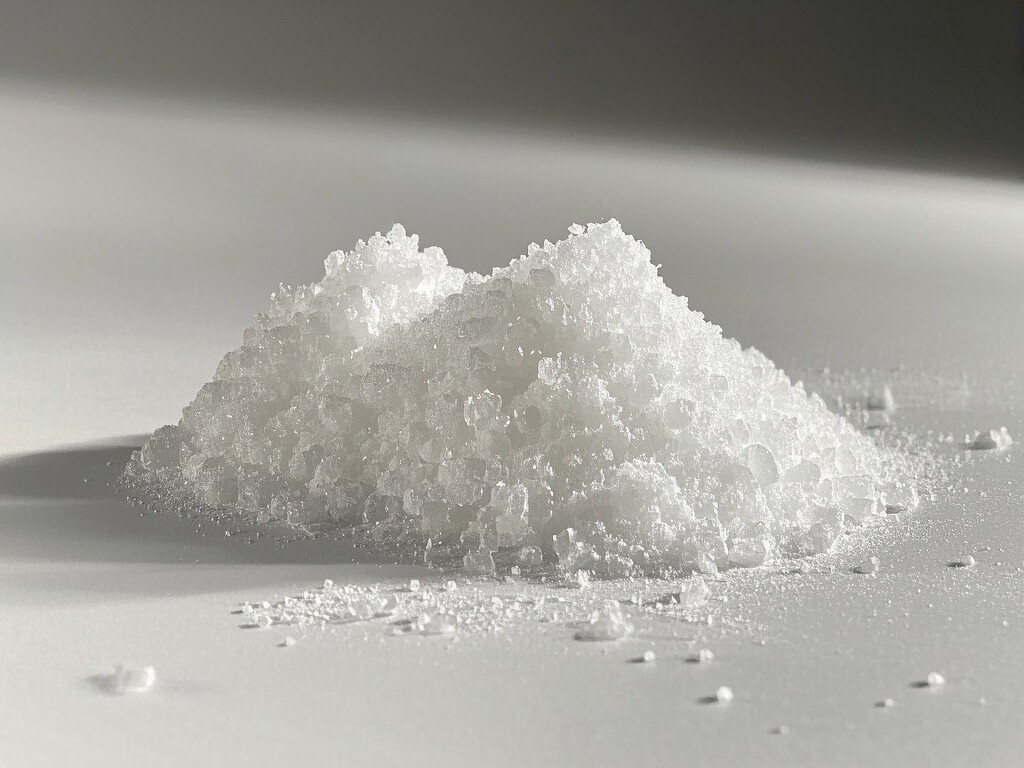
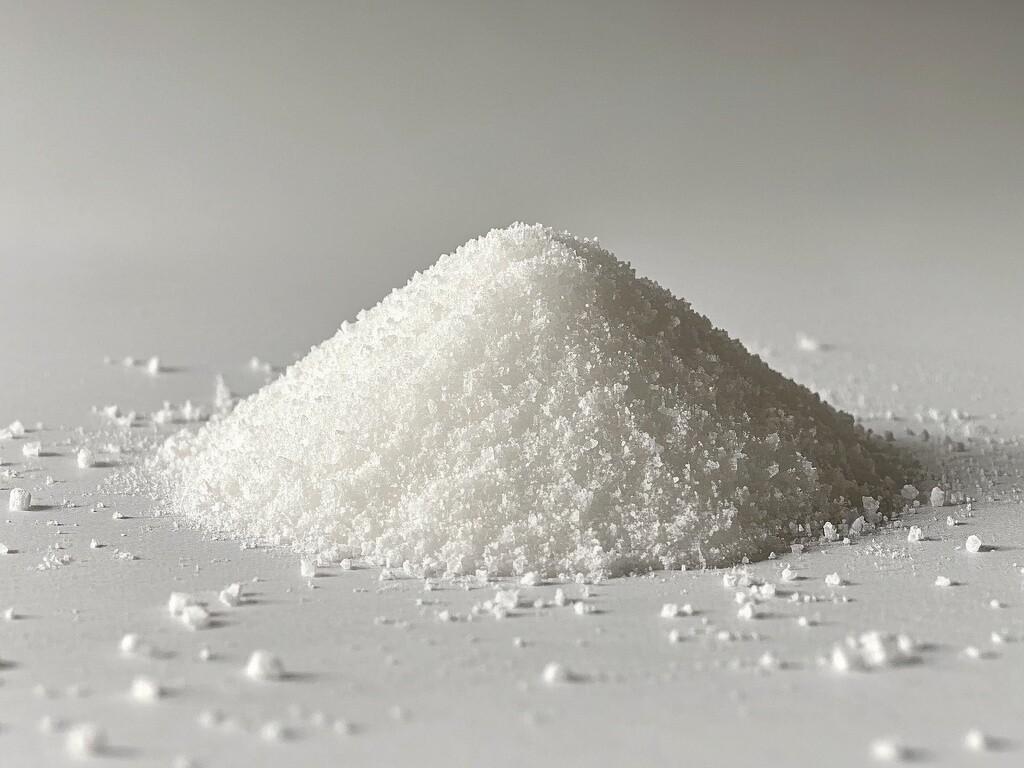
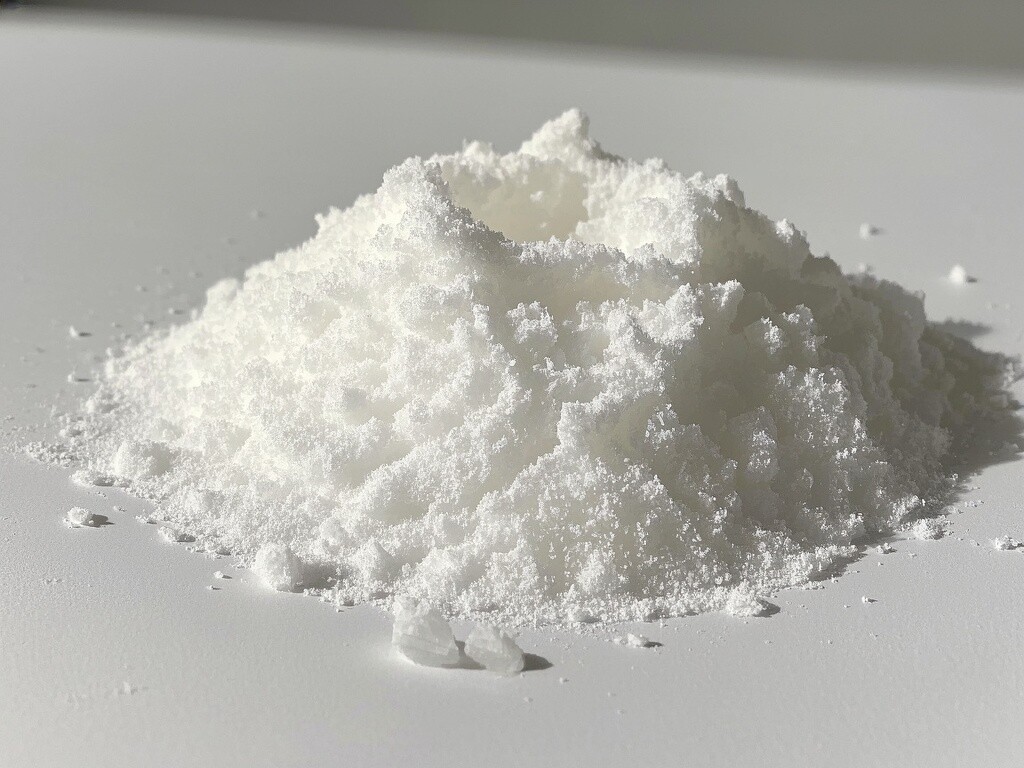
Appearance: Anhydrous sodium pyrophosphate is a white crystalline powder, while sodium pyrophosphate tetrahydrate is a white crystalline granule or powder. Both are odorless and have good flowability.
Solubility: Easily soluble in water, its aqueous solution is alkaline; insoluble in organic solvents such as ethanol and ether. The solubility of sodium pyrophosphate tetrahydrate increases with increasing temperature; at 20℃, its solubility in water is approximately 6.2 g/100 mL, and at 80℃, it can reach approximately 30 g/100 mL.
Hygroscopicity and Stability: Sodium pyrophosphate tetrahydrate has a certain degree of hygroscopicity and easily absorbs moisture and clumps in humid air; when heated to 110℃, it loses its water of crystallization and transforms into anhydrous sodium pyrophosphate; at high temperatures (above 900℃), it decomposes to form sodium metaphosphate.
Density and Melting Point: The relative density of anhydrous sodium pyrophosphate is approximately 2.534, and its melting point is approximately 880℃. Sodium pyrophosphate tetrahydrate has a relative density of approximately 1.82, and dehydrates to anhydrous form upon heating to 110℃, with no definite melting point.
2. Chemical Properties
Alkaline Reaction: Sodium pyrophosphate undergoes hydrolysis upon dissolving in water, producing products such as disodium hydrogen pyrophosphate. The aqueous solution has a pH of approximately 10-11, exhibiting strong alkalinity. It can react with strong acids to form pyrophosphate or phosphates.
Chelating Ability: It possesses excellent chelating ability for metal ions, forming stable chelates with ions such as calcium, magnesium, and iron. This effectively softens hard water, a core characteristic that makes it widely used in industry.
Complexation and Dispersion: It can undergo complexation reactions with high molecular weight substances such as proteins and starches, enhancing their solubility and stability. Simultaneously, it possesses good dispersibility, preventing the aggregation and sedimentation of particulate matter.
Conversion with phosphates: Under acidic conditions, sodium pyrophosphate can be gradually hydrolyzed into orthophosphate; when compounded with sodium tripolyphosphate, it can synergistically enhance the chelation and dispersion effects.
Main Applications
1. Food Industry
Meat Processing: Used as a water-retaining agent and quality improver, it chelates calcium and magnesium ions in meat, improving its water-holding capacity, reducing moisture loss during processing, and maintaining the tender texture and elasticity of meat products (ham, sausage, meatballs, etc.). It also improves slicing performance and prevents the finished product from crumbling.
Aquatic Product Processing: Used for the preservation and color protection of aquatic products such as shrimp and fish. It inhibits the activity of tyrosinase in aquatic products, preventing shrimp from turning black and extending shelf life; it also enhances the gel strength of fish products and improves texture.
Noodles and Baked Goods: Added to noodles, bread, and biscuits, it enhances the toughness and elasticity of dough, making noodles less prone to breakage and bread softer; it can also be used as a leavening agent to help baked goods form a uniform porous structure.
Dairy Products and Beverages: Used as an emulsifying stabilizer to prevent dairy products from separating and settling, improving the stability of beverage systems; in fruit juices, it chelates metal ions, preventing vitamin C oxidation and maintaining the beverage's color and nutritional value. 5. Canned Foods: Used in canned fruits and vegetables, it softens the fibrous tissue of fruits and vegetables, maintaining the crisp texture of the contents while preventing oxidation and corrosion of the can's inner wall.
2. Daily Chemical Industry
Detergents and Cleaning Agents: As one of the alternative additives for phosphate-free detergents (in some formulations), sodium pyrophosphate has a good ability to chelate hard water ions (calcium and magnesium ions), softening water and improving the detergency of detergents; it also has a dispersing effect, preventing secondary deposition of dirt on clothing surfaces. In industrial cleaning agents, it is commonly used to remove oil and rust from metal surfaces.
Toothpaste and Oral Care Products: Added to toothpaste, it acts as an abrasive and stabilizer, helping to clean plaque and stains from the tooth surface, while stabilizing the toothpaste's structure and preventing separation; it also regulates oral pH, reducing bacterial growth.
Cosmetics: Used as an emulsifier and pH adjuster in creams, lotions, and other products, it helps the oil and water phases mix evenly, improving product stability; it also adjusts the pH of cosmetics to better match the pH of human skin.
3. Water Treatment Industry:
As a water stabilizer, sodium pyrophosphate can be used in the treatment of industrial circulating cooling water and boiler water:
- It chelates calcium and magnesium ions in water, preventing scale buildup on pipes and boiler inner walls, reducing the risk of equipment corrosion;
- It also has corrosion inhibitor properties, forming a protective film on metal surfaces to reduce the erosion of metal equipment by corrosive ions in the water.
4. Metal Processing and Electroplating Industry:
Metal Surface Treatment: Used as a component of metal rust removers and degreasers, it dissolves oxide scale and oil stains on metal surfaces, providing a clean metal surface for subsequent electroplating, spraying, and other processes.
Electroplating Process: As a complexing agent in electroplating solutions, it can form stable complexes with metal ions in the solution, allowing for uniform deposition of metal ions during electroplating and improving the gloss and adhesion of the coating. It is commonly used in zinc plating, copper plating, and nickel plating processes.
5. Textile Printing and Dyeing Industry
Textile Pretreatment: In the scouring and bleaching processes of cotton, linen, and other fibers, sodium pyrophosphate can chelate metal ions in water, preventing hard water ions from reacting with bleaching agents and dyes, thus improving bleaching effect and dyeing uniformity.
Printing and Dyeing Auxiliaries: Used as a dispersant and stabilizer for dyes, it helps dyes disperse evenly in the dye bath, preventing dye aggregation and ensuring bright and uniform color in fabric dyeing; it can also adjust the pH value of the dye bath, enhancing the binding force between dyes and fibers.
6. Other Fields
Ceramic Industry: Used as a dispersant for ceramic raw materials, it improves the fluidity of ceramic slurries, prevents particle agglomeration in the slurry, and improves the molding quality and surface smoothness of ceramic products.
Paper industry: When added to pulp, it can be used as a sizing agent to improve the water resistance and strength of paper; at the same time, it can disperse the fibers in the pulp, reduce fiber flocculation, and make the paper uniform in thickness.
Safety Precautions
1. Health and Safety Precautions
Skin Contact Protection:Sodium pyrophosphate powder or solution is slightly corrosive. Prolonged or direct contact can damage the skin barrier, causing irritation symptoms such as dryness, peeling, and itching. When handling sodium pyrophosphate, wear nitrile rubber gloves, long-sleeved protective clothing, and non-slip safety shoes to avoid exposing skin. If accidental contact occurs, immediately flush the affected area with plenty of running water for at least 15 minutes. If redness, swelling, or burning occurs, seek medical attention immediately.
Eye Protection:Sodium pyrophosphate powder or solution splashing into the eyes can irritate the conjunctiva and cornea, causing conjunctival congestion, pain, blurred vision, and other discomfort. Wear impact-resistant goggles during operation. In dusty processes such as feeding and mixing, it is recommended to use a full-face mask for enhanced protection. If eye contact occurs, immediately lift the eyelids and flush continuously with plenty of water or saline solution for 15-20 minutes. Avoid rubbing the eyes during this time and seek medical attention as soon as possible.
Respiratory Protection:Dry sodium pyrophosphate powder is prone to generating dust. Inhalation can irritate the nasal, pharyngeal, and respiratory mucosa, causing symptoms such as coughing, dry throat, and chest tightness. Operations must be carried out in a fume hood or well-ventilated work area, while wearing a KN95 or higher level dust mask. Prolonged crushing or feeding operations without protection are prohibited. Ventilate the area promptly after operation.
Ingestion Protection:Sodium pyrophosphate is not edible. Ingestion can irritate the digestive tract mucosa, causing nausea, vomiting, abdominal pain, and diarrhea. Excessive intake may also affect calcium and phosphorus metabolism. Thoroughly wash hands after handling. Eating, drinking, and smoking are strictly prohibited in the work area. The product must be stored in a sealed container in a dedicated warehouse, strictly separated from food, beverages, and animal feed. The packaging must be labeled with a "Non-edible Chemical Product" warning. If ingestion occurs, do not induce vomiting. Immediately drink plenty of warm water to dilute the product and seek medical attention with the product label in hand.
2. Storage and Transportation Safety Precautions
Storage Requirements
- Store in a cool, dry, and well-ventilated warehouse, away from fire and heat sources. The warehouse temperature should be controlled below 35℃, and the relative humidity should not exceed 70% to prevent the product from absorbing moisture, clumping, or deteriorating.
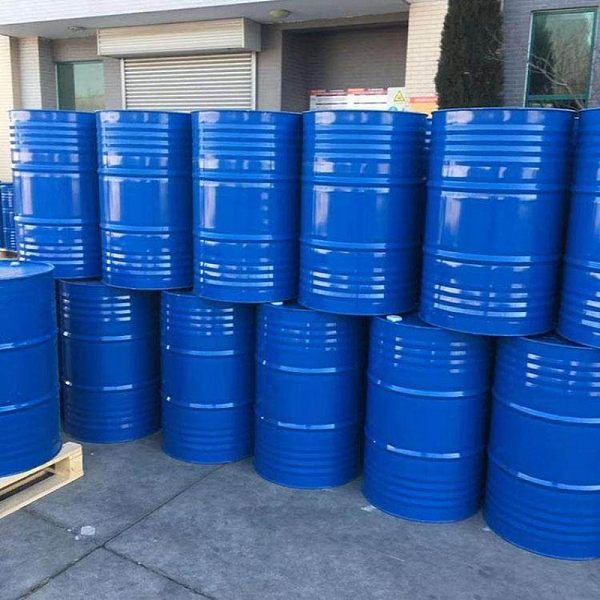
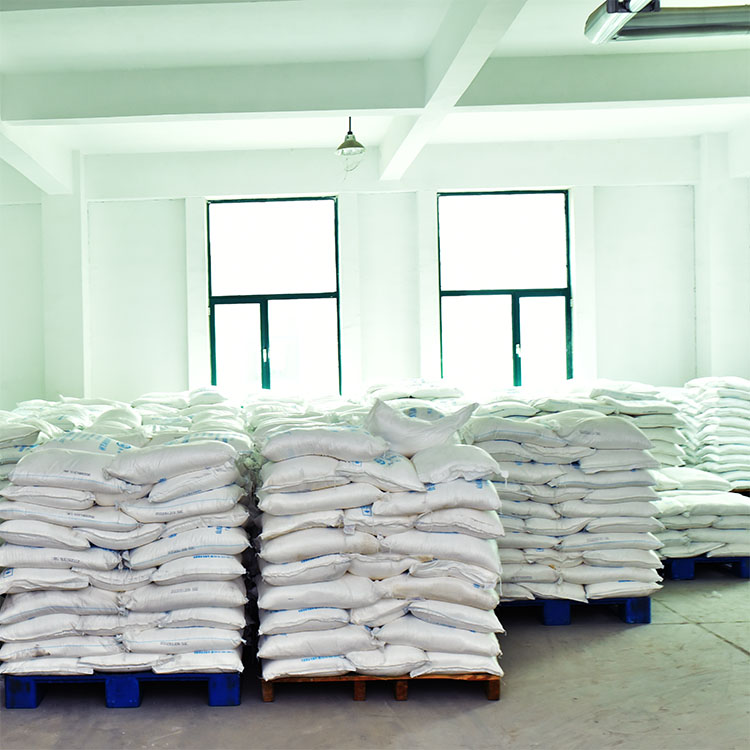
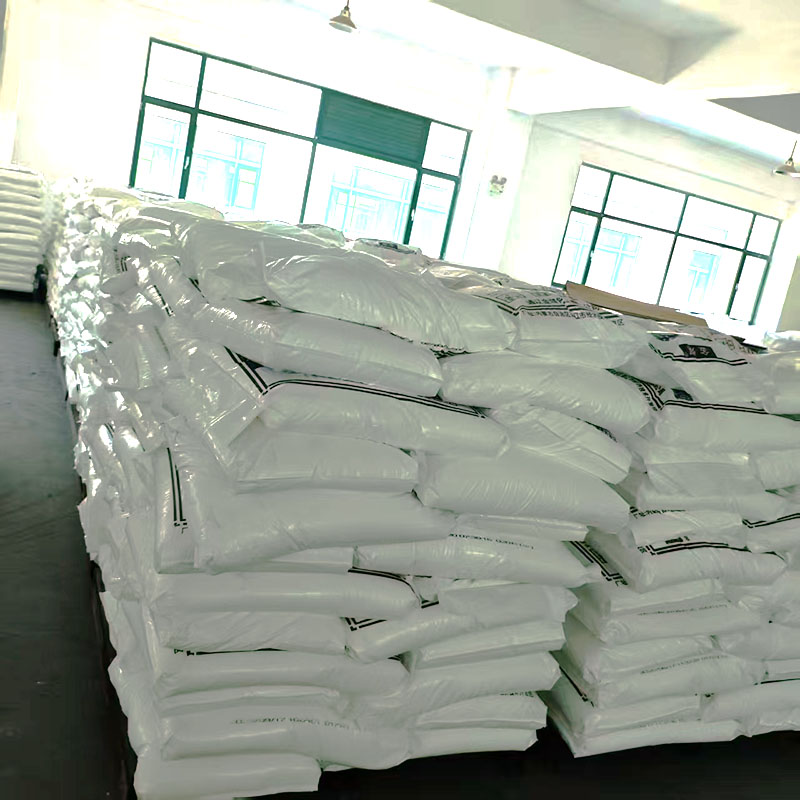
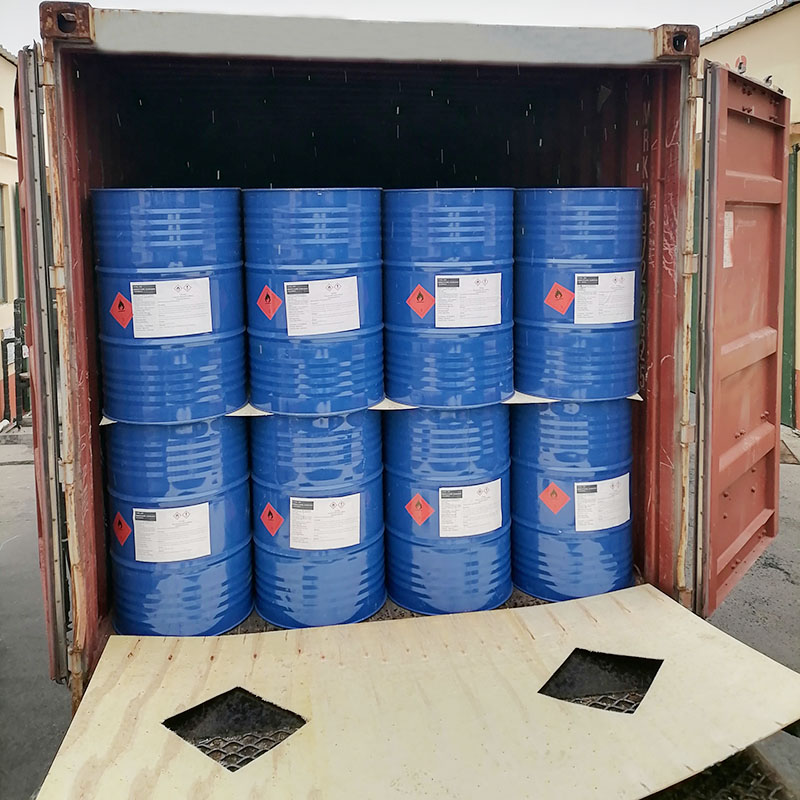
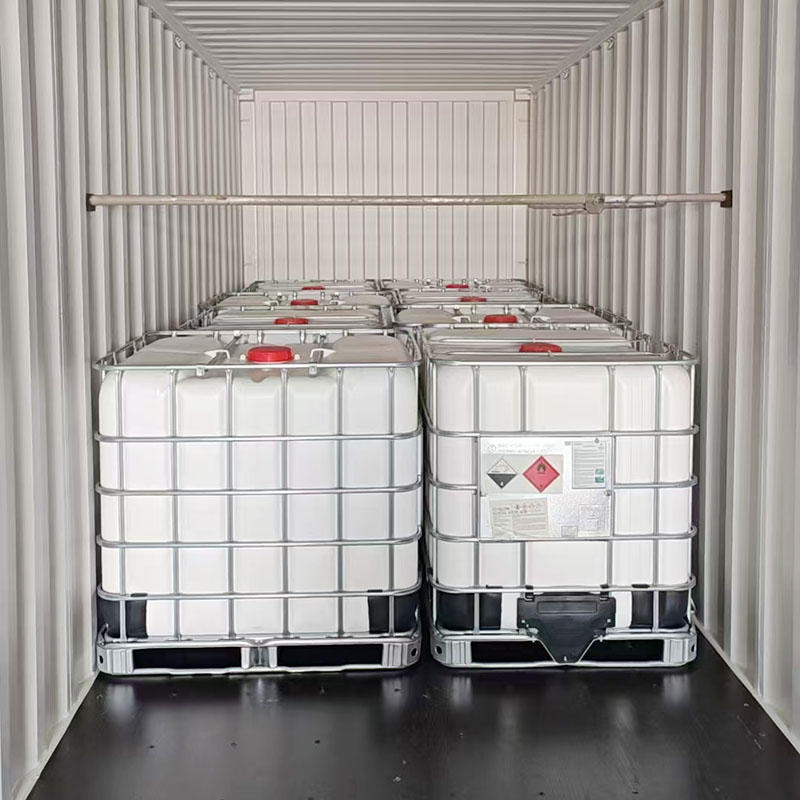
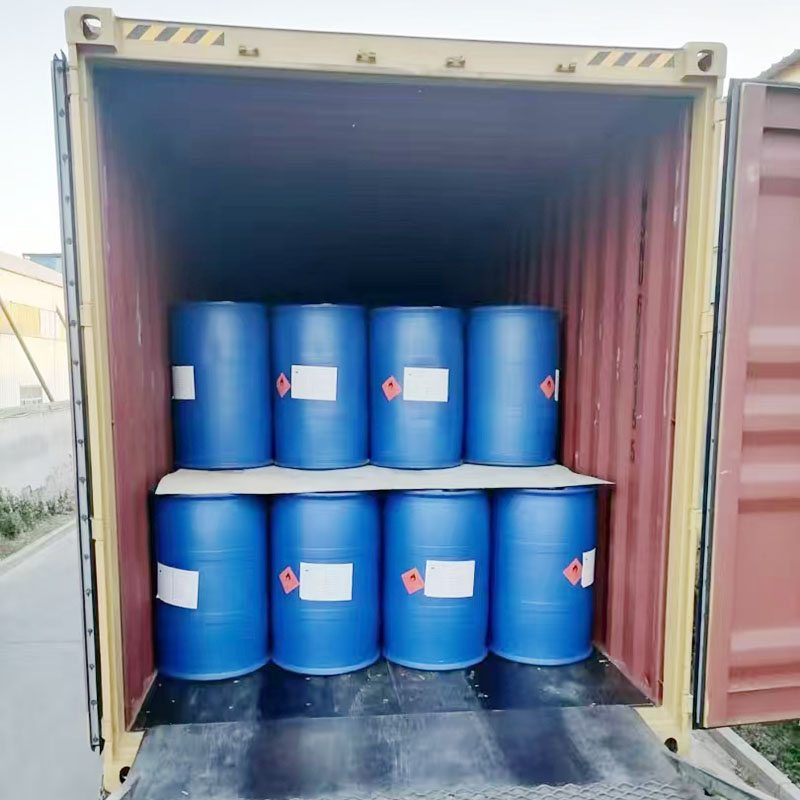
- Use woven bags or sealed drums lined with plastic film for packaging. When stacking, elevate the bottom of the product by at least 10cm and maintain a 20cm distance from the wall to prevent moisture absorption. Once opened, the product should be used as soon as possible; any remaining portion must be tightly sealed.
- Do not store with strong acids, strong oxidizers, or heavy metal salts, such as hydrochloric acid, potassium permanganate, or silver nitrate, to prevent chemical reactions that could produce toxic or harmful substances. Store separately from food ingredients and daily chemical products.
- The storage area should be equipped with spill response equipment (brooms, dustpans, leak-proof mats) and appropriate fire extinguishers.
Transportation Requirements
- Transport vehicles must be kept dry and clean. The cargo compartment should be lined with rainproof tarpaulins or plastic film to prevent the product from getting damp. During transportation, cover the product with a tarpaulin to avoid rain, sun exposure, and severe jolting.
- Handle with care during loading and unloading to prevent packaging damage and powder leakage. Do not transport the product together with strong acids, strong alkalis, or other hazardous chemicals to avoid reactions during transport.
- Comply with relevant regulations for the transportation of chemical products. The transportation route should avoid sensitive areas such as residential areas, schools, and water sources.
3. Emergency Handling of Leaks
Small Leaks: Immediately collect the leaked material with a dry broom or shovel into a sealed, dedicated container, label it "Sodium Pyrophosphate to be Treated," and hand it over to a qualified unit for disposal. Do not discard it indiscriminately. Avoid flushing the leaked material into sewers to prevent water pollution.
Large-scale leakage: Immediately establish a warning zone and prohibit unauthorized personnel from entering; use impermeable mats to contain the leak area and prevent powder spread; handling personnel must wear full protective gear (protective clothing, gloves, goggles, dust masks), collect the powder, and transfer it to a dedicated container, while simultaneously cleaning the leak area.
4. Environmental Safety Precautions
If large quantities of sodium pyrophosphate enter water bodies, it will lead to eutrophication and disrupt the aquatic ecological balance. Wastewater generated during the production process must be treated to meet standards before discharge; direct discharge into rivers, lakes, or other natural water bodies is strictly prohibited.
Discarded product packaging must be collected and disposed of by professional organizations; it must not be discarded arbitrarily; expired or scrapped sodium pyrophosphate must be entrusted to a qualified hazardous waste treatment unit for disposal; unauthorized burial or incineration is prohibited.
Company Profile
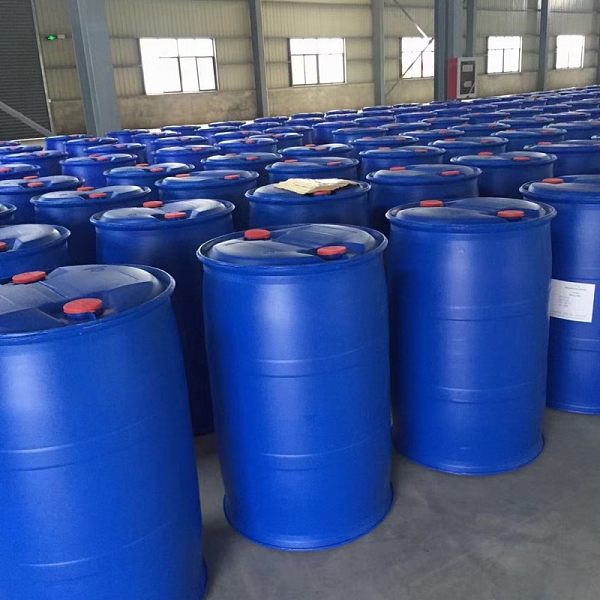
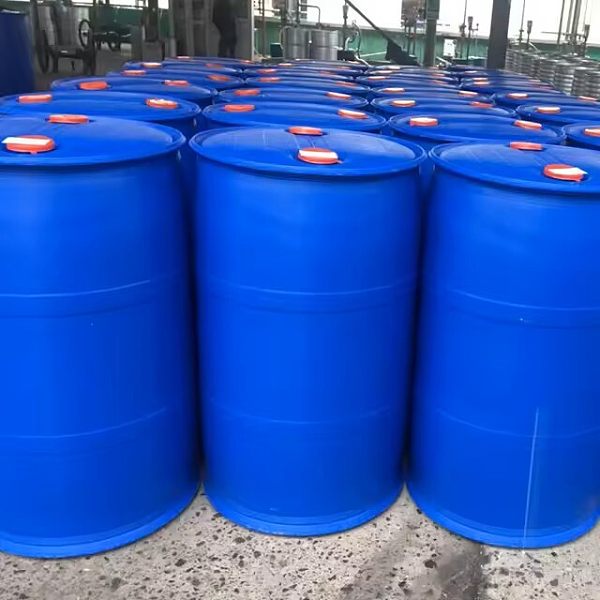
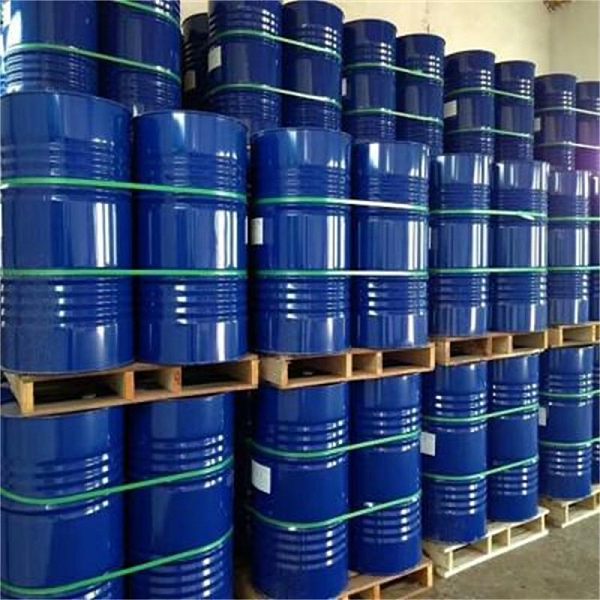
Junteng Chemical is a professional chemical raw materials trading company dedicated to providing customers with one-stop procurement services. Through strict supplier, supply chain, and after-sales management, the company ensures that product quality, transportation, and use meet customer needs. Furthermore, the company's technical team offers customized solutions and support services free of charge.
The company has projects in the pharmaceutical, pesticide, petrochemical, construction, food additives, wastewater treatment, adhesives, inks, paints, coatings, plastic and rubber processing, detergent raw materials, fertilizer and textile mills, and more. Junteng Chemical sources products of stable and reliable quality, collaborating with domestic and international companies such as Luxi Group, Weiyuan Chemical, Qilu Petrochemical, Dongying Lihuayi, Yanshan Petrochemical, Sinopec, Shijiazhuang Refinery, Qingdao Petrochemical, Sailboat, Dow Chemical, BASF, South Korea, Taiwan, and Saudi Arabia. Our stable supply, superior product quality, and mature logistics have earned us a wide clientele. We look forward to collaborating with all of you for a mutually beneficial future.
Company advantages

One-Stop Procurement
Platform
We integrate resources across all productcategories, including organic solvents,resins and rubbers, and inorganicchemicals,and strictly control suppliers.supply chains, and after-sales processes toensure stable quality, efficienttransportation,and worry-free use,simplifying your procurement process.

Professional Team TechnicalEmpowerment
Equipped with an experienced technicalteam, we provide free personalizedsolutions and professional technicalsupport to customers in varlous industrie,such as pharmaceuticals, petrochemicals,coatings and inks, and sewage treatment,.helping you solve problems and improveefficiency.

Global supply ChainSecurity
We work with top domestic and foreignchemical giants such as Luxi Group, QiluPetrochemical, Sinopec, BASF of Germany,and Dow of the United States to establisha stable and reliable high-quality supplynetwork and a mature logistics system toensure timely and safe delivery of
products.

Deep Win-Win CooperationConcept
Adhering to the concept of "integrity.immediate action, professionalism,innovation and win-win" and taking"customer success and altruism" as ourmission, we are committed to establishinglong-term strategic partnerships andcreating a better future through excellentproducts and services.
Related products
 Electronic Grade DL-Tartaric acid CSA 133-37-9
 2-Hydroxyethyl acrylate
 Terephthalic acid PTA
--Tech.Grade") Sodium Pyrophosphate(TSPP)--Tech.Grade
Sodium Pyrophosphate(TSPP)--Tech.Grade--Tech.Grade &Food Grade") Sodium Tripolyphosphate(STPP)--Tech.Grade &Food Grade
Sodium Tripolyphosphate(STPP)--Tech.Grade &Food Grade--Food Additive") Sodium Acid Pyrophosphate(SAPP)--Food Additive
Sodium Acid Pyrophosphate(SAPP)--Food Additive--Tech Grade &Food Grade") Sodium Hexametaphosphate(SHMP)--Tech Grade &Food Grade
Sodium Hexametaphosphate(SHMP)--Tech Grade &Food Grade--Tech.Grade &Food Grade") Urea Phosphate(UP)--Tech.Grade &Food Grade
Urea Phosphate(UP)--Tech.Grade &Food Grade") Monosodium Phosphate(MSP)
Monosodium Phosphate(MSP)") Disodium Phosphate(DSP)
Disodium Phosphate(DSP)--Tech.Grade") Potassium Pyrophosphate(TKPP)--Tech.Grade
Potassium Pyrophosphate(TKPP)--Tech.Grade") Monoammonium Phosphate(MAP)
Monoammonium Phosphate(MAP)") Diammonium Phosphate(DAP)
Diammonium Phosphate(DAP)") Monopotassium Phosphate(MKP)
Monopotassium Phosphate(MKP)") Dipotassium Phosphate(DKP)
Dipotassium Phosphate(DKP) Red Phosphorus
") Sodium T-Amylate(STA)
Sodium T-Amylate(STA) Sodium Acetate
 Sodium carbonate
 Phosphoric acid 75%/85%
 Sodium formate 92%,95%,98%
 Potassium formate 75%,97%
 Calcium formate 98%
 Formic acid 85%/90%/94%/99%
 Acetic acid solution 45%/55%/65%/75%/80%/90%
 GLACIAL ACETIC ACID
") Methacrylic acid(MAA)
Methacrylic acid(MAA) Adipic Acid
 Sulfamic Acid
 Salicylic Acid
 Gluconic Acid
 Benzoic Acid
 Glacial Acetic Acid
 Adipic Acid
 Oxalic Acid
 Citric Acid
 Boric Acid
 Sulfamic Acid
 Salicylic Acid
 Formic Acid
Message
Leave A Message
If you are interested in our products and want to know more details, please leave a message here, we will reply you as soon as we can.