





Product
massage
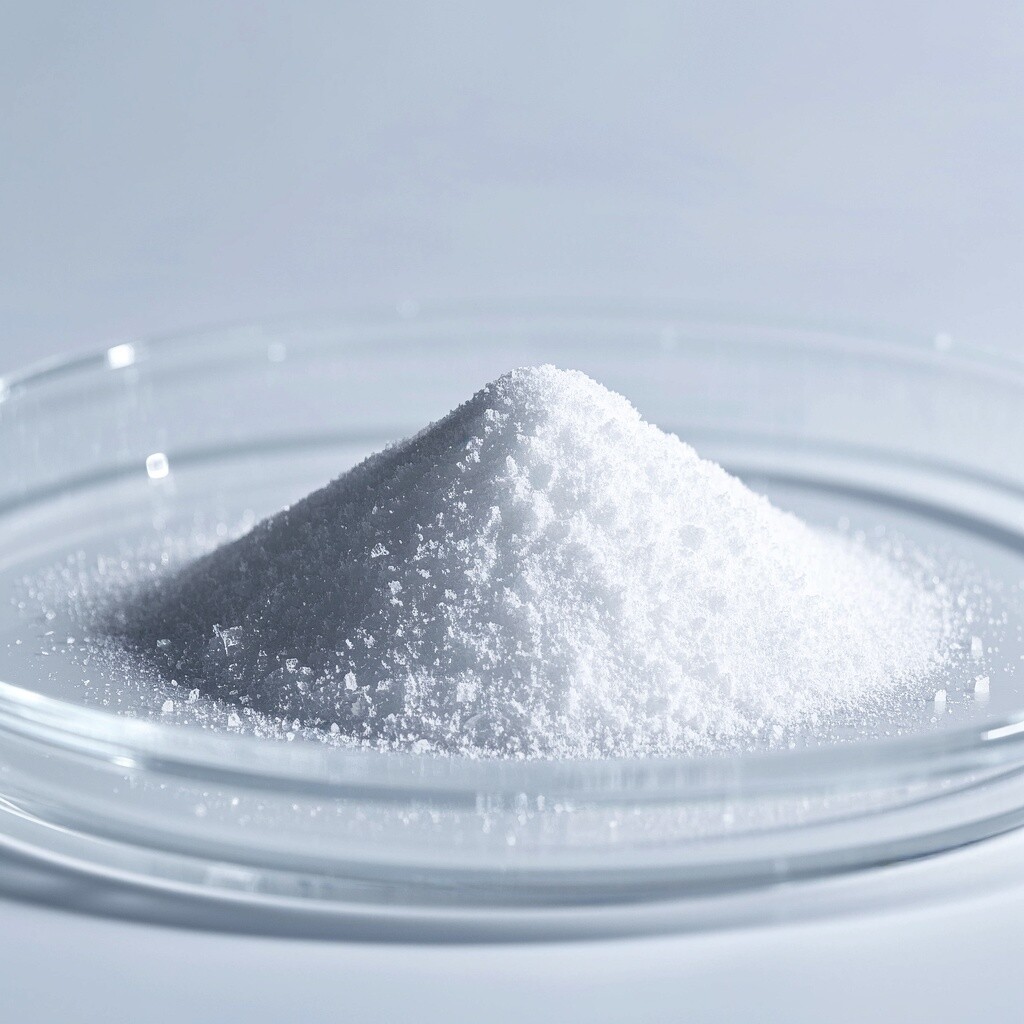


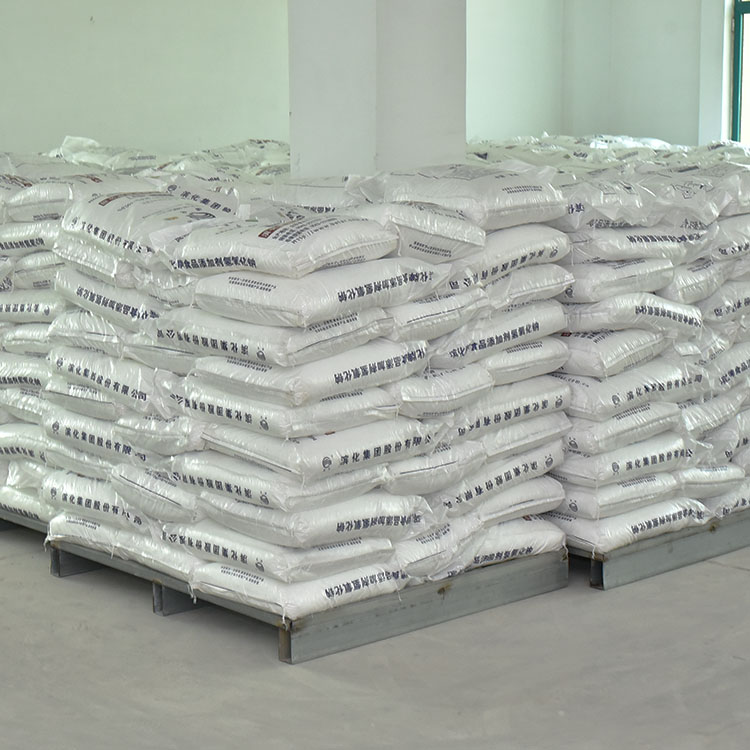


Monosodium Phosphate(MSP)
Product Parameters
Basic Properties
1. Physical Properties
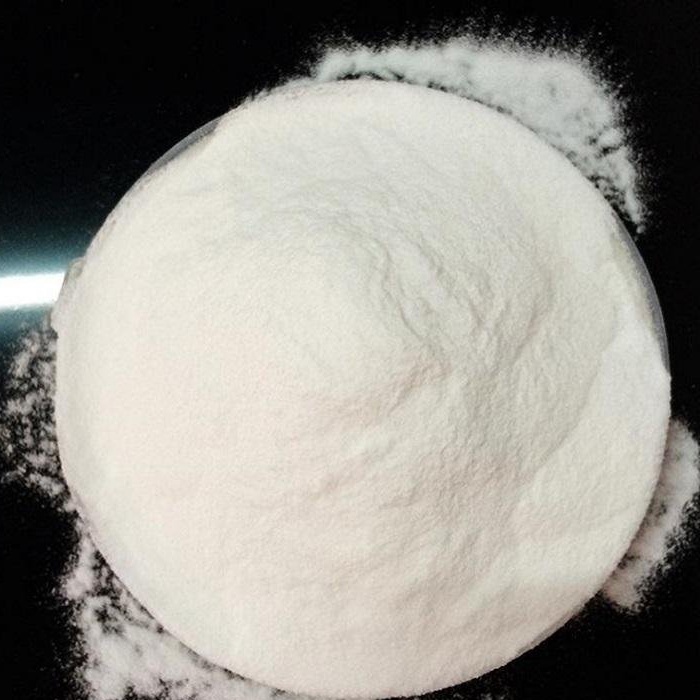
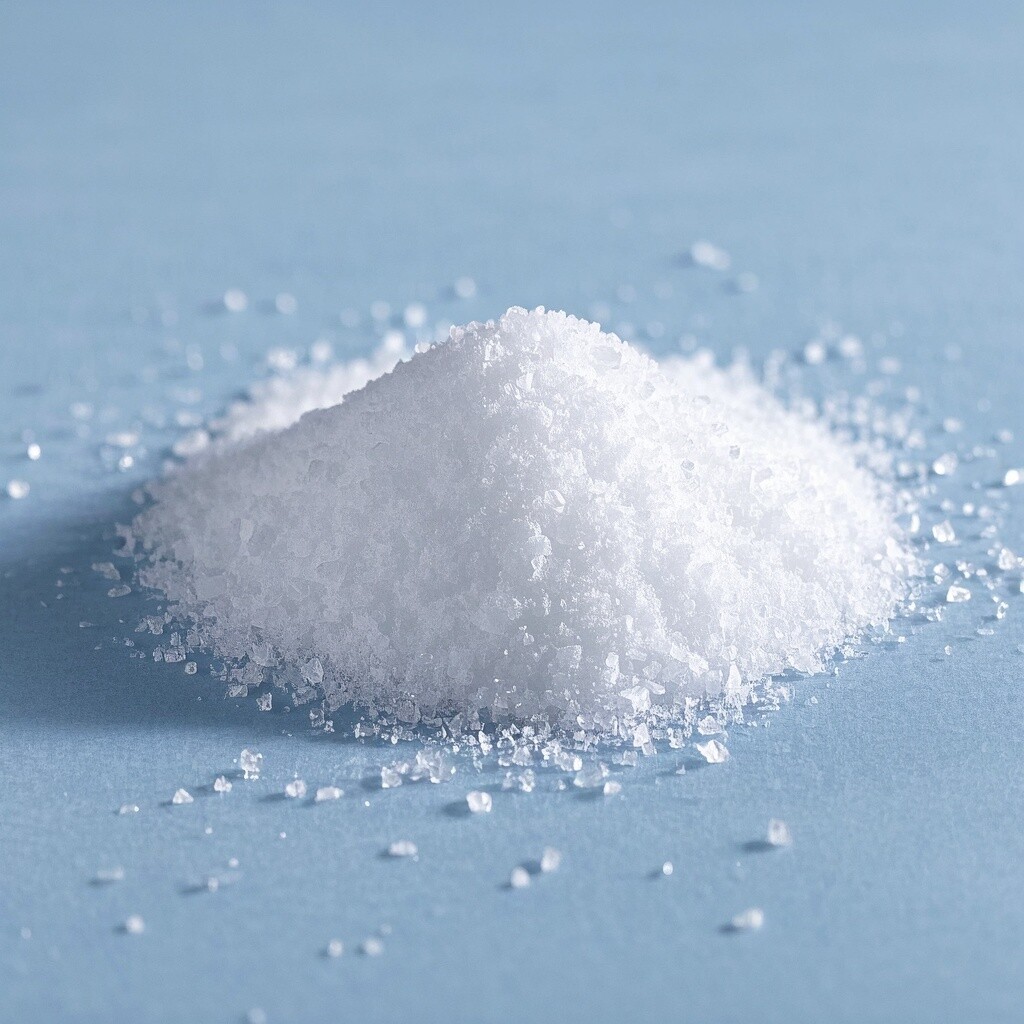
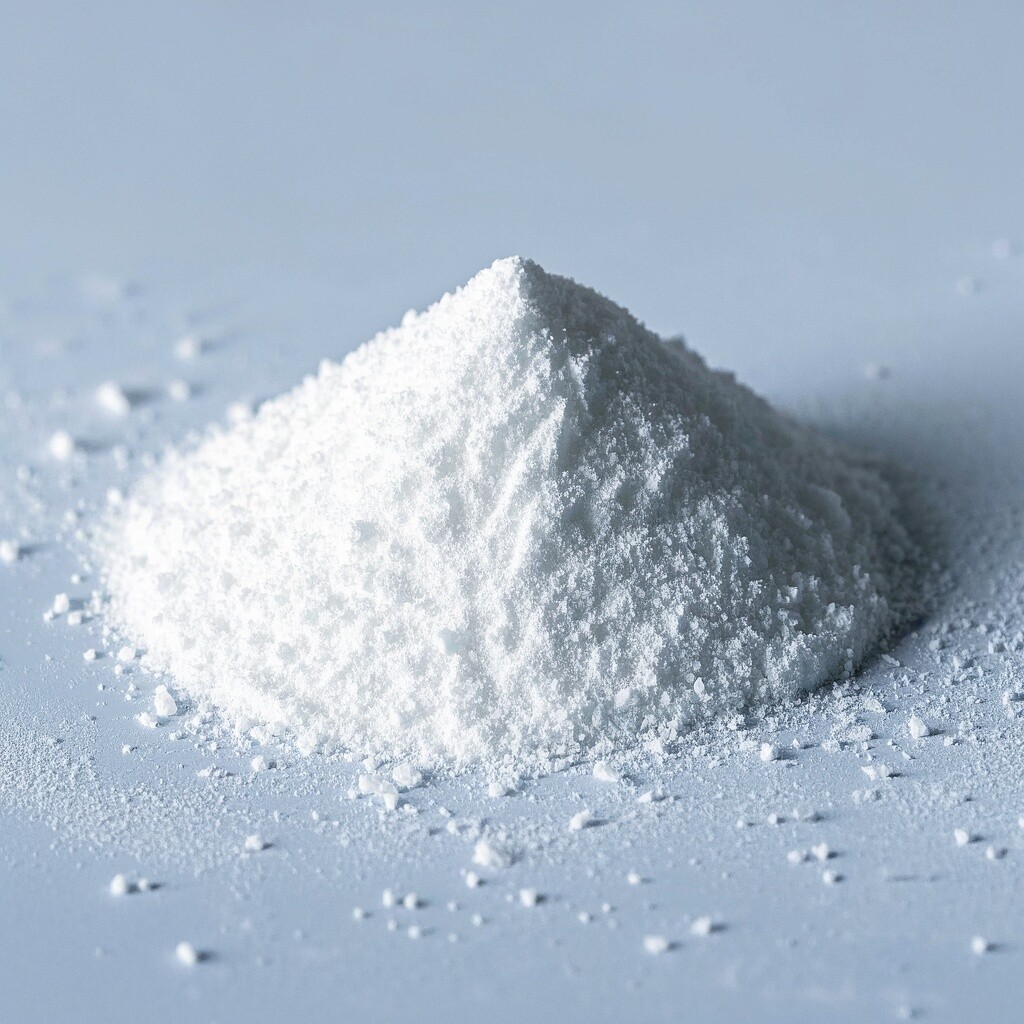
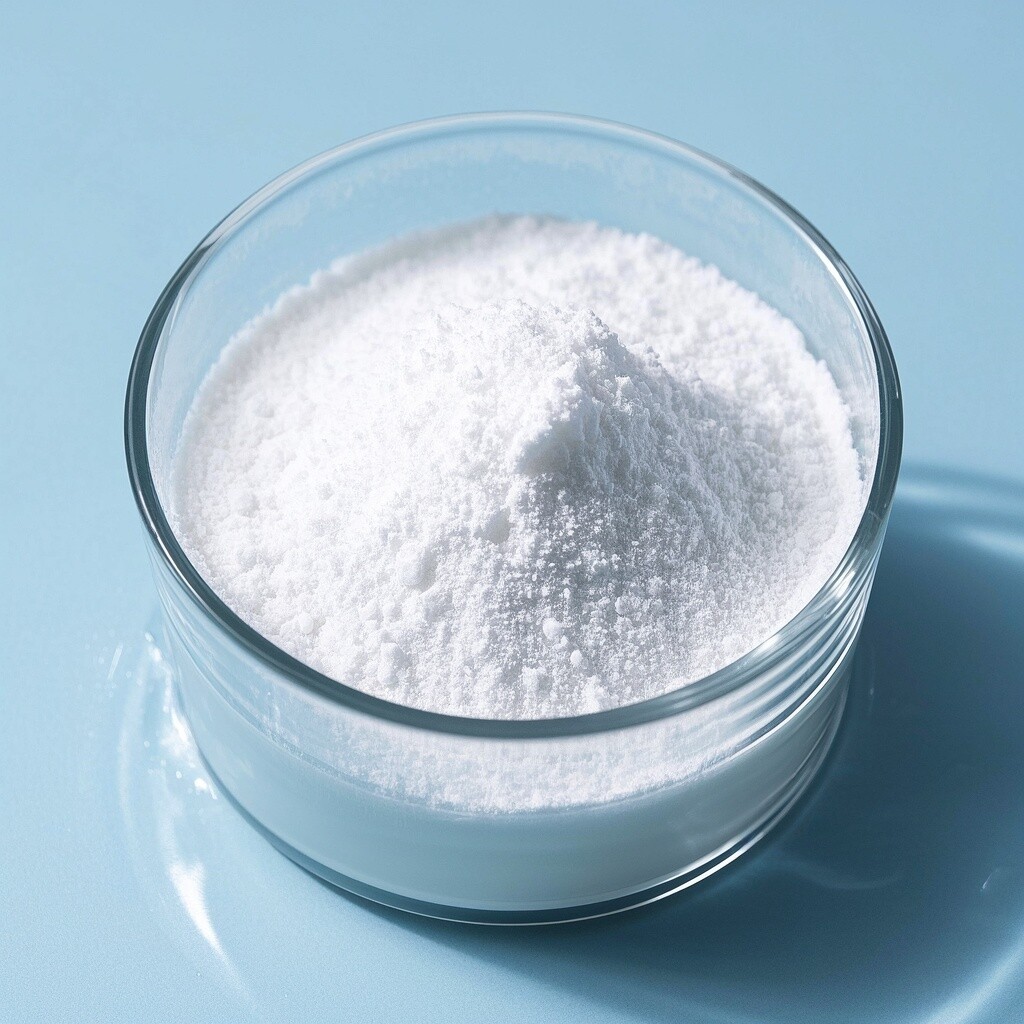
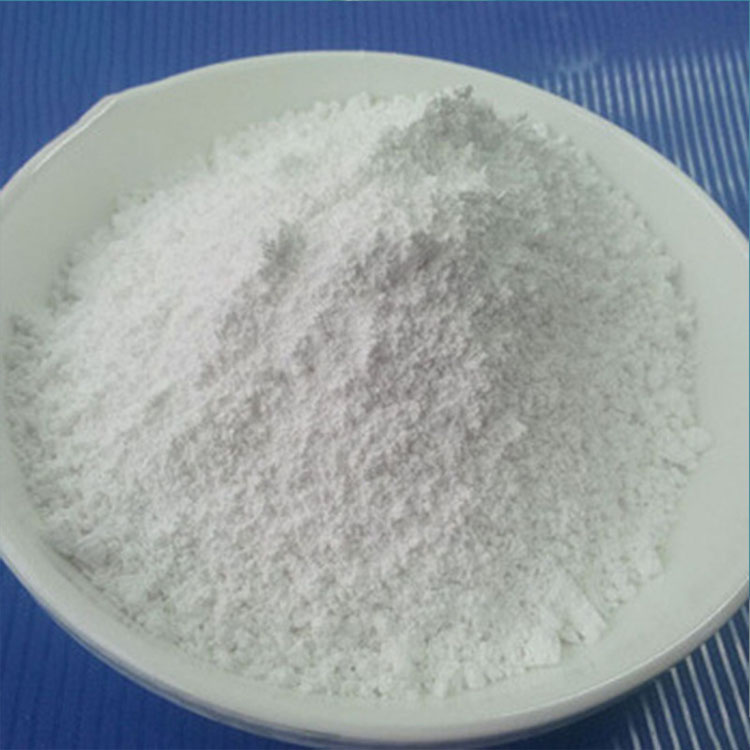
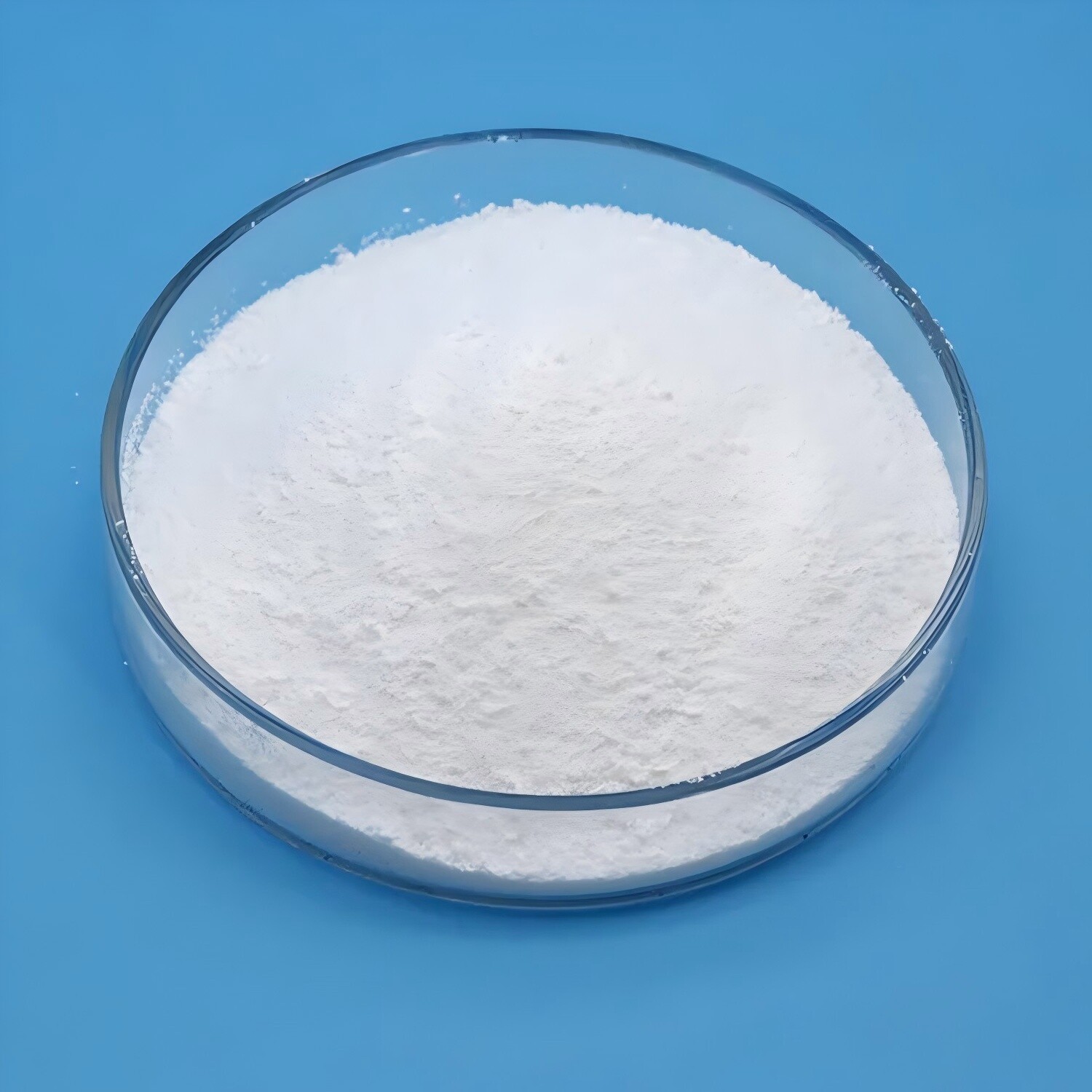
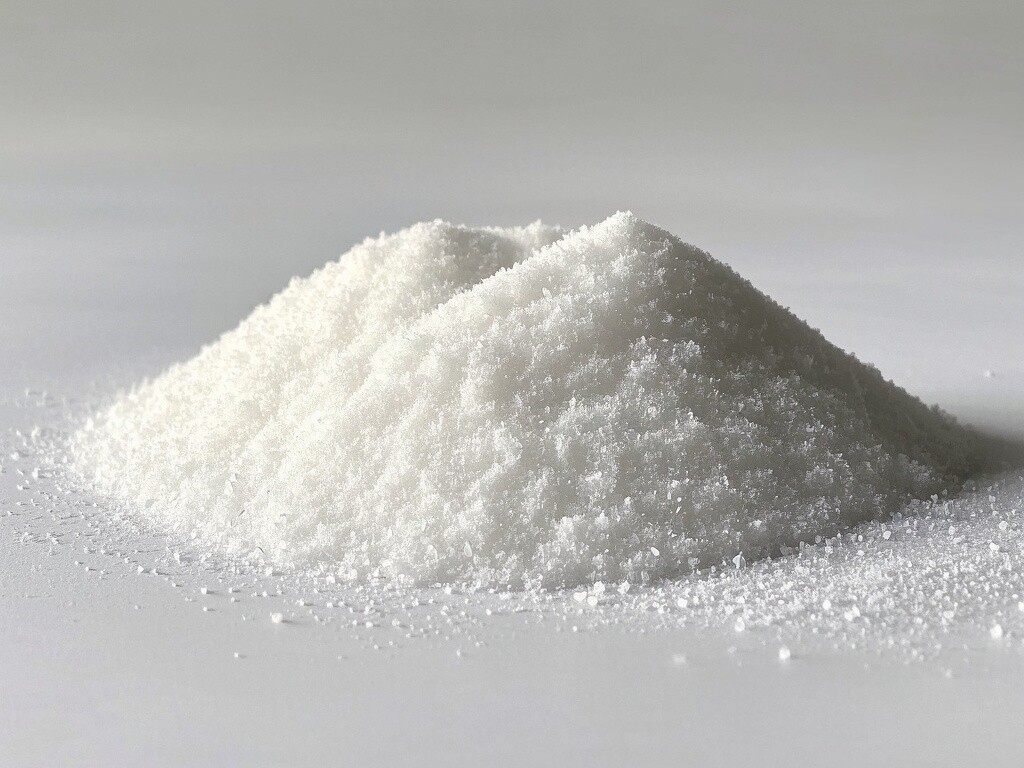
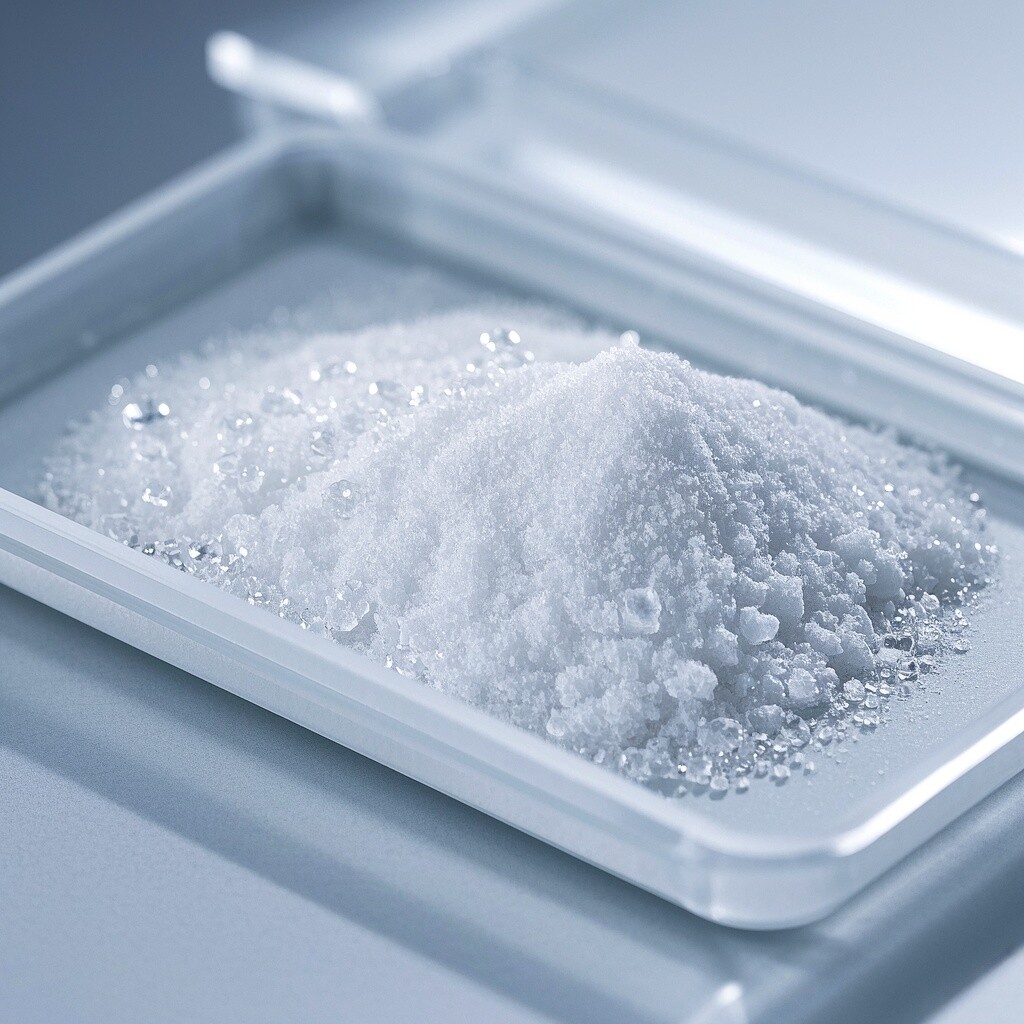
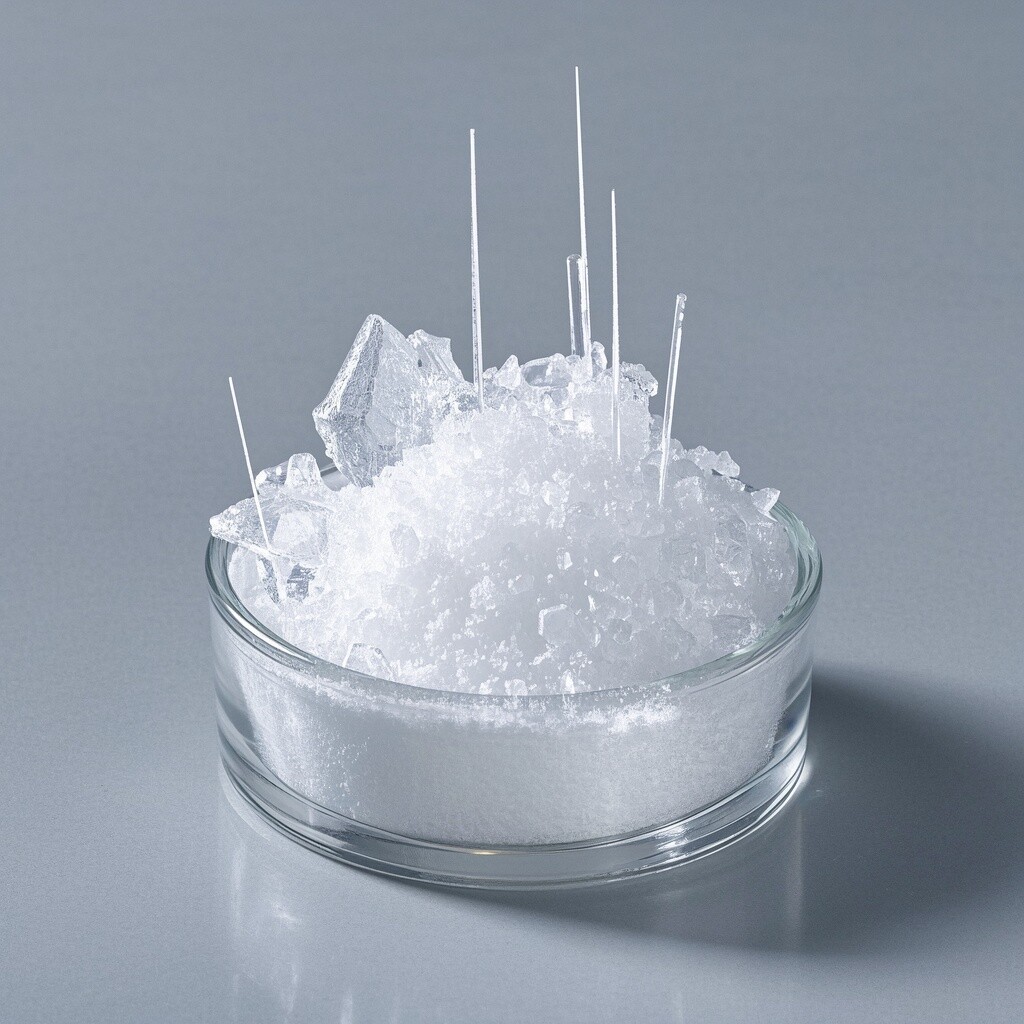
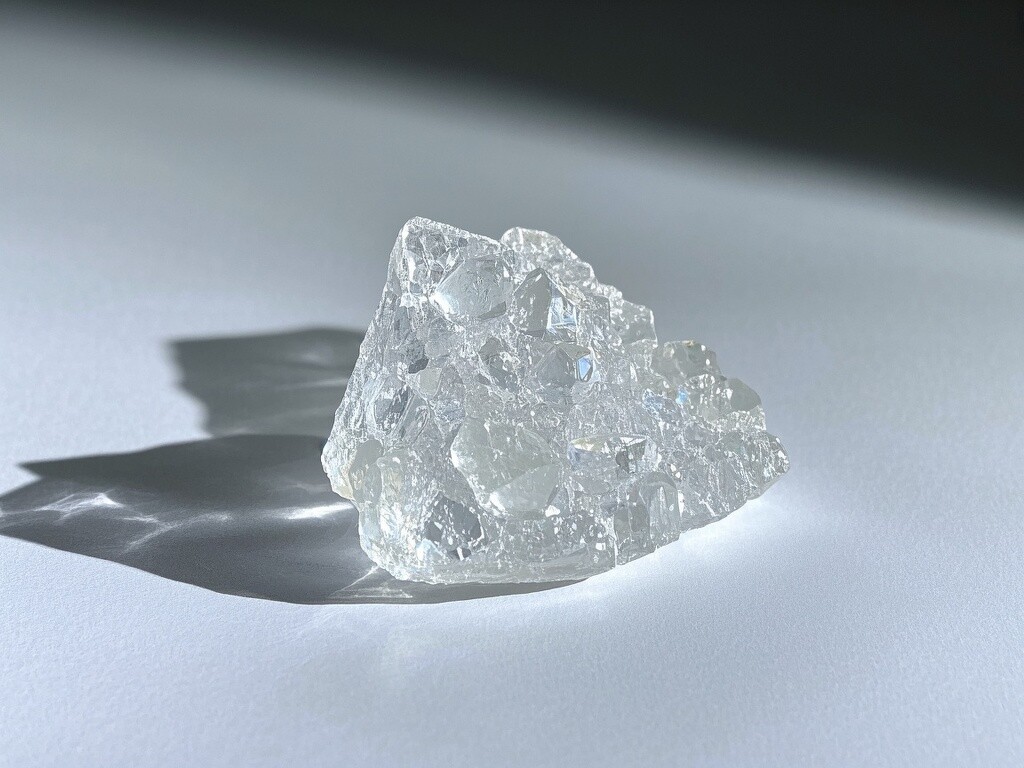
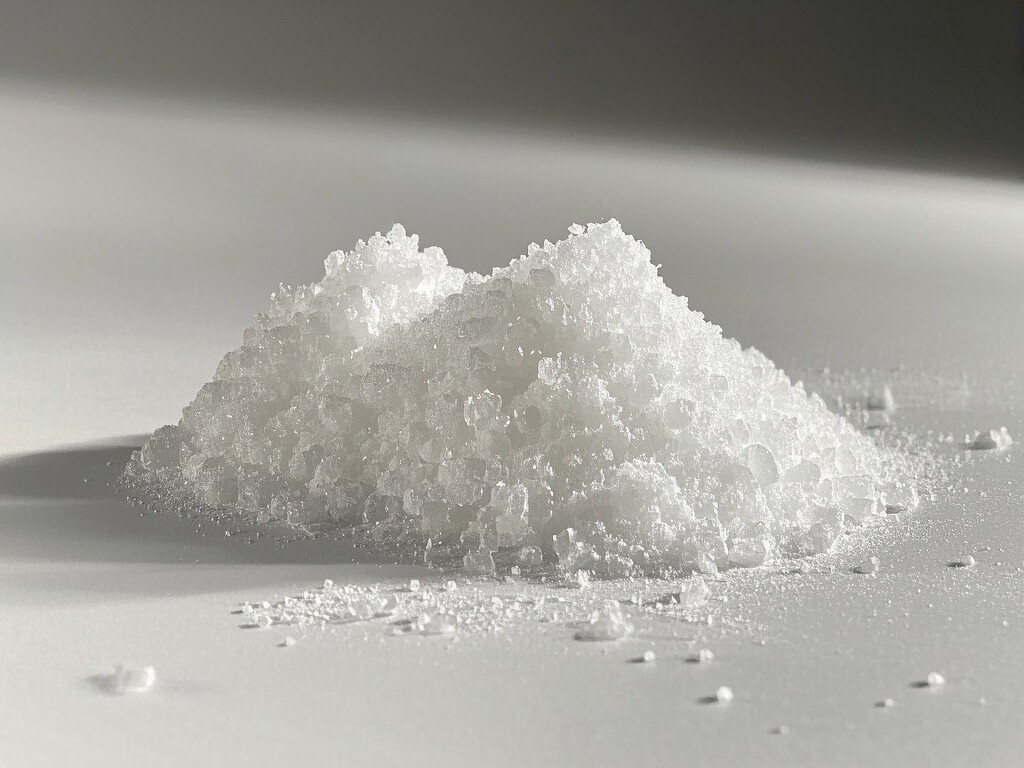
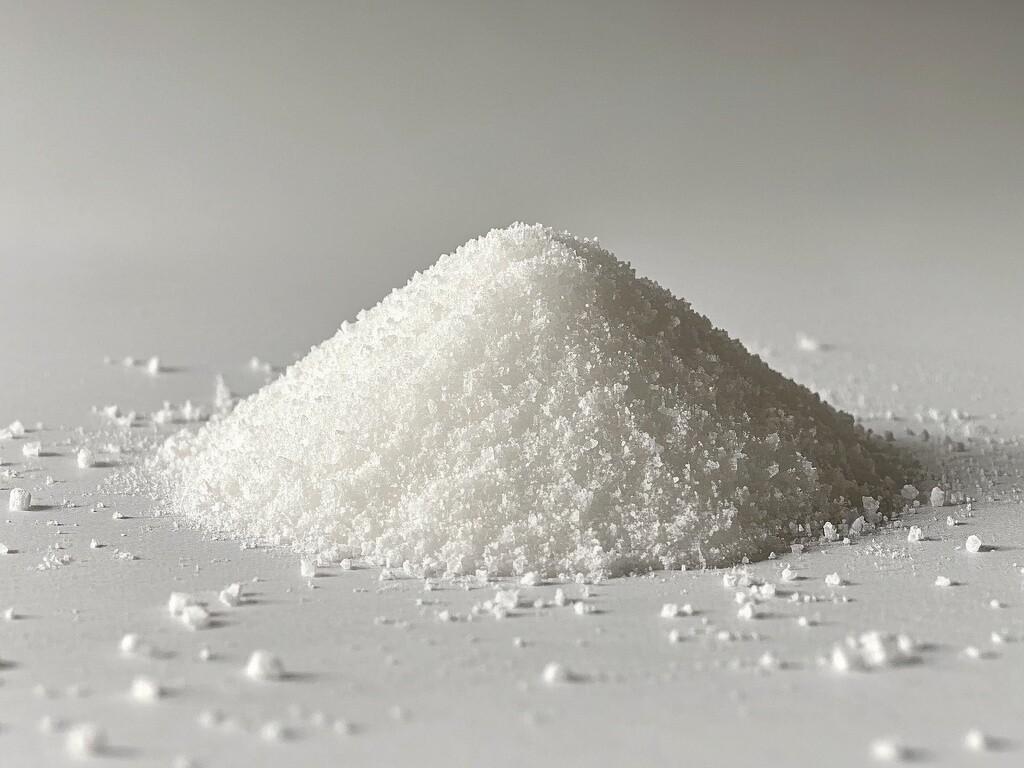
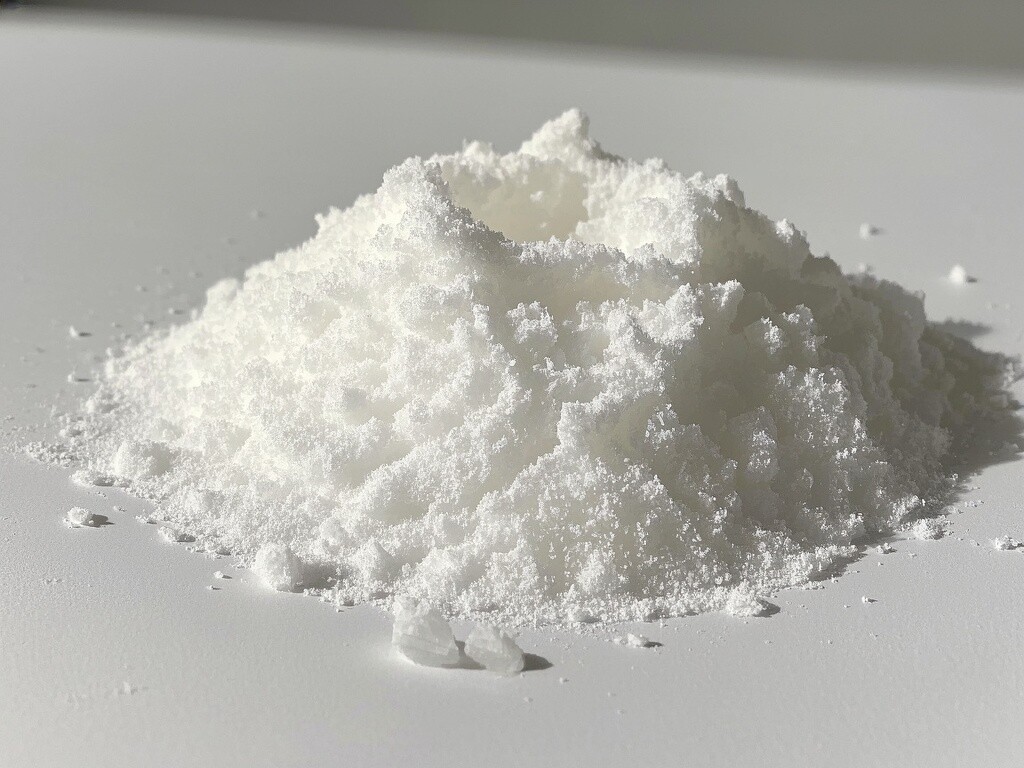
Appearance and Morphology: MSP commonly exists in three forms: anhydrous, monohydrate ($NaH₂PO₄·H₂O$), and dihydrate ($NaH₂PO₄·2H₂O$). All are white crystalline powders or granules, odorless, with weak hygroscopicity, and do not easily clump in dry environments. Granular products have better mechanical strength, facilitating storage and transportation.
Density and Melting Point: Anhydrous MSP has a density of approximately 2.04 g/cm³ and a melting point of 190℃; the monohydrate has a density of 1.915 g/cm³, and loses its water of crystallization to become anhydrous when heated to 100℃; the dihydrate has a density of 1.949 g/cm³, dehydrates to form the monohydrate at 100℃, and decomposes upon further heating to 190℃.
Solubility: Extremely soluble in water; at 25°C, the solubility of anhydrous MSP is approximately 85.9 g/100 mL of water. Its aqueous solution is weakly acidic (pH approximately 4.1~4.7). Insoluble in organic solvents such as ethanol and acetone, and its solubility increases significantly with increasing temperature. It dissolves rapidly in hot water to form a clear solution.
Other Physical Properties: MSP aqueous solution is a strong electrolyte with excellent conductivity. Crystalline MSP has a certain degree of optical transparency; high-purity MSP can be used to prepare simple optical reagents.
2. Chemical Properties
Acid-Base Reaction: MSP is a weakly acidic phosphate. In its aqueous solution, H₂PO₄⁻ exists in ionization and hydrolysis equilibrium ($H₂PO₄⁻⇌H⁺ + HPO₄²⁻, $H₂PO₄⁻ + H₂O⇌H₃PO₄ + OH⁻$), with the degree of ionization greater than the degree of hydrolysis. It reacts with strong bases to form disodium hydrogen phosphate ($NaH₂PO₄ + NaOH = Na₂HPO₄ + H₂O$), and with excess base, it can further form trisodium phosphate. When mixed with strong acids, it shows no significant acid-base neutralization reaction and can be used as a core component of acidic buffer systems.
Temperature Decomposition: When heated to 190℃, MSP begins to decompose into disodium dihydrogen pyrophosphate ($2NaH₂PO₄ 190℃ Na₂H₂P₂O₇ + H₂O$); at temperatures above 220℃, it further decomposes into polyphosphates such as sodium metaphosphate; at high temperatures, it finally decomposes into phosphorus pentoxide and sodium oxide.
Precipitation and Complexation Reactions: Its aqueous solution can react with metal ions such as calcium and magnesium to form slightly soluble salts such as calcium dihydrogen phosphate and magnesium dihydrogen phosphate. Simultaneously, H₂PO₄⁻ can form complexes with some heavy metal ions, which can help stabilize metal ion concentrations in electroplating and water treatment.
Buffering Properties: MSP can be compounded with disodium hydrogen phosphate in different proportions to form phosphate buffer solutions with a pH range of 4.1–9.2. This buffer system is widely used in biological experiments and pharmaceuticals.
3. Stability and Safety
Stability: Chemically stable at room temperature and pressure, it is not prone to redox reactions and has good storage resistance; however, prolonged exposure to high temperatures and strong alkaline environments should be avoided, otherwise decomposition or deterioration may occur. Although it may clump after absorbing moisture, its basic properties remain largely unchanged.
Toxicity: MSP is a low-toxicity chemical. Small amounts of contact or ingestion pose no risk of acute poisoning. However, its aqueous solution is weakly acidic; high concentrations can cause mild skin irritation and eye irritation if splashed into the eyes. Long-term inhalation of its dust may irritate the respiratory mucosa, leading to symptoms such as dry throat and cough.
Environmental Impact: MSP has low toxicity to aquatic organisms, but large-scale discharge into water bodies can cause eutrophication due to excessive phosphorus levels. Excessive application of MSP-containing fertilizers in agriculture can lead to soil acidification and nitrogen and phosphorus accumulation, increasing the risk of non-point source pollution.
Main Applications
1. Food and Beverage Industry
pH Buffer and Stabilizer: This is the core application of food-grade MSP. MSP can be compounded with disodium hydrogen phosphate to form a phosphate buffer system, adjusting the pH value of carbonated beverages, fruit juices, dairy products, jellies, and other foods, stabilizing product flavor and texture, and preventing stratification and spoilage caused by pH fluctuations. In fruit juices and canned fruits and vegetables, it can also inhibit the oxidative decomposition of vitamin C, extending the product's shelf life.
Food Quality Improver: In meat product (ham, sausage) and seafood production, MSP can enhance the water-holding capacity and elasticity of meat proteins, improve product texture, and reduce moisture loss during processing. In baked goods such as bread and cakes, it can be used as an auxiliary leavening agent to promote dough fermentation and improve the fluffiness and texture of pastries.
Nutritional Fortifier: MSP is rich in phosphorus and sodium and can be used in infant formula, sports drinks, and nutritional supplements to replenish the minerals needed by the human body and regulate electrolyte balance, especially suitable for people experiencing electrolyte loss after exercise and those with special dietary needs.
Chlorinating Agent and Emulsifying Aid: In dairy products and beverages, MSP can chelate calcium and magnesium ions in water, softening the water and preventing scaling; it can also help improve the stability of emulsion systems, preventing oil-water separation in products.
2. Pharmaceutical and Biological Fields
Pharmaceutical Excipients: Pharmaceutical-grade MSP is a commonly used pH buffer. It can be used in oral solutions, injections, eye drops, and other pharmaceutical preparations to stabilize the acid-base environment of the drugs and extend their shelf life. It can also be used as a component in medications for treating urinary tract stones, reducing the formation of calcium phosphate stones by adjusting urine pH.
Biological Laboratory Reagents: MSP is a core ingredient in the preparation of phosphate-buffered saline (PBS). It can be compounded with disodium hydrogen phosphate in different proportions to form a buffer system with a pH range of 4.1–9.2. It is widely used in biological experiments such as enzymatic reactions, cell culture, protein purification, and nucleic acid extraction to ensure the acid-base stability of the experimental system.
Nutritional Supplements: It can be used as a component of oral electrolyte supplements to alleviate discomfort caused by hypokalemia and hypophosphatemia and to regulate the body's fluid balance.
3. Industrial Production Sector
Water Treatment Chemicals: Industrial-grade MSP can be used as a scale and corrosion inhibitor for circulating cooling water and boiler water. Its phosphate ions can form slightly soluble precipitates or complexes with calcium and magnesium ions in water, inhibiting scale formation. Simultaneously, its weak acidity can adjust the pH value of the water, alleviating corrosion of metal pipes. It is often used in combination with polyphosphates and organophosphonates to enhance the effect.
Electroplating and Surface Treatment: In electroplating processes, MSP can be used as a buffer and complexing agent in nickel and zinc plating systems, stabilizing the weakly acidic environment of the plating solution, preventing the hydrolysis and precipitation of metal ions, and improving the uniformity, gloss, and adhesion of the coating. In metal phosphating treatment, it can be used as an additive to improve the density of the phosphating film and enhance the corrosion resistance of the metal substrate.
Detergent and Daily Chemical Raw Materials: In industrial detergents, MSP can be used as a detergent builder, chelating calcium and magnesium ions in water to soften the water and enhance cleaning power. In daily chemical products such as toothpaste and shampoo, it can be used as a pH adjuster to maintain the acid-base stability of the product system and ensure the efficacy of active ingredients.
Polyphosphate Production Raw Materials: MSP, after high-temperature calcination, can produce polyphosphates such as disodium dihydrogen pyrophosphate and sodium metaphosphate. These products are important raw materials for food additives, water treatment agents, and ceramic additives.
4. Agriculture and Horticulture
Water-Soluble Fertilizer Raw Materials: MSP can be used as a core raw material for binary phosphorus and sodium fertilizers. It can be compounded with urea, potassium sulfate, etc., to form water-soluble fertilizers and foliar fertilizers, suitable for alkaline soils. It can supplement the phosphorus needed by crops, promote root development and flower bud differentiation, and regulate soil pH and improve soil structure. It is especially suitable for the cultivation of chlorine-sensitive crops (such as tobacco and citrus).
Feed Additives: Feed-grade MSP can be used as a phosphorus source supplement in livestock and poultry feed, enhancing its nutritional value, promoting bone development and reproductive function, and regulating the acid-base balance of animal body fluids to improve survival rates.
5. Other Special Uses
Textile and Dyeing Industry: MSP can be used as a buffer and fixing agent in dyeing and finishing processes, adjusting the pH value of the dye bath, stabilizing the dispersion of dyes, improving the uniformity and color fastness of reactive and vat dyes, and reducing color fading.
Ceramics and Refractory Materials: MSP can be used as a flux in ceramic production, lowering the sintering temperature of the green body, promoting ceramic densification, and improving the smoothness and strength of the finished product; in refractory materials, it can be used as a binder to enhance the high-temperature stability of refractory bricks.
Safety Precautions
Appearance and Morphology: MSP exists in three common forms: anhydrous, monohydrate ($NaH₂PO₄·H₂O$), and dihydrate ($NaH₂PO₄·2H₂O$). All are white crystalline powders or granules, odorless and tasteless, with weak hygroscopicity. They do not easily clump in dry environments. Granular products have good mechanical strength, facilitating storage and transportation.
Density and Melting Point: Anhydrous MSP has a density of approximately 2.04 g/cm³ and a melting point of 190℃; the monohydrate has a density of 1.915 g/cm³ and loses its water of crystallization at 100℃, transforming into the anhydrous form; the dihydrate has a density of 1.949 g/cm³ and first dehydrates to the monohydrate at 100℃, then begins to decompose upon heating to 190℃.
Solubility: Extremely soluble in water; at 25℃, the solubility of anhydrous MSP reaches 85.9 g/100 mL water, and the solubility increases significantly with increasing temperature. The aqueous solution is weakly acidic, with a pH range of 4.1–4.7. It is insoluble in organic solvents such as ethanol and acetone, but dissolves rapidly and functions effectively in aqueous solutions.
Other Properties: MSP aqueous solution is a strong electrolyte with excellent conductivity. High-purity crystalline MSP has a certain degree of optical transparency and can be used as a reagent in simple optical experiments.
2. Chemical Properties
Acid-Base and Buffering Properties: MSP is a weakly acidic phosphate. In aqueous solution, the degree of ionization of H₂PO₄⁻ is greater than the degree of hydrolysis, therefore it is weakly acidic. It can undergo a stepwise neutralization reaction with strong bases, first forming disodium hydrogen phosphate ($NaH₂PO₄ + NaOH = Na₂HPO₄ + H₂O$), and further forming trisodium phosphate when the base is in excess. When combined with disodium hydrogen phosphate in different proportions, it can form a phosphate buffer system with a pH range of 4.1–9.2, exhibiting stable buffering capacity.
Thermal Decomposition: At 190℃, MSP begins to decompose into disodium dihydrogen pyrophosphate ($2NaH₂PO₄ ⇌ Na₂H₂P₂O₇ + H₂O$); above 220℃, it further decomposes into polyphosphates such as sodium metaphosphate; under high-temperature conditions, it finally decomposes into phosphorus pentoxide and sodium oxide.
Precipitation and Complexation Reactions: Its aqueous solution can react with metal ions such as calcium and magnesium to form slightly soluble dihydrogen phosphate precipitates; simultaneously, H₂PO₄⁻ can form stable complexes with some heavy metal ions, which can help stabilize metal ion concentrations in electroplating and water treatment.
3. Stability and Safety
Stability: Chemically stable at room temperature and pressure, it does not easily undergo redox reactions. After absorbing moisture, it only clumps, and its basic chemical properties remain largely unchanged; however, prolonged exposure to high temperatures and strong alkaline environments may cause decomposition or deterioration, requiring appropriate protective measures.
Toxicity: It is a low-toxicity chemical; small amounts of contact or ingestion pose no risk of acute poisoning; high concentrations of its weakly acidic aqueous solution may cause mild skin irritation upon contact, and splashing into the eyes may cause eye discomfort; long-term inhalation of dust may irritate the respiratory mucosa, leading to symptoms such as dry throat and cough.
Environmental Impacts: While it has low toxicity to aquatic organisms, large-scale discharge into water bodies can easily lead to excessive phosphorus levels and cause eutrophication. Excessive application of MSP-containing fertilizers in agriculture can result in soil acidification and nitrogen and phosphorus accumulation, increasing the risk of non-point source pollution.
Company Profile
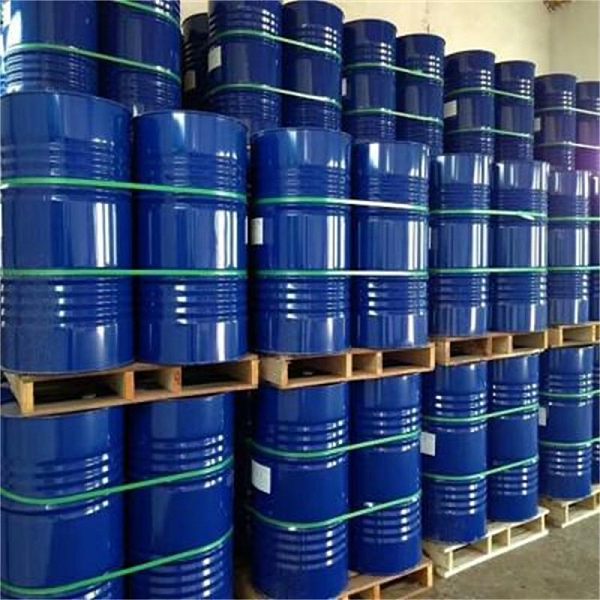
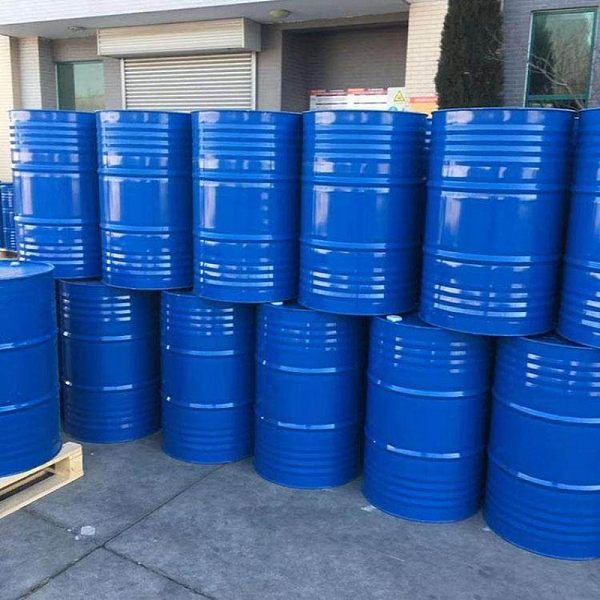
Junteng Chemical is a professional chemical raw materials trading company dedicated to providing customers with one-stop procurement services. Through strict supplier, supply chain, and after-sales management, the company ensures that product quality, transportation, and use meet customer needs. Furthermore, the company's technical team offers customized solutions and support services free of charge.
The company has projects in the pharmaceutical, pesticide, petrochemical, construction, food additives, wastewater treatment, adhesives, inks, paints, coatings, plastic and rubber processing, detergent raw materials, fertilizer and textile mills, and more. Junteng Chemical sources products of stable and reliable quality, collaborating with domestic and international companies such as Luxi Group, Weiyuan Chemical, Qilu Petrochemical, Dongying Lihuayi, Yanshan Petrochemical, Sinopec, Shijiazhuang Refinery, Qingdao Petrochemical, Sailboat, Dow Chemical, BASF, South Korea, Taiwan, and Saudi Arabia. Our stable supply, superior product quality, and mature logistics have earned us a wide clientele. We look forward to collaborating with all of you for a mutually beneficial future.
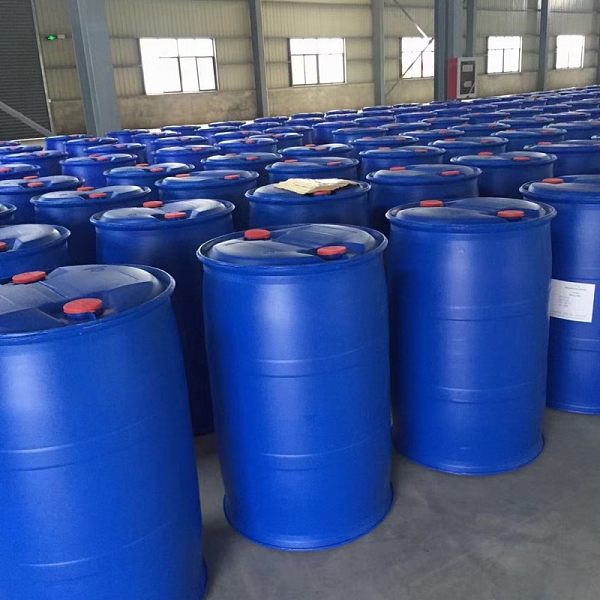
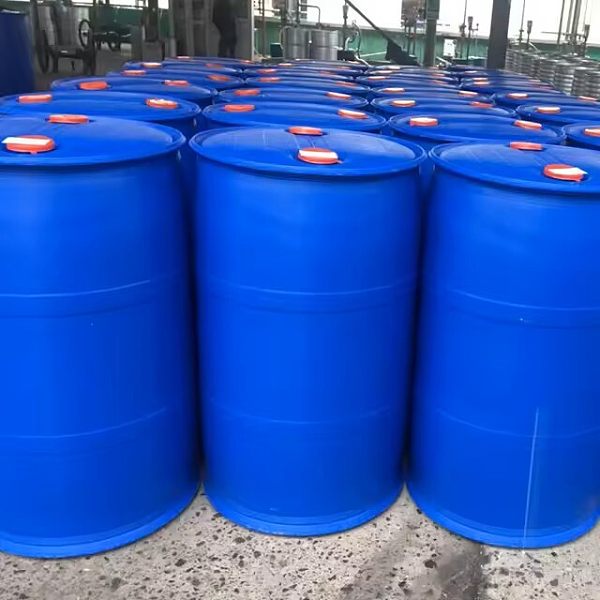
Company advantages

One-Stop Procurement
Platform
We integrate resources across all productcategories, including organic solvents,resins and rubbers, and inorganicchemicals,and strictly control suppliers.supply chains, and after-sales processes toensure stable quality, efficienttransportation,and worry-free use,simplifying your procurement process.

Professional Team TechnicalEmpowerment
Equipped with an experienced technicalteam, we provide free personalizedsolutions and professional technicalsupport to customers in varlous industrie,such as pharmaceuticals, petrochemicals,coatings and inks, and sewage treatment,.helping you solve problems and improveefficiency.

Global supply ChainSecurity
We work with top domestic and foreignchemical giants such as Luxi Group, QiluPetrochemical, Sinopec, BASF of Germany,and Dow of the United States to establisha stable and reliable high-quality supplynetwork and a mature logistics system toensure timely and safe delivery of
products.

Deep Win-Win CooperationConcept
Adhering to the concept of "integrity.immediate action, professionalism,innovation and win-win" and taking"customer success and altruism" as ourmission, we are committed to establishinglong-term strategic partnerships andcreating a better future through excellentproducts and services.
Related products
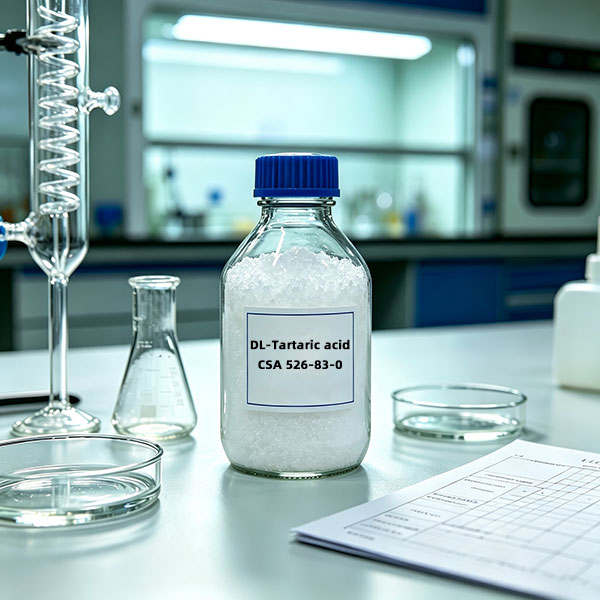
 Electronic Grade DL-Tartaric acid CSA 133-37-9
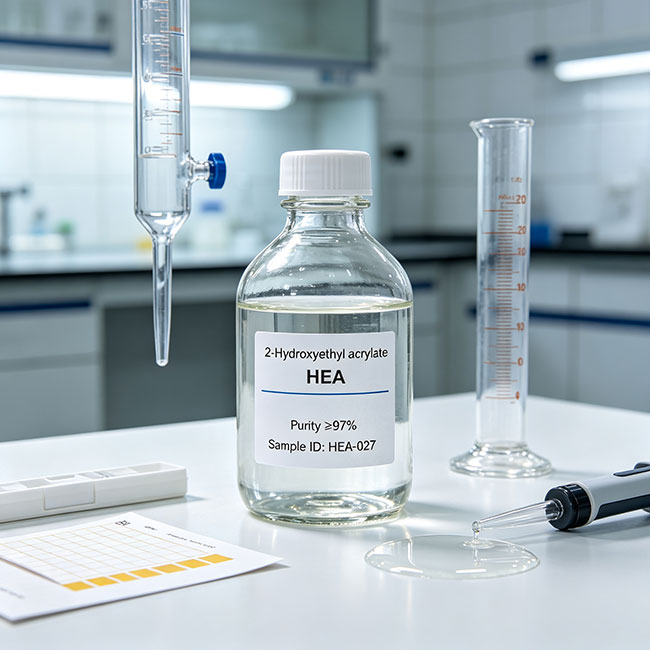
 2-Hydroxyethyl acrylate
 Terephthalic acid PTA
--Tech.Grade") Sodium Pyrophosphate(TSPP)--Tech.Grade
Sodium Pyrophosphate(TSPP)--Tech.Grade--Tech.Grade &Food Grade") Sodium Tripolyphosphate(STPP)--Tech.Grade &Food Grade
Sodium Tripolyphosphate(STPP)--Tech.Grade &Food Grade--Food Additive") Sodium Acid Pyrophosphate(SAPP)--Food Additive
Sodium Acid Pyrophosphate(SAPP)--Food Additive--Tech Grade &Food Grade") Sodium Hexametaphosphate(SHMP)--Tech Grade &Food Grade
Sodium Hexametaphosphate(SHMP)--Tech Grade &Food Grade--Tech.Grade &Food Grade") Urea Phosphate(UP)--Tech.Grade &Food Grade
Urea Phosphate(UP)--Tech.Grade &Food Grade") Monosodium Phosphate(MSP)
Monosodium Phosphate(MSP)") Disodium Phosphate(DSP)
Disodium Phosphate(DSP)--Tech.Grade") Potassium Pyrophosphate(TKPP)--Tech.Grade
Potassium Pyrophosphate(TKPP)--Tech.Grade") Monoammonium Phosphate(MAP)
Monoammonium Phosphate(MAP)") Diammonium Phosphate(DAP)
Diammonium Phosphate(DAP)") Monopotassium Phosphate(MKP)
Monopotassium Phosphate(MKP)") Dipotassium Phosphate(DKP)
Dipotassium Phosphate(DKP) Red Phosphorus
") Sodium T-Amylate(STA)
Sodium T-Amylate(STA) Sodium Acetate
 Sodium carbonate
 Phosphoric acid 75%/85%
 Sodium formate 92%,95%,98%
 Potassium formate 75%,97%
 Calcium formate 98%
 Formic acid 85%/90%/94%/99%
 Acetic acid solution 45%/55%/65%/75%/80%/90%
 GLACIAL ACETIC ACID
") Methacrylic acid(MAA)
Methacrylic acid(MAA) Adipic Acid
 Sulfamic Acid
 Salicylic Acid
 Gluconic Acid
 Benzoic Acid
 Glacial Acetic Acid
 Adipic Acid
 Oxalic Acid
 Citric Acid
 Boric Acid
 Sulfamic Acid
 Salicylic Acid
 Formic Acid



Message
Leave A Message
If you are interested in our products and want to know more details, please leave a message here, we will reply you as soon as we can.