





Product
massage
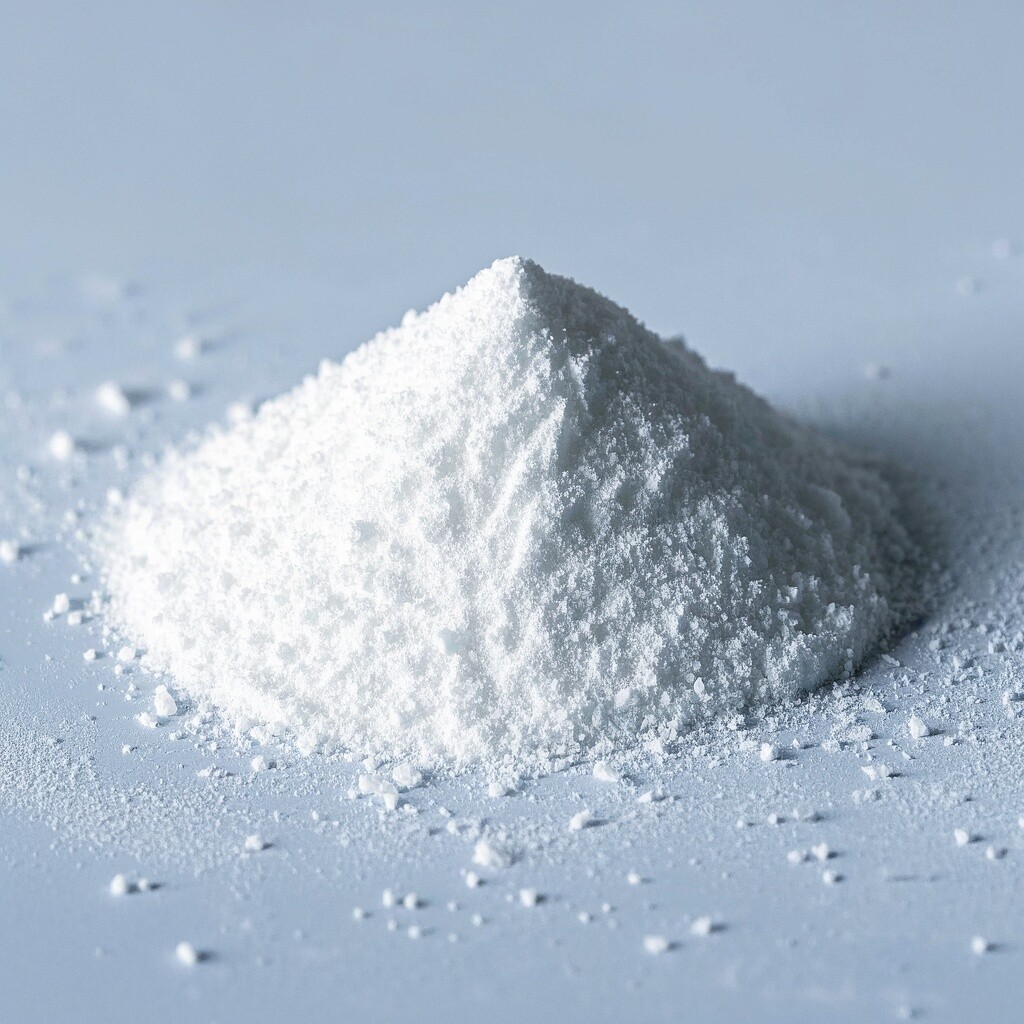
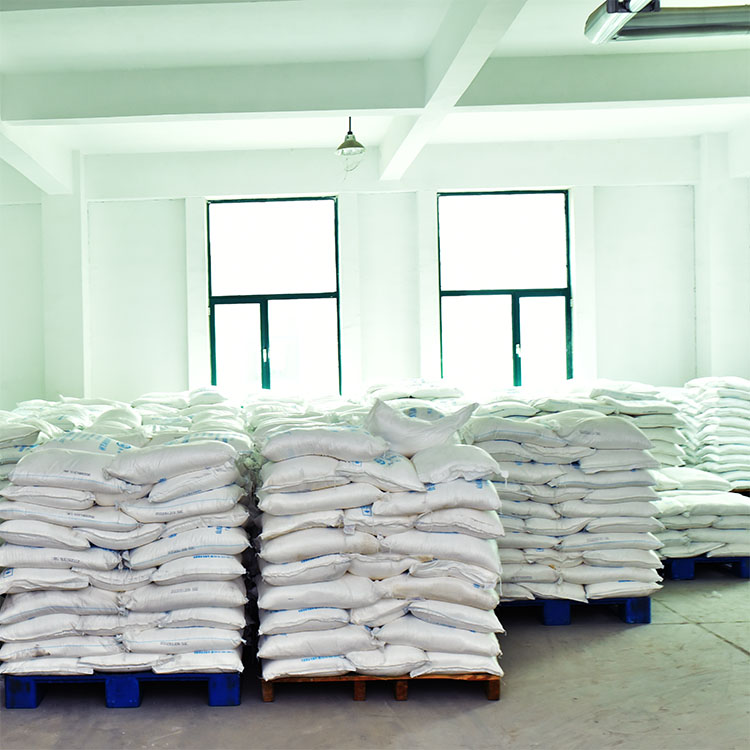
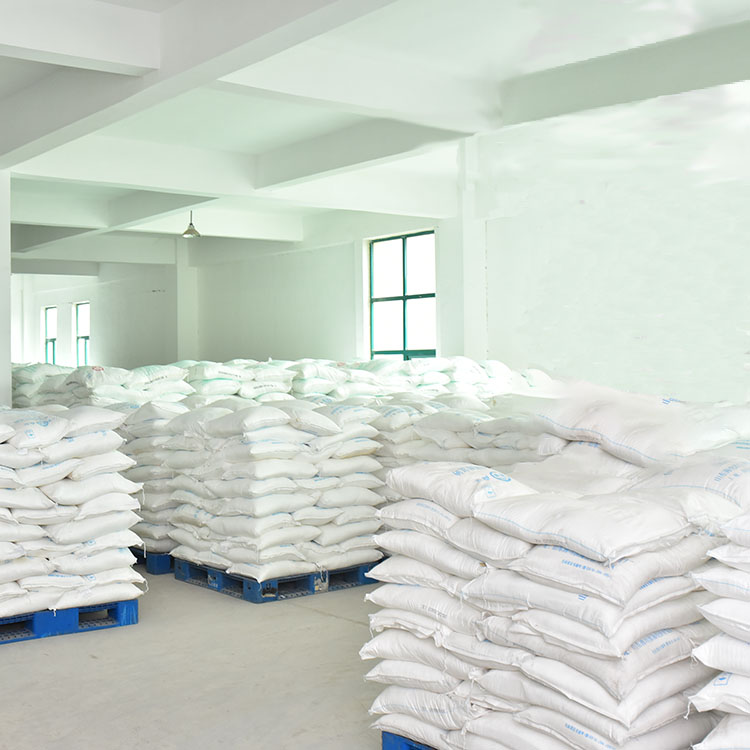

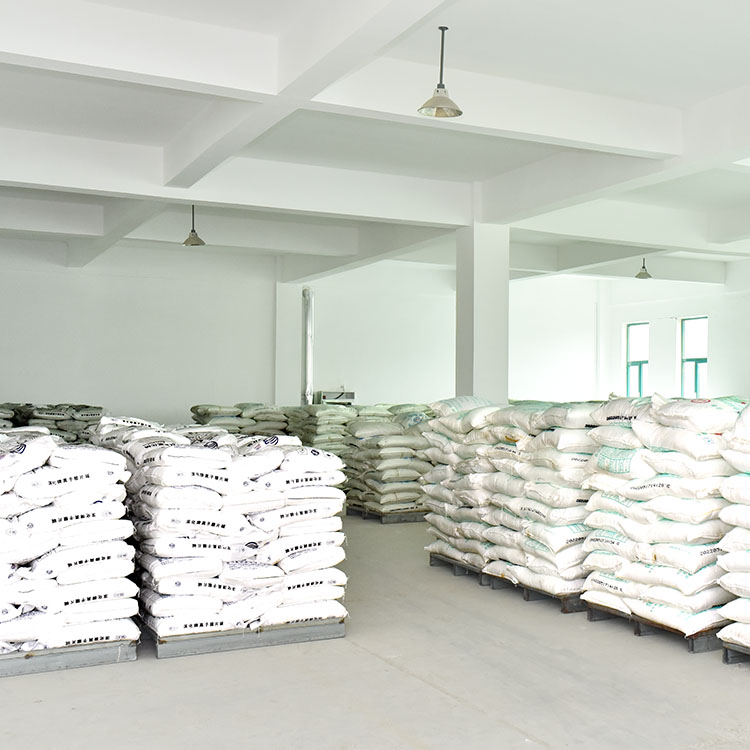
Urea Phosphate(UP)--Tech.Grade &Food Grade
Product Parameters
Basic Properties
1. Physical Properties
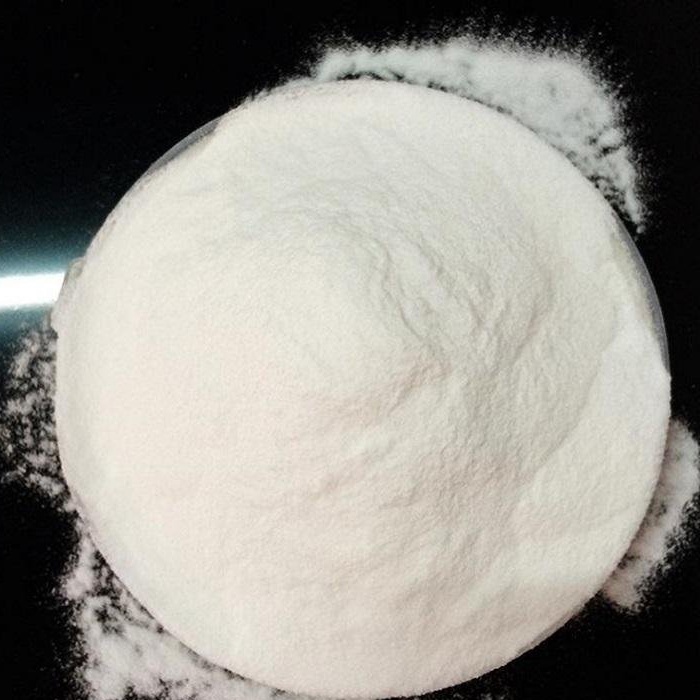
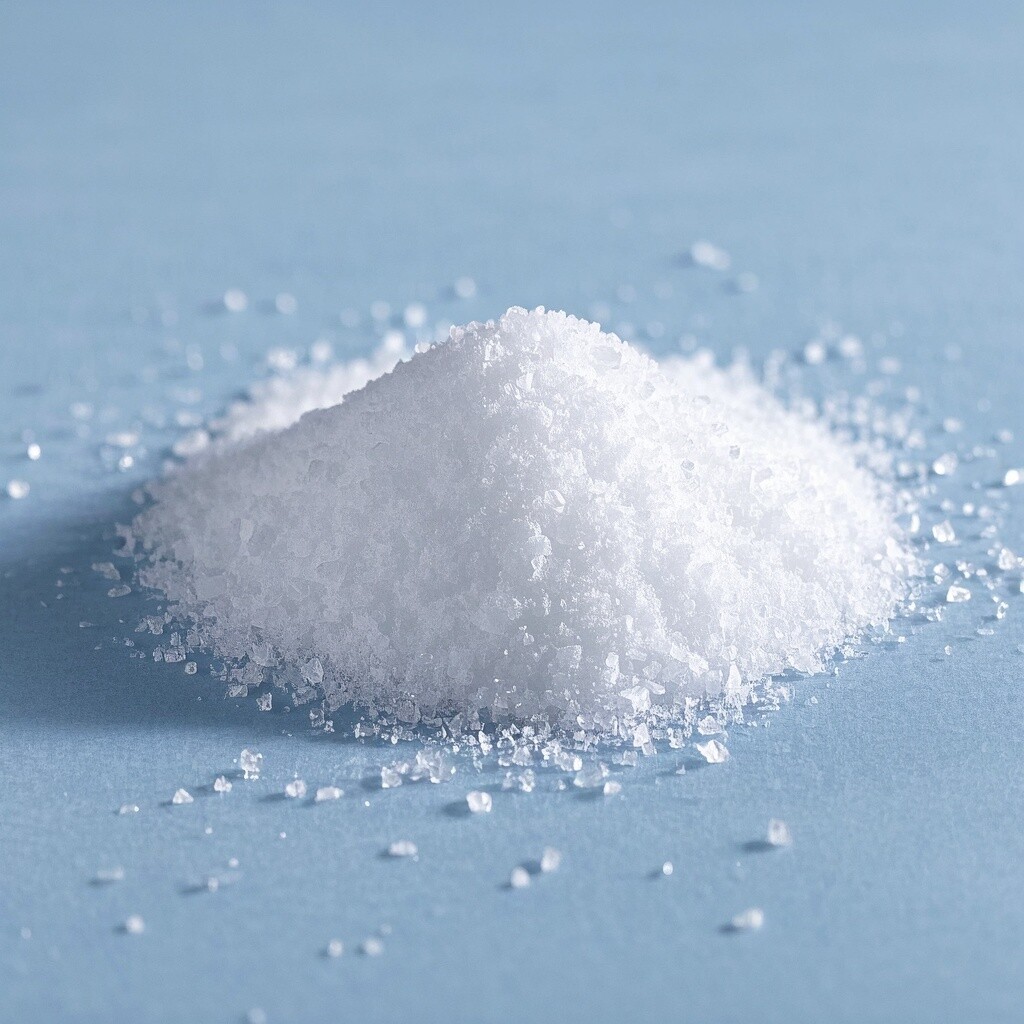
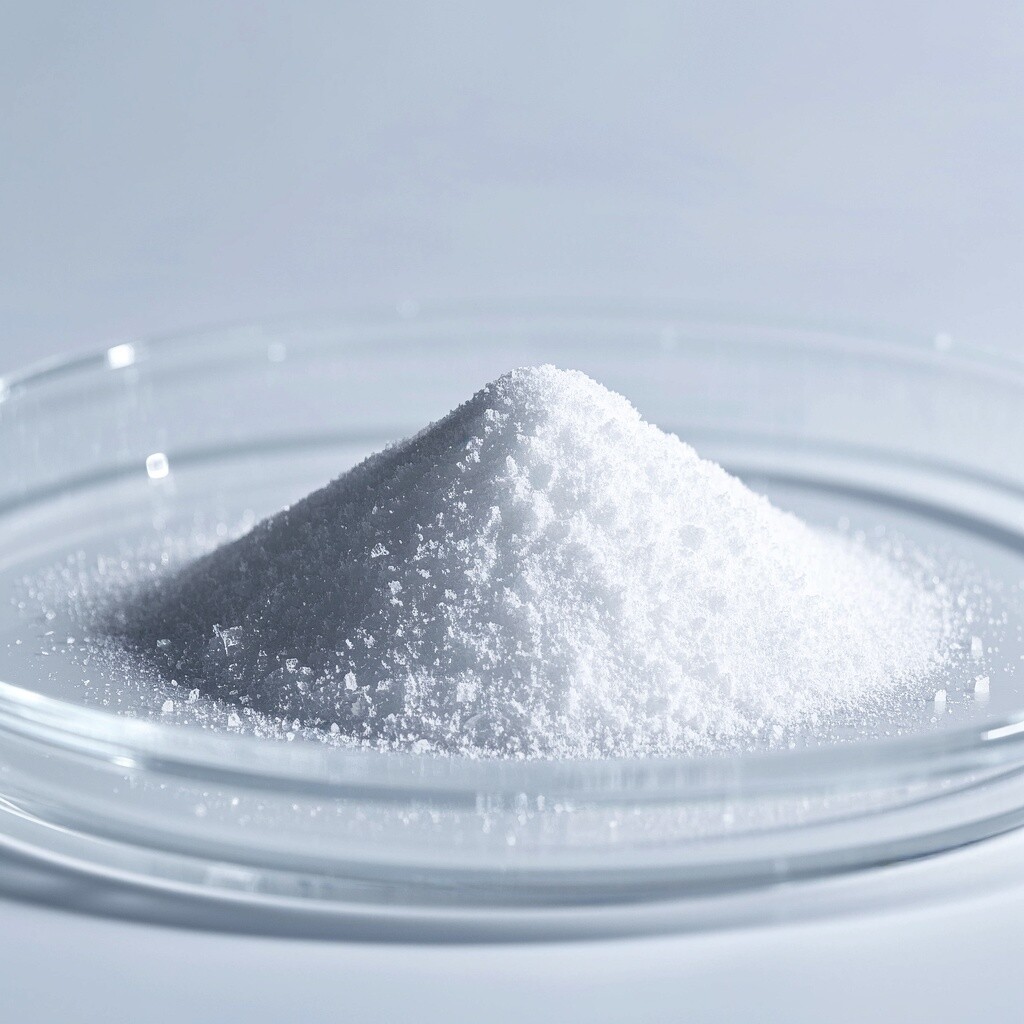
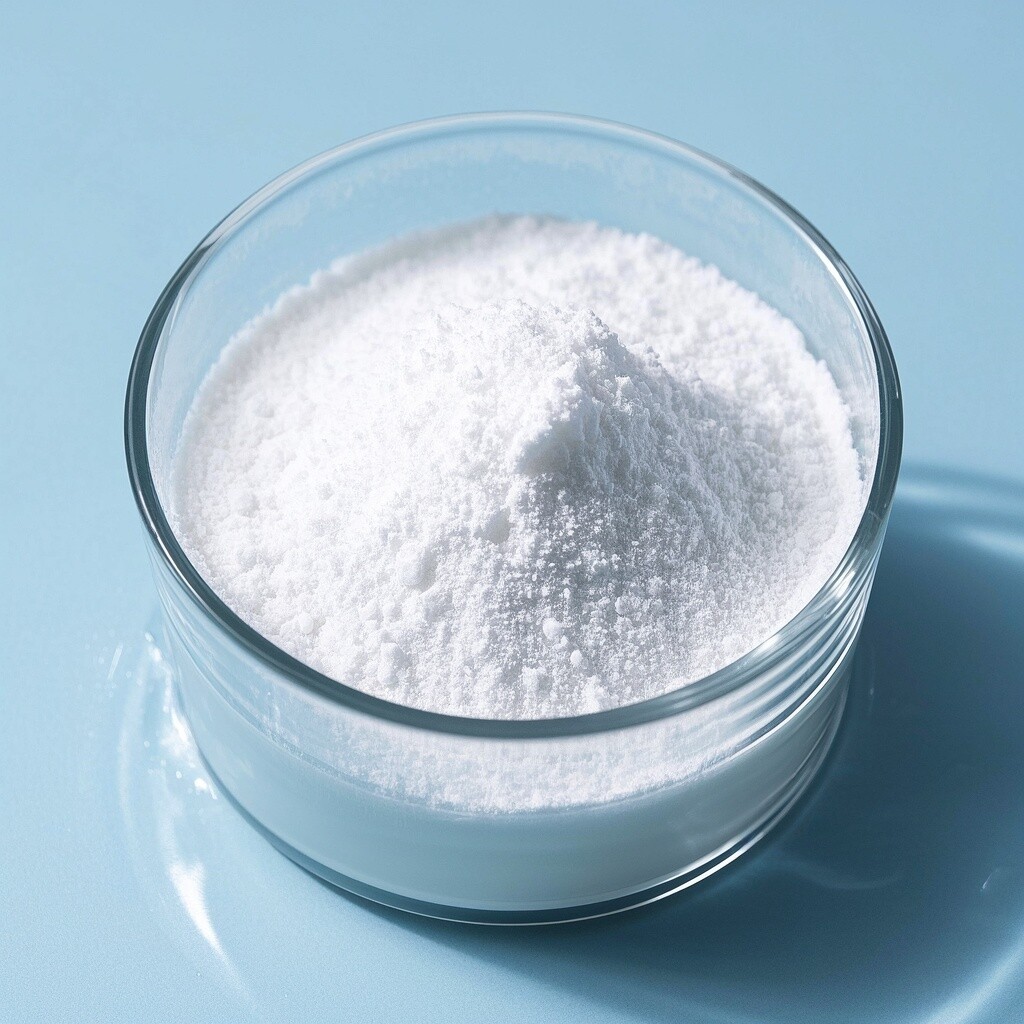
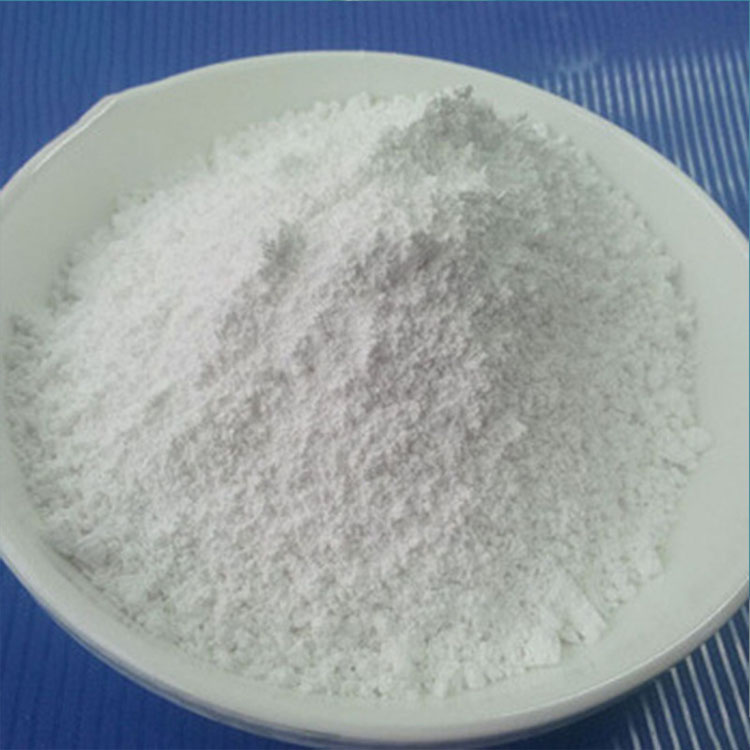
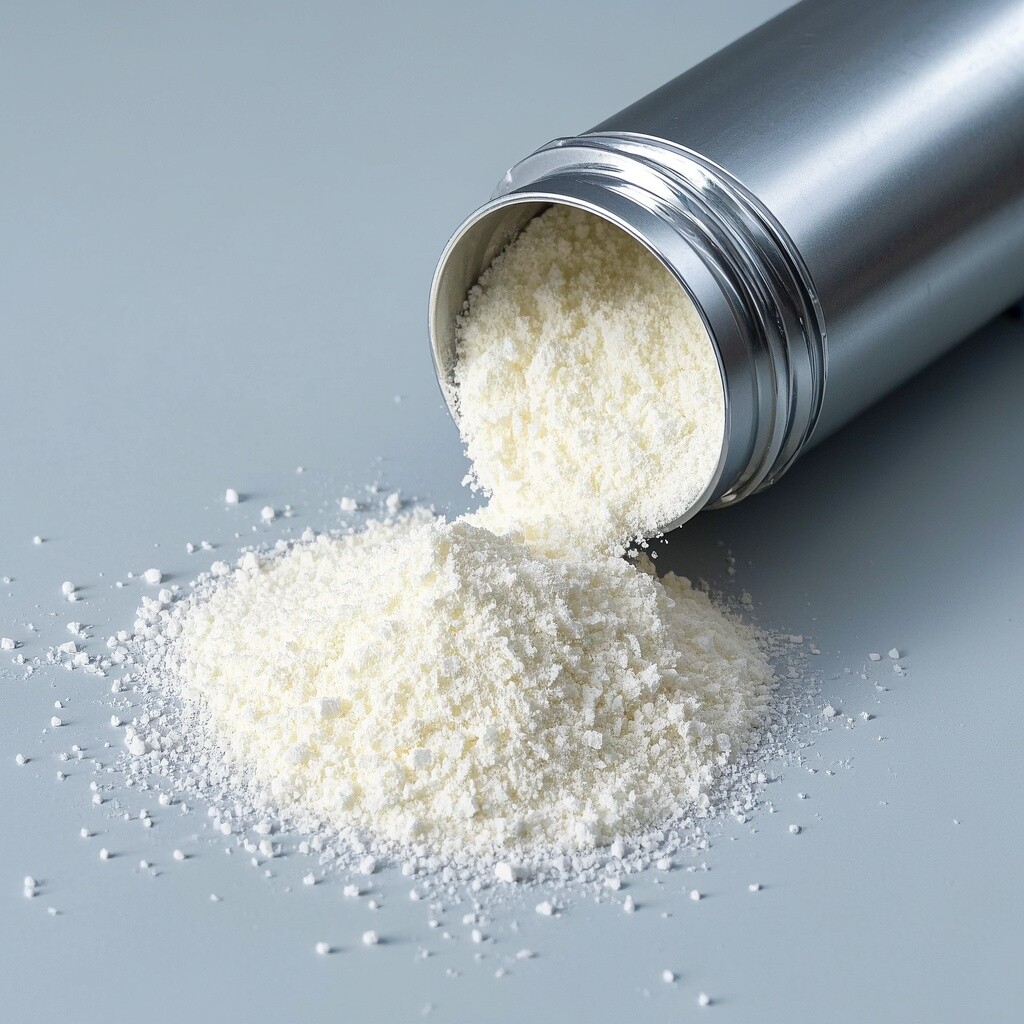
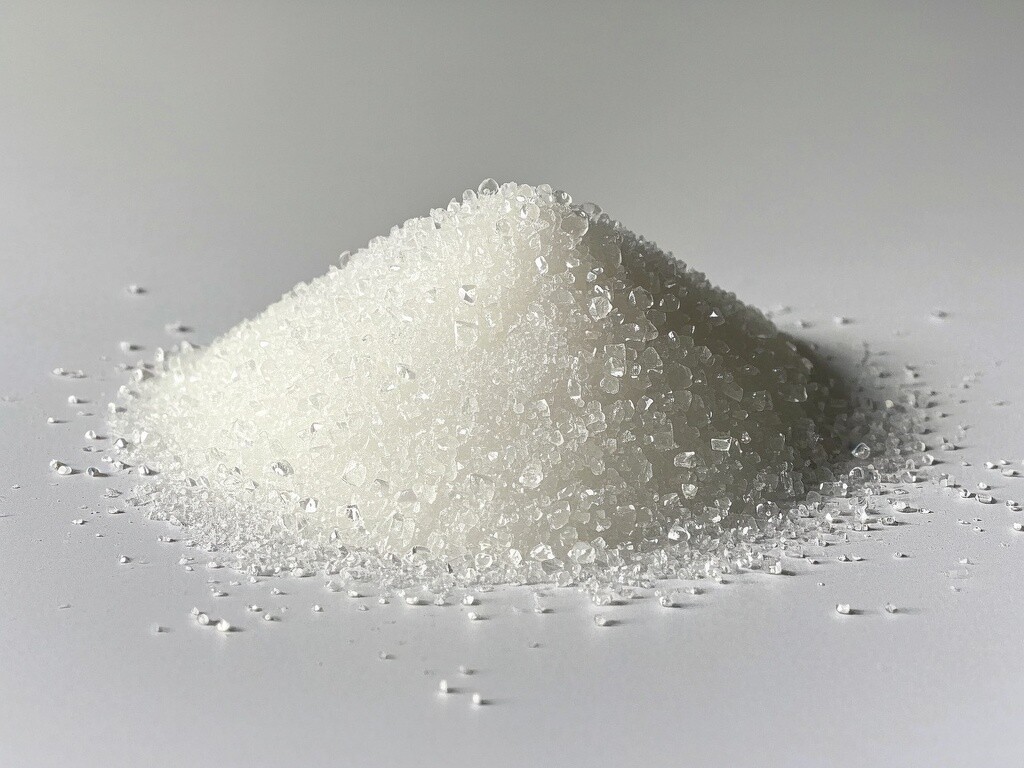
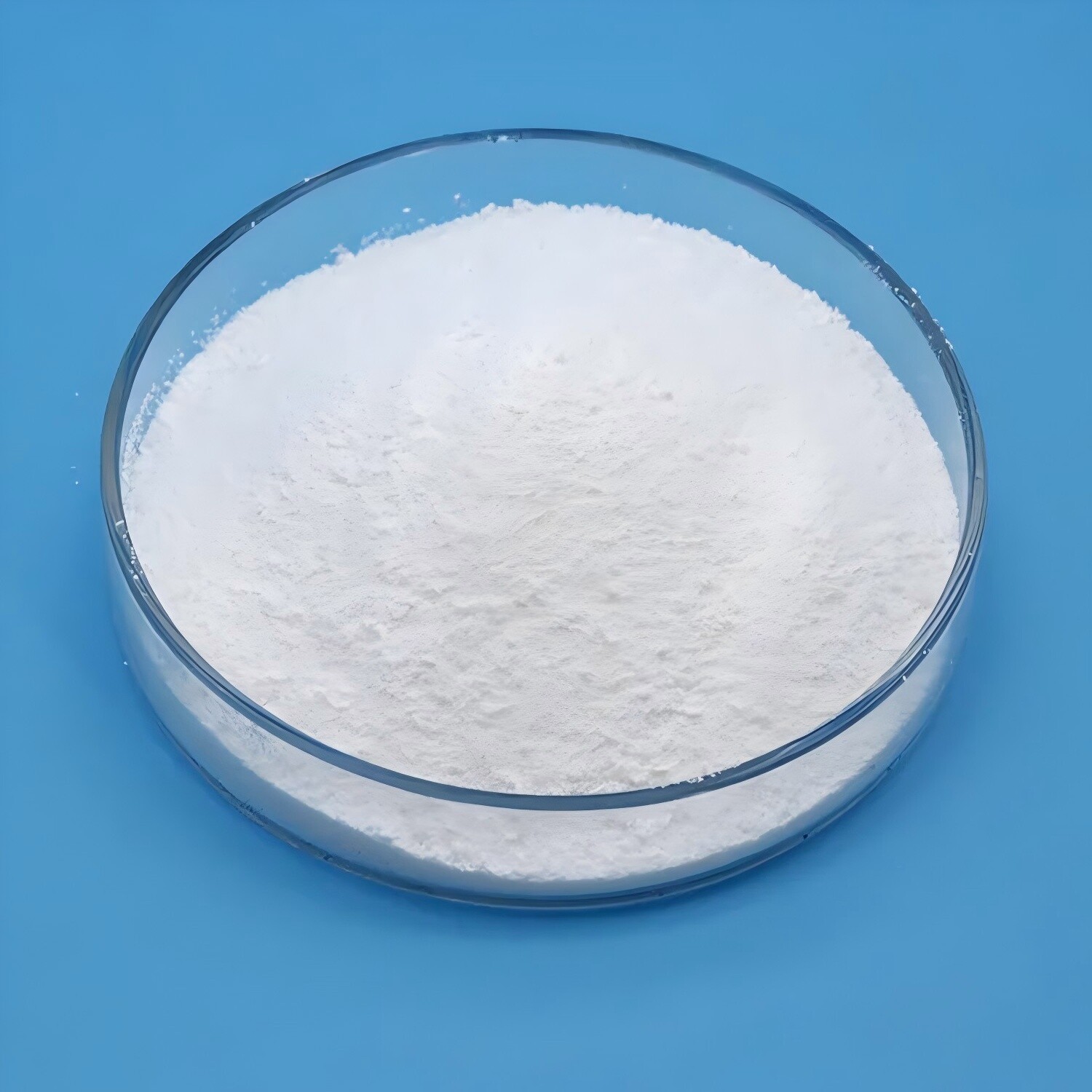
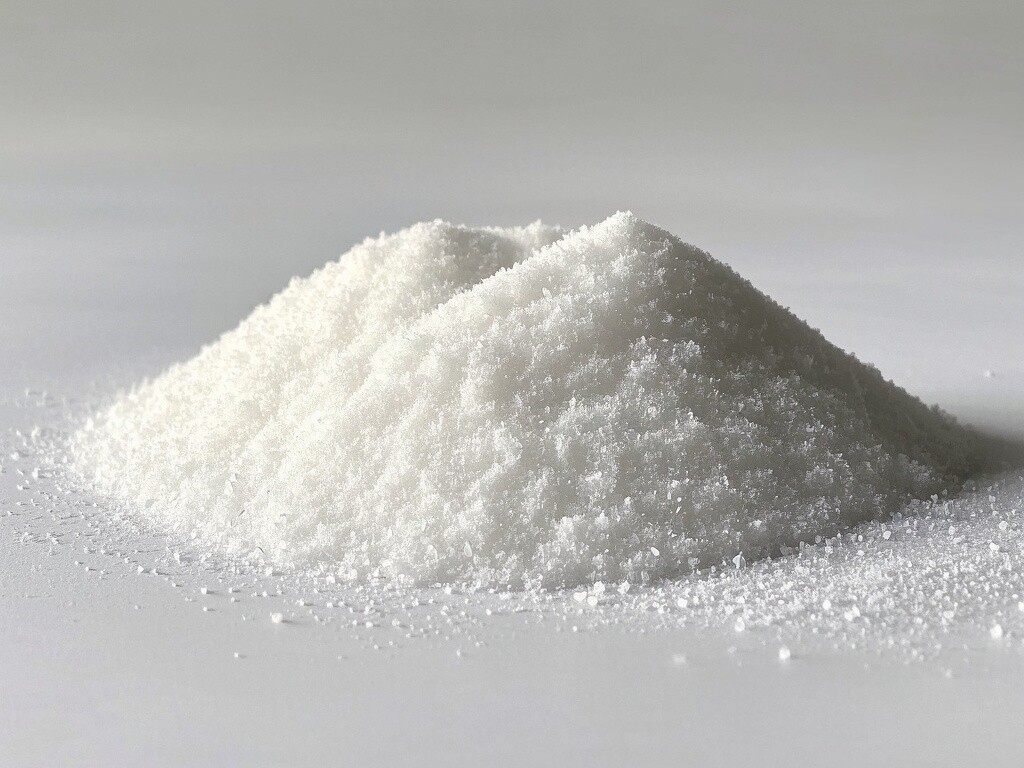
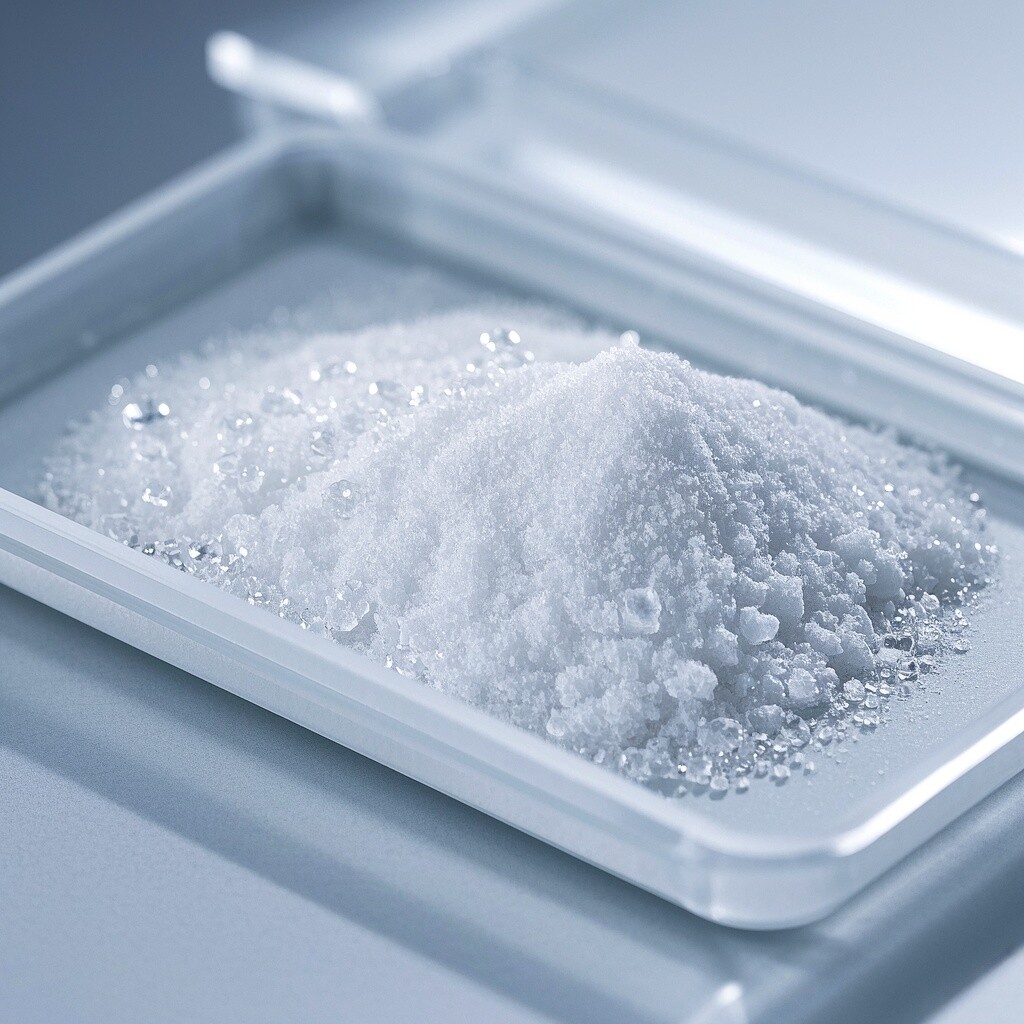
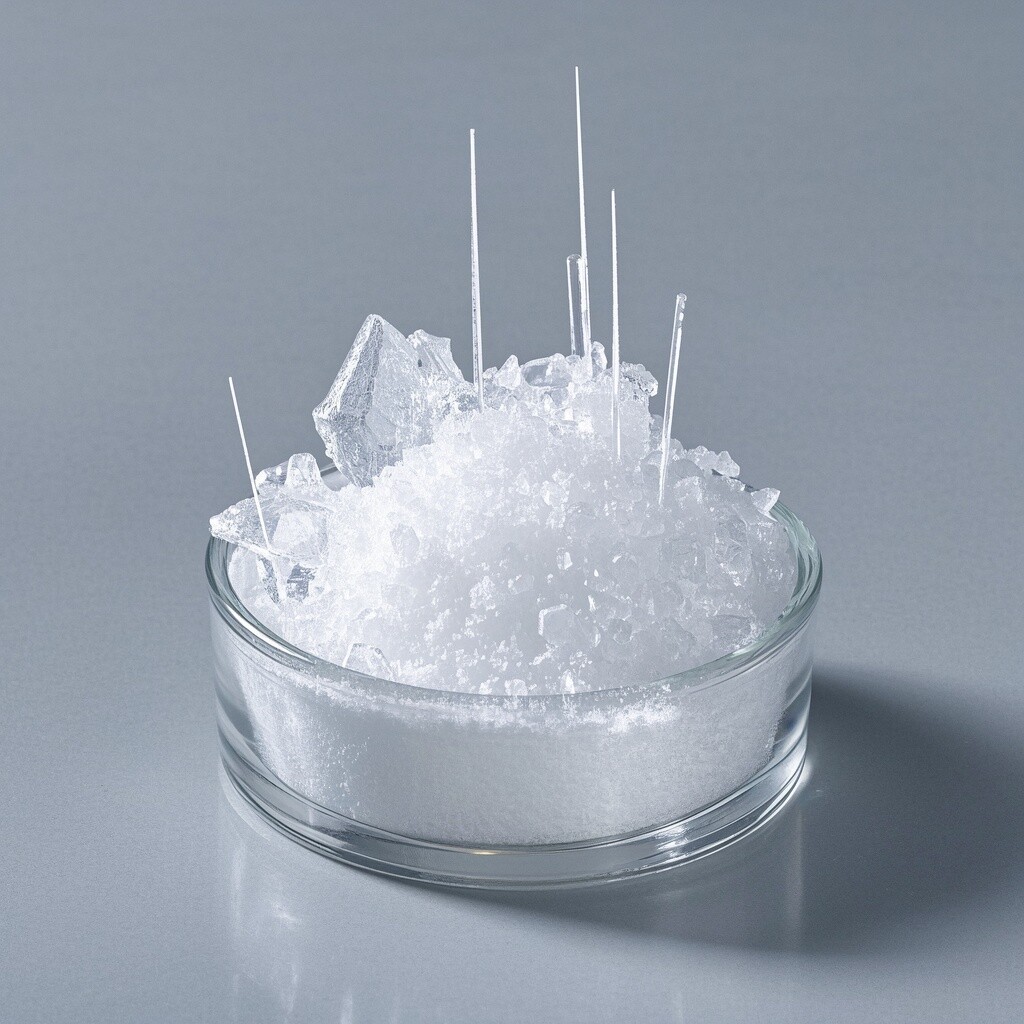
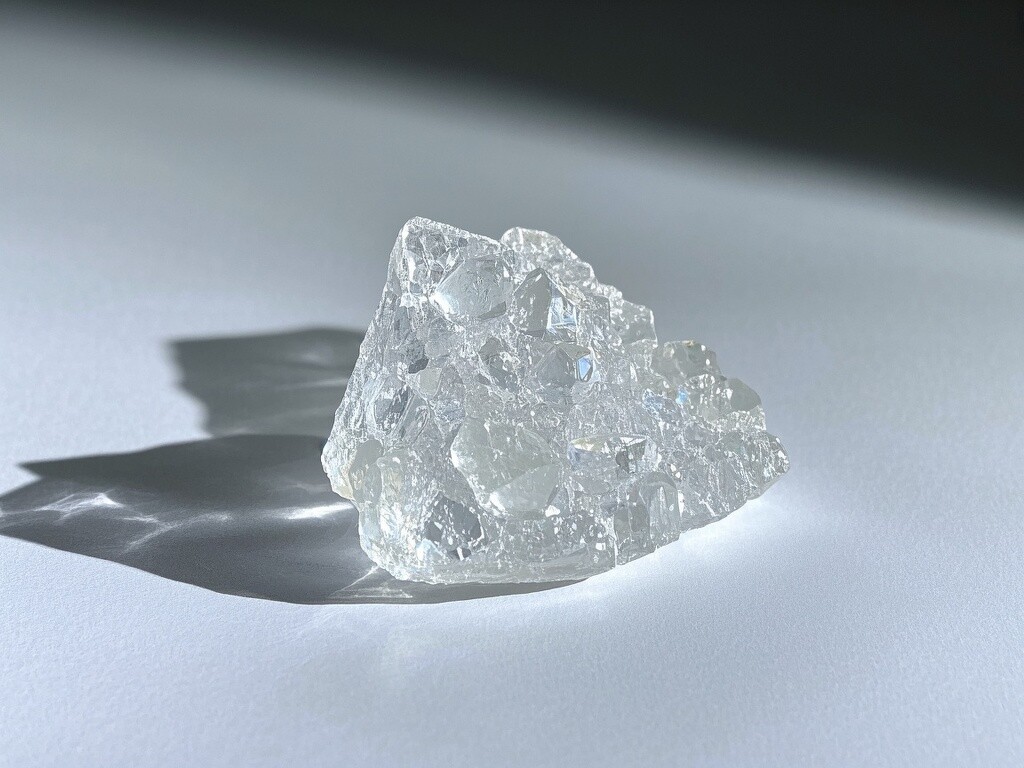
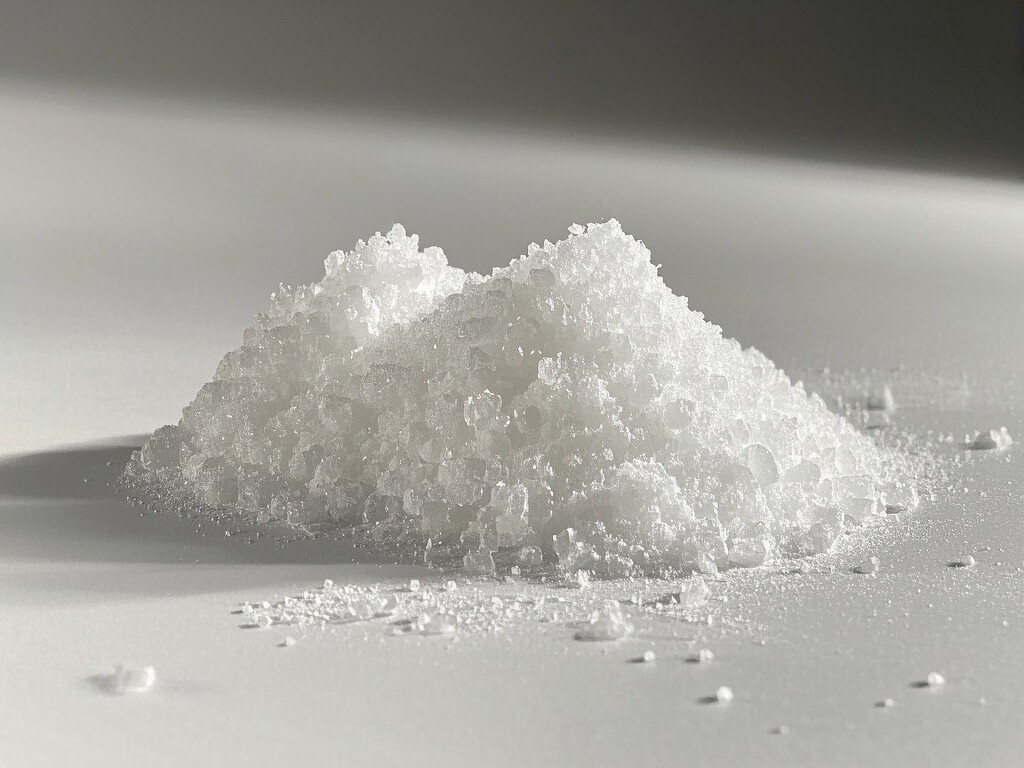
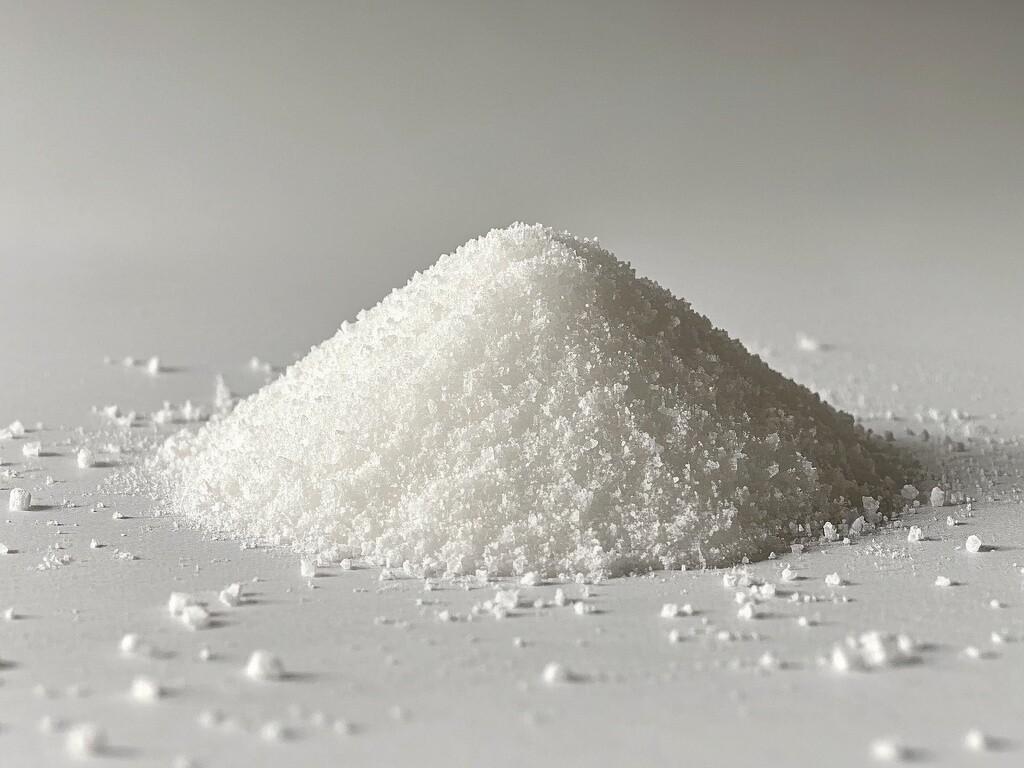
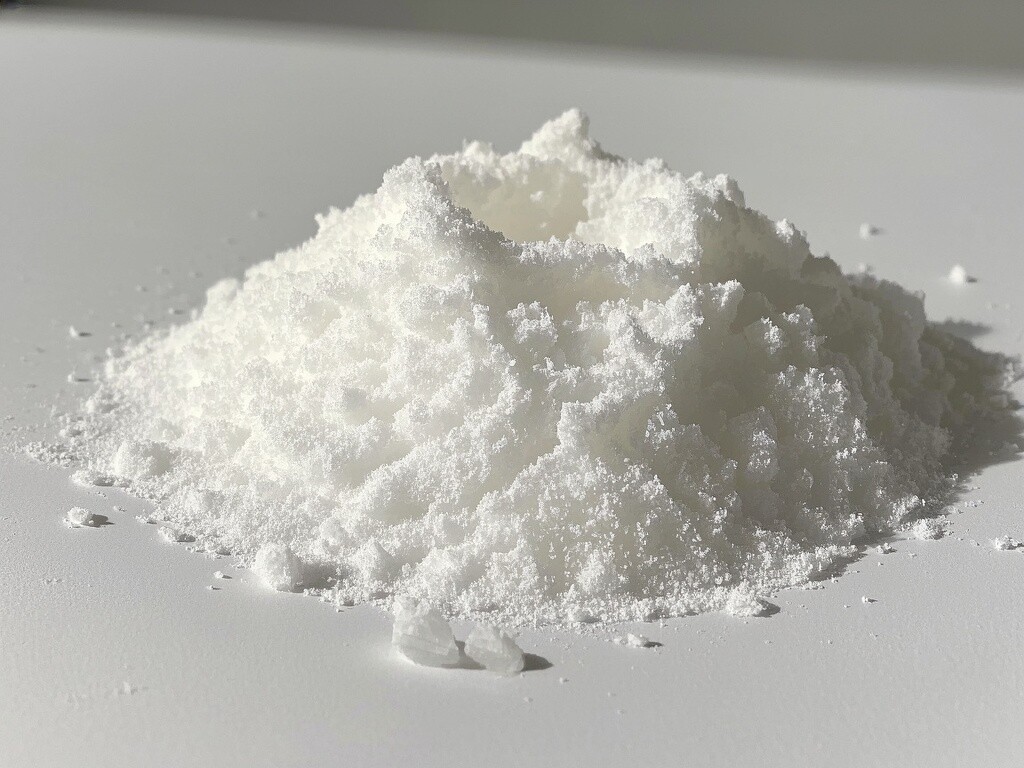
Appearance: Colorless, transparent prismatic or needle-like crystals at room temperature. High purity crystals have no obvious odor, low hygroscopicity, and better storage stability than urea and ammonium dihydrogen phosphate.
Melting Point and Decomposition: Melting point is approximately 117.3℃. When heated above the melting point, it gradually decomposes, releasing ammonia and carbon dioxide. The final decomposition products are phosphates such as ammonium dihydrogen phosphate.
Solubility: Extremely soluble in water; solubility increases significantly with increasing temperature. At 20℃, the solubility is approximately 100g/100mL water, and the aqueous solution is weakly acidic. It is sparingly soluble in organic solvents such as ethanol and acetone, and can be purified by solvent extraction.
Density and Bulk Density: Crystal density is approximately 1.71g/cm³, and the bulk density of industrial-grade products is 0.8-1.0g/cm³, facilitating packaging, transportation, and feeding.
2. Chemical Properties
Weak Acidity: Due to the dissociation of phosphate groups, the aqueous solution exhibits weak acidity (pH value of 1% aqueous solution is approximately 1.8-2.2). It can undergo neutralization reactions with alkalis to produce corresponding phosphates and urea.
Nitrogen-Phosphorus Synergistic Properties: The molecule simultaneously contains nitrogen (N content approximately 17.7%) and phosphorus (P₂O₅ content approximately 44.9%), two essential plant nutrients. It decomposes slowly in soil, resulting in low nitrogen and phosphorus loss, making it a highly efficient slow-release compound fertilizer raw material.
Complexing Ability: It can form stable complexes with metal ions (such as Ca²⁺, Mg²⁺, Fe³⁺). In industry, it can be used as a water softener and metal surface treatment agent to reduce the concentration of calcium and magnesium ions in water and prevent scaling.
Thermal Stability: Stable at room temperature and not easily deliquescent in humid environments; completely decomposes at high temperatures (>150℃), producing ammonia, carbon dioxide, phosphoric acid, etc., with no toxic gas emissions.
Main Applications
1. Agricultural Sector: High-Efficiency Fertilizers and Soil Conditioners
Nitrogen-Phosphorus Compound Fertilizer: Urea phosphate (UP) contains approximately 17% nitrogen (N) and 44% phosphorus pentoxide (P₂O₅), making it a high-concentration water-soluble nitrogen-phosphorus compound fertilizer that provides crops with both nitrogen and phosphorus, the two core nutrients.
Fertilizer Additive:It can be used as a core raw material for compound fertilizers, water-soluble fertilizers, and foliar fertilizers. It can be combined with potassium salts, trace elements, etc., to produce functional fertilizers, solving the problems of single nutrient content and low utilization rate in traditional fertilizers.
2. Feed Sector: Ruminant-Specific Feed Additive
Urea phosphate (UP) is a high-quality non-protein nitrogen (NPN) feed additive, mainly used in feed formulations for ruminants such as cattle and sheep:
- Microorganisms in the rumen of ruminants can convert the nitrogen in urea phosphate into microbial protein, supplementing the protein nutrition required for animal growth and reducing feed costs (replacing some high-protein feed ingredients such as soybean meal and fishmeal).
- Simultaneously provides phosphorus, promoting bone development and improving reproductive performance in ruminants, and preventing problems such as pica and growth retardation caused by phosphorus deficiency.
*Caution: Strictly prohibited for use in feed for monogastric animals such as pigs and chickens. Monogastric animals cannot digest and utilize it, easily leading to poisoning.*
3. Industrial Applications: Multiple Chemical and Water Treatment Applications
Water Treatment Agent:Can be used as a scale inhibitor and corrosion inhibitor for boiler water. Its molecular structure can combine with calcium and magnesium ions in water to form stable complexes, preventing scale deposition; it can also form a protective film on metal surfaces, reducing corrosion of the boiler inner wall and extending equipment lifespan.
Also used in wastewater treatment as a phosphorus source supplement, promoting nitrification-denitrification reactions in wastewater microorganisms and improving nitrogen and phosphorus removal efficiency.
Flame Retardant Raw Material:When compounded with other compounds, it can produce intumescent flame retardants, applied to the flame retardant treatment of plastics, coatings, wood, and other materials. Urea phosphate decomposes to release ammonia and phosphoric acid. Ammonia dilutes oxygen, and phosphoric acid forms a flame-retardant char layer, blocking the combustion chain reaction.
Other Industrial Uses:It can be used as a metal surface treatment agent for metal phosphating, improving the corrosion resistance and coating adhesion of metal surfaces; it can also be used in the preparation of adhesives, cleaning agents, and other products.
4. Other Fields
In the fire protection industry, it can be used as an additive to dry powder fire extinguishing agents to enhance the fire extinguishing effect; in the food industry, it can be used as an acidity regulator (must meet food-grade standards) in the processing of some foods.
Safety Precautions
1. Health and Safety Precautions
Skin Contact Protection
Urea phosphate has a certain degree of hygroscopicity. Direct contact with skin may cause local dryness and irritation due to moisture absorption. When handling, wear nitrile or neoprene gloves and long-sleeved protective clothing to avoid exposing skin. If accidental contact occurs, immediately flush the contact area with plenty of running water for at least 15 minutes. If redness, swelling, itching, or other discomfort occurs, seek medical attention immediately.
Eye Protection
Urea phosphate powder or solution splashed into the eyes will cause severe irritation, resulting in conjunctival congestion and pain. Impact-resistant goggles or a full-face mask must be worn during operation. If eye contact occurs, immediately lift the eyelids and flush continuously with plenty of water or saline solution for 15-20 minutes. Seek medical attention as soon as possible. Avoid rubbing your eyes during this time.
Respiratory Protection
Dry urea phosphate powder is easily generated as dust. Inhalation can irritate the nasal, pharyngeal, and respiratory mucosa, causing symptoms such as coughing and dry throat. When performing dust-generating operations such as feeding and mixing, it must be carried out in a fume hood or well-ventilated area, and a dust mask (KN95 or higher) must be worn. Avoid prolonged inhalation of its dust without protection.
Prevention of Accidental Ingestion
Urea phosphate is not edible. Ingestion will irritate the digestive tract, causing symptoms such as nausea, vomiting, and abdominal pain. Wash hands promptly after handling. Eating, drinking, and smoking are strictly prohibited in the work area. The product must be stored in a sealed container, away from food, beverages, and animal feed, and the packaging must be labeled with "Non-edible" and "Chemical Product" warnings. If accidentally ingested, do not induce vomiting. Immediately drink plenty of warm water to dilute the substance and seek medical attention with the product label.
2. Storage and Transportation Safety Precautions
Storage Requirements
- Store in a cool, dry, and well-ventilated warehouse, away from fire and heat sources. The warehouse temperature should ideally be controlled below 30℃, and the relative humidity should not exceed 75%.
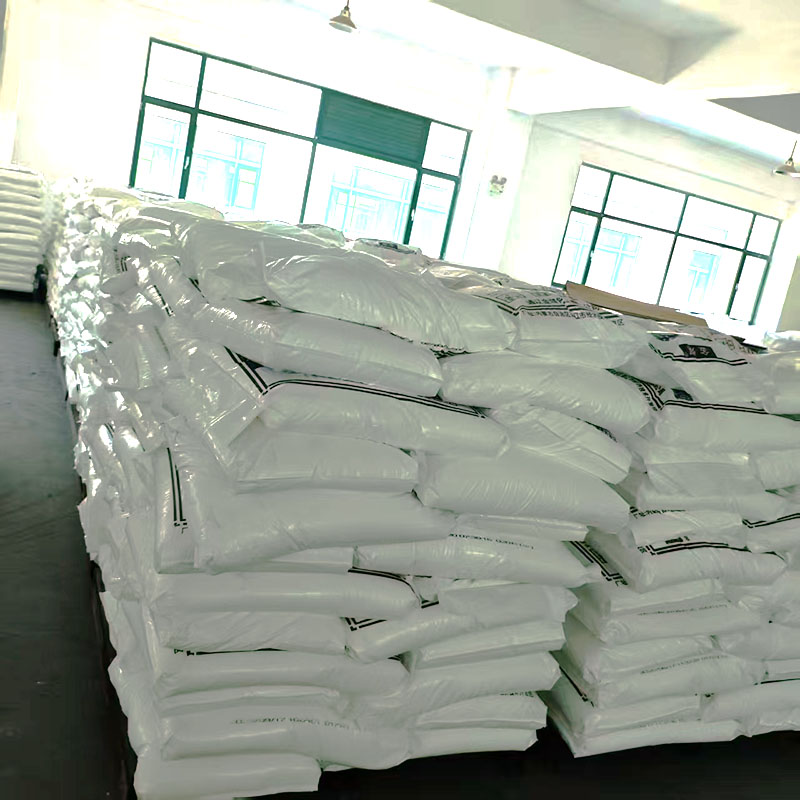
- Urea phosphate is hygroscopic and prone to clumping; therefore, it requires sealed, moisture-proof packaging (such as woven bags lined with plastic film) to prevent direct contact with air. When stacking, the bottom should be elevated to maintain a distance of at least 10cm from the ground to prevent moisture absorption.
- It is strictly forbidden to store with strong alkalis, strong oxidizers, or corrosive substances, such as sodium hydroxide and sodium hypochlorite, to prevent chemical reactions that could generate harmful substances.
- The storage area must be equipped with appropriate spill response equipment, such as brooms, dustpans, and leak-proof mats.
Transportation Requirements
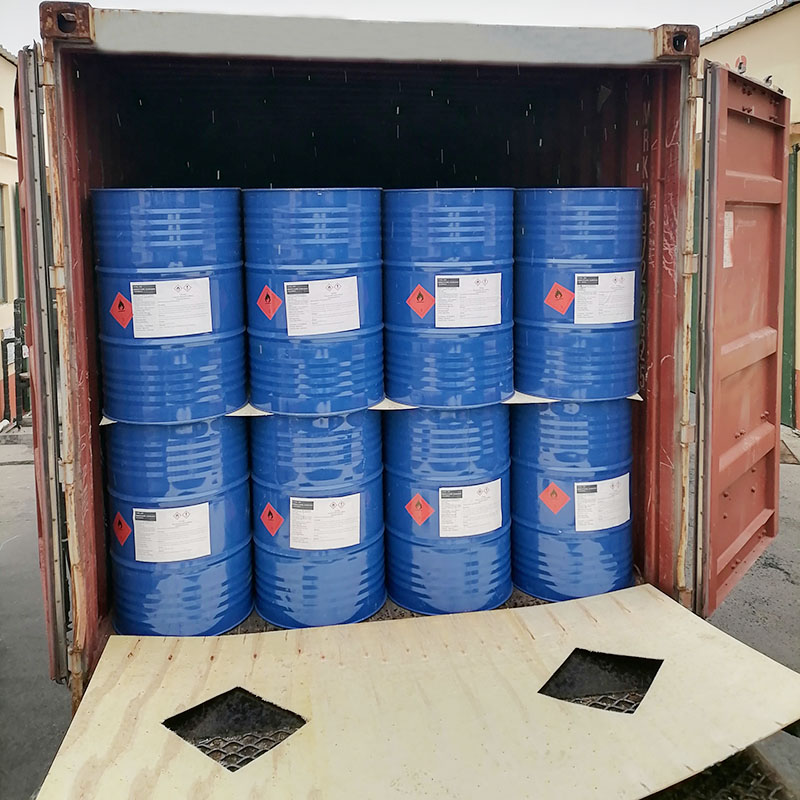
- Transport vehicles must be kept dry and clean. Rainproof tarpaulins or plastic film can be laid inside the vehicle to prevent product moisture absorption. During transportation, the vehicle must be covered with a tarpaulin to avoid rain and sun exposure.
- Handle with care during loading and unloading to prevent packaging damage and powder leakage. It is strictly forbidden to transport with strong alkalis, strong acids, or other hazardous chemicals.
- Transportation routes must avoid densely populated areas such as residential areas and schools, and comply with relevant regulations for the transportation of hazardous materials (if transported as ordinary chemicals, local transportation standards must be confirmed).
3. Leakage Emergency Handling
For small leaks, immediately collect the leaked material into a sealed container using a dry broom or shovel and dispose of it properly; do not discard it indiscriminately; avoid flushing the leaked material into sewers to prevent water pollution.
For large leaks, first establish a warning zone and prohibit unauthorized personnel from entering; use impermeable mats to contain the leak area to prevent spread, and then collect and transfer the material; handling personnel must wear full protective equipment (protective clothing, gloves, goggles, dust masks).
4. Environmental Safety Precautions
Although urea phosphate has low environmental toxicity, large-scale entry into water bodies can still lead to eutrophication and affect aquatic ecosystems. Production wastewater must be treated to meet standards before discharge; direct discharge into rivers, lakes, and other natural water bodies is strictly prohibited.
Waste urea phosphate packaging must be collected and disposed of in a centralized manner and must not be discarded at will; expired or scrapped products must be entrusted to a qualified hazardous waste treatment unit for disposal and must not be buried or burned without authorization.
Company Profile
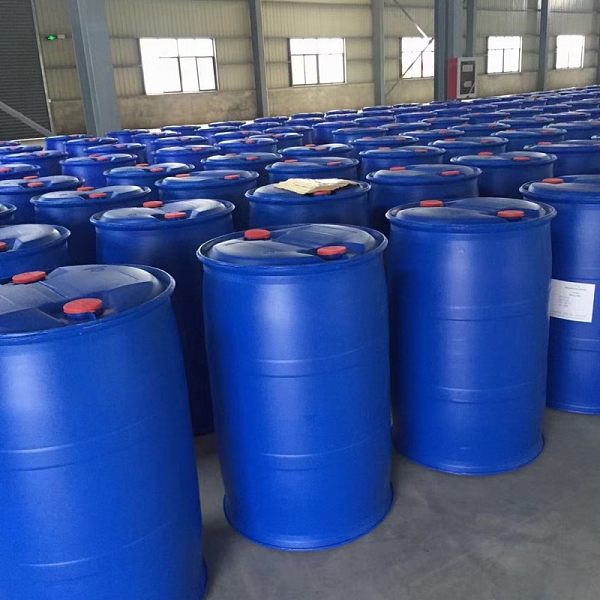
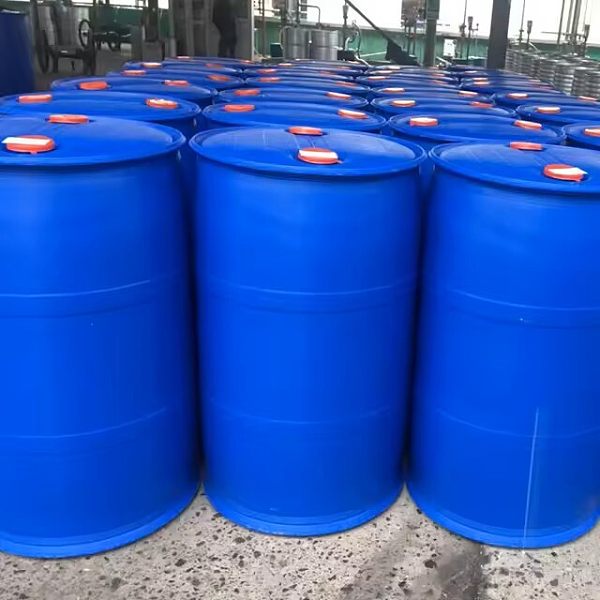
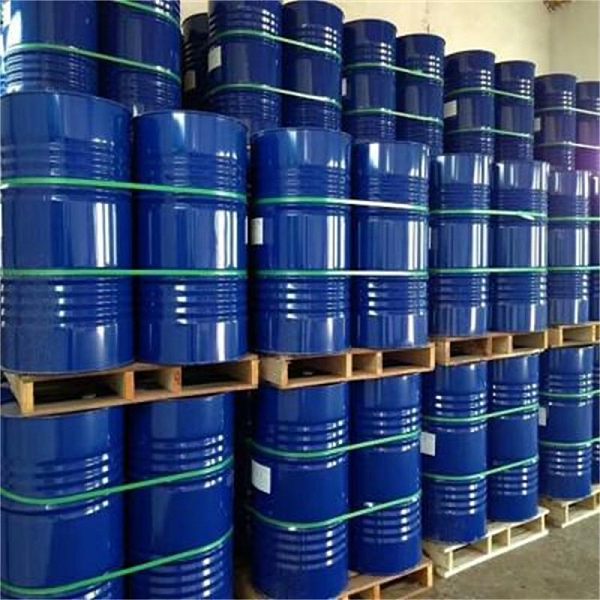
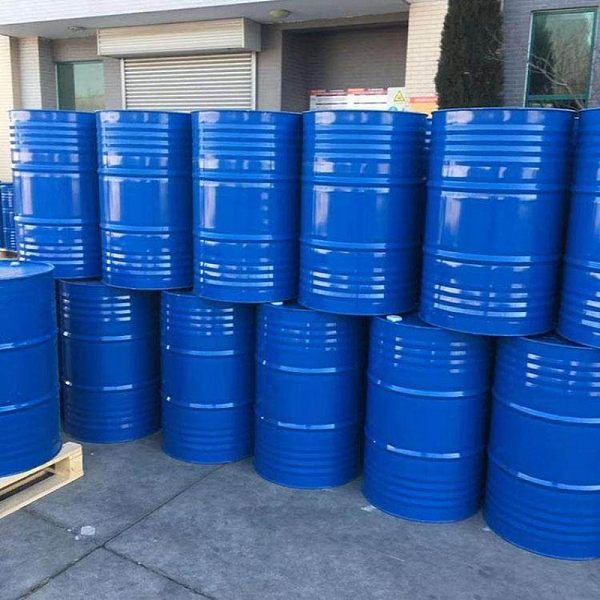
Junteng Chemical is a professional chemical raw materials trading company dedicated to providing customers with one-stop procurement services. Through strict supplier, supply chain, and after-sales management, the company ensures that product quality, transportation, and use meet customer needs. Furthermore, the company's technical team offers customized solutions and support services free of charge.
The company has projects in the pharmaceutical, pesticide, petrochemical, construction, food additives, wastewater treatment, adhesives, inks, paints, coatings, plastic and rubber processing, detergent raw materials, fertilizer and textile mills, and more. Junteng Chemical sources products of stable and reliable quality, collaborating with domestic and international companies such as Luxi Group, Weiyuan Chemical, Qilu Petrochemical, Dongying Lihuayi, Yanshan Petrochemical, Sinopec, Shijiazhuang Refinery, Qingdao Petrochemical, Sailboat, Dow Chemical, BASF, South Korea, Taiwan, and Saudi Arabia. Our stable supply, superior product quality, and mature logistics have earned us a wide clientele. We look forward to collaborating with all of you for a mutually beneficial future.
Company advantages

One-Stop Procurement
Platform
We integrate resources across all productcategories, including organic solvents,resins and rubbers, and inorganicchemicals,and strictly control suppliers.supply chains, and after-sales processes toensure stable quality, efficienttransportation,and worry-free use,simplifying your procurement process.

Professional Team TechnicalEmpowerment
Equipped with an experienced technicalteam, we provide free personalizedsolutions and professional technicalsupport to customers in varlous industrie,such as pharmaceuticals, petrochemicals,coatings and inks, and sewage treatment,.helping you solve problems and improveefficiency.

Global supply ChainSecurity
We work with top domestic and foreignchemical giants such as Luxi Group, QiluPetrochemical, Sinopec, BASF of Germany,and Dow of the United States to establisha stable and reliable high-quality supplynetwork and a mature logistics system toensure timely and safe delivery of
products.

Deep Win-Win CooperationConcept
Adhering to the concept of "integrity.immediate action, professionalism,innovation and win-win" and taking"customer success and altruism" as ourmission, we are committed to establishinglong-term strategic partnerships andcreating a better future through excellentproducts and services.
Related products
 Electronic Grade DL-Tartaric acid CSA 133-37-9
 2-Hydroxyethyl acrylate
 Terephthalic acid PTA
--Tech.Grade") Sodium Pyrophosphate(TSPP)--Tech.Grade
Sodium Pyrophosphate(TSPP)--Tech.Grade--Tech.Grade &Food Grade") Sodium Tripolyphosphate(STPP)--Tech.Grade &Food Grade
Sodium Tripolyphosphate(STPP)--Tech.Grade &Food Grade--Food Additive") Sodium Acid Pyrophosphate(SAPP)--Food Additive
Sodium Acid Pyrophosphate(SAPP)--Food Additive--Tech Grade &Food Grade") Sodium Hexametaphosphate(SHMP)--Tech Grade &Food Grade
Sodium Hexametaphosphate(SHMP)--Tech Grade &Food Grade--Tech.Grade &Food Grade") Urea Phosphate(UP)--Tech.Grade &Food Grade
Urea Phosphate(UP)--Tech.Grade &Food Grade") Monosodium Phosphate(MSP)
Monosodium Phosphate(MSP)") Disodium Phosphate(DSP)
Disodium Phosphate(DSP)--Tech.Grade") Potassium Pyrophosphate(TKPP)--Tech.Grade
Potassium Pyrophosphate(TKPP)--Tech.Grade") Monoammonium Phosphate(MAP)
Monoammonium Phosphate(MAP)") Diammonium Phosphate(DAP)
Diammonium Phosphate(DAP)") Monopotassium Phosphate(MKP)
Monopotassium Phosphate(MKP)") Dipotassium Phosphate(DKP)
Dipotassium Phosphate(DKP) Red Phosphorus
") Sodium T-Amylate(STA)
Sodium T-Amylate(STA) Sodium Acetate
 Sodium carbonate
 Phosphoric acid 75%/85%
 Sodium formate 92%,95%,98%
 Potassium formate 75%,97%
 Calcium formate 98%
 Formic acid 85%/90%/94%/99%
 Acetic acid solution 45%/55%/65%/75%/80%/90%
 GLACIAL ACETIC ACID
") Methacrylic acid(MAA)
Methacrylic acid(MAA) Adipic Acid
 Sulfamic Acid
 Salicylic Acid
 Gluconic Acid
 Benzoic Acid
 Glacial Acetic Acid
 Adipic Acid
 Oxalic Acid
 Citric Acid
 Boric Acid
 Sulfamic Acid
 Salicylic Acid
 Formic Acid
Message
Leave A Message
If you are interested in our products and want to know more details, please leave a message here, we will reply you as soon as we can.