





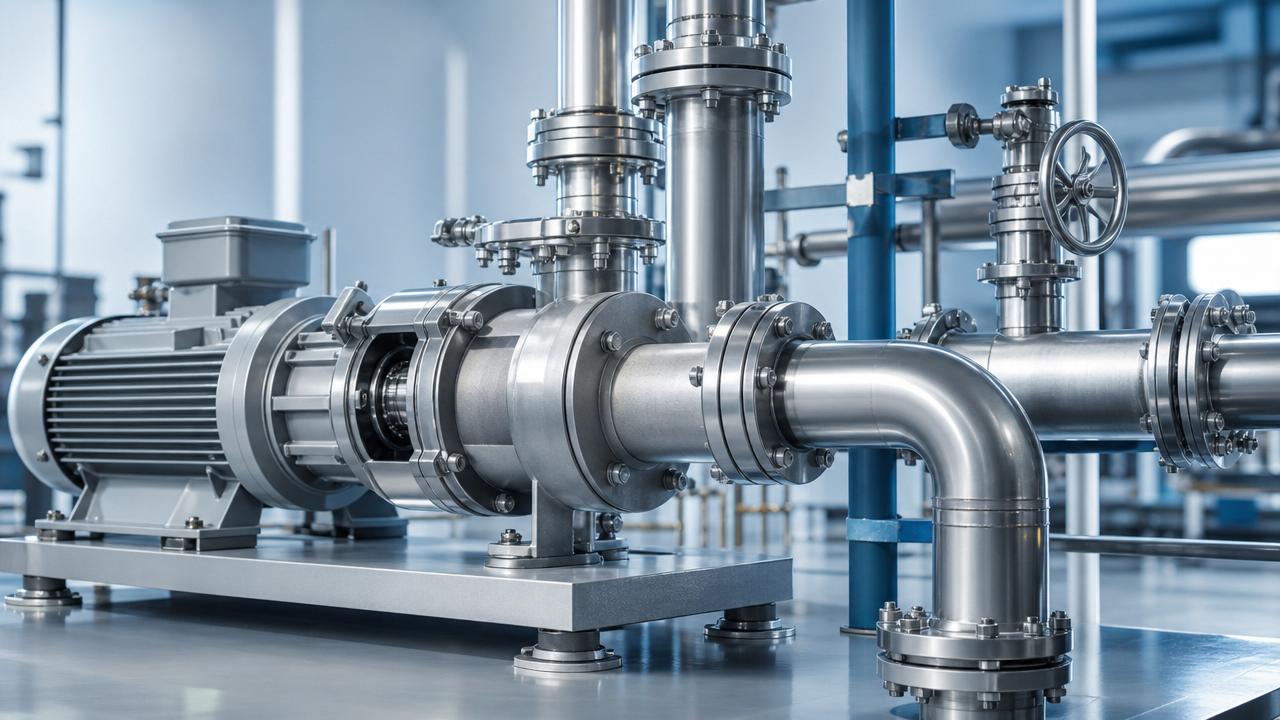
In chemical transfer systems, handling Glacial Acetic Acid safely and efficiently often depends on the right pump and seal performance. For after-sales maintenance teams, understanding common leakage, corrosion, cavitation, and seal failure issues is essential to reducing downtime and preventing costly system damage. This article outlines the most frequent problems and practical troubleshooting points to support stable operation and longer equipment life.
What After-Sales Maintenance Teams Usually Need to Know First
When Glacial Acetic Acid transfer systems start failing, the root cause is often not the pump alone. Seal compatibility, suction conditions, flushing practices, and installation accuracy usually matter just as much.
For maintenance personnel, the key question is practical: is this a material issue, an operating condition issue, or a maintenance practice issue? Fast diagnosis prevents repeated failures and unnecessary parts replacement.
In most cases, recurring leakage, abnormal noise, rising vibration, seal overheating, and shortened service life point to a mismatch between the chemical properties of Glacial Acetic Acid and the system design.
Why Glacial Acetic Acid Creates Special Pump and Seal Challenges
Glacial Acetic Acid is corrosive and sensitive to contamination, temperature variation, and moisture in certain process conditions. That means pump internals and sealing components must be selected with more care than for general liquids.
Even if the pump seems mechanically sound, unsuitable elastomers, poor metallurgy, or unstable suction can quickly lead to leakage, corrosion, or loss of hydraulic performance. Maintenance teams should always evaluate the full operating environment.
This is especially important in chemical plants serving pharmaceuticals, pesticides, adhesives, and petrochemicals, where transfer reliability directly affects production continuity, product purity, and safety performance.
Leakage at the Mechanical Seal: The Most Common Field Complaint
Seal leakage is usually the first visible sign of trouble in a Glacial Acetic Acid transfer system. It may begin as slight weeping, but it often develops into persistent dripping or sudden failure.
Common causes include dry running during startup, inadequate flushing, worn seal faces, incorrect seal pressure rating, and elastomer incompatibility. Improper shaft alignment can also overload the seal and accelerate wear.
Maintenance teams should check whether the leakage is from the seal faces, secondary sealing elements, gland area, or sleeve interface. This distinction helps avoid replacing the entire seal assembly when only one component has failed.
If failure repeats after replacement, do not assume the new seal is defective. Review pump vibration, shaft runout, suction stability, and whether the process fluid temperature has exceeded the seal design limit.
Corrosion Problems Often Start Small but Spread Fast
Corrosion in pumps handling Glacial Acetic Acid may first appear as localized pitting, surface discoloration, or thinning around wetted metal parts. Left unchecked, it can damage impellers, casings, shafts, and fasteners.
One frequent issue is selecting materials based only on general acid resistance rather than actual process concentration, temperature, and contamination profile. Small changes in operating conditions can significantly affect corrosion behavior.
Maintenance staff should inspect not only the pump body but also seal hardware, bolts, sleeves, and auxiliary piping. In many failures, secondary components degrade first and create hidden leak paths or instability.
When reviewing parts replacement, it is often better to confirm metal compatibility systematically instead of repeatedly changing the same failed component. This reduces downtime and improves long-term maintenance planning.
Cavitation and Noise: Not Always a Pump Quality Problem
When a Glacial Acetic Acid pump becomes noisy, loses flow, or shows intermittent vibration, cavitation should be investigated early. Many field teams replace bearings first, even though suction conditions are the actual problem.
Cavitation can result from insufficient net positive suction head, clogged suction strainers, excessive suction lift, vapor formation, undersized piping, or unexpected temperature increase in the liquid being transferred.
Operators may report rattling sounds or unstable discharge pressure. Maintenance teams should compare actual operating data against design conditions instead of relying only on audible symptoms or visual inspection.
If the pump is oversized and forced to run away from its best efficiency point, internal recirculation can also create vibration and seal stress. The symptom may look like mechanical failure, but the cause is hydraulic.
Why Seal Life Becomes Much Shorter Than Expected
Short seal life in Glacial Acetic Acid service usually has more than one cause. A maintenance review should look at startup practices, flushing arrangement, cooling effectiveness, shaft condition, and process upset history.
Frequent starts and stops can cause thermal shock and repeated face disturbance. Running the pump with poor venting or temporary dry conditions can damage the seal faces in a very short time.
Another common issue is contamination entering the sealing area. Solid particles, degraded residues, or foreign materials can scratch seal faces and prevent stable lubrication between the sliding surfaces.
Although this article focuses on acid transfer systems, maintenance teams working across solvent lines may also face different compatibility risks. For example, Trichloroethylene service introduces separate material, cleaning, and health considerations.
A Practical Troubleshooting Sequence for Field Maintenance
For after-sales maintenance teams, the best approach is a repeatable troubleshooting sequence. Start by identifying the exact symptom: leakage, heat, vibration, noise, low flow, or repeated seal wear.
Next, verify operating conditions at the time of failure. Check suction pressure, discharge pressure, temperature, flow stability, motor load, and whether the pump was started under proper priming conditions.
Then inspect mechanical factors. Confirm coupling alignment, shaft runout, bearing condition, baseplate rigidity, and pipe strain. Excessive external pipe load can deform the pump casing and disturb seal alignment.
After that, review materials and component selection. Verify metallurgy, seal face combination, and elastomer suitability for the actual Glacial Acetic Acid concentration and temperature rather than nominal specifications.
Finally, document the failure mode with photos, wear patterns, and service hours. A structured failure history helps identify recurring root causes across multiple customer sites and improves future maintenance recommendations.
Maintenance Checks That Prevent Repeat Failures
Routine preventive checks are more valuable than emergency seal replacement after leakage begins. Maintenance teams should monitor vibration trend, bearing temperature, seal area cleanliness, and suction line condition on a planned schedule.
It is also important to inspect for air ingress on the suction side. Small leaks in flanges, valves, or fittings may not release liquid outward, but they can still destabilize pump performance and damage seals.
Flushing systems should be checked for blockage, wrong flow direction, and insufficient pressure differential. A poorly functioning flush plan often causes overheating or deposit buildup without obvious external warning signs.
Where chemical plants handle multiple fluid types, cross-service assumptions should be avoided. A pump setup suitable for one solvent or cleaner is not automatically suitable for Glacial Acetic Acid or other corrosive chemicals.
How Better Parts and Supply Support Improve Maintenance Outcomes
Reliable maintenance does not depend only on technical skill. It also depends on access to stable product quality, traceable sourcing, and responsive supply support when replacement parts or chemical products are urgently needed.
Shandong JunTeng Chemical Co., Ltd. supports customers through a one-stop chemical product procurement model backed by established supplier relationships, supply chain management, and efficient logistics coordination.
For maintenance and procurement teams, this kind of support helps reduce delays when process chemicals are needed for ongoing production across pharmaceuticals, petrochemicals, wastewater treatment, adhesives, and related industries.
In broader chemical operations, products such as Trichloroethylene may be sourced for metal degreasing, precision parts cleaning, or solvent applications, but handling requirements must always match the specific service environment.
When to Repair, Upgrade, or Change the Pumping Arrangement
Not every failure should be solved by replacing the same seal or pump model again. If the same issue returns repeatedly, the system may need a design correction rather than another routine repair.
Upgrade decisions may include changing seal type, modifying flush plans, improving suction piping, selecting more compatible materials, or resizing the pump so it operates closer to its best efficiency point.
For high-value production lines, the cost of repeated unplanned stoppage is often greater than the cost of a targeted upgrade. Maintenance teams should present failure data clearly to support such decisions.
A good recommendation is one that links symptoms to measurable causes. This helps customers understand why the change is necessary and increases acceptance of preventive improvements.
Conclusion
In Glacial Acetic Acid transfer systems, the most common pump and seal problems usually come from a combination of chemical compatibility, unstable operating conditions, and incomplete maintenance diagnosis.
For after-sales maintenance personnel, the most effective strategy is to focus on root cause verification instead of symptom-based part replacement. Leakage, corrosion, cavitation, and short seal life are all manageable when investigated systematically.
By checking materials, suction conditions, alignment, flushing, and operating data together, teams can reduce downtime, extend equipment life, and provide more credible technical support to end users.
That is the practical path to safer, more stable, and more cost-effective Glacial Acetic Acid handling in real chemical transfer systems.
Leave A Message
If you are interested in our products and want to know more details, please leave a message here, we will reply you as soon as we can.