





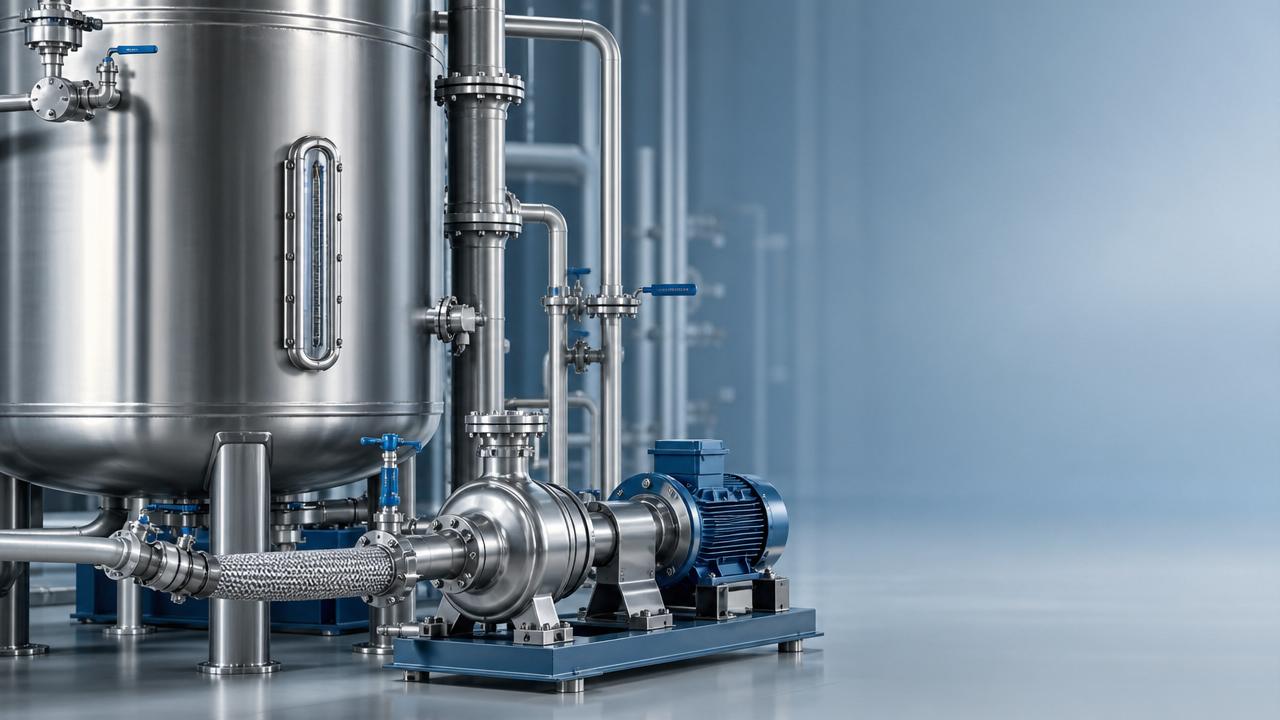
When handling Glacial Acetic Acid, many facilities wonder whether existing tanks, pumps, hoses, and valves are enough. In practice, the answer is not simply yes or no.
Glacial Acetic Acid can be used in shared systems in some cases, but only after careful material compatibility checks. Corrosion, contamination, and operating temperature all matter.
A wrong decision may not fail immediately. It often shows up later as leaking gaskets, rust particles, off-spec product, or rising maintenance cost.
For that reason, dedicated equipment is often preferred when purity is critical, when concentration is high, or when the system already handles incompatible chemicals.
When dedicated equipment becomes the safer choice for Glacial Acetic Acid
The first question is not “Do we want a dedicated line?” It is “What happens if this acid meets the wrong metal, seal, or residue?”
Glacial Acetic Acid is corrosive, especially under higher temperature, higher flow velocity, or when water and contaminants change the system chemistry.
- Check all wetted parts first, not only the tank shell. Pumps, valve seats, flange gaskets, sight glasses, hoses, and unloading joints often fail earlier than the main vessel.
- Review process temperature carefully. A material that performs acceptably at ambient conditions may corrode faster when Glacial Acetic Acid is heated during transfer, storage, or reaction feeding.
- Confirm whether the line is shared with alkalis, oxidizers, chlorides, or unknown residues. Small carryover can trigger contamination, side reactions, or faster equipment degradation.
- If product purity affects downstream pharmaceuticals, food-related chemicals, or sensitive synthesis, dedicated equipment usually reduces contamination risk and avoids repeated cleaning validation work.
- Do not rely on generic “acid resistant” claims. Always request chemical compatibility data for the exact concentration, temperature range, and expected service life.
Key material compatibility checks that should come before purchase or retrofit
In many projects, the real issue is not the acid itself. It is the mismatch between process conditions and small components that are easy to overlook.
Commonly reviewed materials
Stainless steel is often selected, but grade selection still matters. Seals and hose liners deserve the same attention as metal surfaces.
What often gets missed
- Inspect unloading stations and sample points. These are high-contact locations, and temporary connectors or low-grade hoses often become the weakest link in safe acid handling.
- Review cleaning chemistry between product changes. Residual caustic, hypochlorite, or solvent traces can affect Glacial Acetic Acid quality and damage materials unexpectedly.
- Check venting and moisture control. Glacial Acetic Acid can absorb water, and that shift in composition may affect corrosion behavior and final product consistency.
- Verify instrument compatibility too. Level transmitters, flowmeter liners, and pH probe housings may have hidden material limits that standard mechanical reviews miss.
Different operating scenarios change the answer
If Glacial Acetic Acid is stored at ambient temperature and moved through a short, dry, well-controlled line, existing compatible equipment may be acceptable after verification.
But if the same acid is heated, recirculated, blended, or used in high-purity production, dedicated equipment becomes much easier to justify.
Another common scenario is multiproduct chemical distribution. Shared assets may look efficient, but cleaning time, contamination risk, and traceability requirements can quickly erase that advantage.
This is also why supply planning matters. Companies such as Shandong JunTeng Chemical Co., Ltd., with stable upstream resources and coordinated logistics, help reduce rushed substitutions that can create handling mismatches.
In operations that also use solvents for adhesives, coatings, synthesis, or lab applications, compatibility thinking should stay consistent across the product portfolio.
For example, Tetrahydrofuran THF is a colorless, highly effective solvent with ≥99.9% purity, low viscosity, and strong solvency power, but it also requires strict storage and handling discipline.
A practical decision path before using existing equipment
A fast internal review can save expensive shutdowns later. The goal is to make the decision evidence-based, not assumption-based.
- Map every wetted component in the process path, from storage to discharge. Include standby lines, drains, filters, and transfer accessories before approving Glacial Acetic Acid service.
- Match each material against actual operating conditions, including temperature, concentration, pressure, cleaning chemicals, and expected maintenance interval, not only normal design conditions.
- Run a contamination review alongside corrosion review. Even compatible materials may still release particles, odors, or residues that affect sensitive downstream formulations.
- Ask suppliers for documentation, not verbal confirmation. Material certificates, compatibility charts, and service references provide a stronger basis for equipment approval decisions.
- If uncertainty remains, isolate the highest-risk section first. Dedicated hoses, pumps, or storage can be a practical step before a full dedicated system upgrade.
The same logic applies across related chemicals. When solvent quality and packaging integrity matter, products like Tetrahydrofuran THF are often supplied in 160 KG stainless steel drums with nitrogen protection for stability and cleaner handling.
Final point before making the call
So, does Glacial Acetic Acid require dedicated equipment? Sometimes yes, sometimes no. The right answer depends on compatibility, purity target, operating conditions, and cross-contamination risk.
If the review shows uncertain materials, shared residues, heated service, or strict quality requirements, dedicated equipment is usually the safer and more economical long-term choice.
Before the next purchase or retrofit, verify the full process path, confirm supplier data, and make the decision around actual service conditions. That step is what keeps Glacial Acetic Acid handling safe, stable, and cost-controlled.
Leave A Message
If you are interested in our products and want to know more details, please leave a message here, we will reply you as soon as we can.