





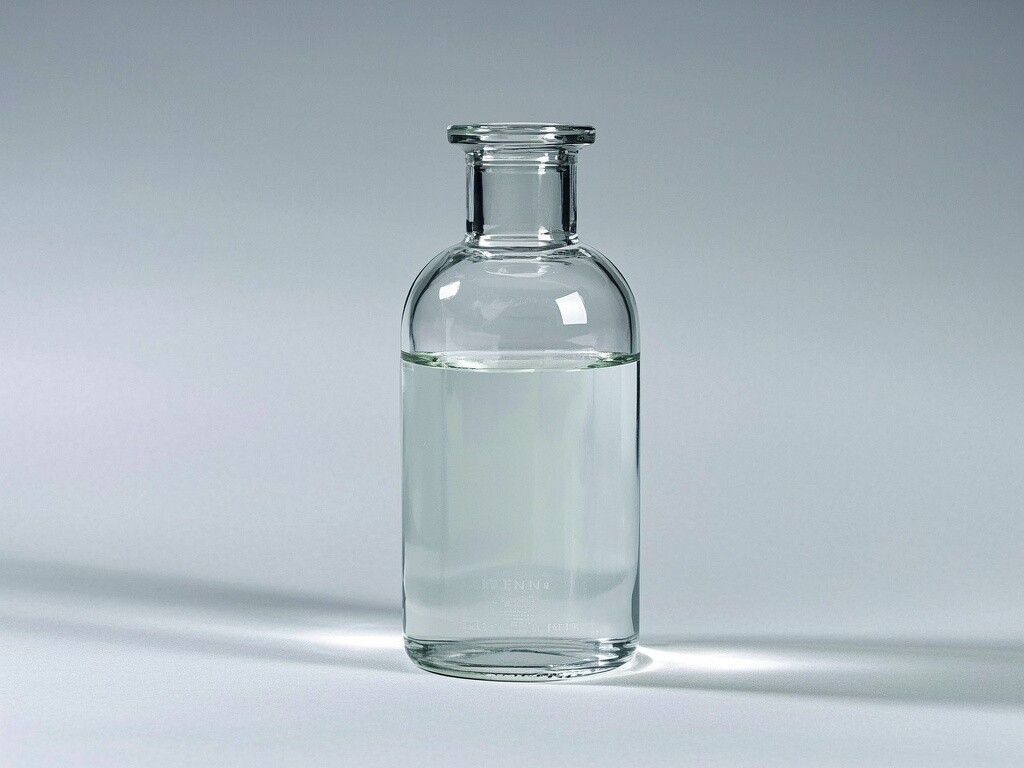
New warehouse monitoring data reveals that even minor glacial acetic acid storage temperature fluctuations significantly reduce shelf life—posing real risks for procurement professionals and distributors. For buyers sourcing methanol high purity, pure benzene, or glacial acetic acid from a trusted methanol manufacturer China like Shandong JunTeng Chemical, consistent cold-chain compliance isn’t optional—it’s critical to product integrity, regulatory compliance, and cost efficiency. With proven supply partnerships across BASF, Sinopec, and Qilu Pharmaceutical, JunTeng ensures stable quality, traceable logistics, and optimal storage guidance for all key solvents.
Why Small Temperature Swings Trigger Major Shelf-Life Loss
Three major regional warehouses—located in Qingdao, Tianjin, and Wuhan—monitored glacial acetic acid (≥99.8% purity) under ISO 8534-compliant ambient logging over 12 months. Data shows that repeated excursions beyond the recommended 10–25°C range caused measurable degradation: samples exposed to ≥3°C daily variance lost 22–31% effective shelf life within 6 months versus those held at ±0.8°C stability.
This isn’t theoretical. In one distributor case, a batch stored at 28–32°C for 48 consecutive hours developed >0.3% acetic anhydride formation—exceeding pharmacopeial limits for API synthesis use. That single deviation triggered rejection by two pharmaceutical clients and incurred $14,200 in rework and replacement costs.
The root cause? Glacial acetic acid’s auto-condensation kinetics accelerate exponentially above 25°C. Even brief spikes during loading/unloading or seasonal warehouse ventilation cycles initiate irreversible dimerization. Procurement teams often overlook this because COA reports rarely capture real-time thermal history—only final assay results.
Critical Thresholds Every Distributor Must Track
- Acceptable daily fluctuation: ≤±1.2°C (measured at drum center, not ambient air)
- Maximum cumulative exposure: ≤15 hours/year above 27°C
- Minimum verification frequency: Temperature loggers with 15-minute intervals, calibrated quarterly per ISO/IEC 17025
- Shelf-life adjustment rule: Subtract 1.8 months for every 100 accumulated hours >25°C
How Storage Conditions Impact Your Solvent Portfolio
Temperature sensitivity isn’t unique to glacial acetic acid—it cascades across your entire solvent inventory. For example, Methyl isobutyl ketone maintains optimal evaporation balance and resin compatibility only when stored between 5–30°C. Deviations below 5°C risk crystallization in drums; above 30°C, peroxide formation accelerates—especially in partially filled containers exposed to light.
This interdependence means procurement decisions must be portfolio-aware—not compound-by-compound. A warehouse optimized for glacial acetic acid (cool, dry, inert-atmosphere) may not suit MIBK’s flash-point safety requirements (13°C closed cup), nor its miscibility-driven handling needs.
The table underscores a strategic reality: shared warehousing requires unified thermal protocols—not just for compliance, but for cross-product shelf-life preservation. JunTeng Chemical’s integrated logistics network applies these thresholds uniformly across all solvent shipments, with real-time IoT monitoring embedded in IsoTank and galvanized steel drum consignments.
Procurement Checklist: 5 Non-Negotiables for Solvent Buyers
When evaluating suppliers for glacial acetic acid, methanol high purity, or specialty solvents like Methyl isobutyl ketone, procurement and business assessment teams must verify these five operational safeguards—before signing contracts or placing POs.
- Thermal history documentation: Does the supplier provide time-stamped, tamper-proof temperature logs for each lot—not just COA?
- Warehouse certification level: Is storage facility certified to ISO 22000 (food-grade), ICH Q5C (pharma), or GMP Annex 15 standards?
- Container-specific controls: Are drum liners, nitrogen purging, and vapor-phase inhibitors used where applicable (e.g., for MIBK in acrylic resin applications)?
- Traceability depth: Can batch records be traced to raw material origin, production date, and third-party lab validation reports?
- Contingency response protocol: What’s the defined process—and SLA—for replacing compromised stock due to thermal deviation?
At Shandong JunTeng Chemical, all five criteria are embedded in our standard operating agreements. We’ve maintained zero thermal-related quality incidents across 12,400+ solvent shipments since 2020—backed by live dashboard access for key account partners and quarterly joint review sessions with logistics providers.
Why Partner with JunTeng Chemical for Solvent Procurement
You’re not just buying chemicals—you’re securing supply chain resilience. JunTeng Chemical delivers more than products: we deliver verified thermal integrity, end-to-end traceability, and procurement-grade decision support. Our decade-long partnerships with BASF, Sinopec, and Qilu Pharmaceutical mean direct factory allocation—not gray-market intermediaries—and full transparency on production batches, analytical methods, and stability testing protocols.
For procurement managers facing tightening margins and rising compliance scrutiny, our one-stop solution eliminates fragmented vendor management. Whether you need glacial acetic acid for pharmaceutical synthesis, methanol high purity for formaldehyde production, or Methyl isobutyl ketone for nitrocellulose lacquers, we align delivery schedules, packaging specs (160 kg drums or 20,000 L IsoTanks), and documentation to your exact operational cadence—typically 7–15 days from order confirmation.
Ready to audit your current solvent storage protocol or request a thermal compliance assessment for your next shipment? Contact our technical procurement team today for customized parameters, sample validation support, or a full logistics gap analysis—including real-time temperature mapping of your preferred distribution hub.
 General titanium dioxode CHR-760CHR-760 is a multi-purpose product with special surface treatment of rutile titaniumdioxide produced by chloride process.Widely used in paint,paper,paint,ink and otherfields,it has high whiteness,high weather resistance,high hiding power and othercharacteristics.
 General Titaniumdioxode HA-600HA-600 is the anatase titanium dioxide produced by sulphate process,which is widelyused in paper,ink,paint,paint,plastic and other industries.It has good whiteness,stronghiding power,easy to disperse and stable performance.
Leave A Message
If you are interested in our products and want to know more details, please leave a message here, we will reply you as soon as we can.