





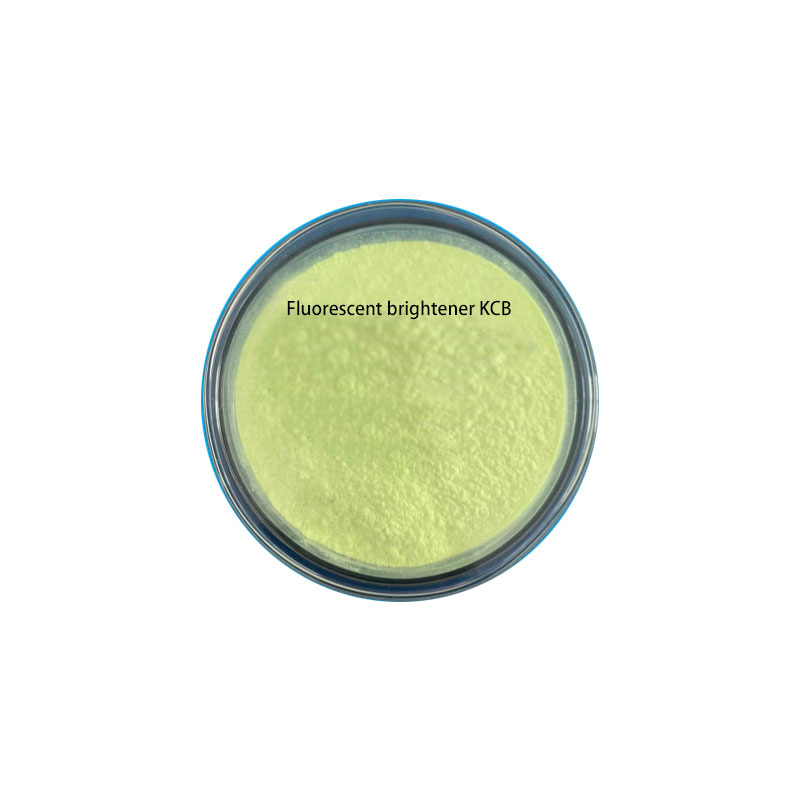
As supply conditions shift across the chemical market, staying informed about Optical Brightener OB availability is essential for distributors, agents, and channel partners. From sourcing stability to delivery timing and margin planning, recent market updates can directly affect inventory decisions and customer commitments. This article explores what these supply changes mean and how reliable procurement support can help strengthen your channel strategy.
Why a checklist approach works better for Optical Brightener OB channel planning
For distributors in the chemical sector, market updates are only useful when they can be translated into action. With Optical Brightener OB, the most practical way to respond is to review a short list of supply variables first: source continuity, lead time range, packaging consistency, downstream demand rhythm, and replacement risk. In many trading situations, a 2- to 6-week shift in procurement timing can change delivery promises, warehouse turnover, and customer retention.
A checklist also helps channel partners avoid overreacting to short-term volatility. Not every tight spot means a structural shortage, and not every price movement requires immediate stock building. What matters is whether supply changes are temporary, regional, grade-specific, or linked to transportation and production scheduling. For Optical Brightener OB, these distinctions often determine whether a buyer should lock volume now, split orders, or hold flexible inventory.
Shandong JunTeng Chemical Co., Ltd., based in Jinan, Shandong Province, supports this kind of decision-making through a one-stop chemical procurement model. With 10 years of trading experience, long-term supplier cooperation, and an efficient logistics network, the company helps channel partners reduce uncertainty around stable product quality, sufficient supply, and timely delivery rather than relying on fragmented market signals alone.
- Check whether current supply changes are short-cycle disruptions or a longer 1- to 3-month pattern.
- Confirm if the issue affects all orders or only certain packaging, shipment routes, or customer segments.
- Review your last 30 to 90 days of customer demand before adjusting stocking levels.
- Compare gross margin impact against delivery reliability, not against purchase price alone.
Core supply checklist: what to verify before you commit to volume
Priority checks for distributors and agents
Before increasing purchases of Optical Brightener OB, priority should be given to five checks: source concentration, lead-time stability, lot-to-lot consistency, packaging availability, and freight responsiveness. These points directly influence whether a channel partner can safely promise delivery to end customers in textiles, plastics, coatings, or detergent-related applications.
Lead time is often the most underestimated variable. A product that usually ships in 5 to 10 working days may suddenly require 15 to 25 days when upstream scheduling tightens or when export booking slows. For channel planning, that gap is critical because customer orders are usually tied to production windows, not just price approval cycles.
Another key check is whether your procurement partner can support complementary chemical purchasing. In real channel operations, buyers often prefer combined sourcing to reduce coordination cost. For example, some customers purchasing brighteners also manage alkaline or inorganic materials for adjacent applications. Where suitable, related products such as Potassium Silicat may be included in broader procurement discussions for welding materials, detergents, refractory materials, or construction coatings.
The checklist below can help teams evaluate whether current Optical Brightener OB supply conditions support normal channel expansion or call for a more defensive strategy.
This table shows why Optical Brightener OB planning should not focus on price alone. A slightly higher procurement cost may still be commercially better if it protects a weekly shipment schedule, keeps customer lines supplied, and reduces emergency freight or back-order penalties.
How to adjust your channel strategy under different supply scenarios
Three practical response models
Not every distributor should respond to Optical Brightener OB supply updates in the same way. The right move depends on your sales cycle, customer concentration, and stock turnover speed. A reseller serving 3 to 5 major industrial accounts will plan differently from a broader regional wholesaler managing dozens of small repeat orders.
When supply is stable, the preferred model is steady replenishment with short review cycles of 2 to 4 weeks. When supply becomes uncertain, distributors usually benefit more from phased purchasing and customer allocation rather than aggressive speculative buying. In a clearly tight market, inventory protection and customer prioritization often matter more than expanding into new low-commitment accounts.
The following action list can help channel partners match buying behavior to actual conditions instead of reacting emotionally to market noise.
- Under stable supply, review sales forecasts every 14 to 30 days and maintain normal reorder points.
- Under moderate tightness, split purchasing into 2 or 3 order windows to reduce timing risk.
- Under severe tightness, reserve stock for contractual customers and shorten quotation validity periods.
- Where logistics are uncertain, confirm dispatch timing before committing to promotional pricing.
To make these choices clearer, use the scenario table below as a quick reference for Optical Brightener OB channel planning.
For many agents, the best result comes from balancing margin protection with service continuity. A disciplined stock policy often outperforms aggressive buying, especially when visibility is limited to a 30-day supply window and downstream demand remains uneven.
Risk reminders that channel partners often overlook
Hidden issues beyond price and availability
A common mistake in Optical Brightener OB procurement is assuming supply is secure once a supplier confirms stock. In practice, channel risk may still come from shipment release timing, document processing, packaging conversion, or mismatched customer quality expectations. These issues can delay resale by several days and weaken confidence even if the material itself is on hand.
Another overlooked point is portfolio coordination. Distributors rarely move one product in isolation. If your customers also purchase inorganic alkali materials, binders, or additives, it can be useful to consolidate inquiries with adjacent items such as Potassium Silicat, which is commonly used in welding materials, refractory materials, detergents, wood preservatives, and flame retardants. Typical specifications may include liquid SiO₂ content of 26.0% to 29.0%, K₂O content of 13.0% to 15.0%, and pH in the 11 to 13 range, depending on grade.
Quick risk scan
- Do not confirm fixed delivery dates until dispatch timing and transport booking are both verified.
- Do not build inventory only on market sentiment; compare planned stock against real customer pull for the next 4 to 8 weeks.
- Do not ignore packaging and labeling readiness, especially for resale and export-oriented orders.
- Do not overlook compatibility between procurement timing and customer payment cycles, which can pressure working capital.
These checks are especially important for traders serving multiple downstream industries. Even when product demand appears healthy, poor timing between stock arrival, quality release, and customer call-off schedules can reduce turnover and create avoidable storage pressure.
Execution checklist and why to work with a reliable chemical trading partner
The most effective response to Optical Brightener OB supply updates is a simple execution routine. First, verify current lead time and available volume. Second, map that information against your top customer forecasts for the next 2 to 6 weeks. Third, decide whether to maintain normal replenishment, split orders, or reserve stock. Fourth, communicate lead-time conditions early so customers can align their own production schedules.
A reliable partner matters because channel performance depends on more than trading price. JunTeng Chemical works with long-term domestic and international supply resources and uses a complete supply chain management system to support stable sourcing, product quality, and timely delivery across a wide range of chemicals. This is especially valuable for distributors that need procurement coordination, logistics efficiency, and responsive communication in a changing market.
If you are reviewing Optical Brightener OB supply conditions and want clearer planning support, contact us to discuss parameter confirmation, product selection, delivery cycle estimates, packaging options, sample support, and quotation arrangements. We can also help evaluate combined procurement needs across related chemical products so your channel plan is based on practical supply execution rather than short-term uncertainty alone.
Leave A Message
If you are interested in our products and want to know more details, please leave a message here, we will reply you as soon as we can.