





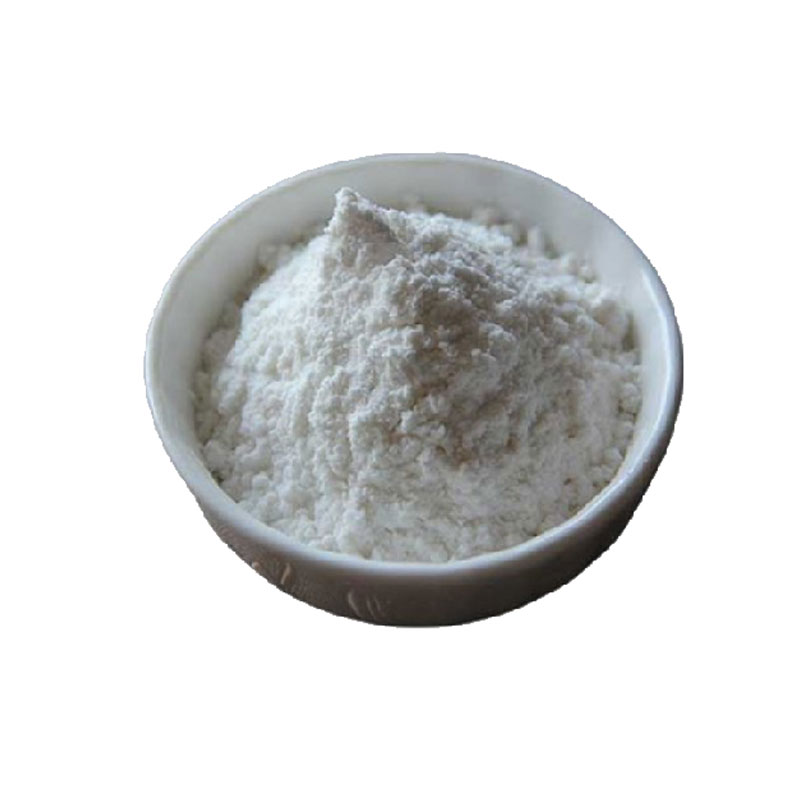
Introduction to Sodium Diacetate and Potassium Sorbate
When choosing between sodium diacetate and potassium sorbate as food preservatives, procurement professionals face a critical decision that impacts product quality and shelf life. As a leading chemical supplier with decade-long expertise, Shandong JunTeng Chemical provides insights into how sodium diacetate offers superior antimicrobial properties for acidic foods while maintaining cost-effectiveness. This comparison will help you make informed purchasing decisions for your specific application needs.
Sodium diacetate (E262) and potassium sorbate (E202) are both widely used preservatives in the food industry. Sodium diacetate is a compound of sodium acetate and acetic acid, effective against molds and bacteria. Potassium sorbate, the potassium salt of sorbic acid, primarily inhibits yeast, mold, and some bacteria. The choice between these preservatives depends on multiple factors including pH requirements, target microorganisms, and cost considerations.
The table above highlights key differences in chemical properties and application parameters. Sodium diacetate shows particular effectiveness in acidic environments, making it ideal for products like bread, snacks, and meat where pH typically ranges between 4.0-5.5. Potassium sorbate maintains broader pH compatibility but requires higher concentrations in neutral pH foods.
Antimicrobial Performance Comparison
In direct antimicrobial efficacy tests, sodium diacetate demonstrates 15-30% stronger inhibition against common foodborne bacteria like Listeria monocytogenes and Staphylococcus aureus compared to potassium sorbate at equivalent concentrations. This advantage becomes particularly significant in moisture-rich environments where bacterial growth risk is elevated.
Potassium sorbate excels in yeast and mold control, showing 40-50% better performance against Aspergillus niger and Saccharomyces cerevisiae. However, its effectiveness decreases significantly above pH 6.0, requiring careful formulation adjustments in neutral pH products.
Microbial Inhibition Spectrum
- Sodium Diacetate: Effective against bacteria (especially Gram-positive), some molds; limited action on yeast
- Potassium Sorbate: Strong against molds and yeast; moderate effectiveness on bacteria (Gram-negative more resistant)
For comprehensive microbial control, some manufacturers combine both preservatives at reduced concentrations (typically 0.1-0.2% each) to leverage synergistic effects while minimizing cost impact.
Application-Specific Recommendations
The optimal preservative choice varies significantly by food category. Our decade of chemical supply experience shows these clear patterns in industry usage:
For acidic food applications like dressings or sauces with pH below 4.5, Formic acid 85%/90%/94%/99% can serve as an alternative preservative with dual functionality as both pH regulator and antimicrobial agent. Its high solubility in water (1.22 g/mL at 25°C) ensures uniform distribution in liquid products.
Cost and Stability Considerations
From a procurement perspective, sodium diacetate typically offers 15-20% cost savings per unit efficacy compared to potassium sorbate in acidic food applications. Bulk pricing for industrial quantities (25kg+ drums) averages $3.50-$4.20/kg for sodium diacetate versus $5.80-$7.20/kg for potassium sorbate.
Storage stability differs significantly:
- Sodium Diacetate: 24-month shelf life in sealed containers at <25°C; hygroscopic (requires dry storage)
- Potassium Sorbate: 36-month shelf life; less moisture-sensitive but degrades above 60% relative humidity
Procurement Decision Factors
- Determine primary microbial targets (bacteria vs. yeast/mold)
- Analyze product pH profile and buffering capacity
- Calculate cost per effective unit based on required dosage
- Evaluate existing supply chain for reliable sourcing
- Consider compatibility with other ingredients
Regulatory and Safety Profiles
Both preservatives are Generally Recognized As Safe (GRAS) by FDA and approved worldwide. Key regulatory differences include:
- Sodium Diacetate: Maximum permitted levels vary by country (0.1-0.5% in EU, 0.25% in US for certain meats)
- Potassium Sorbate: Generally allowed at 0.1-0.3% across most jurisdictions
In pharmaceutical applications where precise pH control is critical, Formic acid 85%/90%/94%/99% offers advantages with its defined concentration ranges (CAS# 64-18-6) and consistent boiling point (100-101°C). This makes it suitable for specialized formulations requiring exact chemical properties.
Conclusion and Procurement Guidance
For acidic food products (pH <5.5) requiring strong bacterial inhibition, sodium diacetate delivers superior performance and cost efficiency. Potassium sorbate remains the preferred choice for neutral pH products where yeast and mold present the primary spoilage risk.
As your trusted chemical partner, Shandong JunTeng Chemical provides technical support to help optimize your preservative selection. Our complete supply chain ensures consistent quality across all concentration grades, with flexible packaging options from 25kg PE drums to 1200kg IBC containers.
Contact our procurement specialists today to discuss your specific requirements and receive customized preservative solutions backed by our decade of industry expertise and reliable logistics network.
Leave A Message
If you are interested in our products and want to know more details, please leave a message here, we will reply you as soon as we can.