





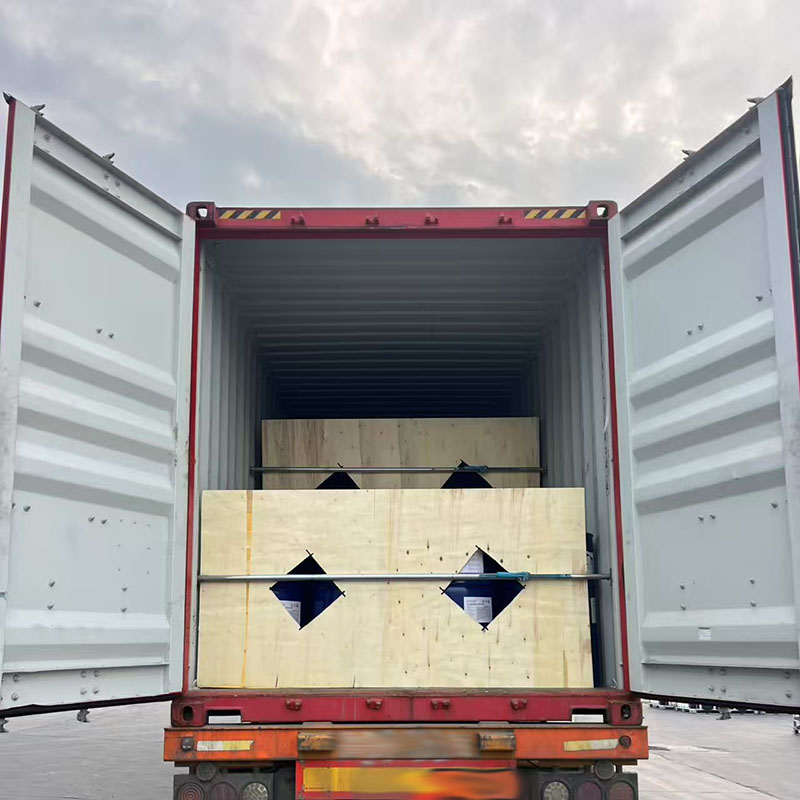
Current Market Dynamics of Sodium Sulfide
The sodium sulfide market is currently experiencing unexpected price drops, but industry experts warn this trend may be short-lived. As procurement professionals and project managers evaluate methanol density specifications and sodium sulphide quotations, understanding these market fluctuations becomes critical. Shandong JunTeng Chemical's decade of experience in chemical trading reveals underlying supply chain factors that suggest prices may rebound soon. This analysis provides essential insights for buyers making time-sensitive purchasing decisions in pharmaceuticals, petrochemicals, and wastewater treatment industries.
Key Factors Behind Recent Price Declines
Three primary drivers explain the current price softening in sodium sulfide markets:
- Temporary oversupply from Chinese manufacturers completing Q2 production targets
- Seasonal demand slowdown in European construction chemical applications
- Inventory adjustments by major petrochemical buyers during maintenance periods
Why Prices Are Likely to Rebound
Multiple indicators suggest the current price drop represents a market anomaly rather than a long-term trend:
Upstream Cost Pressures
Natural gas prices, a critical input for sodium sulfide production, have risen 18-22% across Asian markets since Q1 2023. This cost pressure typically translates to price adjustments within 2-3 months.
Inventory Levels Below Safety Thresholds
Major wastewater treatment plants currently maintain just 15-20 days of sodium sulfide inventory, compared to the recommended 30-45 day buffer for continuous operations.
Procurement Strategies During Market Volatility
For procurement teams managing chemical inventories, consider these strategic approaches:
Forward Buying Considerations
Evaluate locking in prices for 60-90% of Q4 requirements now, while maintaining flexibility for last-minute spot purchases. Our supply chain analysis suggests optimal contract durations of 3-6 months currently.
Alternative Solutions
For applications requiring high-purity solvents, N-Methyl-2-Pyrrolidone (NMP) offers excellent chemical stability with a boiling point of 202–204°C, making it suitable for demanding industrial processes. Its biodegradability and low volatility provide additional operational advantages.
Industry-Specific Impact Analysis
Different sectors will experience varying degrees of impact from sodium sulfide price movements:
Wastewater Treatment Plants
Facilities using sodium sulfide for heavy metal precipitation face 7-12% higher annual chemical costs if prices rebound as projected. Proactive procurement can mitigate 60-75% of this impact.
Textile Manufacturing
Dyeing operations consuming 5-8 metric tons monthly should consider quarterly contracts rather than monthly spot purchases during this volatile period.
Why Partner with JunTeng Chemical
Our decade-long partnerships with BASF, Sinopec, and other industry leaders enable us to provide:
- Direct manufacturer pricing without intermediary markups
- Quality-certified products with full batch traceability
- Flexible delivery options including 200kg drum quantities
- Technical support for application-specific formulations
Immediate Action Steps
Procurement teams should:
- Conduct inventory audits to determine current stock levels
- Review upcoming project requirements for Q4 2023 and Q1 2024
- Request updated quotations with volume-tiered pricing
- Evaluate contract terms for price adjustment clauses
Frequently Asked Questions
How long will the current price drop last?
Market indicators suggest the window for favorable pricing may close within 4-6 weeks as production costs rise and inventory levels normalize across industries.
What's the minimum order quantity for stable pricing?
Most suppliers offer tiered pricing starting at 5 metric tons, with additional discounts available for 20+ ton commitments. We recommend consolidating orders across departments or facilities where possible.
Are there quality variations between suppliers?
Yes, sodium sulfide purity can range from 60-99% depending on manufacturing processes. Always verify CAS numbers and request certificates of analysis before finalizing purchases.
 Sodium acetate trihydrateJunteng Chem supplies top-grade Sodium acetate trihydrate with consistent quality, fast delivery & flexible packaging. Trusted global chemical supplier.
 Magnesium sulfate monohydrateMagnesium sulfate monohydrate: High-purity industrial grade for feed & fertilizer. Stable quality, bulk supply from professional manufacturer.
 Magnesium sulfate heptahydrateMagnesium sulfate heptahydrate: Factory direct supply, consistent quality, bulk package & fast delivery for global buyers.

Leave A Message
If you are interested in our products and want to know more details, please leave a message here, we will reply you as soon as we can.