





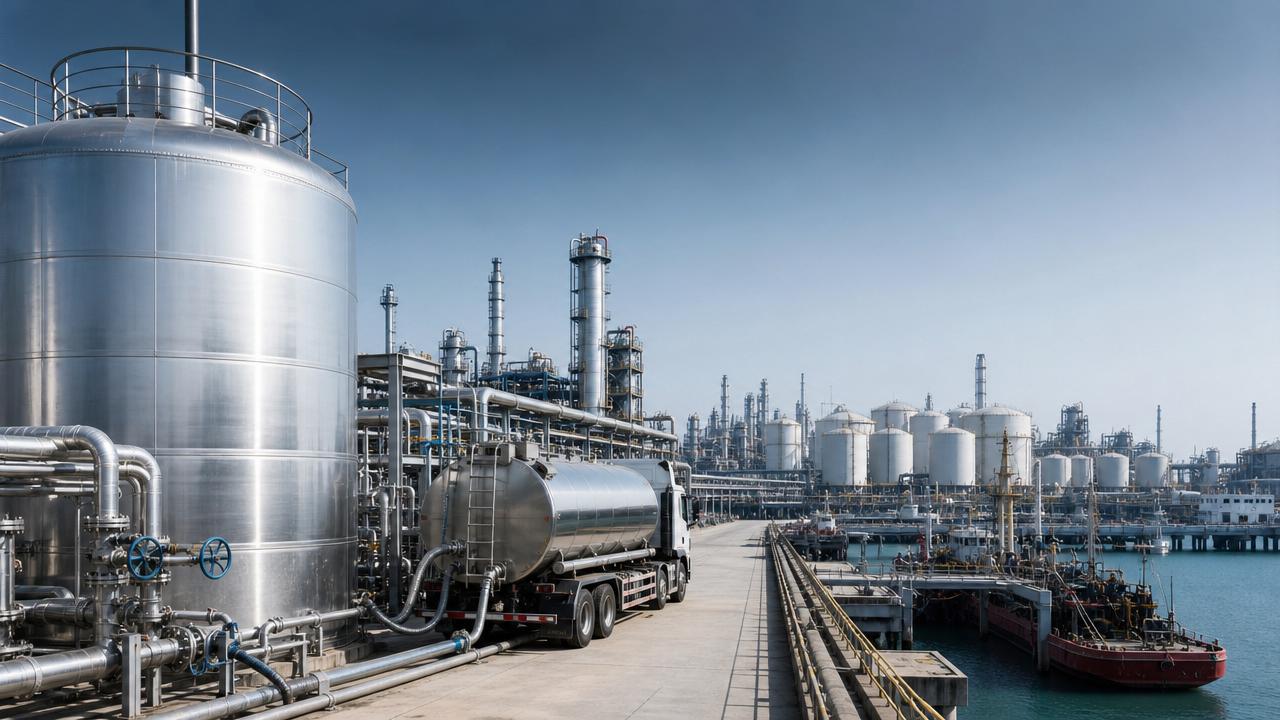
Pure Benzene supply tightness is reshaping procurement decisions across chemicals, plastics, resins, and downstream manufacturing. For buyers, the challenge is not only tracking price movement but also understanding what factors are limiting availability—plant operations, feedstock costs, logistics constraints, and shifting downstream demand. This article explores the key drivers behind today’s tight Pure Benzene market and highlights what procurement teams should watch when planning purchases, managing supplier risks, and securing stable supply through reliable chemical trading partners.
Why Is Pure Benzene Supply Tight Now?
For procurement teams, Pure Benzene tightness is rarely caused by one single event. It usually reflects overlapping pressures from refinery operations, aromatics unit output, port movement, inventory expectations, and downstream purchasing cycles.
Pure Benzene is mainly produced through catalytic reforming, steam cracking by-products, and toluene hydrodealkylation. When upstream margins change, producers may adjust operating rates, which directly affects spot availability.
- Lower refinery or aromatics operating rates can reduce immediate Pure Benzene output and make spot cargoes harder to secure.
- Rising crude oil, naphtha, or reformate costs may support firm offers, especially when producers protect margins.
- Maintenance at key production units can create regional imbalances, even if national capacity looks sufficient on paper.
- Downstream styrene, phenol, aniline, and cyclohexane demand may suddenly absorb available inventory.
This is why buyers should evaluate Pure Benzene availability through a supply-chain lens, not only through daily price quotations. A low offer without confirmed source, loading window, and logistics plan may carry hidden delivery risk.
Key Market Signals Buyers Should Track Before Placing Orders
When Pure Benzene supply becomes tight, procurement timing becomes more important than routine price comparison. The following indicators help buyers judge whether to lock volume, diversify suppliers, or delay non-urgent purchases.
These signals are most useful when reviewed together. A tight Pure Benzene market with strong downstream demand and limited logistics capacity requires more conservative purchasing decisions than a simple cost-driven market.
How Downstream Demand Changes Pure Benzene Buying Strategies
Pure Benzene is a core aromatic feedstock for styrene, phenol, acetone, aniline, maleic anhydride, and other chemical chains. When one downstream sector improves, procurement pressure can spread quickly.
Styrene and Resins
Styrene production is one of the most important demand drivers. When styrene margins improve, producers may increase benzene purchasing, reducing spot supply for smaller buyers.
Phenol, Acetone, and Engineering Materials
Phenol and acetone chains connect Pure Benzene to bisphenol A, polycarbonate, epoxy resin, and solvent markets. Demand recovery in these areas can support stronger benzene consumption.
Aniline and Rubber Chemicals
Aniline demand links Pure Benzene to MDI, dyes, rubber additives, and pesticide intermediates. Buyers serving these industries should monitor seasonal order patterns and export changes.
In practice, procurement personnel should not only ask whether Pure Benzene is available today. They should ask which downstream users are actively replenishing and whether suppliers are prioritizing contract customers.
Procurement Risk Map: What Can Go Wrong in a Tight Market?
When Pure Benzene supply is tight, common procurement mistakes become more expensive. The table below translates market uncertainty into operational risks that buyers can manage before signing a purchase order.
A disciplined risk map helps buyers move from reactive purchasing to controlled sourcing. This is especially important for plants that depend on continuous Pure Benzene supply for daily production.
When Should Buyers Consider Related Chemical Procurement Together?
Many chemical buyers do not purchase Pure Benzene in isolation. Their procurement plans may also include water treatment agents, detergent builders, metal treatment chemicals, or additives used across the same production site.
For example, Potassium Pyrophosphate(TKPP)--Tech.Grade is used in water treatment, detergent formulations, electroplating, metal surface treatment, ceramics, paper, textile printing, and metallurgical applications.
Its technical profile includes molecular formula K₄P₂O₇, molecular weight 330.0, white crystalline powder or granules, density 2.534 g/cm³, melting point 1109℃, and water solubility of 187 g/100 mL at 25°C.
- Combining chemical categories can simplify supplier communication when multiple plant departments submit urgent purchase requests.
- A coordinated procurement plan helps align delivery windows, storage requirements, and documentation needs.
- For buyers managing Pure Benzene and auxiliary chemicals, a one-stop trading partner can reduce fragmented negotiation and logistics complexity.
This does not mean every material should be purchased from the same channel. It means procurement teams should evaluate whether bundled sourcing improves control, traceability, and delivery reliability.
How to Build a More Stable Pure Benzene Procurement Plan
A practical Pure Benzene buying plan should balance cost, availability, quality, and delivery certainty. The right strategy depends on consumption volume, storage capacity, cash flow, and tolerance for supply interruption.
- Define monthly consumption and safety inventory, then separate urgent demand from flexible replenishment volume.
- Confirm key specification requirements with production teams before negotiating price or delivery terms.
- Use at least two supply channels when the market is tight, but avoid excessive fragmentation that weakens bargaining power.
- Ask suppliers to clarify origin, loading location, packaging or tank transport method, and document availability.
- Review contract terms for quality dispute handling, delayed delivery responsibility, and acceptable replacement options.
In tight conditions, the lowest quoted Pure Benzene price is not always the most economical option. A delayed shipment can cost more than a moderate price premium from a reliable source.
Supplier Selection: What Separates a Reliable Trading Partner?
Pure Benzene procurement depends heavily on supplier network depth. A trading partner with strong producer relationships can often provide clearer availability signals and faster coordination when supply changes.
Shandong JunTeng Chemical Co., Ltd., located in Jinan, Shandong Province, has ten years of chemical trading experience and supports customers through supply chain management, supplier resources, and efficient logistics coordination.
The company has built long-term cooperation with enterprises such as Luxi Chemical, Binzhou Petrochemical, Yanshan Petrochemical, Lihuayi Group, Weiyuan Chemical, Qilu Petrochemical, Sinopec, BASF Germany, and others.
FAQ: Practical Questions About Pure Benzene Procurement
How early should buyers plan Pure Benzene purchases during tight supply?
Buyers should plan earlier than the normal purchasing cycle, especially before known maintenance periods or seasonal downstream demand. Confirming volume, loading window, and payment terms in advance improves execution certainty.
Is spot purchasing still suitable when Pure Benzene prices fluctuate?
Spot purchasing can work for flexible demand, but it is risky for continuous production. A mixed strategy with contract volume, spot adjustment, and safety inventory is usually more practical.
What documents should be checked before accepting Pure Benzene delivery?
Common documents include certificate of analysis, safety data sheet, batch or shipment details, and agreed commercial documents. Buyers should also align internal inspection requirements before arrival.
Can one supplier support multiple chemical procurement categories?
Yes, when the supplier has verified channels and category experience. Alongside Pure Benzene, buyers may also consult about Potassium Pyrophosphate(TKPP)--Tech.Grade for water treatment, detergents, metal processing, and related industrial applications.
Why Choose JunTeng Chemical for Supply Planning and Quotation Support?
For procurement personnel, Pure Benzene tightness creates pressure on price judgment, supplier verification, and delivery security. JunTeng Chemical helps buyers connect market information with executable sourcing plans.
- Consult us for Pure Benzene availability, source confirmation, quality document review, and shipment schedule coordination.
- Discuss formula pricing, staged delivery, urgent replenishment, and alternative supply routes based on your plant consumption rhythm.
- Request support for related chemical selection across pharmaceuticals, pesticides, petrochemicals, adhesives, wastewater treatment, construction chemicals, detergents, fertilizers, plastics, and rubber.
- Share your specification, target delivery location, expected volume, and compliance requirements so our team can prepare a practical procurement proposal.
If you are evaluating Pure Benzene purchases under tight market conditions, contact JunTeng Chemical to discuss quotation timing, delivery cycle, supplier options, sample support where applicable, and documentation requirements.
Leave A Message
If you are interested in our products and want to know more details, please leave a message here, we will reply you as soon as we can.