





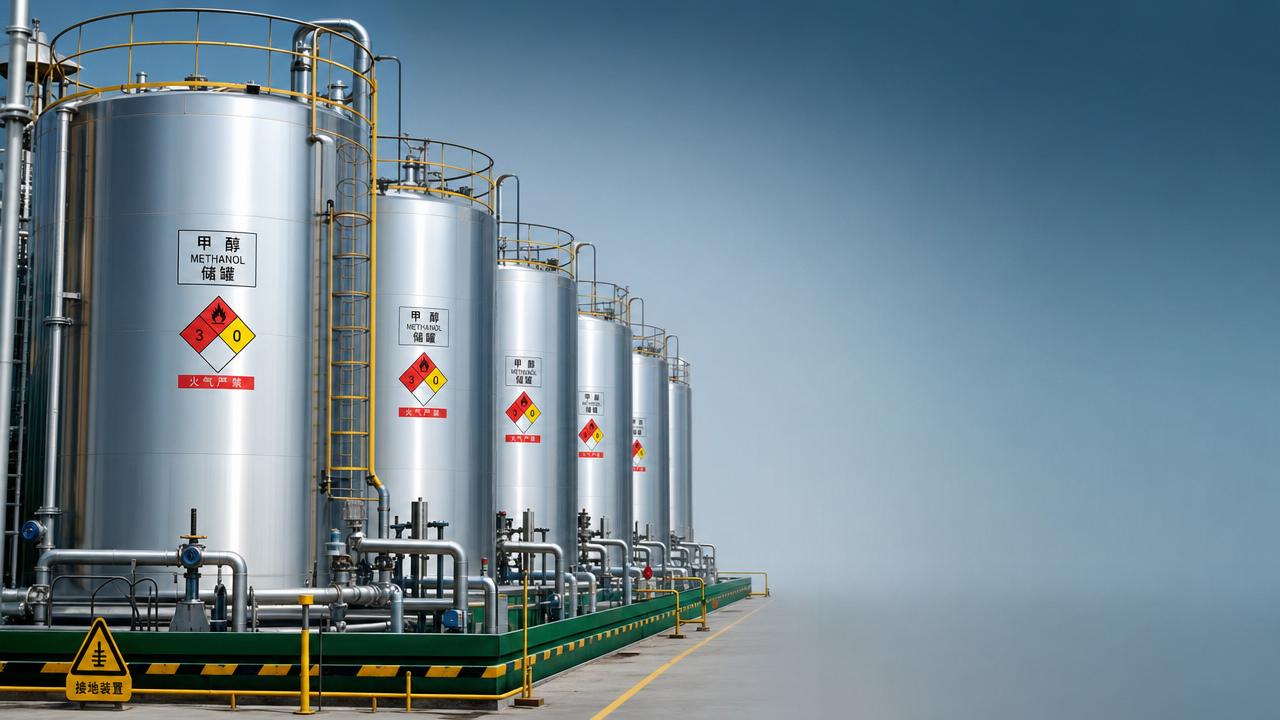
What Often Goes Wrong During Methanol Handling on Site
Methanol handling on site often fails through small lapses.
Ignored details can quickly become spills, exposure, fire risk, or contamination.
Understanding common Methanol mistakes helps improve storage, transfer, and routine chemical use.
Why is Methanol often mishandled even when hazards are known?
Methanol is familiar, so teams sometimes treat it like a low-risk solvent.
That false confidence leads to skipped checks, poor labeling, and careless transfer steps.
Another issue is inconsistency between written procedures and actual site behavior.
When operators improvise, Methanol handling errors increase fast.
What storage mistakes create the biggest Methanol risk?
Poor ventilation is a major problem during Methanol storage.
Vapors can accumulate in enclosed areas and raise fire and health hazards.
Incompatible containers also cause trouble.
Unapproved drums, damaged seals, or unclear markings can lead to leakage and mix-ups.
- Use clearly labeled, sealed containers.
- Keep ignition sources away from storage zones.
- Inspect vents, valves, and bunded areas regularly.
How do transfer operations go wrong during Methanol use?
Most incidents happen during loading, unloading, or drum dispensing.
Loose hose connections, overfilling, and weak grounding are common causes.
Static discharge is often underestimated in Methanol transfer areas.
Flow should be controlled, equipment bonded, and emergency shutoff access kept clear.
Sites handling multiple solvents should also prevent cross-contamination.
For example, solvent systems using Cyclohexanone require clear segregation and line cleaning.
What exposure and contamination mistakes are most common?
Methanol can enter the body by inhalation, skin contact, or accidental ingestion.
A frequent mistake is relying only on smell to judge exposure.
Another mistake is using unsuitable gloves or reusing contaminated PPE.
Contamination also starts when transfer tools are shared without cleaning verification.
This matters in chemical production where purity affects downstream reactions and product stability.
How can on-site teams reduce Methanol handling failures?
Control starts with practical procedures and frequent field audits.
Training should focus on real tasks, not only documents.
Reliable chemical supply also supports safer operation.
Shandong JunTeng Chemical Co., Ltd. provides stable sourcing, quality control, and timely delivery across diverse chemical applications.
Its supply network supports industries from pharmaceuticals to petrochemicals and wastewater treatment.
In short, Methanol incidents usually start with routine shortcuts.
Review storage, transfer, PPE, and contamination controls step by step.
A simple site inspection today can prevent a serious Methanol event tomorrow.
Leave A Message
If you are interested in our products and want to know more details, please leave a message here, we will reply you as soon as we can.