





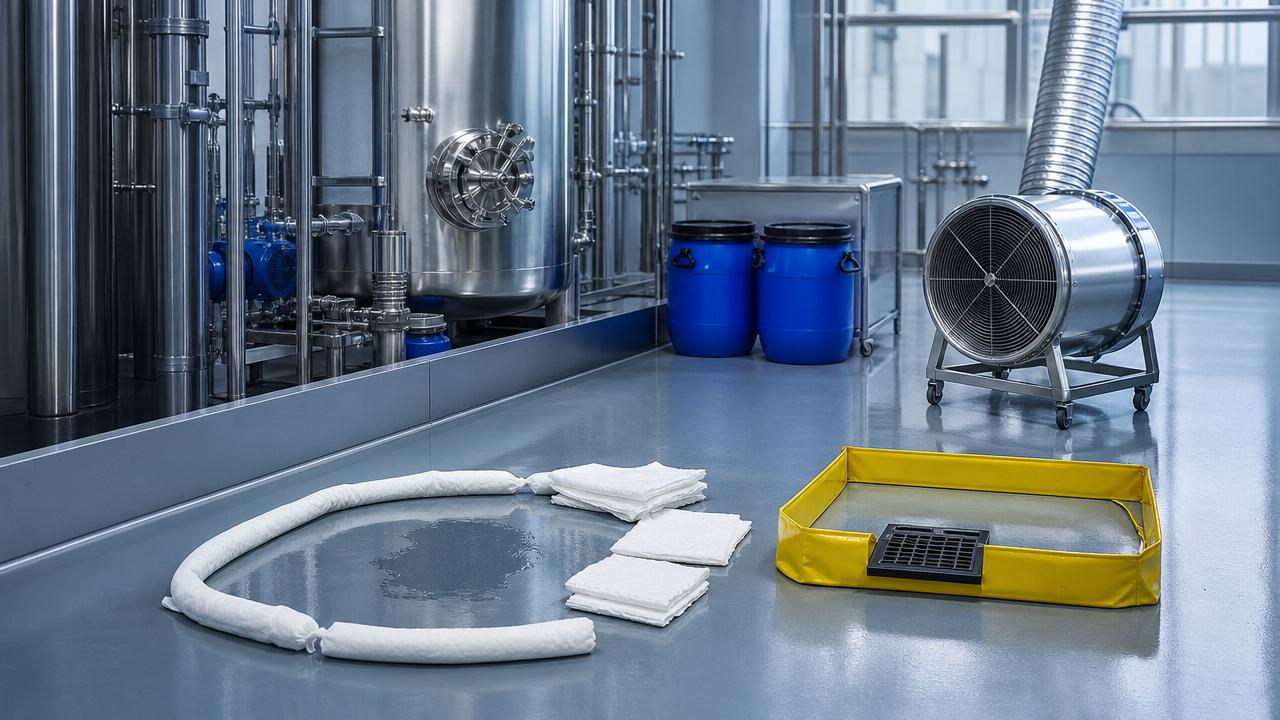
After an Aniline spill, the first few checks can determine whether the situation stays controlled or turns dangerous. For operators and on-site users, it is critical to quickly assess personal exposure, ventilation conditions, spill size, and nearby ignition or contamination risks. Understanding what to check first helps protect people, equipment, and product integrity while supporting a fast, safe, and compliant response.
In chemical handling areas, the first 3 to 10 minutes matter most. Aniline is widely used in dyes, rubber chemicals, pharmaceuticals, and intermediates, but it also presents toxic exposure concerns through skin contact, inhalation, and accidental contamination of nearby materials. A fast and structured check helps operators reduce escalation, support incident reporting, and protect downstream operations.
For facilities sourcing chemicals through stable supply partners such as Shandong JunTeng Chemical Co., Ltd., safe use does not end at procurement. Reliable product quality, timely delivery, and clear handling awareness are all part of reducing operational risk at the user level.
Immediate Safety Checks at the Spill Point
The first inspection should focus on 4 essentials: people, air, spill size, and spread path. Operators should not begin cleanup before these points are confirmed. Even a small Aniline spill of 500 mL to 2 L can become a serious exposure event in a poorly ventilated room.
Check 1: Personal Exposure and Symptoms
First, identify whether anyone has had direct skin contact, splash exposure to the eyes, or vapor inhalation. Remove exposed personnel from the area immediately. If contaminated clothing is present, it should be removed without delay, and skin should be flushed according to site emergency procedures, often for at least 15 minutes.
Early warning signs operators should not ignore
- Headache, dizziness, or unusual fatigue within the first 5 to 20 minutes
- Blue or gray discoloration around lips or fingertips
- Strong odor recognition combined with throat or eye irritation
- Visible wetting of gloves, sleeves, shoes, or apron areas
Check 2: Ventilation and Area Control
The second priority is air movement. Determine whether local exhaust ventilation is active, whether doors are open or closed, and whether vapors may move toward adjacent workstations. In enclosed transfer rooms, even a 10 to 15 minute delay in ventilation control can increase exposure risk for nearby operators.
The table below shows a practical first-check sequence for on-site users handling an Aniline spill.
A consistent sequence lowers hesitation. Instead of reacting randomly, operators can move from exposure confirmation to environmental control and then to spill containment with fewer errors.
What to Check Around the Spill Before Cleanup Starts
Once people are protected, the next step is to inspect the surroundings. The goal is to understand whether the Aniline spill can migrate into drains, contact incompatible materials, or affect nearby packaged goods, hoses, pallets, pumps, or coating materials.
Check 3: Spill Size, Surface Type, and Drain Path
Estimate whether the release is below 1 L, between 1 and 20 L, or above 20 L. This volume range affects isolation distance, absorbent demand, and whether internal emergency escalation is required. Smooth coated floors allow faster spread, while rough concrete may trap liquid and extend decontamination time.
High-risk spread points
- Floor drains within 2 to 5 meters
- Cable trenches or pipe channels
- Forklift travel paths
- Open chemical containers or raw material staging zones
Check 4: Nearby Materials and Secondary Contamination
Operators should inspect what is stored next to the release point. In mixed-use production areas, contamination can affect not only safety but also product quality. For example, raw materials used in coatings, inks, adhesives, and sealants must be protected from splash or vapor contact if they are staged nearby.
In facilities using corrosion-resistant materials for equipment protection, it is also worth checking whether nearby packaging or maintenance stock has been exposed. Products such as CR-10, a chlorinated rubber material used in marine coatings, industrial anti-corrosion coatings, fire-retardant paints, inks, and adhesive systems, should be kept sealed and isolated from spill events to avoid unnecessary material loss or cross-contamination.
The following table helps operators judge what must be checked around an Aniline spill before absorbents or cleanup tools are deployed.
This check is not only about emergency response. It also protects inventory integrity, especially where multiple chemical categories are staged in one operating area.
Common Mistakes and Practical Response Priorities
Many spill responses fail because operators rush to wipe, dilute, or move containers before checking exposure and spread conditions. In the first 5 steps, decision quality matters more than cleanup speed.
Mistakes to avoid in the first response
- Starting cleanup without gloves, eye protection, or respiratory assessment
- Using water immediately without confirming site procedure
- Ignoring small splashes on shoes, cuffs, or tools
- Leaving nearby containers unprotected during containment
A simple priority order for operators
Use a 5-step order: isolate people, check exposure, control air movement, stop spread, and report conditions. If the spill affects stored materials, record the product type, batch area, and estimated contact zone. This creates a clearer basis for internal quality review and replenishment decisions.
For chemical users managing regular raw material intake, working with an experienced supplier can also improve prevention. Shandong JunTeng Chemical Co., Ltd. supports one-stop chemical procurement with stable sourcing, coordinated logistics, and broad industry coverage, which helps operators and purchasing teams maintain more consistent handling plans across pharmaceuticals, petrochemicals, adhesives, wastewater treatment, and related sectors.
The first checks after an Aniline spill should always answer 4 questions: who was exposed, how the air is moving, how large the spill is, and what the liquid may reach next. When those answers are clear within the first few minutes, cleanup becomes safer, compliance becomes easier, and product loss can often be reduced.
If you need dependable chemical supply support, material handling advice, or details on related products for industrial applications, including anti-corrosion and protective material options such as CR-10, contact us to discuss your operating needs, request product details, or learn more about practical chemical solutions.
Leave A Message
If you are interested in our products and want to know more details, please leave a message here, we will reply you as soon as we can.