





Understanding methanol density at different temperatures is critical for procurement specialists and project managers handling chemical applications. While most spec sheets provide basic data, they often overlook practical density variations that impact storage, transportation, and industrial processes. This article reveals essential methanol density insights alongside current sodium sulphide quotation trends - knowledge that directly affects your material costing and project budgeting in pharmaceutical, petrochemical, and wastewater treatment operations.
Why Methanol Density Variations Matter in Industrial Applications
Methanol density fluctuates between 0.7918 g/cm³ at 20°C to 0.7866 g/cm³ at 25°C - a seemingly minor difference that becomes significant when calculating storage tank capacities or transportation weights. For bulk chemical purchasers, these variations directly impact:
- Precision in formulation ratios for pharmaceutical intermediates
- Accurate volume-to-weight conversions in petrochemical processes
- Transportation cost calculations for shipments exceeding 20,000 liters
Unlike standard spec sheets that only list room temperature values, industrial users need temperature-density correlation tables for operational accuracy.
Methanol Density vs. Temperature: Critical Data for Procurement
The table below shows methanol density changes across common industrial temperature ranges, with data verified against ASTM E100-19 standards:
For every 10°C temperature increase, methanol density decreases by approximately 0.01 g/cm³ - a factor that can create 2-5% calculation errors in large-scale chemical processing if unaccounted for.
Industrial Solvent Selection: Beyond Density Considerations
While methanol remains a staple solvent, alternatives like N,N-Dimethylformamide (DMF) offer distinct advantages for specific applications. This high-boiling-point solvent (153°C) provides exceptional thermal stability for synthetic fiber production and pharmaceutical manufacturing.
Key solvent selection criteria for procurement teams should include:
- Temperature stability across intended operating ranges
- Compatibility with existing process equipment
- VOC emissions compliance for environmental regulations
- Batch-to-batch consistency in technical parameters
Cost Implications of Density Variations in Bulk Purchasing
A 20,000-liter methanol shipment at 15°C contains approximately 15,920 kg, while the same volume at 30°C delivers only 15,700 kg - a 220 kg difference that affects both material costs and process yields. Smart procurement strategies should:
- Specify delivery temperature ranges in contracts
- Implement temperature-compensated metering systems
- Account for seasonal density variations in inventory planning
Our decade-long chemical trading experience shows that proper density adjustments can reduce material waste by 3-7% in typical petrochemical operations.
Frequently Asked Questions
How does methanol density affect storage tank calibration?
Storage tanks calibrated at 20°C will show 1.2-1.8% volume measurement errors when containing methanol at 35°C. Always request temperature-specific calibration certificates for tanks handling over 10,000 liters.
What's the best way to compensate for methanol density changes in formulations?
Implement automated temperature-density compensation in dosing systems, or use our proprietary calculation tools that adjust batch quantities based on real-time temperature inputs.
Are there industry standards for methanol density reporting?
ASTM E100-19 specifies methanol density measurement protocols, while ISO 7586:2018 covers temperature correction methods for industrial applications.
Precision Chemical Procurement Solutions
With strategic partnerships across BASF, Sinopec, and other industry leaders, we provide methanol and specialty solvents with:
- Temperature-specific density certifications
- Batch traceability from source to delivery
- Technical support for process optimization
Contact our chemical specialists today for density-adjusted quotations, storage recommendations, or to discuss alternatives like N,N-Dimethylformamide (DMF) for your specific application requirements.
 Magnesium sulfate trihydrateMagnesium sulfate trihydrate: High-purity trihydrate magnesium sulfate for industrial & food applications. Stable quality, bulk supply from Junteng Chem.
 Magnesium sulfate heptahydrateMagnesium sulfate heptahydrate: Factory direct supply, consistent quality, bulk package & fast delivery for global buyers.
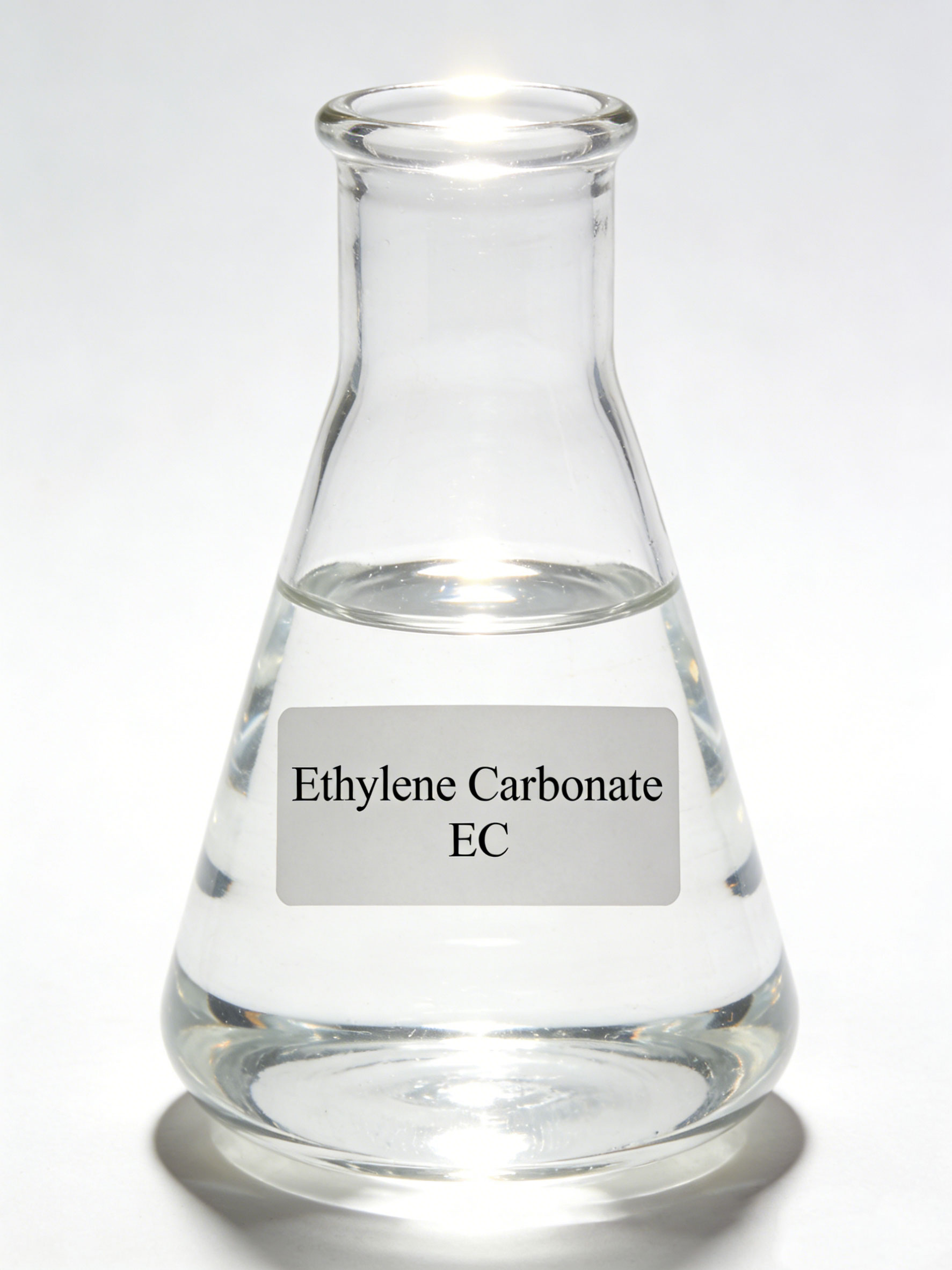
 Ethylene CarbonateEthylene Carbonate (EC): High-purity solvent for lithium batteries & chemical synthesis. Stable quality, bulk supply from professional manufacturer.

Leave A Message
If you are interested in our products and want to know more details, please leave a message here, we will reply you as soon as we can.