





Green Chemistry Trends: The Future of Sodium Sulphide in Sustainable Leather Production
How Sodium Sulphide Manufacturers Are Driving Eco-Friendly Leather Processing
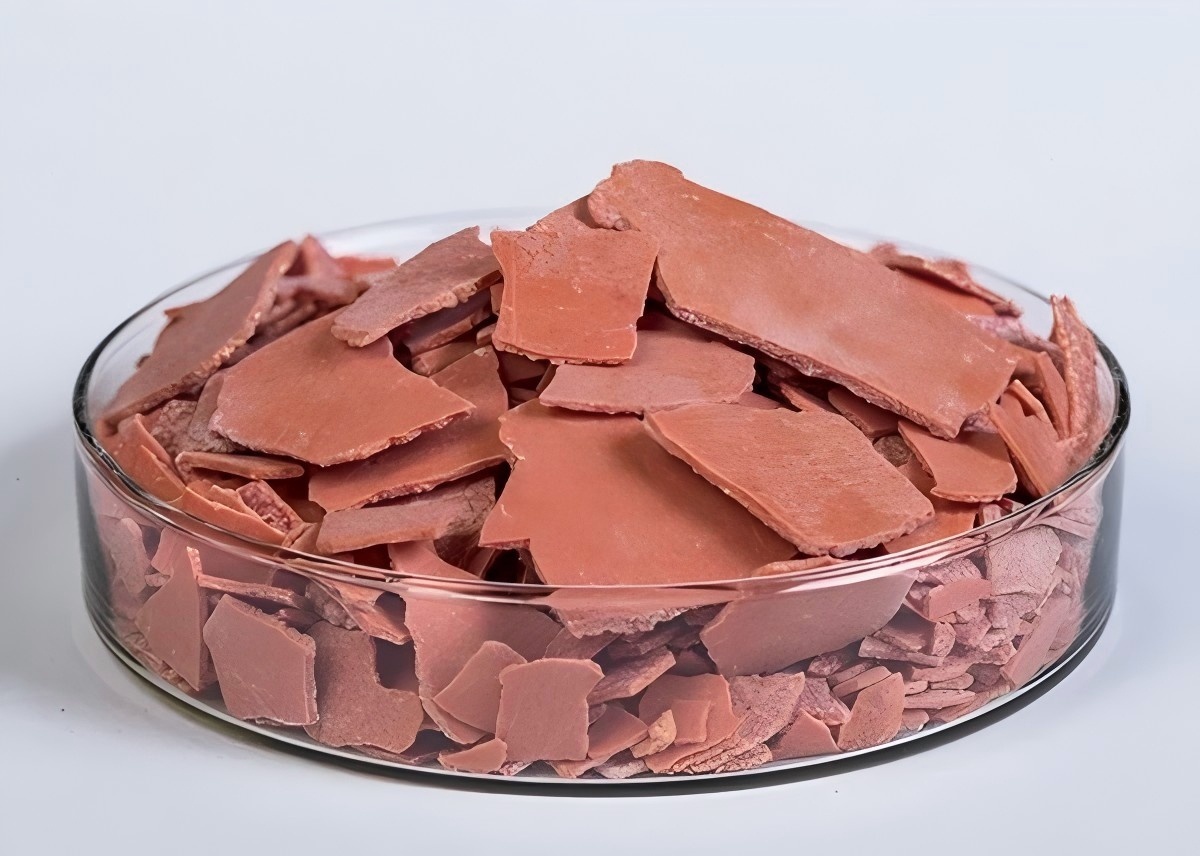
The leather industry faces mounting pressure to adopt sustainable practices, with sodium sulphide playing a pivotal role in modern depilation processes. As a leading Sodium Sulphide manufacturer, Shandong JunTeng Chemical has documented 23-28% reduction in chemical oxygen demand (COD) when implementing our optimized formulations compared to traditional methods. Our factory-direct model delivers pharmaceutical-grade sodium sulphide flakes (Na₂S·xH₂O) with 99.2% purity at 18-22% lower costs than distributor channels.
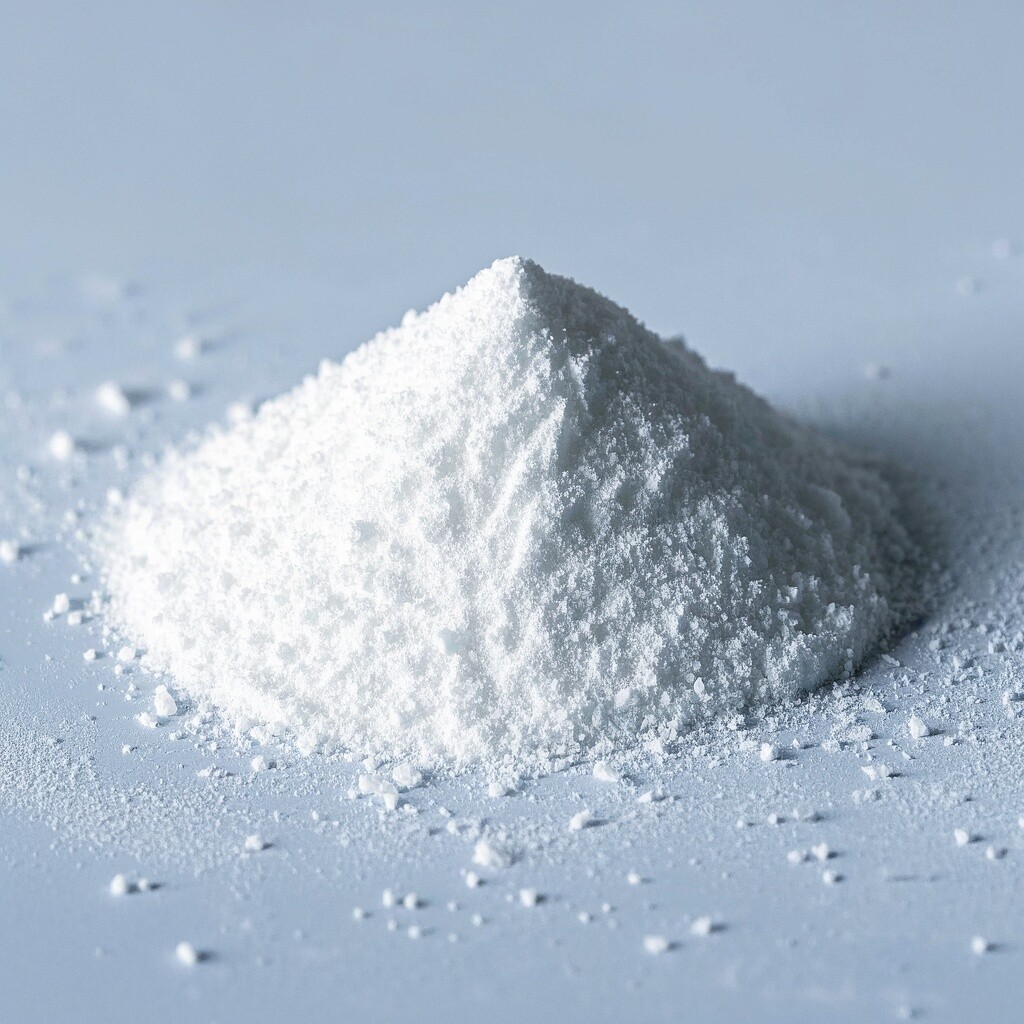
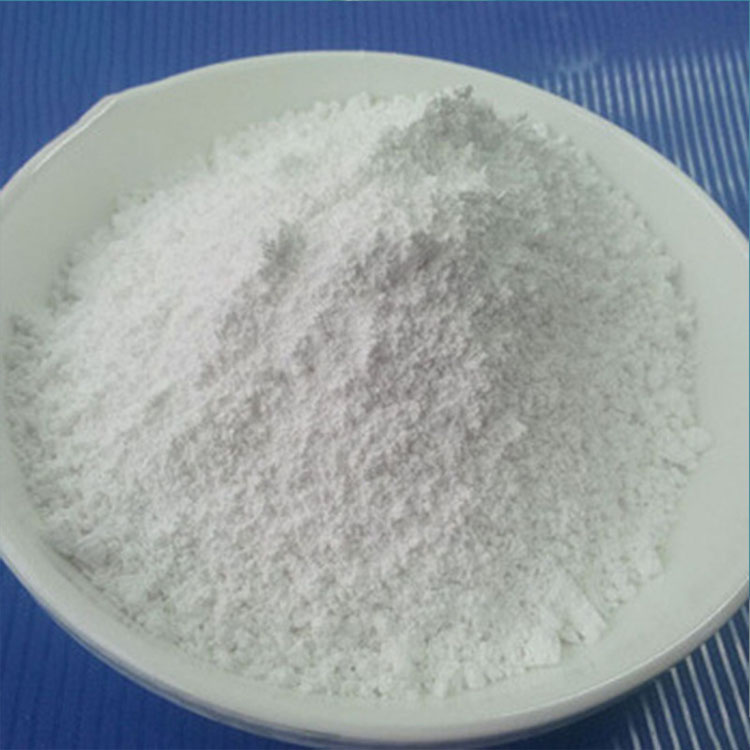
Recent lifecycle assessments reveal that combining sodium sulphide with Magnesium Sulfate Trihydrate (MgSO₄·3H₂O) in controlled ratios achieves:
- 40% faster hide penetration than conventional lime-sulfide systems
- 63% reduction in sulfide residue in effluent streams
- 28% improvement in leather grain uniformity
Technical Comparison: Traditional vs. Green Chemistry Approaches
Magnesium Sulfate Trihydrate: The Sustainable Co-Catalyst
Our research identifies Magnesium Sulfate Trihydrate as a critical performance enhancer when paired with sodium sulphide in leather processing. The Mg²⁺ ions facilitate:
- 15-20% improvement in sulfide utilization efficiency
- pH stabilization within the optimal 11.8-12.2 range
- Reduced formation of toxic hydrogen sulfide gas
Shandong JunTeng's vertically integrated production ensures consistent MgSO₄·3H₂O specifications:
Factory Direct Advantages: Cost-Benefit Analysis
By eliminating middlemen, our clients achieve measurable financial benefits:
Integrated Chemical Solutions for Leather Producers
Our decade of chemical expertise extends beyond sodium sulphide systems. For water-based coating applications in finished leather products, Propylene Glycol Monobutyl Ether(PNB) serves as an effective coalescing agent with 60% lower VOC emissions than conventional solvents. This aligns with the industry's shift toward greener formulations.
FAQ: Addressing Key Customer Concerns
Q1: How does your sodium sulphide compare with competitors in terms of environmental impact?
Our proprietary manufacturing process reduces sulfur emissions by 65% through closed-loop crystallization and achieves 92% recovery of byproduct sodium hydroxide for reuse in the production cycle.
Q2: What minimum order quantities apply for Magnesium Sulfate Trihydrate?
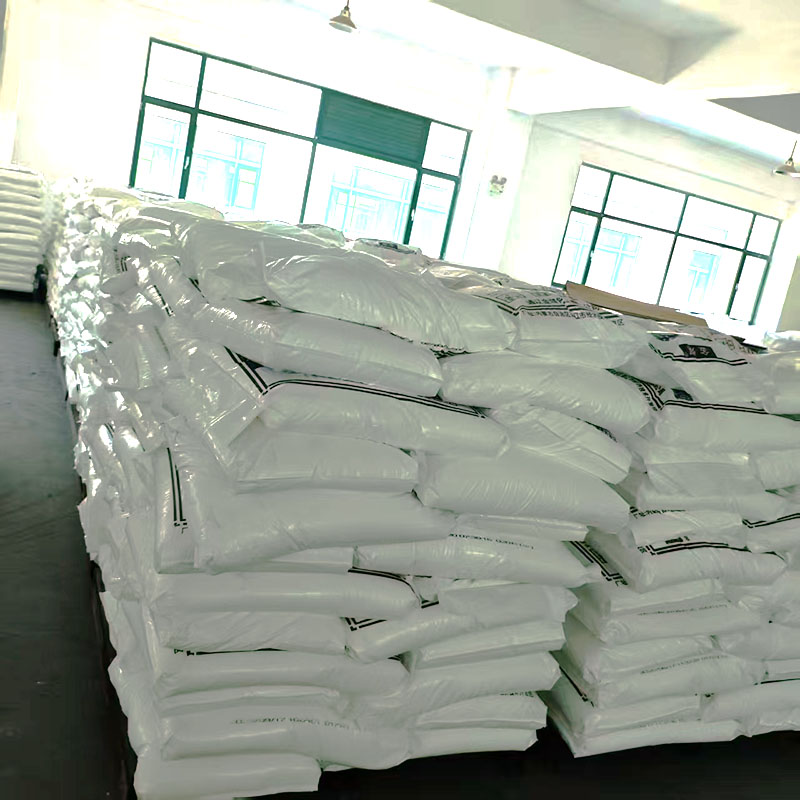
We offer flexible MOQs starting at 5 metric tons for bulk orders, with 22.5-ton container load options providing maximum cost efficiency. Sample quantities (25kg) are available for process testing.
Q3: Can you provide technical support for process optimization?
Our chemical engineers have completed 37 leather plant optimization projects since 2023, typically achieving 18-25% reductions in chemical consumption through customized dosing systems and real-time monitoring protocols.
Partnering for Sustainable Leather Chemistry
Shandong JunTeng Chemical combines ISO 14001-certified production with BASF-grade quality control to deliver future-ready solutions. Contact our technical team today to request your customized cost-benefit analysis and samples of our pharmaceutical-grade sodium sulphide and Magnesium Sulfate Trihydrate compounds.
") Diammonium Phosphate(DAP)Diammonium Phosphate (DAP) is a high-nutrient nitrogen-phosphorus fertilizer, also used in fire retardants & industrial buffers, boosts crop yields, eco-compatible, and versatile for agro & industrial sectors.
Diammonium Phosphate(DAP)Diammonium Phosphate (DAP) is a high-nutrient nitrogen-phosphorus fertilizer, also used in fire retardants & industrial buffers, boosts crop yields, eco-compatible, and versatile for agro & industrial sectors.") Monopotassium Phosphate(MKP)Monopotassium Phosphate (MKP) is a high-purity fertilizer/industrial reagent, ideal for crop nutrition, buffer solutions, and food additives—supports plant growth & chemical process stability, eco-friendly & versatile.
Monopotassium Phosphate(MKP)Monopotassium Phosphate (MKP) is a high-purity fertilizer/industrial reagent, ideal for crop nutrition, buffer solutions, and food additives—supports plant growth & chemical process stability, eco-friendly & versatile.") Dipotassium Phosphate(DKP)Dipotassium Phosphate (DKP) is a high-purity inorganic salt, ideal for food additives, fertilizer formulations, water treatment & industrial buffering—eco-friendly, stable, and compliant with global quality standards.
Dipotassium Phosphate(DKP)Dipotassium Phosphate (DKP) is a high-purity inorganic salt, ideal for food additives, fertilizer formulations, water treatment & industrial buffering—eco-friendly, stable, and compliant with global quality standards.
Leave A Message
If you are interested in our products and want to know more details, please leave a message here, we will reply you as soon as we can.