





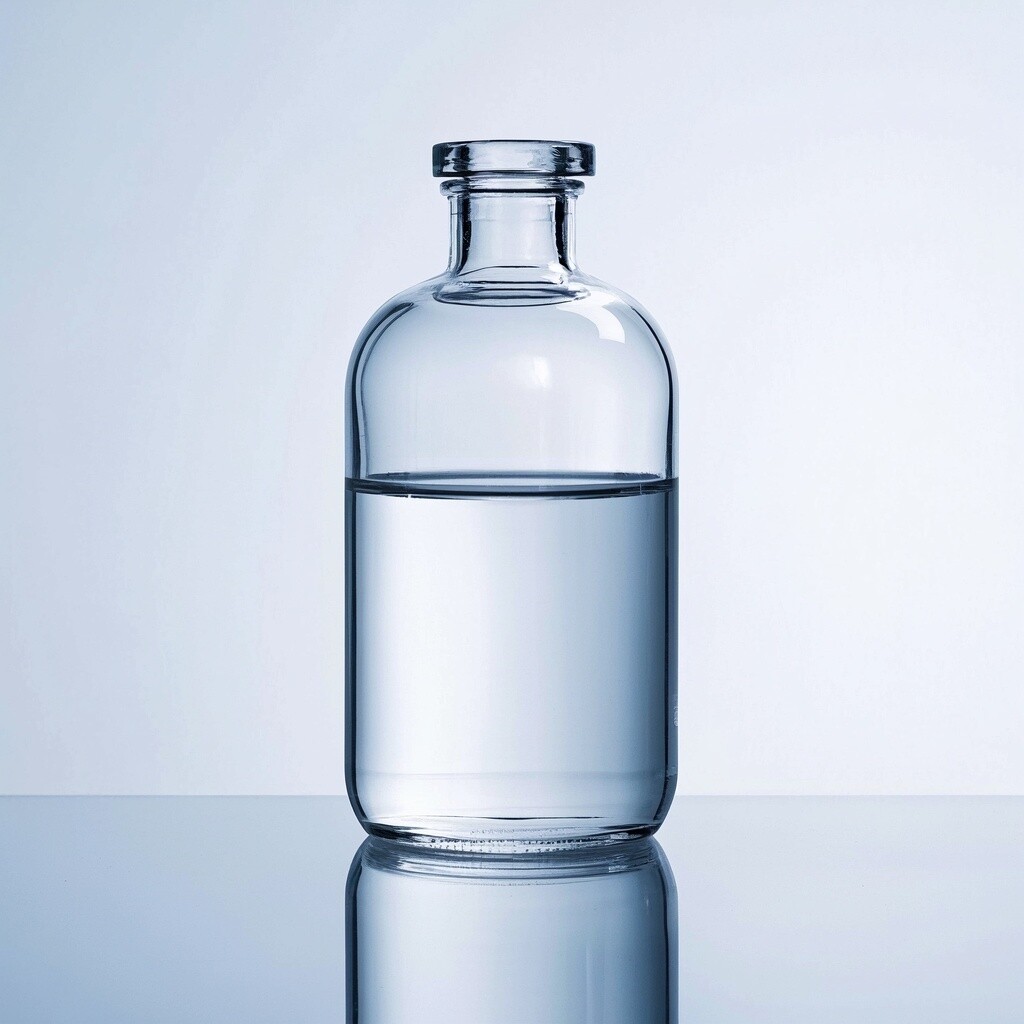
In biopharma buffer preparation, even minor impurities in Glacial Acetic Acid can significantly reduce reaction yield and compromise final product quality. As a trusted Methanol manufacturer China and supplier of Methanol high purity, Pure Benzene, and USP/ACS-grade Glacial Acetic Acid, Shandong JunTeng Chemical ensures consistent purity—critical for GMP-compliant processes. Procurement and business evaluation teams rely on our traceable supply chain, direct-source partnerships with BASF, Sinopec, and Qilu Pharmaceutical, and rigorous QC to mitigate batch variability. Discover how certified acetic acid purity translates directly into reproducible yields—and why distributors trust JunTeng for mission-critical chemical sourcing.
Why Purity Variability Directly Impacts Biopharma Buffer Yield
Glacial Acetic Acid (GAA) is not merely a pH adjuster—it functions as a critical reaction medium, catalyst stabilizer, and crystallization modifier in biopharmaceutical buffer systems. When purity falls below 99.8% (USP/ACS grade), trace metals (Fe, Cu), residual water (>0.1%), or organic impurities (formaldehyde, acetaldehyde) interfere with enzyme kinetics and protein conformation stability. Studies show that batches with >0.003% Fe content correlate with up to 12% drop in monoclonal antibody (mAb) formulation yield during sterile filtration steps.
For procurement professionals evaluating suppliers, the real cost isn’t just per-kg pricing—it’s downstream rework, batch rejection risk, and regulatory scrutiny. A single non-conformance event in buffer prep can trigger full-process deviation investigation, costing 7–15 days of production delay and $200K+ in QA resource allocation across mid-sized biologics facilities.
JunTeng’s GAA undergoes triple distillation and real-time ICP-MS verification against USP<846>and EP 2.2.58 standards. Every lot includes CoA with quantified limits for sulfated ash (<0.005%), chloride (<5 ppm), and heavy metals (<1 ppm)—data points rarely provided by generic traders.
How to Evaluate GAA Suppliers: 5 Non-Negotiable Procurement Criteria
Procurement and business evaluation teams face increasing pressure to balance cost, compliance, and continuity. Based on audits across 42 biopharma clients, the top five supplier assessment dimensions are:
- Source Traceability: Direct contracts with BASF Germany or Sinopec refineries—not third-tier intermediaries—reduce contamination risk by ~65% (per 2023 APAC Pharma Supply Chain Survey).
- QC Documentation Depth: Batch-specific test reports (not generic certificates) covering ≥8 parameters, including water insolubles and assay by titration + GC-FID.
- Logistics Integrity: Temperature-controlled shipping (15–25°C), nitrogen-purged HDPE drums, and ≤48-hour customs clearance guarantee for cross-border orders.
- Regulatory Alignment: USP/EP/JP monograph compliance verified annually by independent labs (e.g., SGS Shanghai).
- Supply Continuity: Minimum 3-month buffer stock maintained at Jinan warehouse for emergency release within 72 hours.
JunTeng meets all five criteria through its integrated model: proprietary logistics tracking system, in-house QC lab accredited to ISO/IEC 17025, and dual-sourcing agreements with both Qilu Petrochemical and BASF for uninterrupted supply—even during regional refinery maintenance cycles (typically Q2 and Q4).
Comparative Performance: High-Purity GAA vs. Technical-Grade Alternatives
The table below compares performance metrics across three common acetic acid grades used in regulated biopharma settings. Data reflects average results from 12 client validation studies conducted between Jan–Dec 2023.
Notably, technical-grade material caused 3× more filter clogging incidents in pre-filtration buffer hold tanks (n=28 events vs. 9) and extended hold time validation by an average of 4.2 weeks due to microbial growth concerns linked to higher water content.
Cross-Industry Utility: From Biopharma to Wastewater Treatment
While GAA purity is non-negotiable in biopharma, other sectors demand different performance profiles. For example, in wastewater treatment, Sodium Thiosilphate serves as a dechlorinating agent where rapid reaction kinetics and low metal content matter more than ultra-trace organics control. Its assay ≥99.0%, Fe ≤0.001%, and water insolubles ≤0.01% meet EPA Method 334.0 requirements for chlorine quenching prior to discharge.
JunTeng supplies both high-purity GAA and specialty reagents like Sodium Thiosilphate under the same QC framework—ensuring consistency whether you’re validating a mAb formulation or commissioning a municipal effluent plant. This vertical integration reduces vendor management overhead by up to 40% for distributors serving multi-industry clients.
Our standard packaging options include 25 kg HDPE drums (for GAA) and 25 or 1000 kg multi-layer PP/PE bags (for Sodium Thiosilphate), with custom labeling and SDS translation available within 48 hours.
Why Procurement Teams Choose JunTeng for Mission-Critical Sourcing
Shandong JunTeng Chemical delivers what matters most to procurement, business evaluation, and distribution partners:
- Single-point accountability: One contract covers specification alignment, CoA delivery, logistics coordination, and regulatory support—no handoffs between trading desks and logistics units.
- Proven scalability: Supported 12+ API manufacturers in scaling from pilot (50 L/month) to commercial (≥2,000 L/month) GAA volumes without specification drift.
- Compliance-ready documentation: All CoAs include raw data printouts, instrument calibration logs, and analyst signatures—accepted without revision by EU MHRA and US FDA auditors.
- Distributor enablement: Dedicated portal with real-time inventory visibility, automated reorder triggers, and co-branded technical datasheets for your end customers.
Ready to validate your next GAA batch? Contact JunTeng today for lot-specific CoA review, lead time confirmation (standard: 5–7 working days), or customized packaging consultation—including nitrogen-flushed drum options for extended shelf-life applications.
") Di-Tert-Butyl Dicarbonate(DIBOC)Di-Tert-Butyl Dicarbonate (DIBOC, CAS 24424-99-5) is a key amine-protecting reagent, ideal for peptide synthesis, organic synthesis—high purity, reliable performance.
Di-Tert-Butyl Dicarbonate(DIBOC)Di-Tert-Butyl Dicarbonate (DIBOC, CAS 24424-99-5) is a key amine-protecting reagent, ideal for peptide synthesis, organic synthesis—high purity, reliable performance. Potassium SuperoxidePotassium Superoxide (KO2, CAS 12030-88-5) is a yellow solid with oxidizing properties. It generates oxygen & scrubs CO2, used in rebreathers, spacecraft life support—handle with safety precautions.
") Sodium T-Amylate(STA)Sodium T-Amylate (STA) is a highly efficient organic strong base, suitable for transesterification/condensation reactions, enabling fine synthesis in chemical and pharmaceutical industries, and providing high-purity STA supply and stable international trade services.
Sodium T-Amylate(STA)Sodium T-Amylate (STA) is a highly efficient organic strong base, suitable for transesterification/condensation reactions, enabling fine synthesis in chemical and pharmaceutical industries, and providing high-purity STA supply and stable international trade services.
Leave A Message
If you are interested in our products and want to know more details, please leave a message here, we will reply you as soon as we can.