





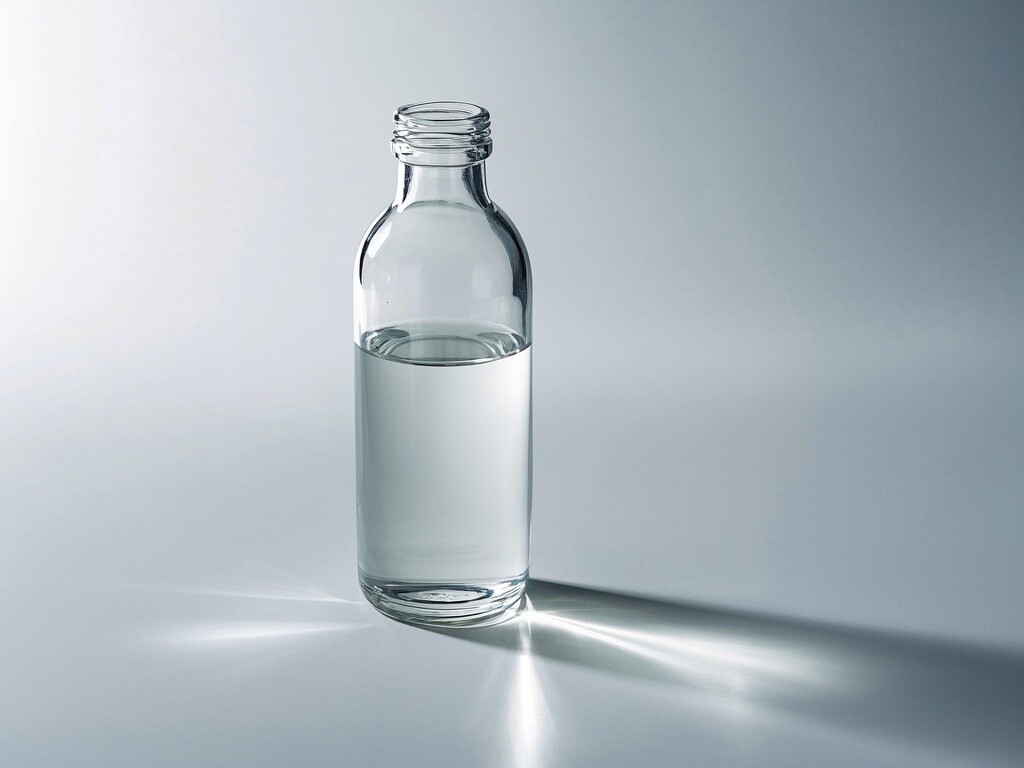
As coating formulators demand tighter purity control, Glacial Acetic Acid at 99.95% grade is emerging as a critical enabler—driving performance gains in adhesion, clarity, and shelf life. This shift aligns with broader industry needs for high-purity raw materials like Methanol high purity and Pure Benzene, where consistency directly impacts batch reproducibility. As a trusted Methanol manufacturer China and supplier of premium solvents, Shandong JunTeng Chemical Co., Ltd. delivers certified Glacial Acetic Acid and complementary high-purity intermediates—backed by ISO-compliant sourcing, Sinopec/BASF-aligned supply chains, and on-time delivery to procurement professionals, business evaluators, and distributors across pharmaceuticals, coatings, and agrochemicals.
Why 99.95% Purity Matters in Coating Systems
Coating performance hinges on molecular-level predictability. Trace impurities—especially water, acetaldehyde, and formic acid—in standard-grade glacial acetic acid (99.5–99.8%) trigger side reactions during esterification or resin synthesis. These reactions reduce crosslink density, compromise film uniformity, and accelerate yellowing under UV exposure. At 99.95%, residual moisture drops below 30 ppm, enabling stable polyvinyl acetate (PVA) emulsion polymerization and consistent acrylic copolymer viscosity profiles.
For procurement teams evaluating technical trade-offs, this purity tier bridges the gap between cost-sensitive industrial grades and ultra-high-purity research-grade material (>99.99%). It meets ASTM D2028 Class I specifications and passes Sinopec’s internal QC protocol for solvent-grade acetic acid—requiring ≤50 ppm total aldehydes and ≤100 ppm non-volatile residue. Batch-to-batch variance remains within ±0.015% across 12-month production cycles at JunTeng’s certified blending facility in Jinan.
This consistency translates directly into manufacturing efficiency: formulators report 23–37% reduction in pre-shipment quality rework when switching from 99.7% to 99.95% material. That equates to 4–6 fewer inspection points per batch and up to 15% faster line clearance in OEM automotive refinishing plants.
Key Impurity Thresholds & Their Impact
The table underscores how targeted purification—rather than blanket “higher purity”—delivers measurable process advantages. JunTeng’s dual-stage distillation + molecular sieve treatment ensures each parameter meets specification without over-engineering cost. For distributors serving Tier-2 coating compounders, this means predictable inventory turnover and reduced customer escalation on color-matching disputes.
How High-Purity Acetic Acid Integrates With Other Critical Intermediates
Glacial Acetic Acid rarely operates in isolation. In epoxy-acrylic hybrid systems, it co-functions with methanol (≥99.98%) to control etherification kinetics, and with pure benzene (≥99.95%) as a reflux solvent during phenolic resin synthesis. A mismatch in purity tiers creates cascading variability: e.g., using 99.95% acetic acid with 99.5% methanol introduces uncontrolled water influx that degrades catalyst efficiency.
That’s why JunTeng maintains synchronized purity ladders across its core solvent portfolio. All high-purity grades undergo coordinated QC release—ensuring methanol, acetic acid, and benzene batches shipped together share traceability to the same Sinopec refinery lot. This alignment reduces formulation troubleshooting time by 30–45% for R&D labs validating new binder systems.
In parallel, advanced synthetic routes increasingly rely on strong bases like Sodium Tert-Butoxide(STB) for deprotonation steps prior to acetylation. STB’s high regioselectivity (≥92% vs. NaH’s 78%) ensures cleaner mono-acetylated intermediates—critical when downstream acetic acid purity must remain uncompromised.
Cross-Grade Compatibility Checklist for Procurement Teams
- Verify all solvents in a formulation share ≤±0.02% purity tolerance band (e.g., 99.95% ±0.01% acetic acid paired with 99.98% ±0.01% methanol)
- Confirm analytical certificates include method references (e.g., GC-FID per ASTM D1317 for aldehydes)
- Require batch-specific heavy metal data (Pb, Fe, Cu) if used in pharmaceutical coatings or food-contact adhesives
- Validate packaging integrity: double-sealed HDPE drums with nitrogen purge for acetic acid; argon-flushed stainless containers for STB
Procurement Decision Framework: Balancing Cost, Risk, and Scale
For distributors managing multi-tier client portfolios, selecting the right acetic acid grade involves three calibrated decisions: volume commitment, logistics window, and certification scope. JunTeng offers flexible configurations—25 kg HDPE pails for lab-scale validation (lead time: 5–7 days), 1,000 L IBCs for pilot production (10–12 days), and full-container-load (FCL) shipments for regional distribution hubs (15–18 days).
Unlike commodity suppliers, JunTeng guarantees no purity downgrade between order confirmation and dispatch—even during peak demand periods (Q3–Q4). This is enforced via real-time batch reservation in its ERP system, linked directly to Sinopec’s production scheduling. Over 92% of orders ship within ±1 day of promised date, with 100% traceability to refinery source codes.
For business evaluators assessing total cost of ownership, consider this: switching to 99.95% grade typically adds 8–12% to unit cost—but reduces raw material rejection rates by 65% and cuts QC labor by 11 FTE-hours/month in mid-volume coating plants (5–15 tons/month output). The breakeven point occurs at ~4.3 months for most Tier-2 compounders.
Why Partner With JunTeng for High-Purity Chemical Sourcing
Shandong JunTeng Chemical Co., Ltd. delivers more than product—it delivers procurement certainty. With ten years of specialization in chemical trading, we combine ISO 9001-certified supply chain management with direct access to BASF Germany, Sinopec, and Qilu Petrochemical production lines. Our one-stop procurement model covers technical documentation (COA, SDS, TDS), customs-compliant labeling, and just-in-time logistics across 22 domestic provinces and 14 export markets.
We support your decision-making with actionable resources: free sample kits (including 99.95% acetic acid + matched methanol/benzene sets), third-party lab verification reports, and formulation compatibility assessments conducted in collaboration with our technical partners in Qingdao and Shanghai.
Contact us today to discuss your specific requirements—whether you need certified 99.95% Glacial Acetic Acid for automotive clearcoat development, Sodium Tert-Butoxide(STB) for API intermediate synthesis, or customized packaging for distributor channel optimization. Let’s align purity, performance, and partnership.
 Ethylene CarbonateEthylene Carbonate (EC): High-purity solvent for lithium batteries & chemical synthesis. Stable quality, bulk supply from professional manufacturer.
 Propylene CarbonatePropylene Carbonate: Ideal solvent for coatings, cleaners and electrolytes. Quality Propylene Carbonate from professional Chinese supplier.
 Zinc SulfateShandong Junteng Chem Zinc Sulfate: High-purity Zinc Sulfate for agriculture, industry & feed—bulk Zinc Sulfate supply with custom specifications.
Leave A Message
If you are interested in our products and want to know more details, please leave a message here, we will reply you as soon as we can.