





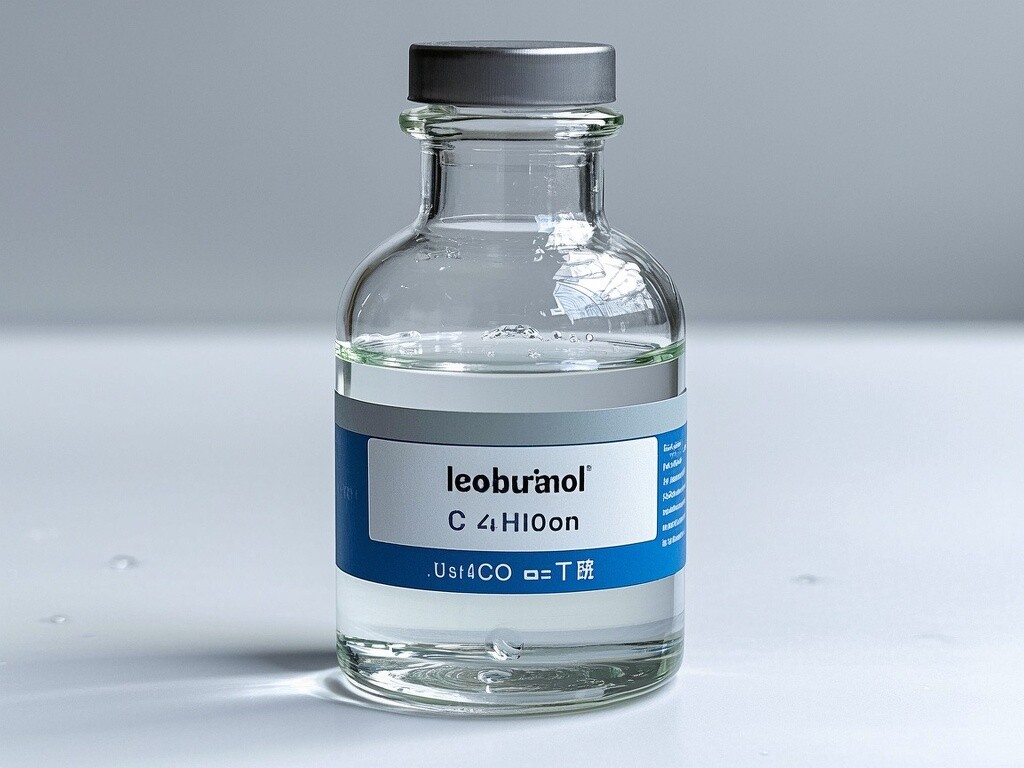
The Environmental Impact of Using Isobutanol in Wastewater Treatment
As industries worldwide face increasing pressure to adopt sustainable practices, the search for eco-friendly chemical solutions in wastewater treatment has intensified. Isobutanol, a versatile alcohol compound, has emerged as a promising alternative with significant environmental benefits. This article explores the ecological advantages of using isobutanol for wastewater treatment and its applications in isobutanol for petrochemicals, while highlighting the competitive advantages of factory-direct procurement from trusted suppliers like Shandong JunTeng Chemical.
Why Isobutanol Stands Out in Wastewater Treatment
Isobutanol offers several environmental advantages over traditional treatment chemicals:
- Biodegradability: Breaks down more completely than many synthetic alternatives
- Lower toxicity: Reduced environmental impact on aquatic ecosystems
- Energy efficiency: Requires less processing energy than comparable chemicals
- Byproduct reduction: Minimizes harmful secondary waste generation
Factory Direct Advantages: Cost and Quality Benefits
Procuring isobutanol for wastewater treatment directly from manufacturers like Shandong JunTeng Chemical provides significant competitive advantages:
Our direct supply chain ensures consistent quality control from production to delivery, with batch-to-batch purity maintained at ≥99.5%. For specialized applications requiring high-purity chemicals, we also offer Triethyl Orthoformate with purity ≥99.0%, ideal for pharmaceutical and agrochemical synthesis.
Technical Performance in Petrochemical Applications
When evaluating isobutanol for petrochemicals, several technical factors demonstrate its superiority:
- Solvent efficiency: 15-20% better extraction rates than comparable alcohols
- Process stability: Maintains consistent performance across temperature variations
- Material compatibility: Less corrosive to equipment than alternatives
Environmental Compliance and Regulatory Advantages
Isobutanol helps facilities meet increasingly stringent environmental regulations:
- Meets EPA and EU REACH standards for wastewater treatment chemicals
- Reduces reporting requirements due to lower toxicity classification
- Simplifies waste disposal processes compared to harsher alternatives
Frequently Asked Questions
Q: How does isobutanol compare to ethanol in wastewater treatment?
A: Isobutanol offers superior solvent properties with 20-30% better contaminant extraction rates, while being less volatile and more energy-efficient in recovery processes.
Q: What safety measures are required when handling isobutanol?
A: Standard chemical handling PPE (gloves, goggles) is sufficient. Unlike harsher alternatives, isobutanol doesn't require specialized containment systems at typical treatment concentrations.
Q: Can we mix isobutanol with our existing treatment chemicals?
A: In most cases yes, but we recommend consulting our technical team for specific compatibility testing with your current treatment regimen.
Partner with a Trusted Chemical Supplier
Shandong JunTeng Chemical brings a decade of expertise in supplying high-quality isobutanol for wastewater treatment and isobutanol for petrochemicals directly from our manufacturing partners. Our complete supply chain management ensures:
- Strict quality control from source to delivery
- Competitive pricing through direct factory relationships
- Technical support for optimal application solutions
Contact our team today to discuss your specific requirements and receive a customized quotation for your wastewater treatment or petrochemical processing needs.
") Diammonium Phosphate(DAP)Diammonium Phosphate (DAP) is a high-nutrient nitrogen-phosphorus fertilizer, also used in fire retardants & industrial buffers, boosts crop yields, eco-compatible, and versatile for agro & industrial sectors.
Diammonium Phosphate(DAP)Diammonium Phosphate (DAP) is a high-nutrient nitrogen-phosphorus fertilizer, also used in fire retardants & industrial buffers, boosts crop yields, eco-compatible, and versatile for agro & industrial sectors.") Monopotassium Phosphate(MKP)Monopotassium Phosphate (MKP) is a high-purity fertilizer/industrial reagent, ideal for crop nutrition, buffer solutions, and food additives—supports plant growth & chemical process stability, eco-friendly & versatile.
Monopotassium Phosphate(MKP)Monopotassium Phosphate (MKP) is a high-purity fertilizer/industrial reagent, ideal for crop nutrition, buffer solutions, and food additives—supports plant growth & chemical process stability, eco-friendly & versatile. Cupric nitrateCupric nitrate (Cu(NO₃)₂) is a blue crystalline inorganic compound, hygroscopic and highly soluble in water/ethanol. A strong oxidizer, it’s used in electroplating, catalysis, pigments, and agriculture, with storage away from combustibles.
How does isobutanol compare to ethanol in wastewater treatment?
What safety measures are required when handling isobutanol?
Can we mix isobutanol with our existing treatment chemicals?
Leave A Message
If you are interested in our products and want to know more details, please leave a message here, we will reply you as soon as we can.