





Product
massage
Calcium Oxide
Product Parameters
Basic Properties
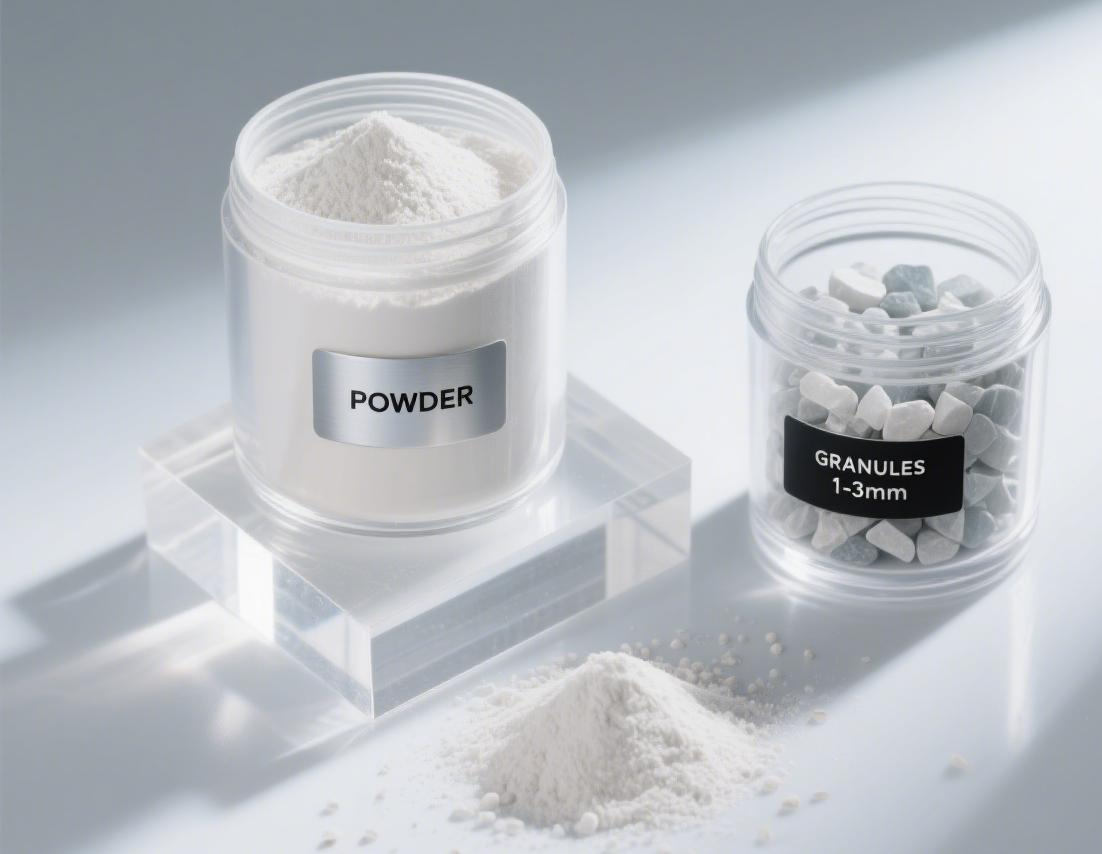
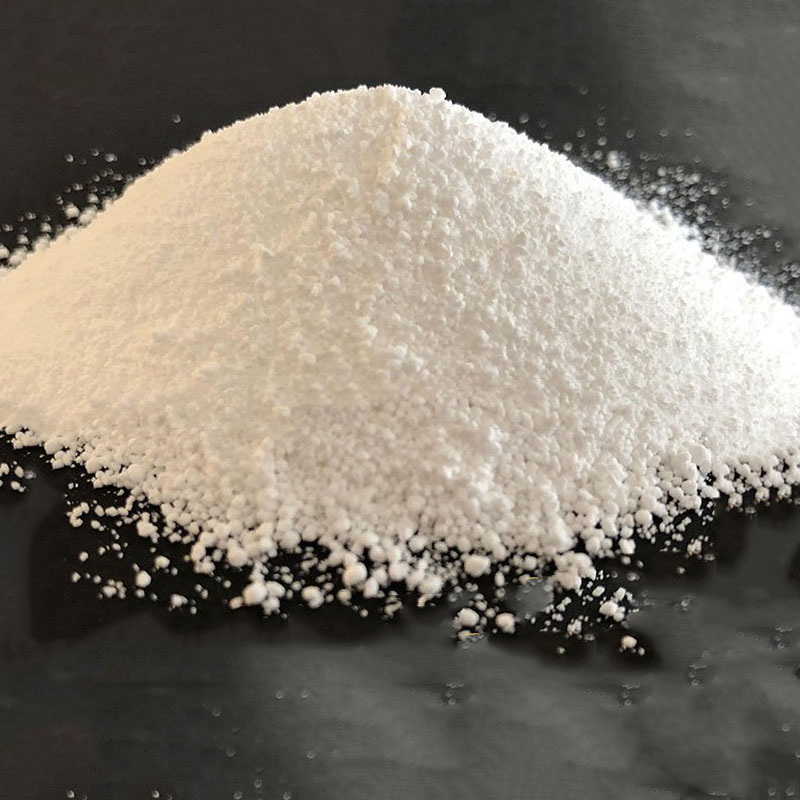
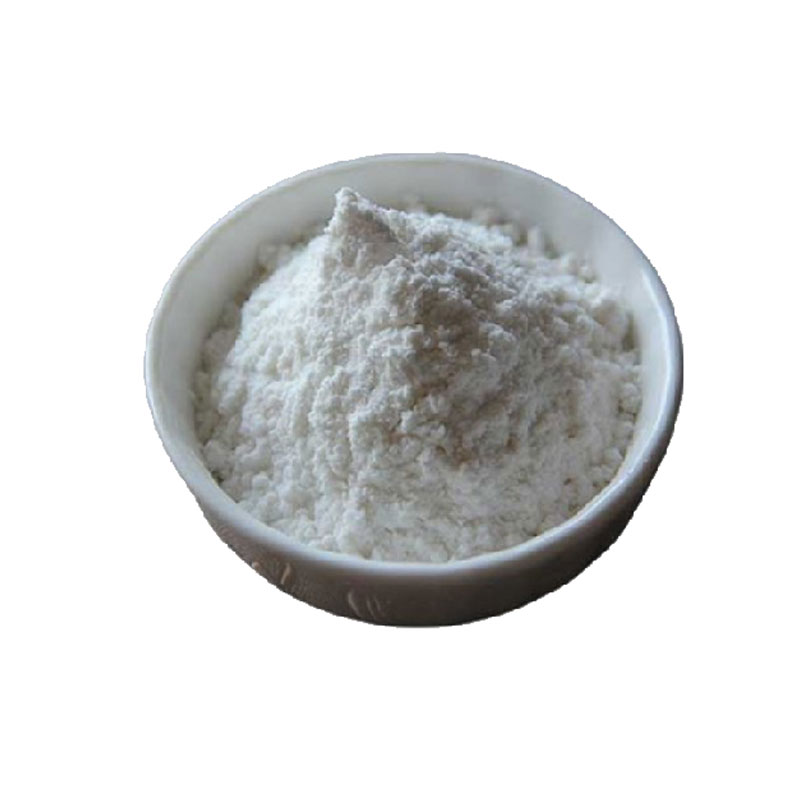
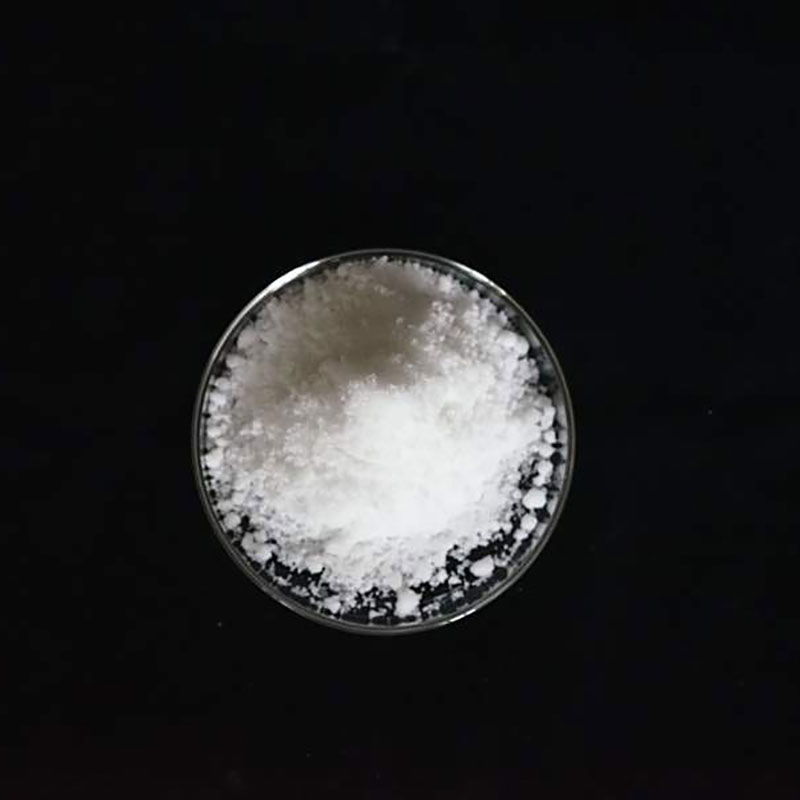
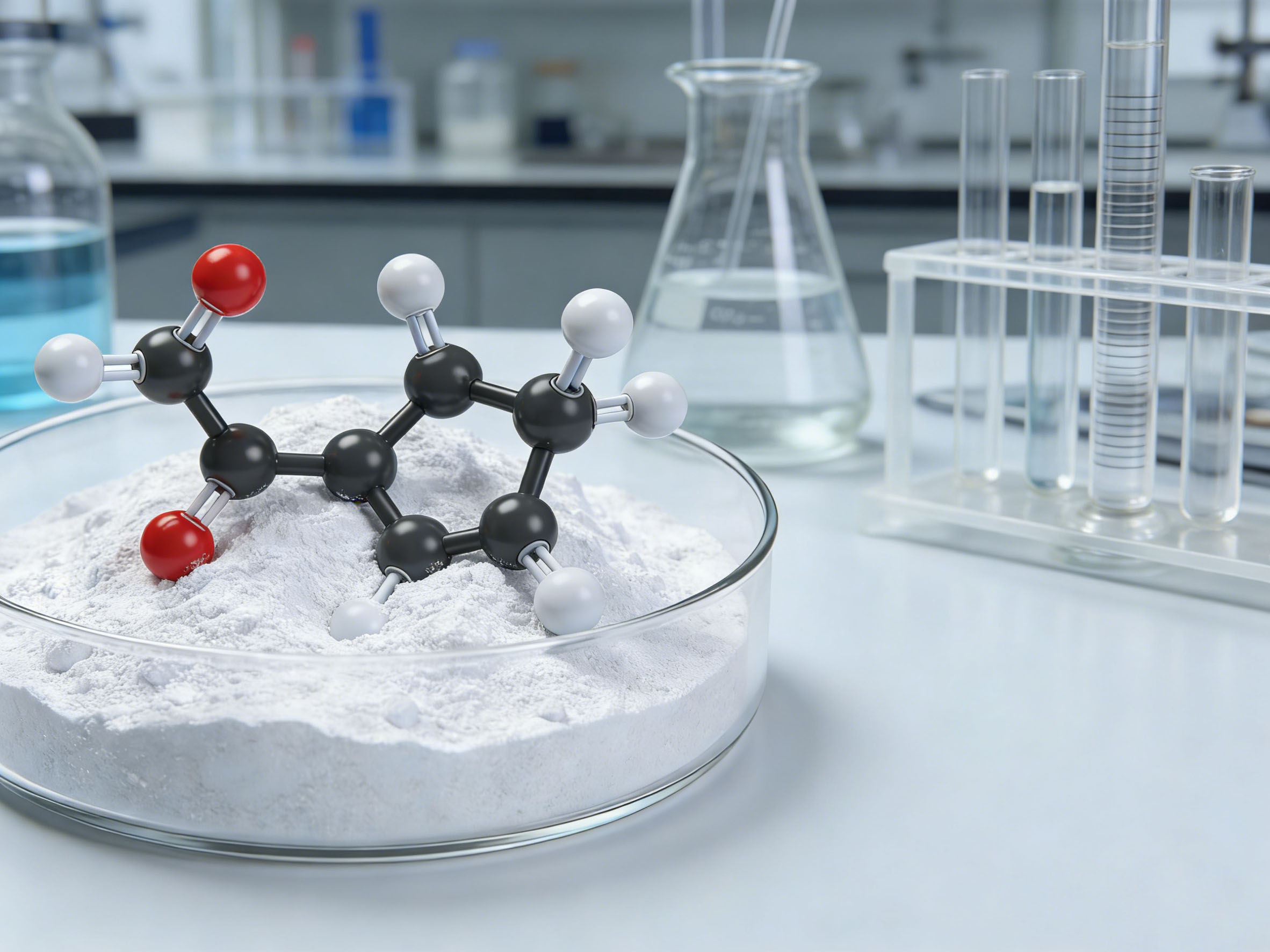
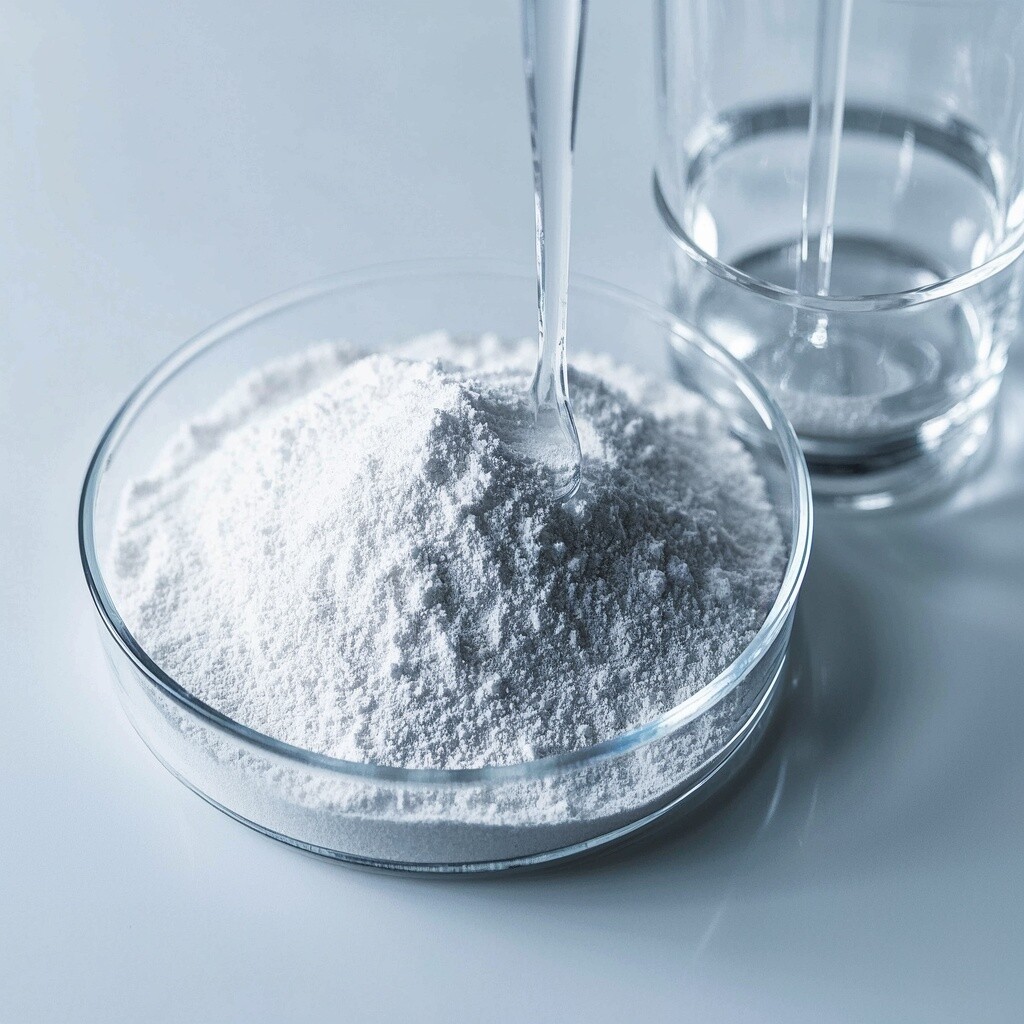
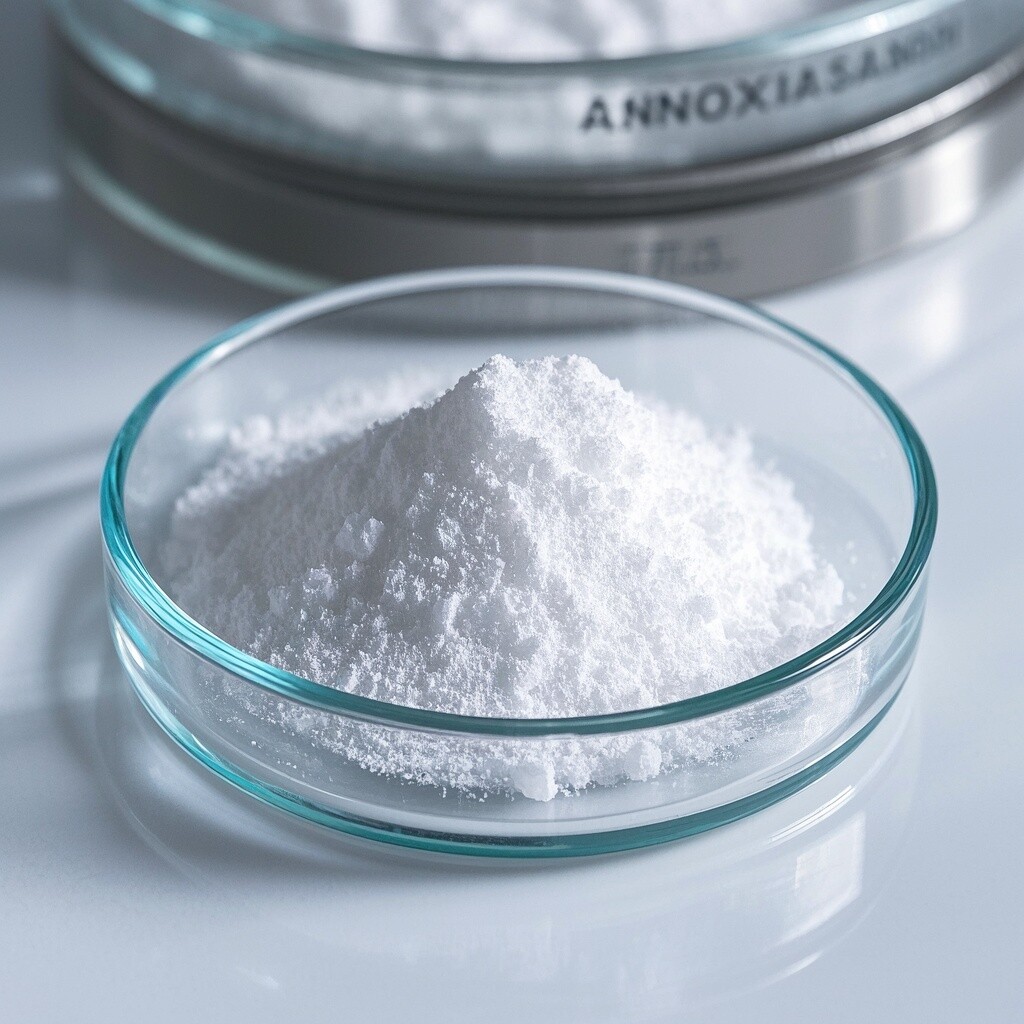
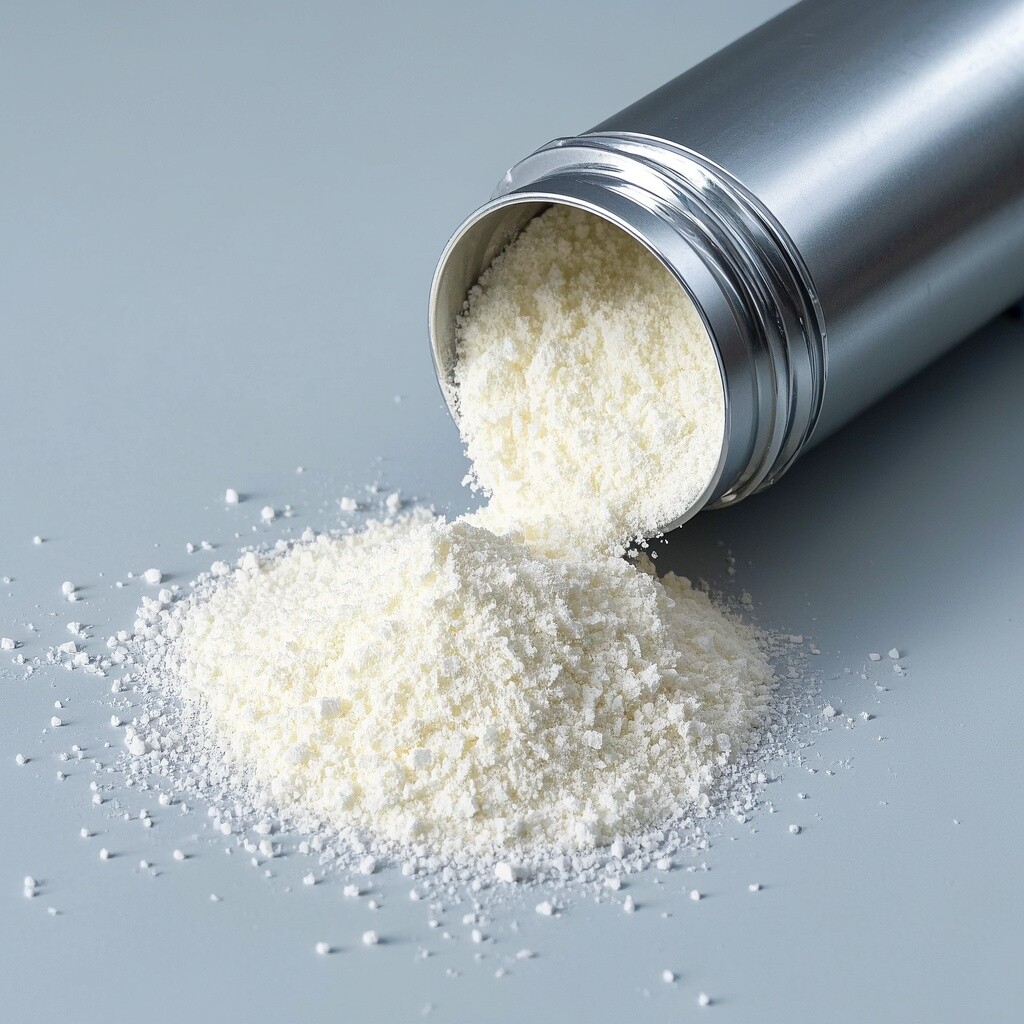
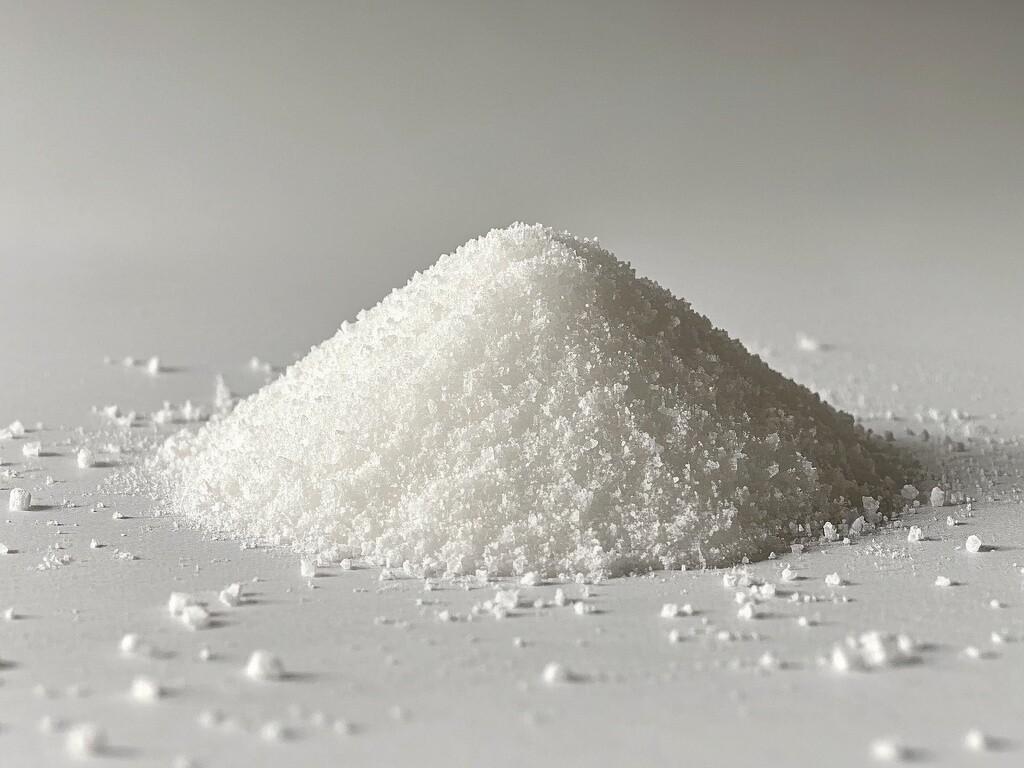
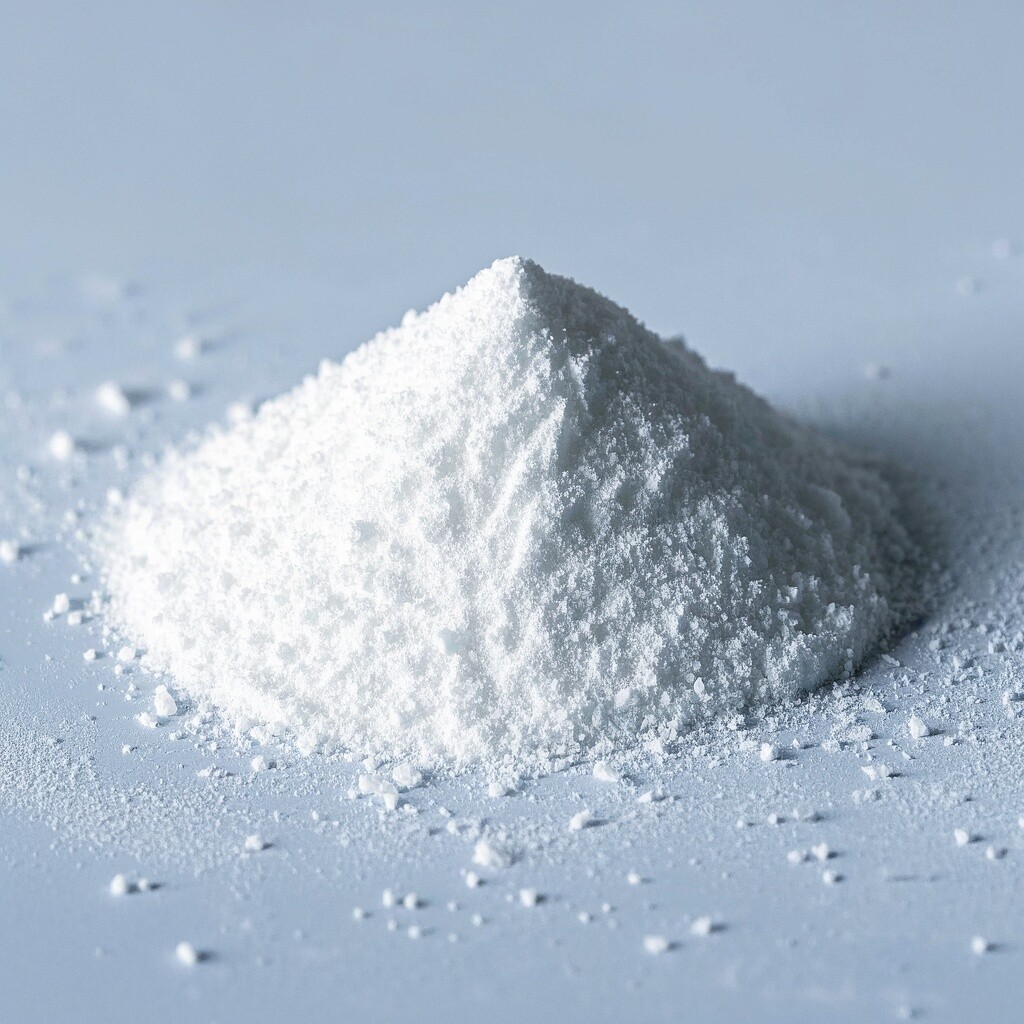
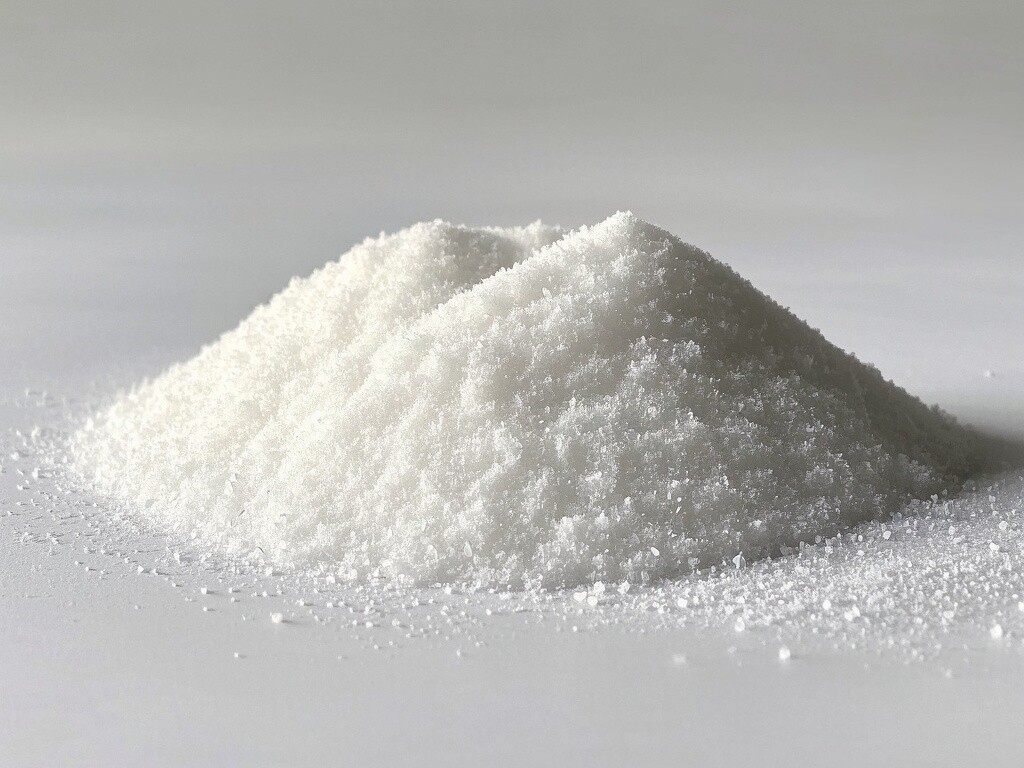
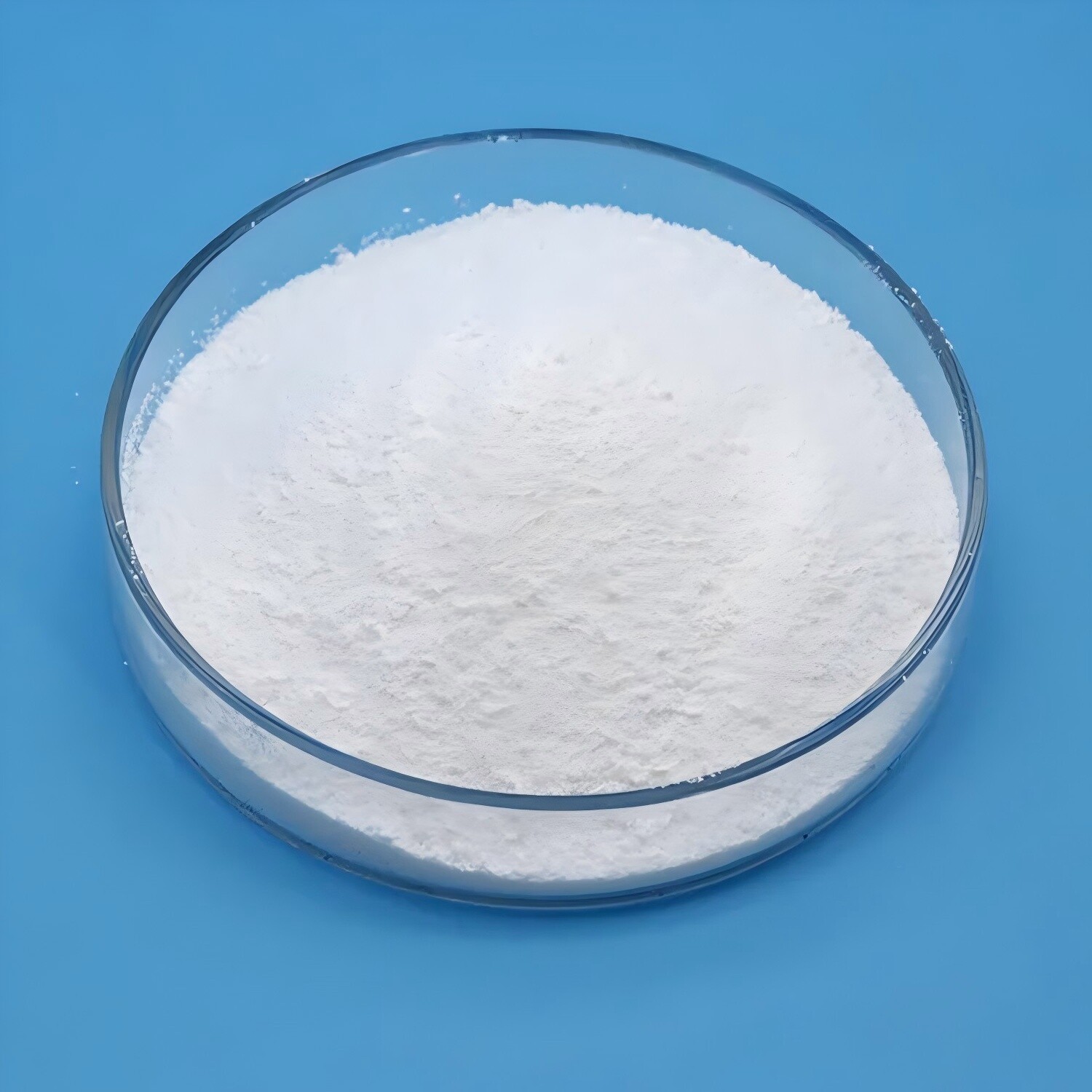
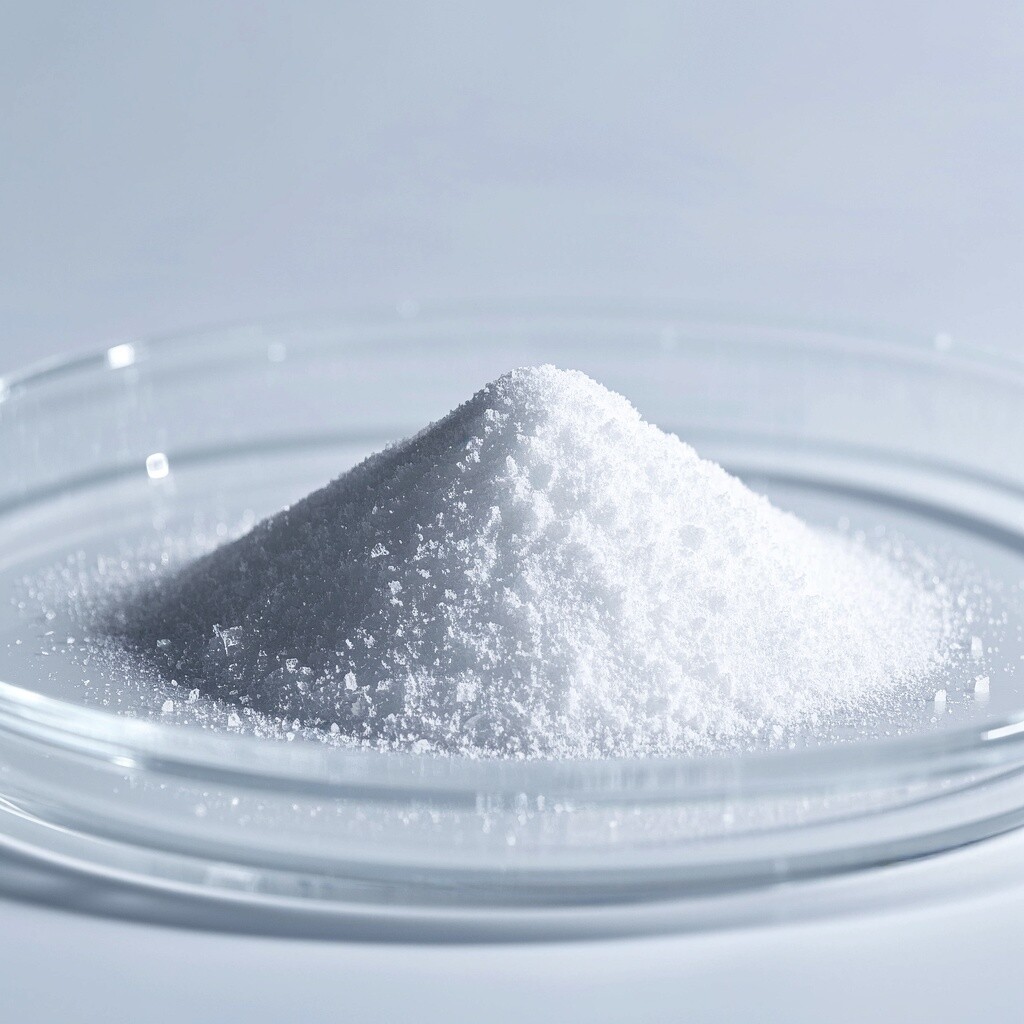
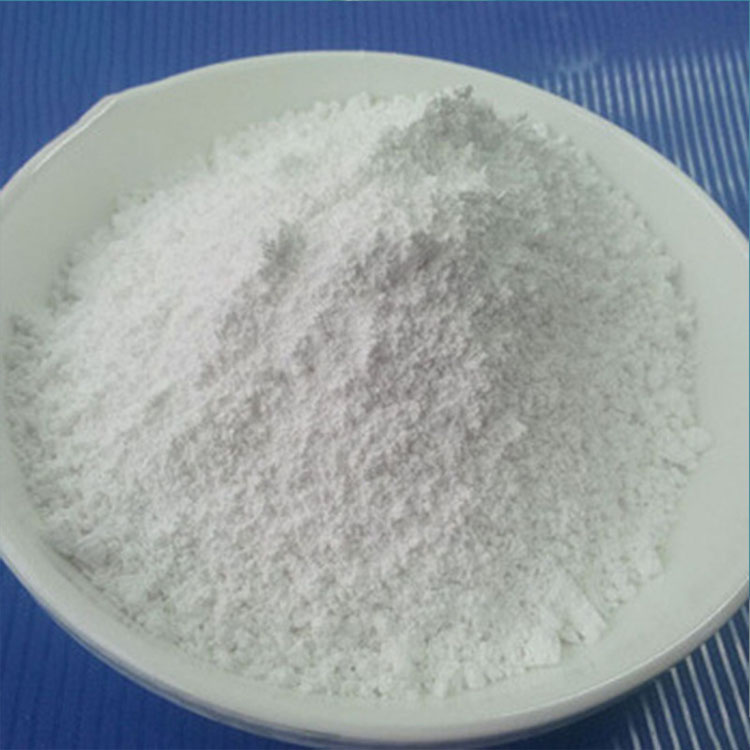
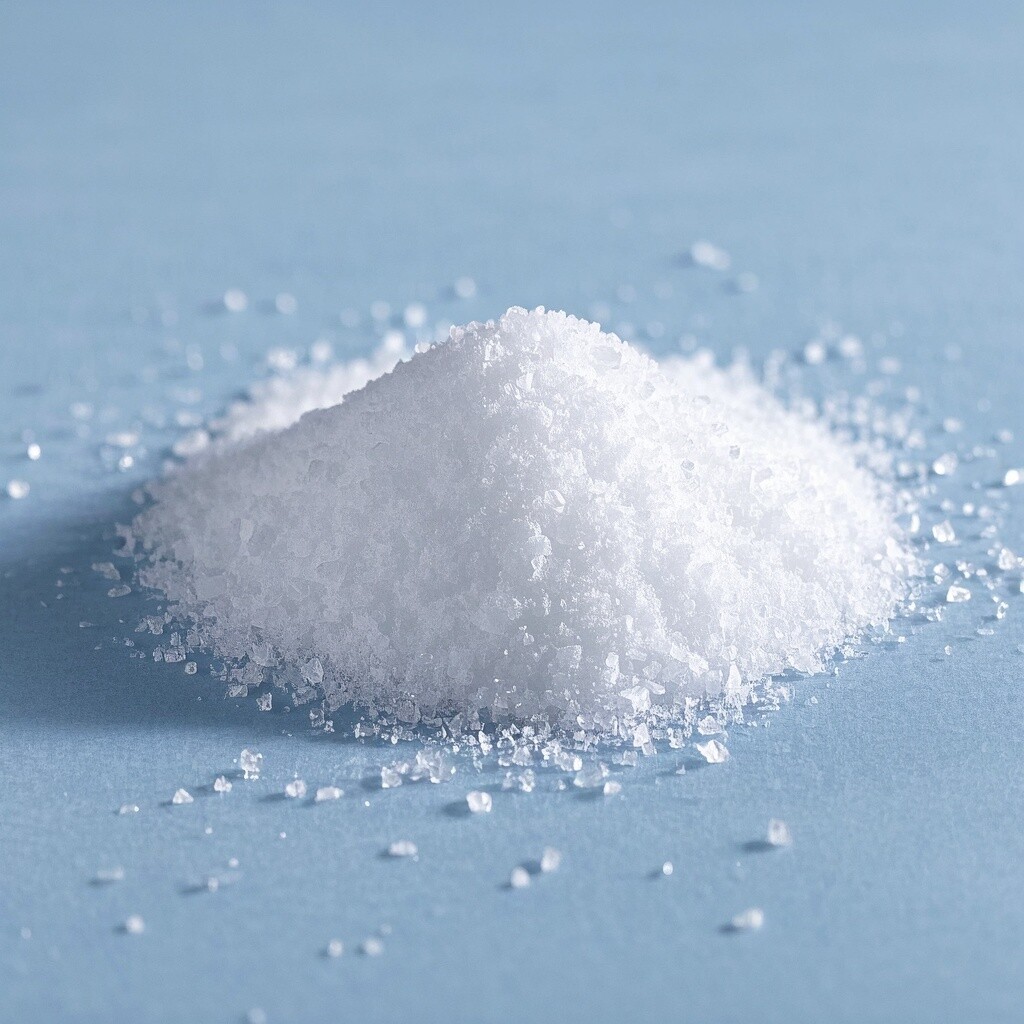
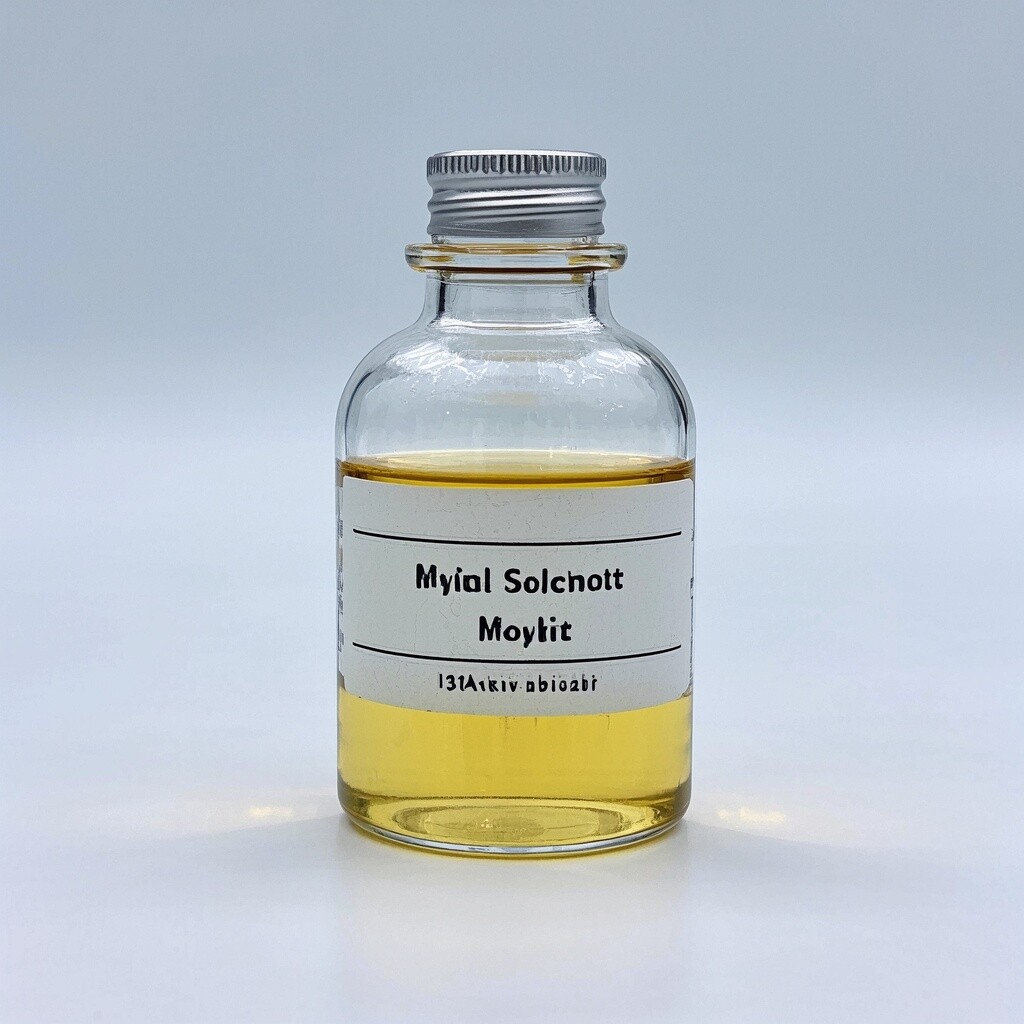
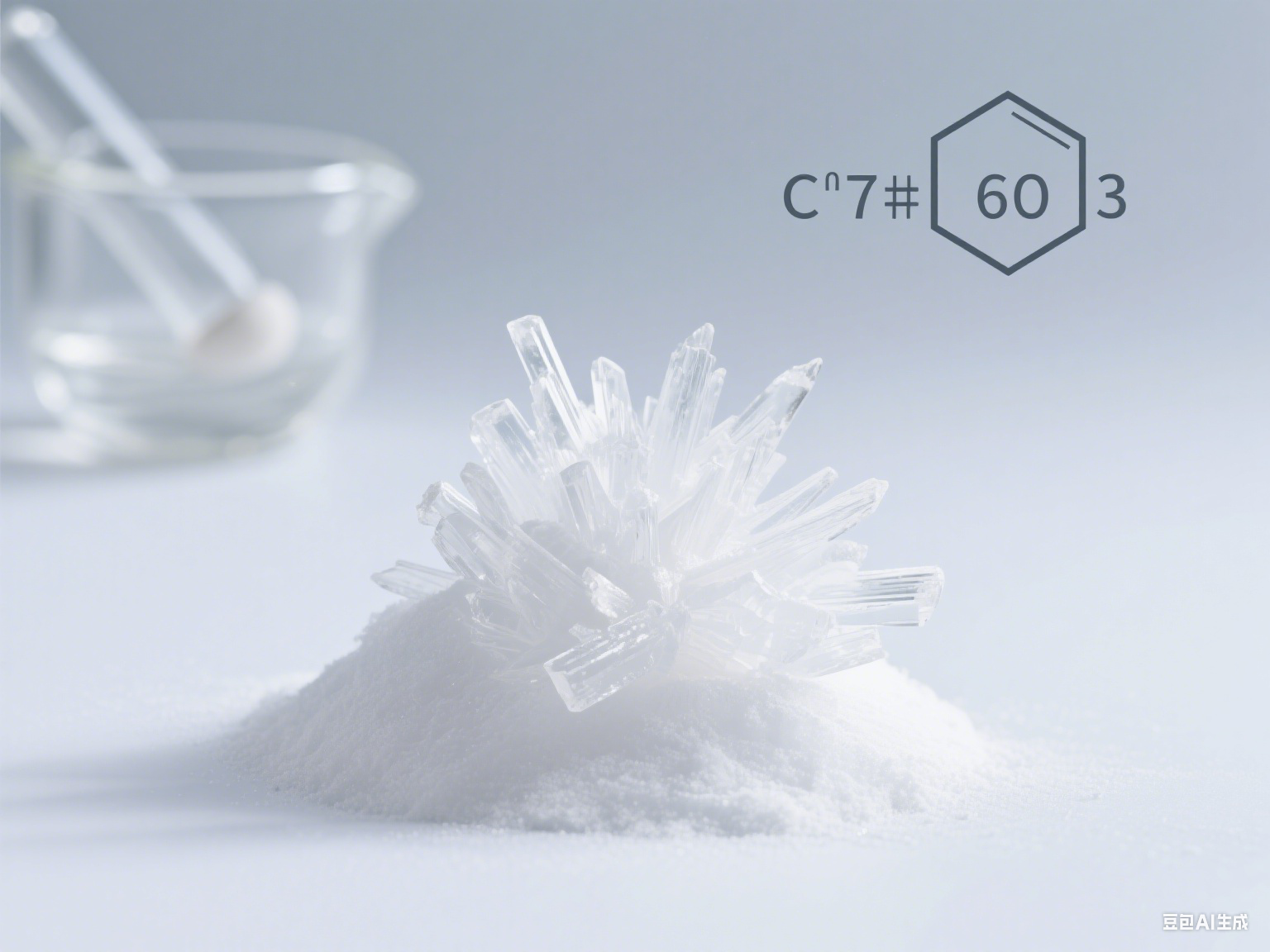
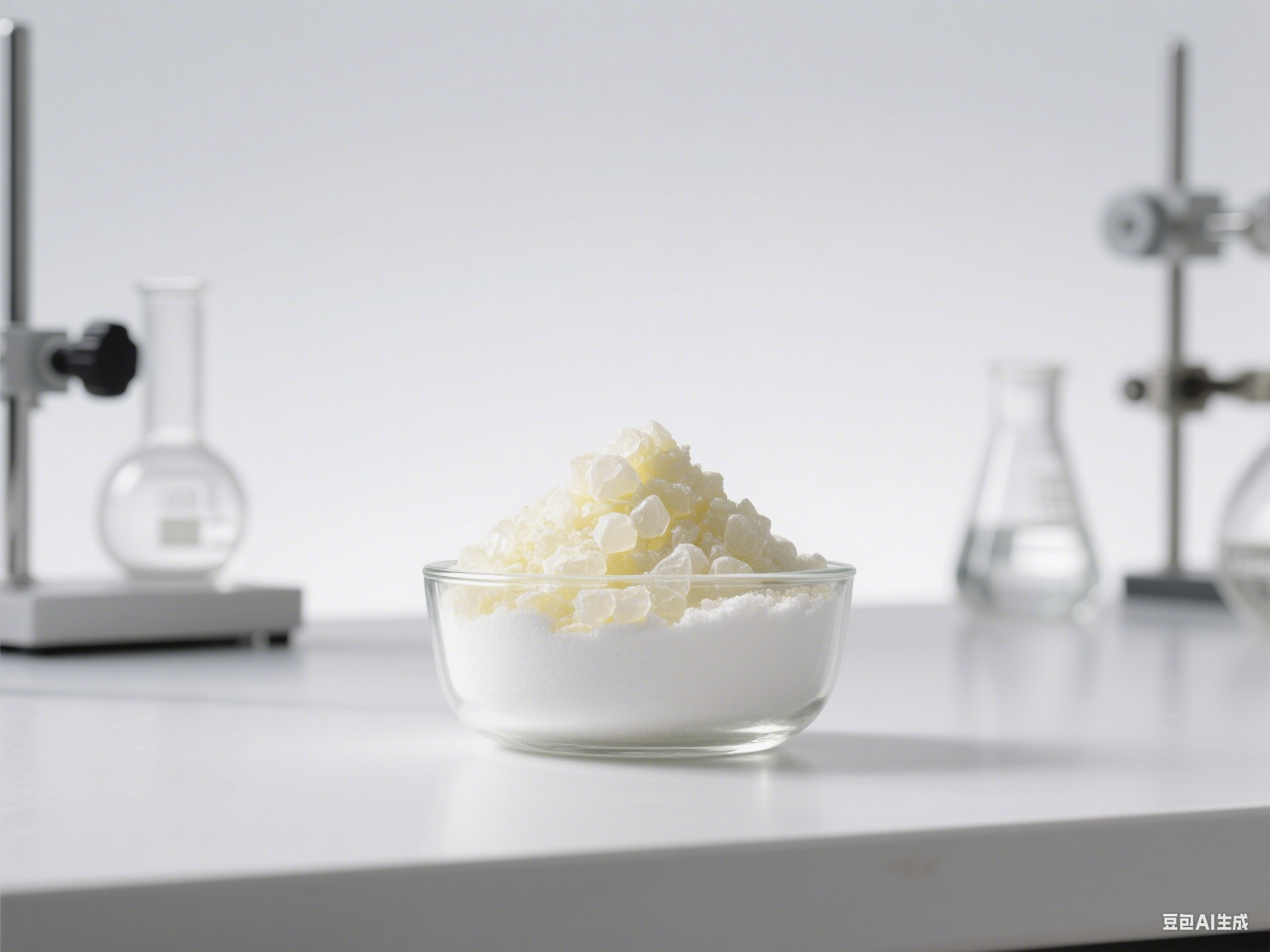
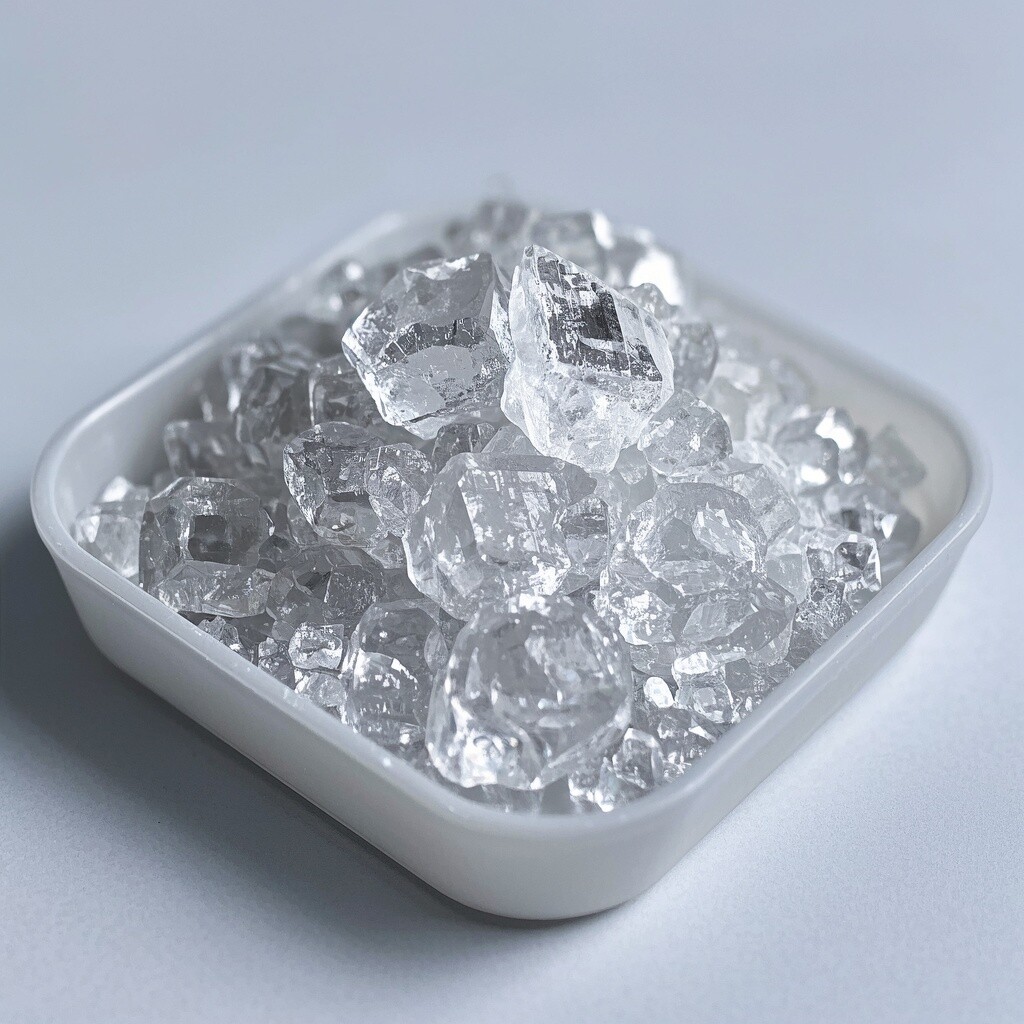
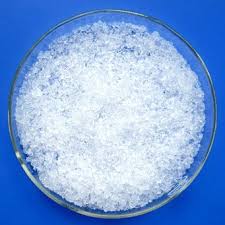
Appearance and Morphology: At room temperature, it is a white to grayish-white lumpy or powdery solid. Pure calcium oxide is white, while impurities may cause it to appear pale yellow or gray. Powdered calcium oxide, due to its fine particles, is highly dust-generating.
Melting Point and Boiling Point: It has high thermal stability, with a melting point of approximately 2572℃ and a boiling point reaching 2850℃. It does not easily decompose at high temperatures and can withstand strong heat environments.
Density and Solubility: Its density is 3.35 g/cm³, classifying it as a high-density inorganic compound. It is sparingly soluble in water, but reacts violently with water, releasing a large amount of heat. It is soluble in acidic solutions, forming the corresponding calcium salts.
Hygroscopicity: It is extremely hygroscopic. When exposed to air, it rapidly absorbs moisture and carbon dioxide, undergoing deliquescence and carbonation reactions to form calcium hydroxide and calcium carbonate. Therefore, it must be stored in a sealed, dry place.
Main Applications
I. Building Materials Industry
Preparation of Lime Mortar and Concrete: Calcium oxide reacts with water to produce calcium hydroxide (hydrated lime). Hydrated lime can be mixed with sand, cement, etc., to make lime mortar, used for wall construction and plastering; it can also be used as an admixture in concrete to improve its workability and durability, and enhance the strength of building structures.
Production of Silicate Products: As one of the core raw materials, calcium oxide is used in the production of silicate building materials such as lime-sand bricks, aerated concrete blocks, and cement pipes. These products are lightweight, heat-insulating, and sound-insulating, and are widely used in civil and industrial construction.
Road Subgrade Treatment: Calcium oxide can be used to improve acidic soil subgrades. By adjusting the soil pH value and reducing soil moisture content, it enhances the load-bearing capacity of the subgrade, and is especially suitable for construction on damp and soft subgrades.
II. Chemical Production Field
Manufacturing Calcium Hydroxide and Other Calcium Salts: Calcium oxide reacts fully with water to produce high-purity calcium hydroxide, which is further used in the production of bleaching powder, calcium magnesium phosphate fertilizer, calcium citrate, and other chemical products. It is also a basic raw material for the production of calcium salts such as calcium carbonate, calcium nitrate, and calcium chloride.
As a Basic Reaction Agent: In chemical synthesis, it is used as a neutralizing agent to treat acidic wastewater and acidic raw materials. In organic synthesis, it acts as a catalyst or dehydrating agent, participating in the preparation reactions of esters, alcohols, and other compounds.
Raw Material for Calcium Carbide Production: Calcium carbide reacts with coke in a high-temperature electric arc furnace to produce calcium carbide (calcium carbide). Calcium carbide is a core raw material for the production of acetylene gas and is widely used in welding, cutting, and organic synthesis industries.
III. Environmental Governance Field
Acidic Wastewater Treatment: As a low-cost alkaline agent, it neutralizes acidic substances in industrial wastewater (such as electroplating wastewater, metallurgical wastewater, and chemical wastewater), adjusting the pH value to discharge standards. Simultaneously, it can precipitate heavy metal ions (such as lead, cadmium, and copper) in wastewater, reducing the risk of water pollution.
Flue Gas Desulfurization and Denitrification: In flue gas treatment systems of coal-fired power plants and steel mills, calcium oxide reacts with sulfur dioxide and nitrogen oxides in the flue gas to produce solid products such as calcium sulfate and calcium nitrate, achieving desulfurization and denitrification and reducing the factors contributing to acid rain formation.
Waste Incineration Treatment: Added to waste incinerators, it neutralizes acidic gases produced during incineration (such as hydrogen chloride and hydrogen fluoride), reducing the corrosiveness of the flue gas. It can also adsorb some toxic and harmful substances, improving the treatment effect of exhaust gas.
IV. Agricultural Planting Sector
Soil Improvement: Used to improve acidic soils, adjust soil pH, improve soil aggregate structure, promote soil microbial activity, and enhance soil fertility; it also kills pathogens, insect eggs, and weed seeds in the soil, reducing crop diseases and pests.
Preparation of Agricultural Lime Fertilizer: As a raw material for calcium fertilizer, it supplements crops with calcium, preventing calcium deficiency symptoms in fruit trees and vegetables (such as blossom-end rot in tomatoes and bitter pit in apples); it can also be mixed with other fertilizers to make compound fertilizers.
Livestock and Poultry Disinfection: Prepared by adding water to make lime milk, it is used to disinfect the floors, walls, and manure pits of livestock farms, killing pathogenic microorganisms, reducing the risk of livestock and poultry disease transmission, and providing long-lasting disinfection at a low cost.
V. Other Fields
Desiccant: Utilizing its strong hygroscopic properties, it is used as an industrial desiccant to dry gases or liquids such as ammonia and ethanol, especially suitable for drying in alkaline environments where molecular sieves or silica gel cannot be used.
Metallurgical flux: Adding calcium oxide during steelmaking can lower the melting point of gangue in the ore, separate the slag from the molten iron, and improve the purity of steel; at the same time, it can desulfurize and dephosphorize, and improve the quality of steel.
Safety Precautions
I. Health and Safety Precautions
Skin Contact Protection: Calcium oxide powder is irritating and reacts with water to form calcium hydroxide, releasing a large amount of heat. Direct skin contact can cause chemical burns, leading to redness, swelling, pain, peeling, and even ulcers. Thick nitrile rubber gloves, long-sleeved flame-retardant protective clothing, and high-top safety boots must be worn during operation to avoid exposed skin. If accidental contact occurs, do not rinse directly with water. First, gently wipe away any residual powder with a dry cloth, then rinse the contact area with plenty of running water for at least 15 minutes. If burn symptoms occur, seek medical attention immediately.
Eye Protection: Calcium oxide powder flying or splashing into the eyes can irritate the conjunctiva and cornea. If the eye mucosa is moist, it can trigger an exothermic reaction, worsening the burn and causing conjunctival congestion, severe pain, and blurred vision. Impact-resistant goggles and a face shield must be worn during operation. Protective equipment must be worn at all times during dusty processes such as crushing and feeding. If contact with eyes occurs, immediately lift the eyelids and flush with plenty of sterile saline or water for 15-20 minutes. Do not rub your eyes during this time, and seek medical attention as soon as possible.
Respiratory Protection: Inhalation of calcium oxide dust can irritate the nasal, pharyngeal, and respiratory mucosa, causing coughing, dry throat, and chest tightness. Long-term inhalation may also induce respiratory inflammation. Operations must be carried out in a closed fume hood or a forced-ventilation work area, while wearing a KN95 or higher level dust mask, and, if necessary, a half-face respirator. Do not perform crushing, sieving, or other similar operations for extended periods without protection. Ventilate the area promptly after operation.
Ingestion Protection: Calcium oxide is highly alkaline. Ingestion can severely burn the mucosa of the mouth, esophagus, and gastrointestinal tract, causing nausea, vomiting, severe abdominal pain, and even endangering life. After handling, thoroughly wash hands. Eating, drinking, and smoking are strictly prohibited in the work area. The product must be stored in a sealed container in a dedicated warehouse, strictly isolated from food, beverages, and animal feed. The packaging must be labeled with warnings such as "Strongly Alkaline Corrosive" and "Do Not Consume." In case of accidental ingestion, never induce vomiting. Immediately drink plenty of milk or egg whites (to neutralize the alkalinity and protect mucous membranes), and seek medical attention with the product label in hand.
II. Storage and Transportation Safety Precautions
Storage Requirements
- Store in a cool, dry, and well-ventilated dedicated warehouse, away from fire and heat sources. The warehouse temperature should be controlled below 35℃, and the relative humidity should not exceed 60%. Moisture absorption is strictly prohibited.
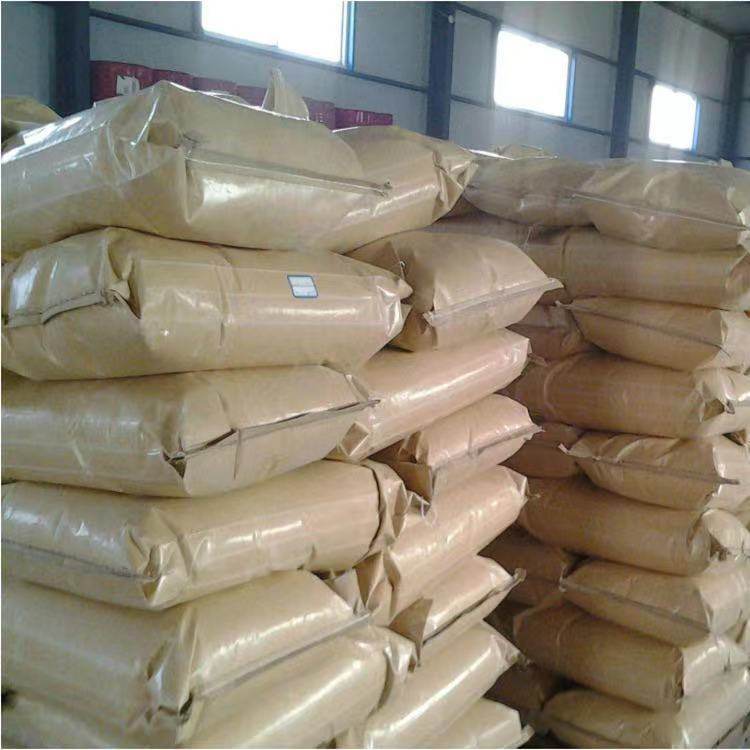
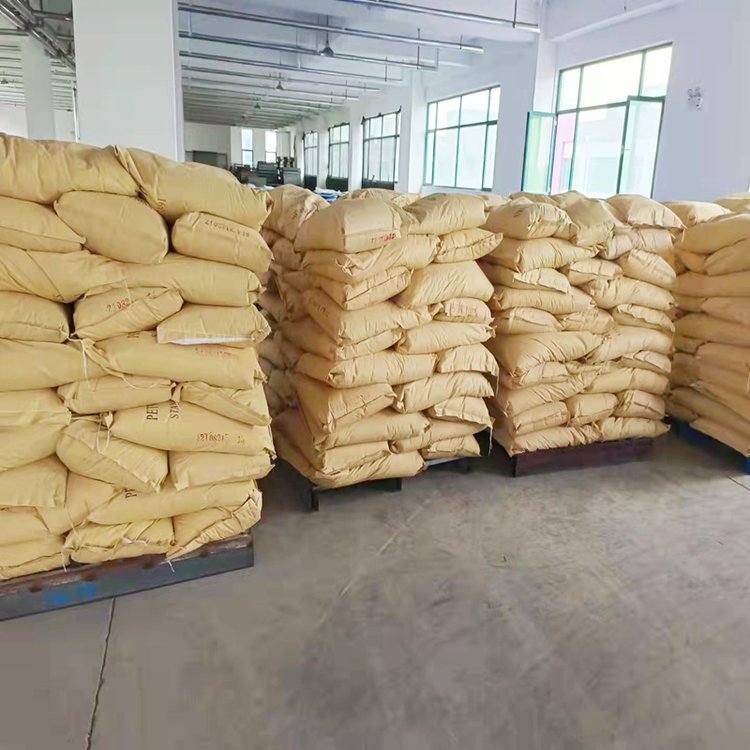
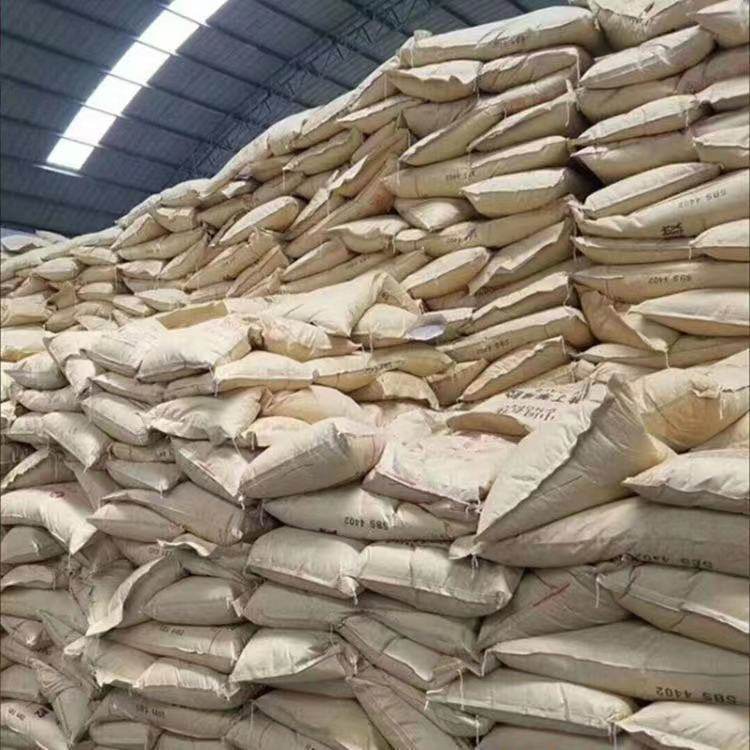
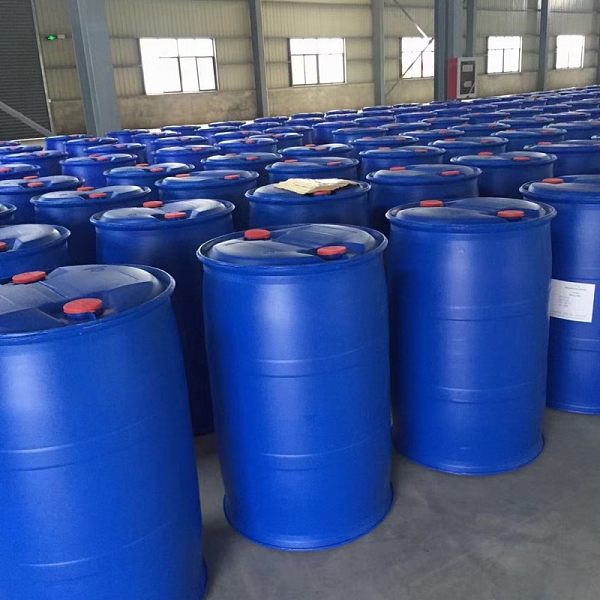
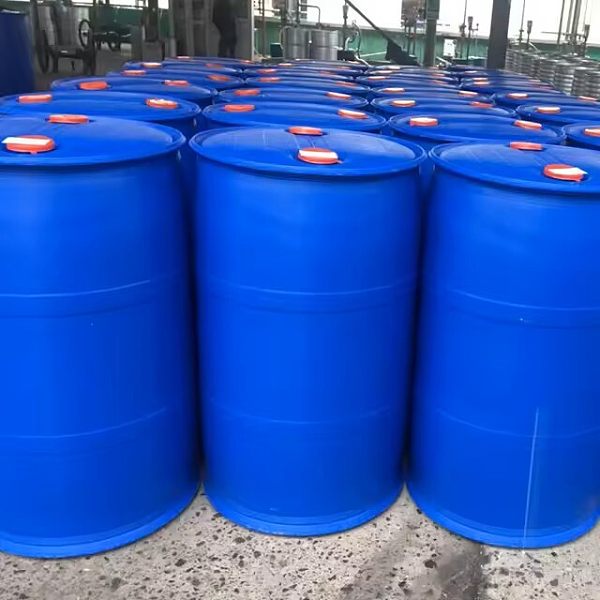
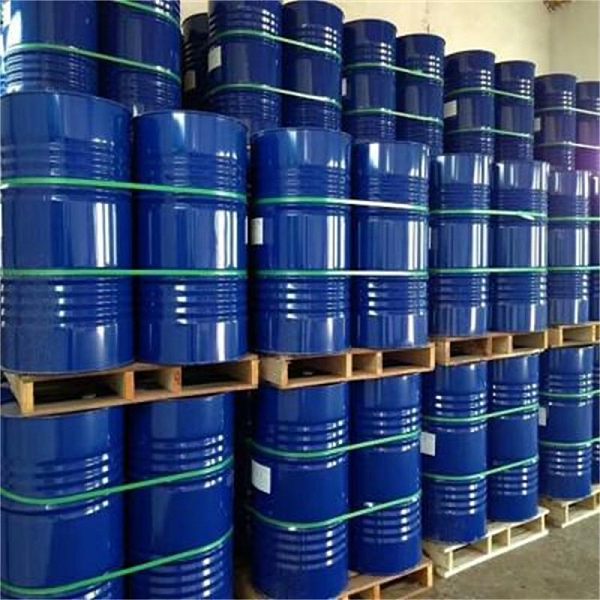
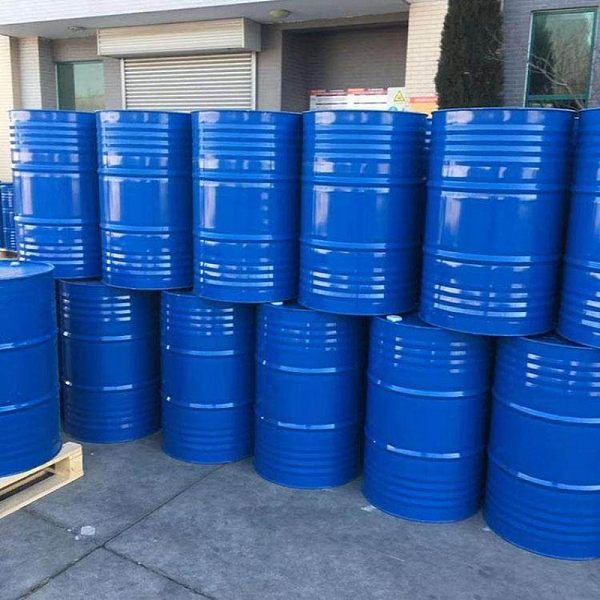
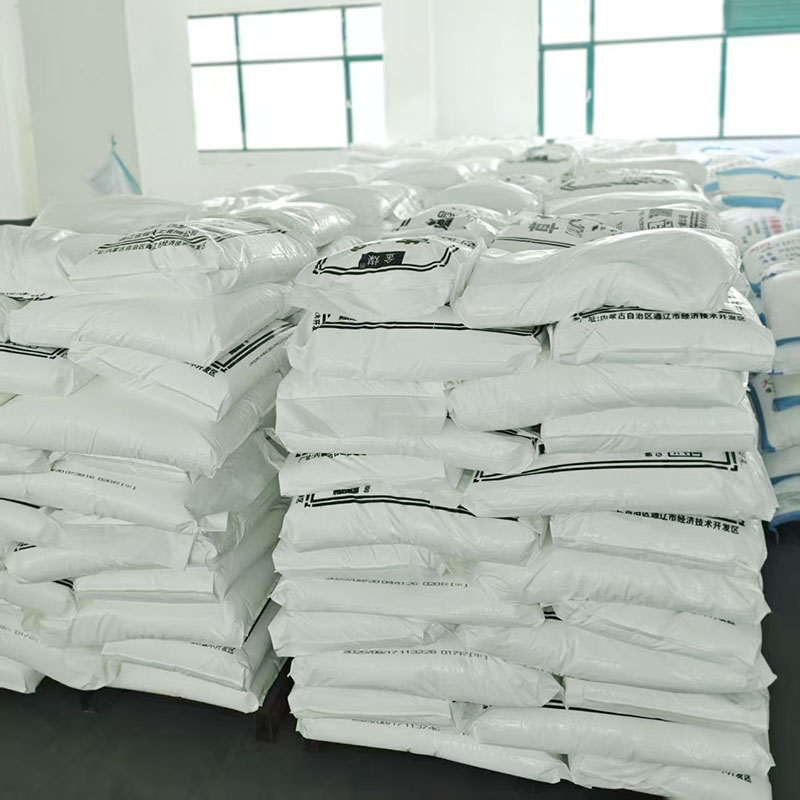
- Use sealed, moisture-proof packaging (such as woven bags or iron drums lined with plastic film). When stacking, elevate the bottom at least 15cm and maintain a 30cm distance from the wall to prevent the packaging from absorbing moisture from damp walls. Once opened, the product must be used immediately; any remaining product must be resealed tightly to prevent contact with air and moisture.
- Do not store with water, acids, flammable materials, or deliquescent substances such as hydrochloric acid, sulfuric acid, wood, or ammonium chloride to prevent violent reactions or fires. Store separately from other chemical products, with clearly marked isolation areas.
- The storage area must be equipped with dry spill response equipment (dry brooms, shovels, sealed containers) and appropriate fire extinguishers (dry powder fire extinguishers). Do not use water to extinguish fires.
Company Profile
Junteng Chemical is a professional chemical raw materials trading company dedicated to providing customers with one-stop procurement services. Through strict supplier, supply chain, and after-sales management, the company ensures that product quality, transportation, and use meet customer needs. Furthermore, the company's technical team offers customized solutions and support services free of charge.
The company has projects in the pharmaceutical, pesticide, petrochemical, construction, food additives, wastewater treatment, adhesives, inks, paints, coatings, plastic and rubber processing, detergent raw materials, fertilizer and textile mills, and more. Junteng Chemical sources products of stable and reliable quality, collaborating with domestic and international companies such as Luxi Group, Weiyuan Chemical, Qilu Petrochemical, Dongying Lihuayi, Yanshan Petrochemical, Sinopec, Shijiazhuang Refinery, Qingdao Petrochemical, Sailboat, Dow Chemical, BASF, South Korea, Taiwan, and Saudi Arabia. Our stable supply, superior product quality, and mature logistics have earned us a wide clientele. We look forward to collaborating with all of you for a mutually beneficial future.
Company advantages

One-Stop Procurement
Platform
We integrate resources across all productcategories, including organic solvents,resins and rubbers, and inorganicchemicals,and strictly control suppliers.supply chains, and after-sales processes toensure stable quality, efficienttransportation,and worry-free use,simplifying your procurement process.

Professional Team TechnicalEmpowerment
Equipped with an experienced technicalteam, we provide free personalizedsolutions and professional technicalsupport to customers in varlous industrie,such as pharmaceuticals, petrochemicals,coatings and inks, and sewage treatment,.helping you solve problems and improveefficiency.

Global supply ChainSecurity
We work with top domestic and foreignchemical giants such as Luxi Group, QiluPetrochemical, Sinopec, BASF of Germany,and Dow of the United States to establisha stable and reliable high-quality supplynetwork and a mature logistics system toensure timely and safe delivery of
products.

Deep Win-Win CooperationConcept
Adhering to the concept of "integrity.immediate action, professionalism,innovation and win-win" and taking"customer success and altruism" as ourmission, we are committed to establishinglong-term strategic partnerships andcreating a better future through excellentproducts and services.
Related products
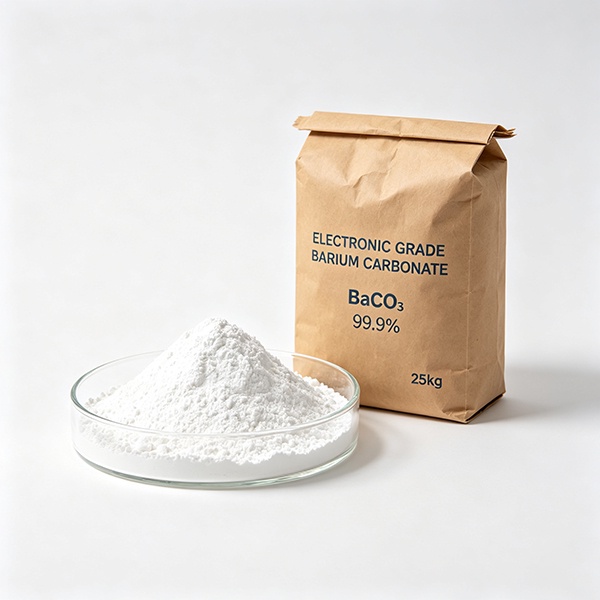
 Electronic Grade Barium Carbonate Barium Carbonate Granular
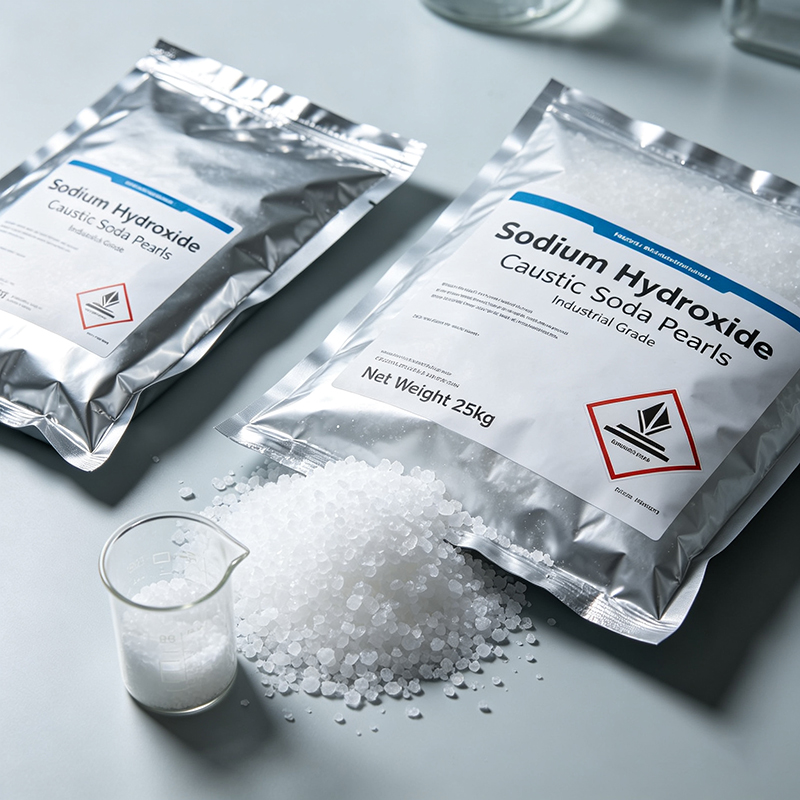
") Sodium hydroxide (caustic soda in pellets, flakes, or liquid form—32%/48%)
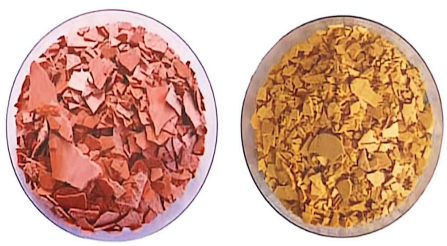
Sodium hydroxide (caustic soda in pellets, flakes, or liquid form—32%/48%) sodium sulfide
") Acrylamide 98%(Microbiological Grade)
Acrylamide 98%(Microbiological Grade)") Soda ash/sodium carbonate (light, Dense, food grade)
Soda ash/sodium carbonate (light, Dense, food grade) Sodium diacetate
 Sodium acetate trihydrate
 Zinc Sulfate
 Ferrous sulfate heptahydrate Anhydrous ferrous sulfate
 Sodium hydrosulfide
 Sodium Sulphide
 Calcium Carbonate
 Calcium hydroxide 90–99.5%
 Calcium Oxide
 Cupric nitrate
") Sodium Methoxide(SMO)
Sodium Methoxide(SMO)") Sodium Ethoxide (SEO)
Sodium Ethoxide (SEO)") Sodium Tert-Butoxide(STB)
Sodium Tert-Butoxide(STB)") Sodium Tripolyphosphate (STPP)
Sodium Tripolyphosphate (STPP)") Sodium Hexametaphosphate(SHMP)
Sodium Hexametaphosphate(SHMP)") Trisodium Phosphate (TSP)
Trisodium Phosphate (TSP) Sodium Sulfate
 2-Chlorophenylacetonitrile
 o-Tolylacetic acid
 Sodium bicarbonate
 Cream of tartar
 Sodium sulfite
 Sodium Thiosilphate
 Ferric nitrate nonahydrate
 Potassium Silicat
 lithium metasilicate
 Sodium Persulfate
 Potassium Persulfate
 Salicylate
 Salicylate
 Sodium Nitrite
 Calcium Nitrite
 Aluminum Nitrate
 calcium Nitrite


Message
Leave A Message
If you are interested in our products and want to know more details, please leave a message here, we will reply you as soon as we can.