





Product
massage

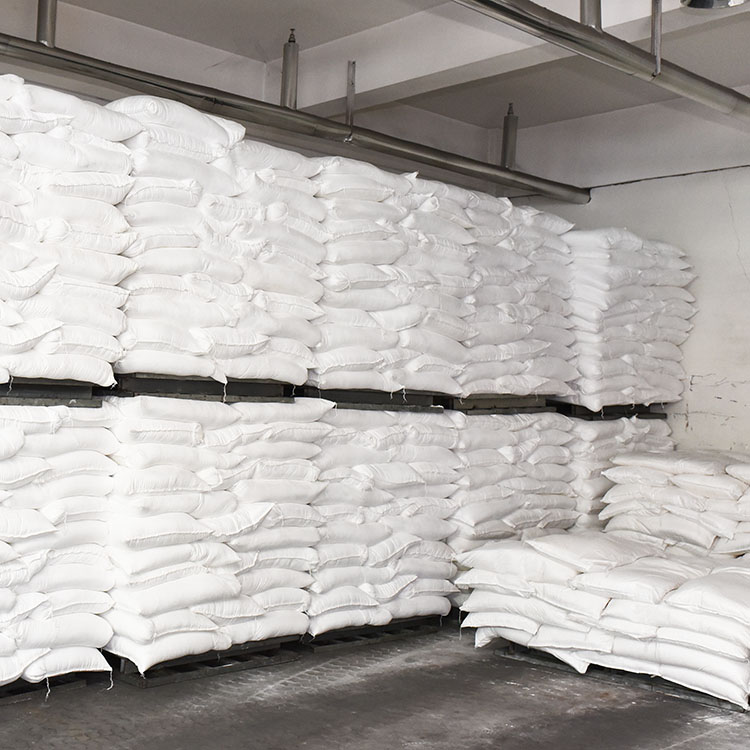
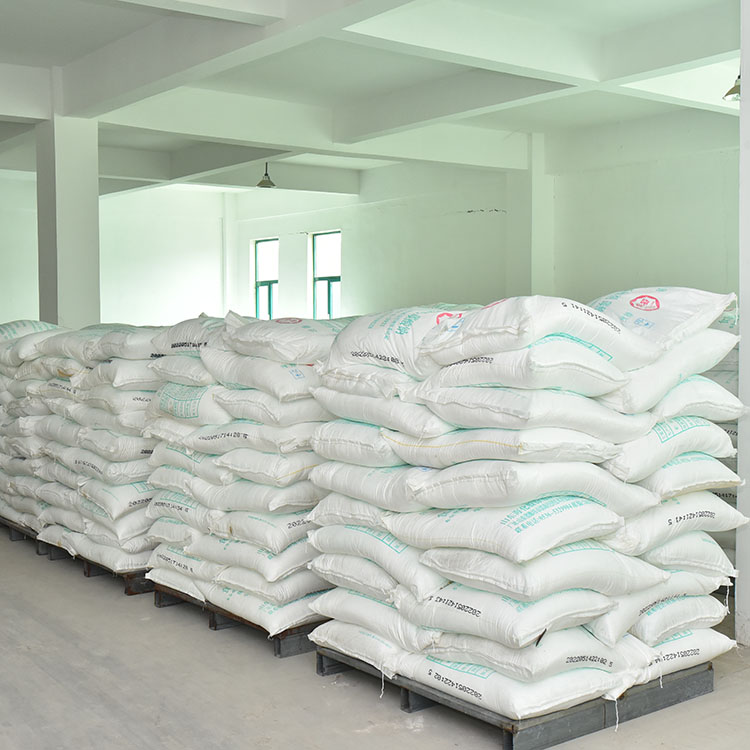
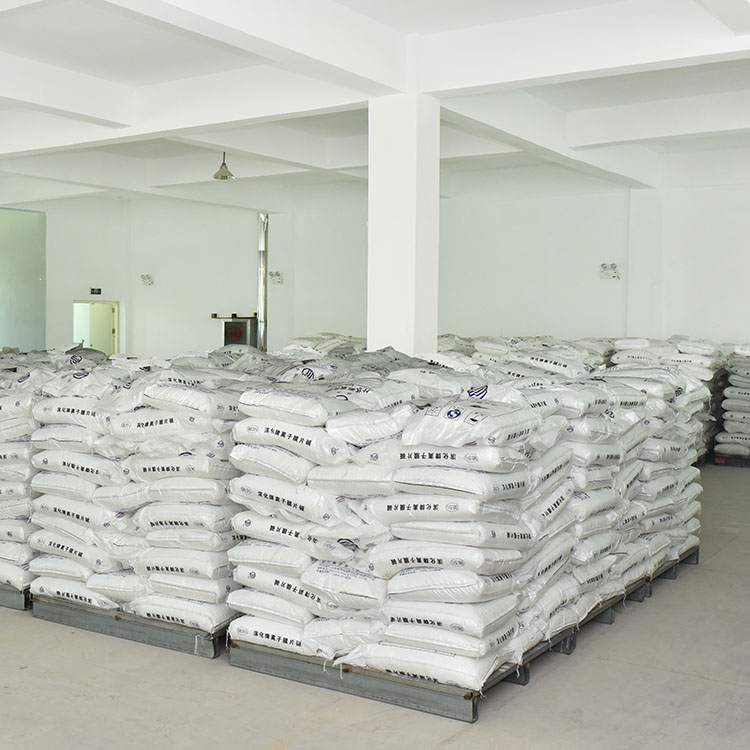
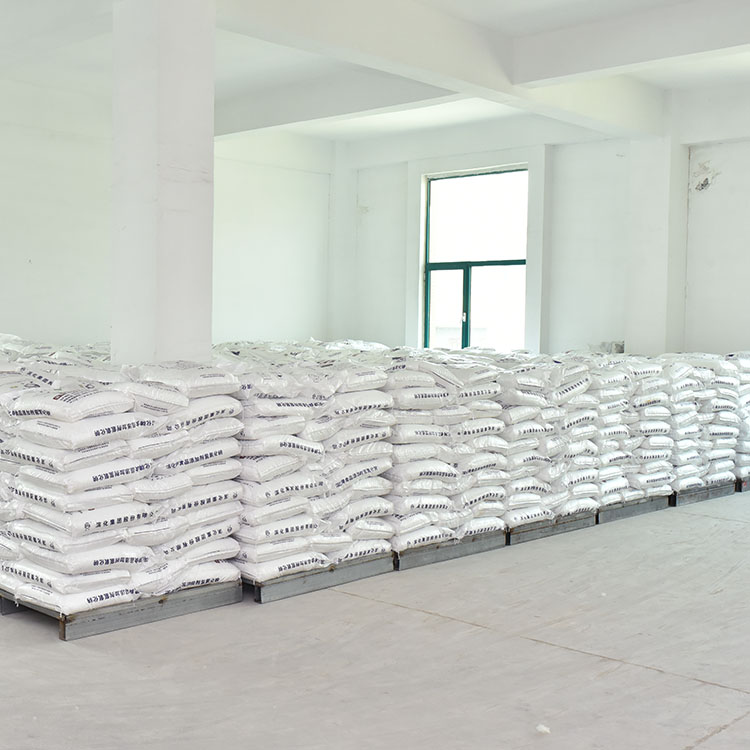
Sodium Sulphide
Product Parameters
Basic Properties
1. Physical Properties
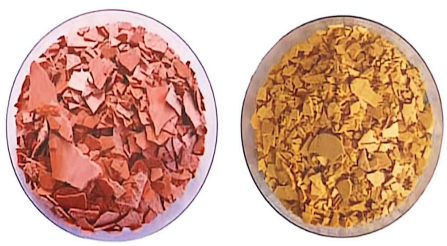
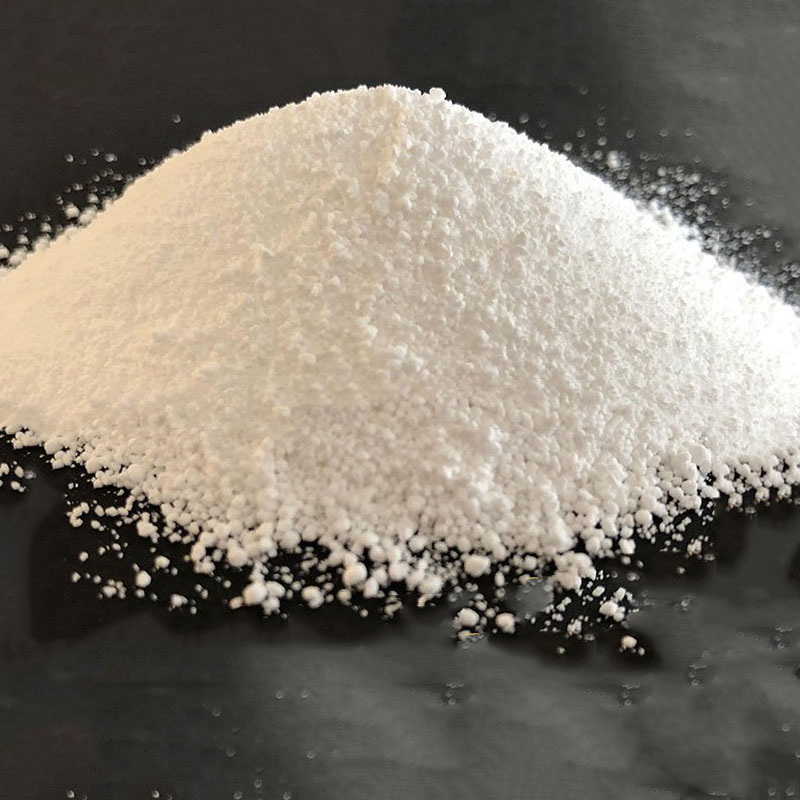
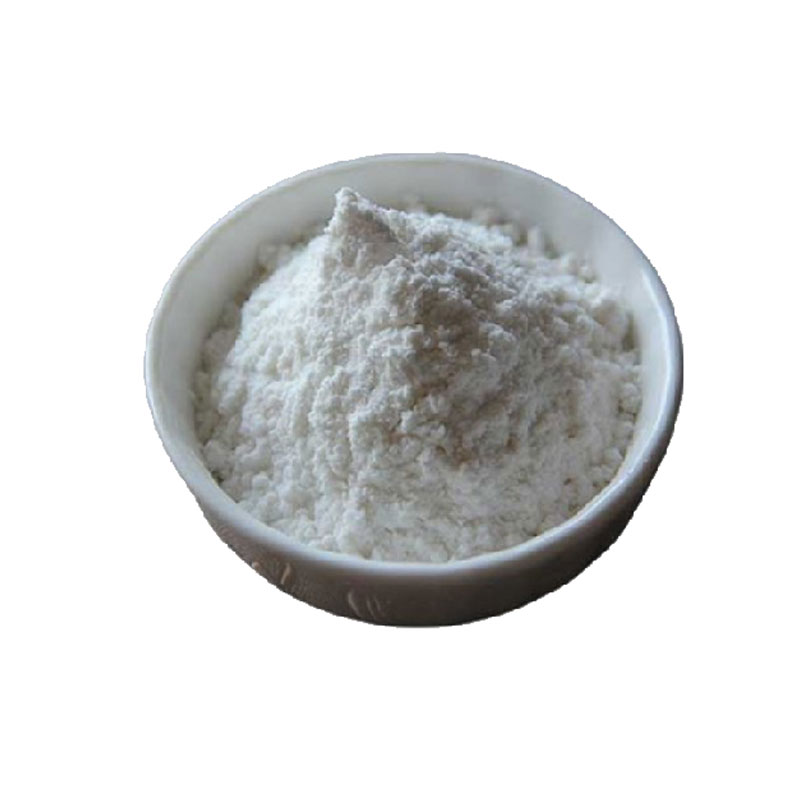
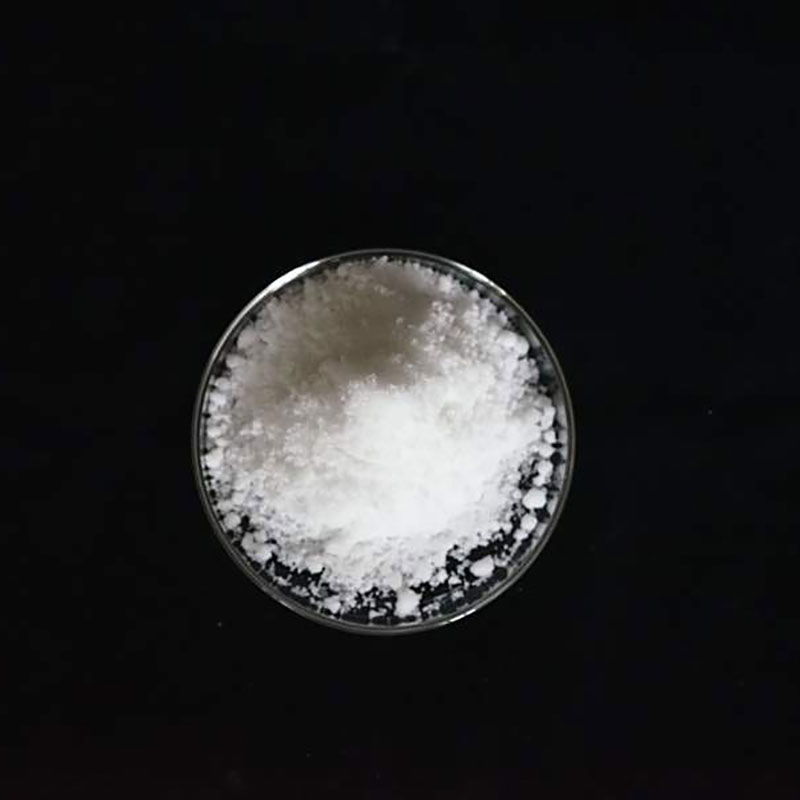
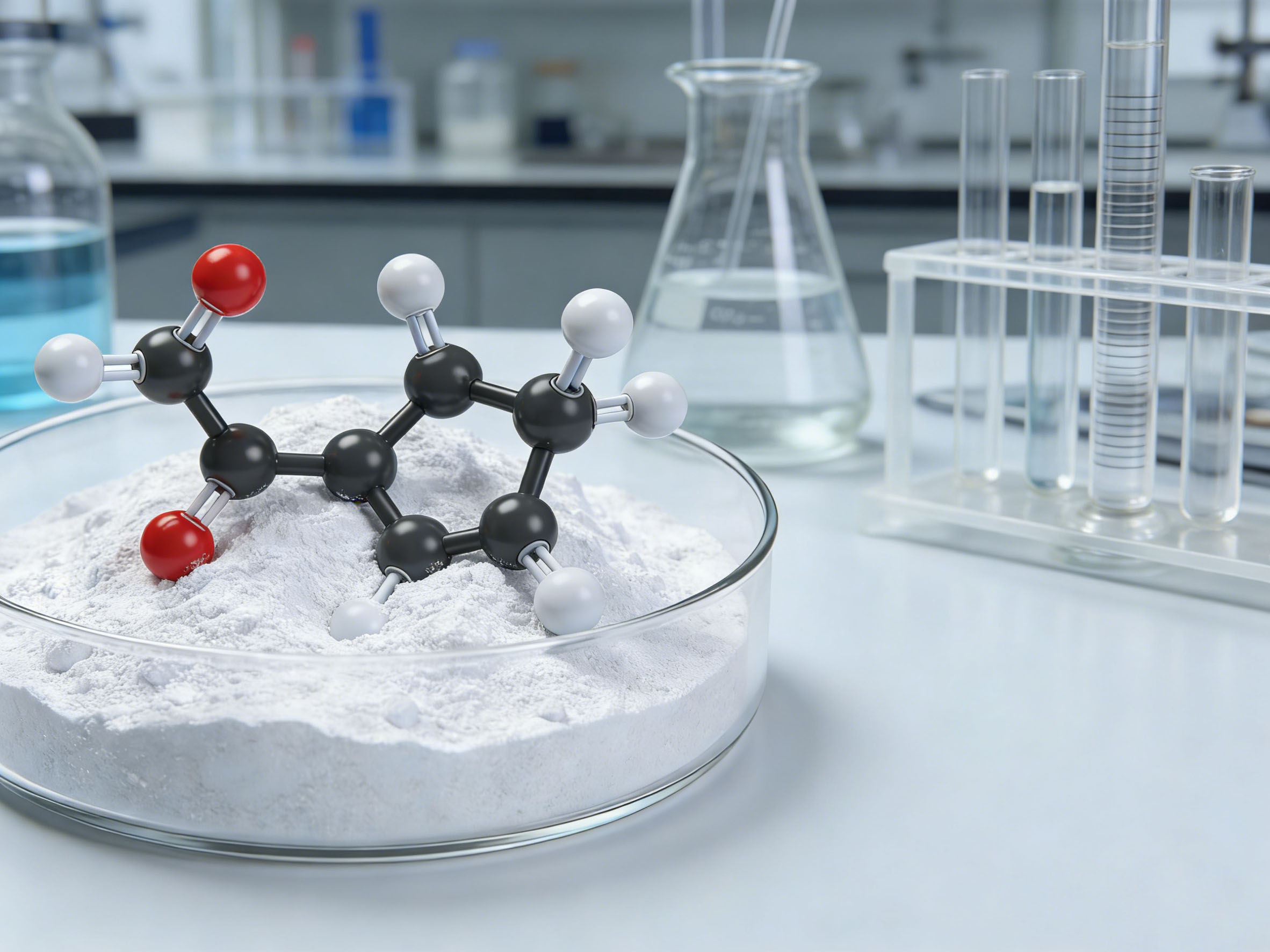
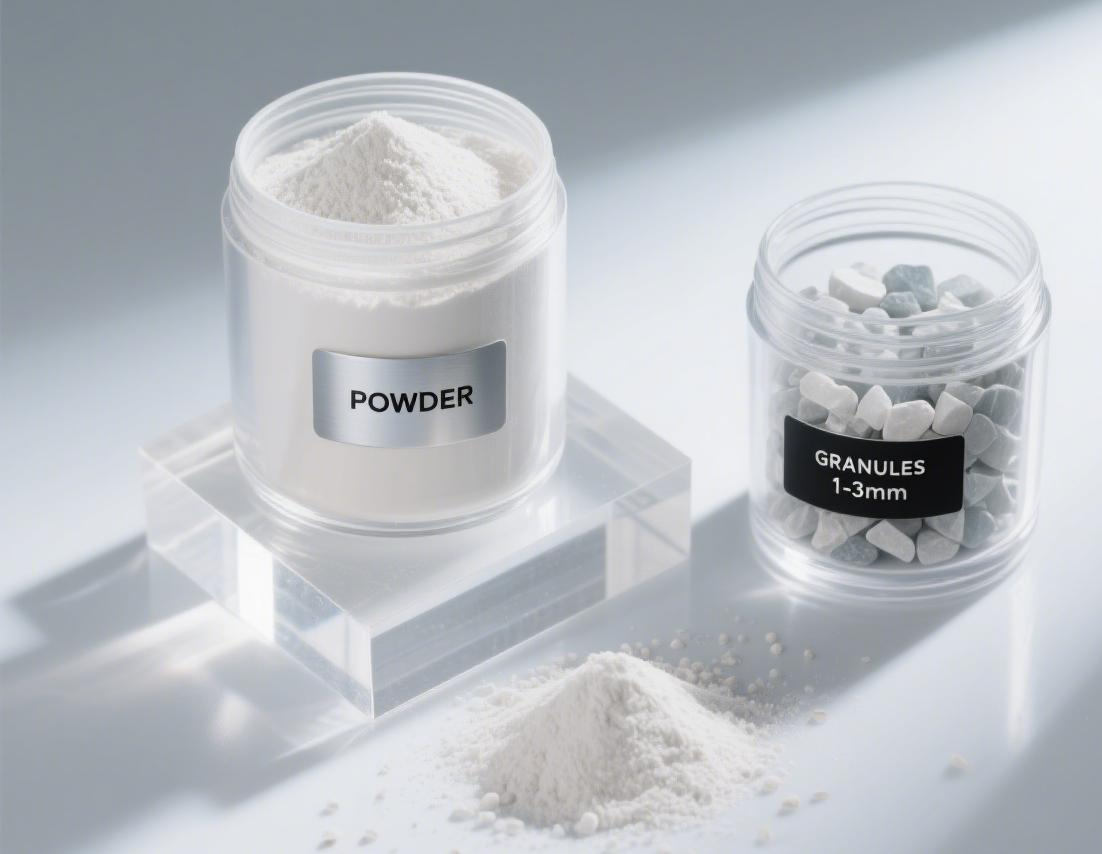
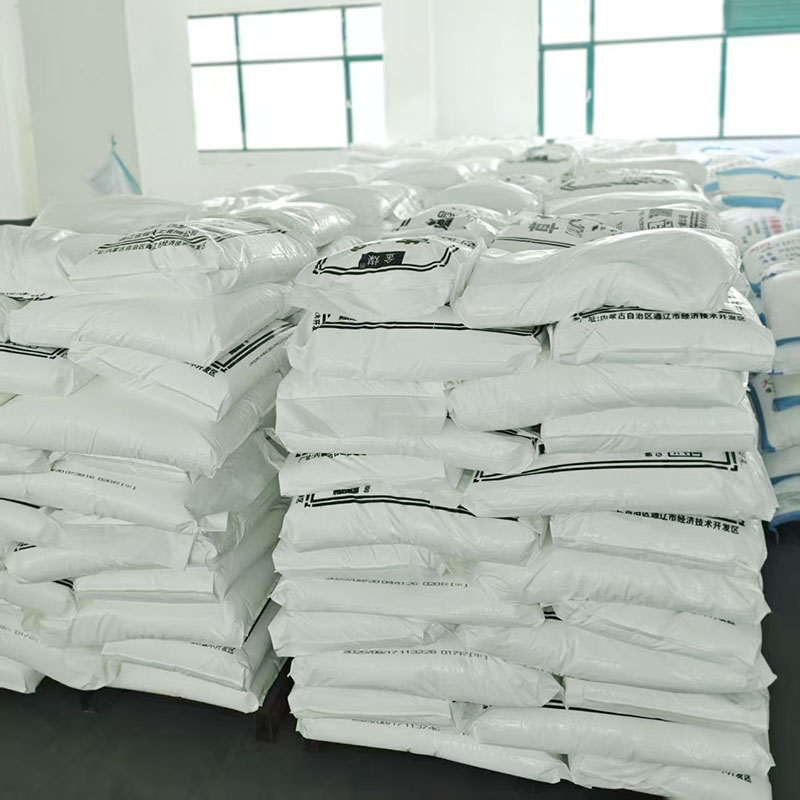
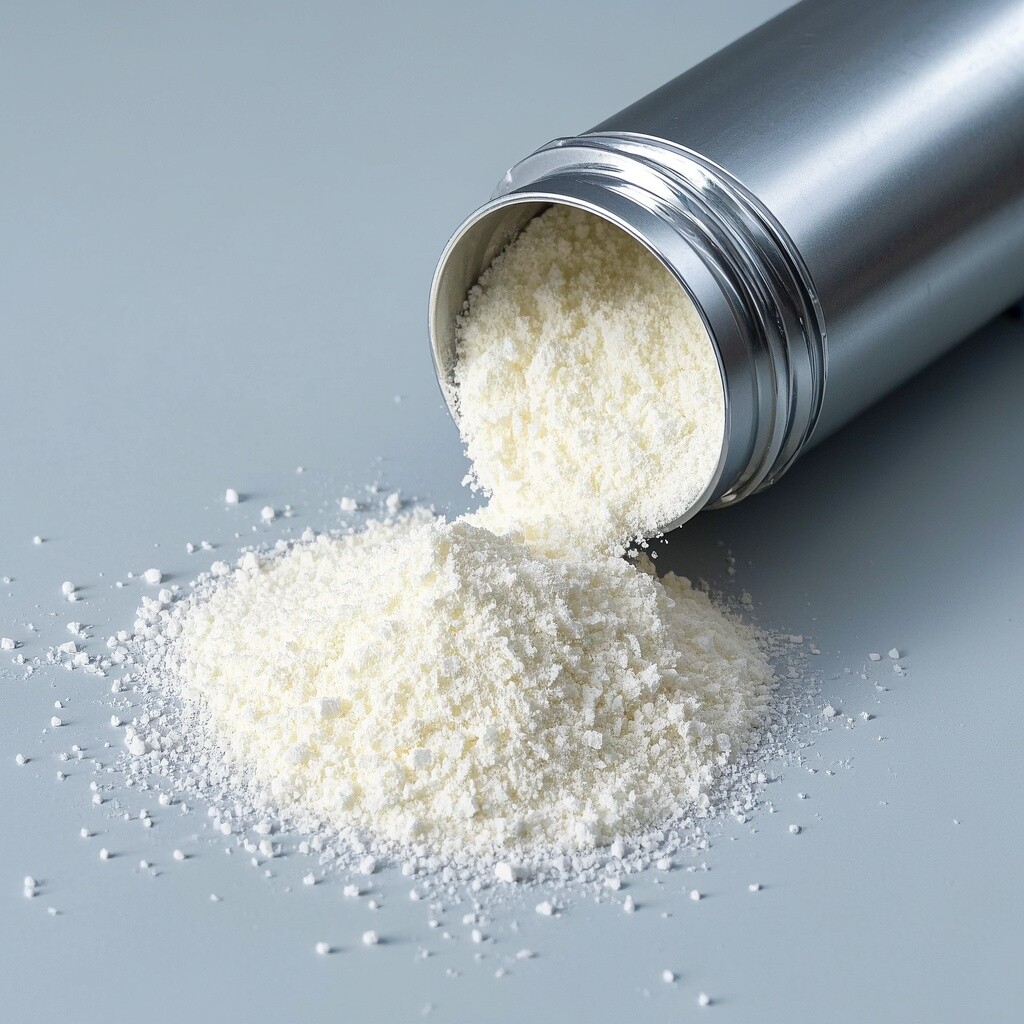
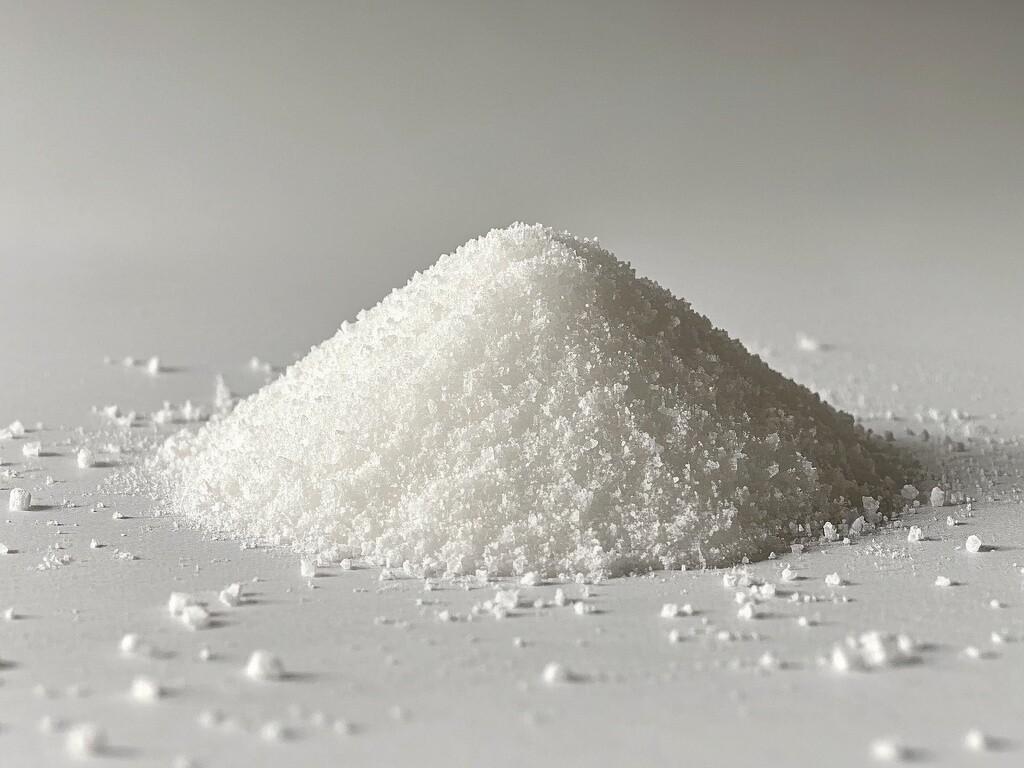
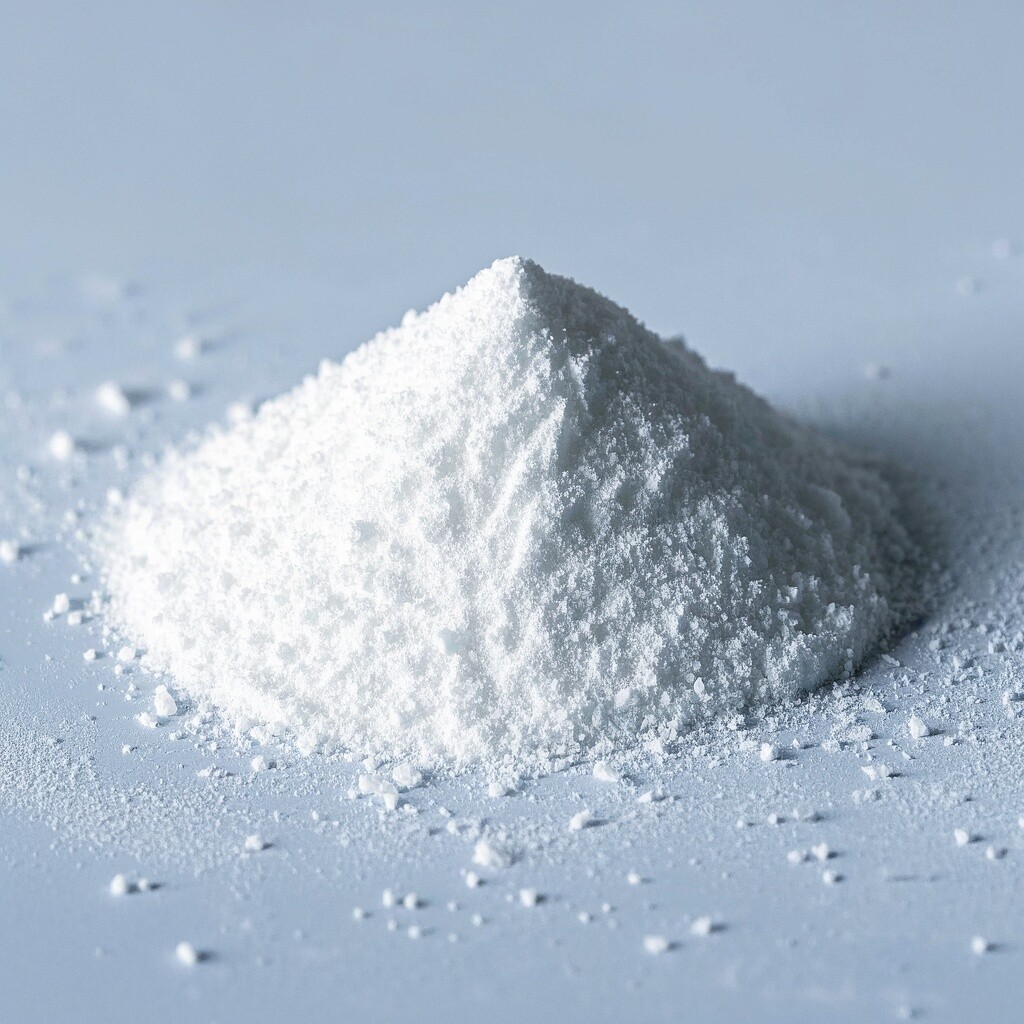
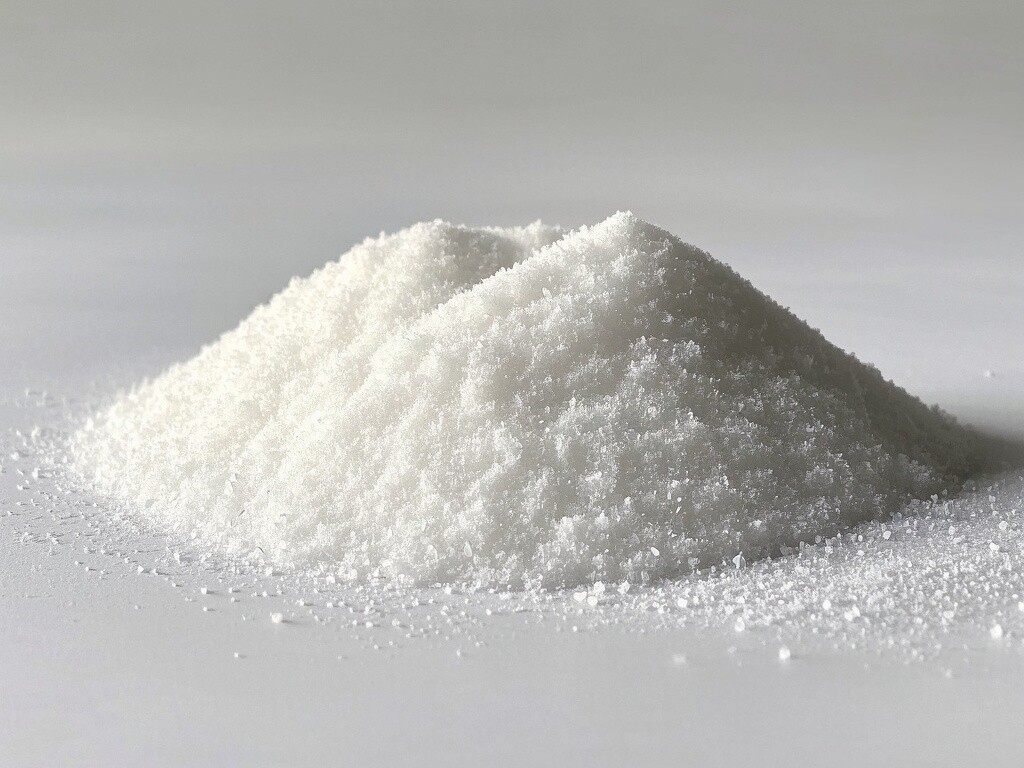
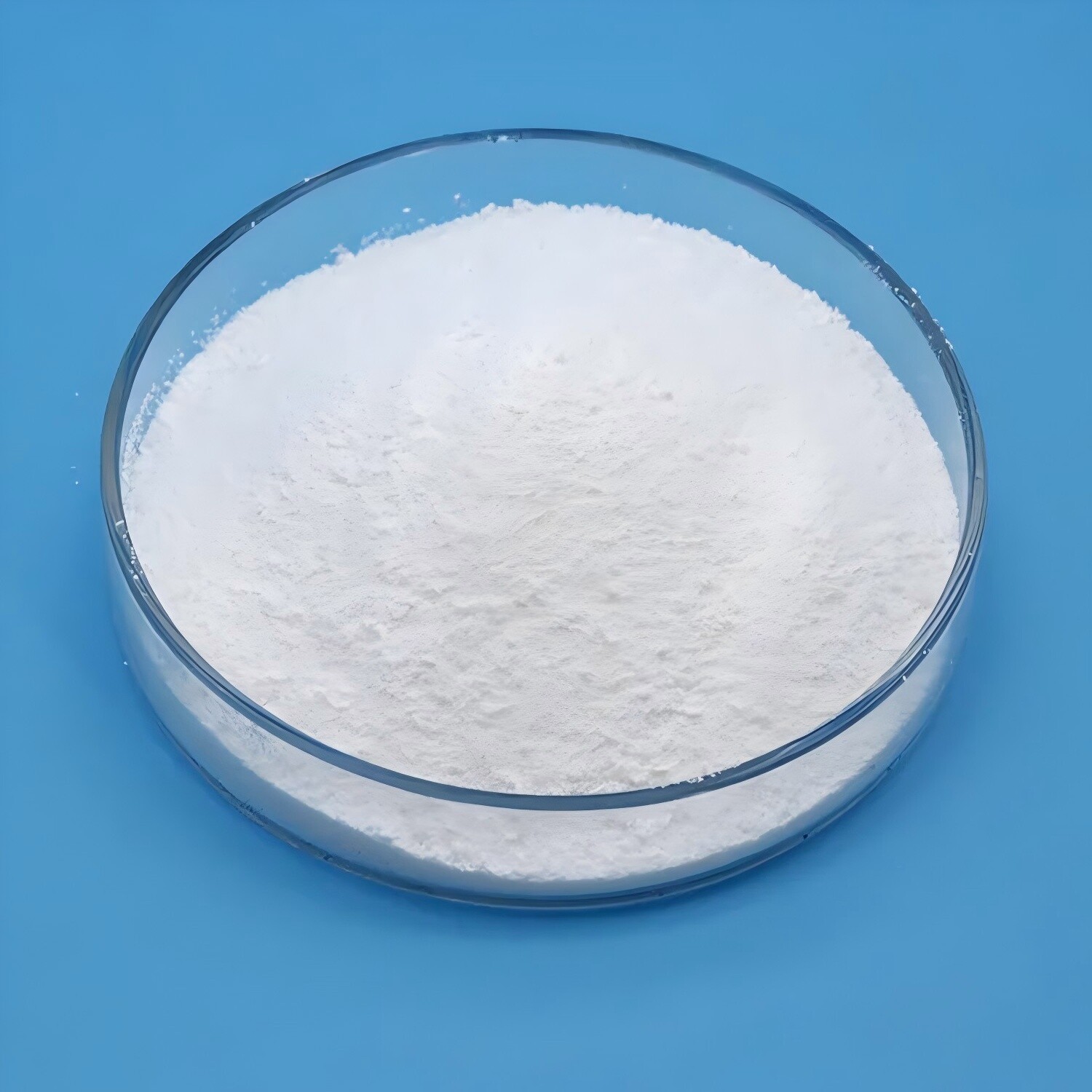
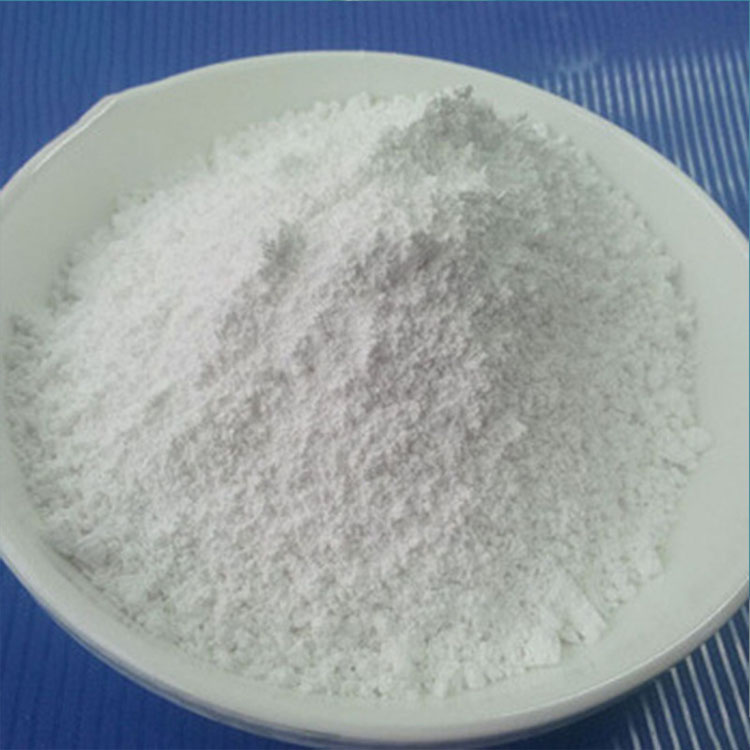
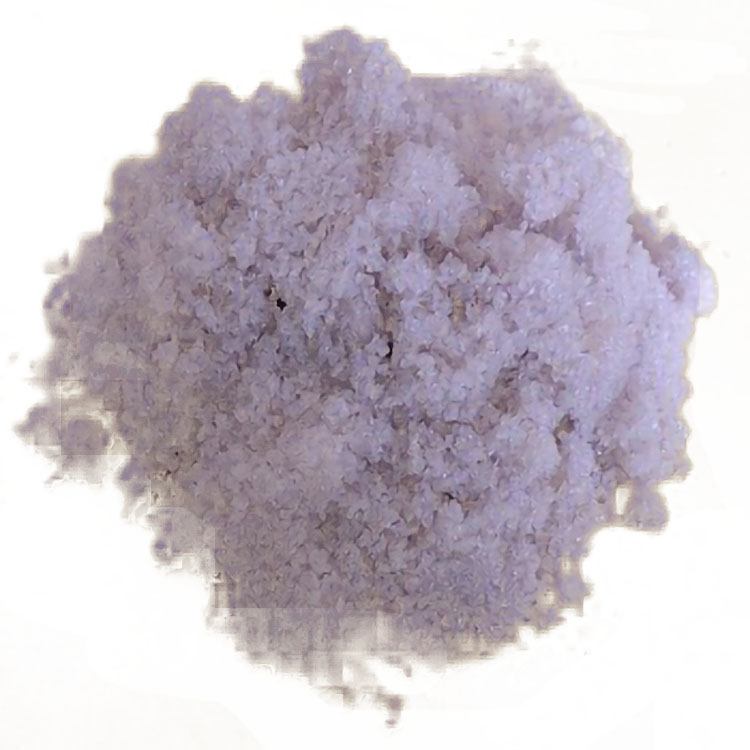
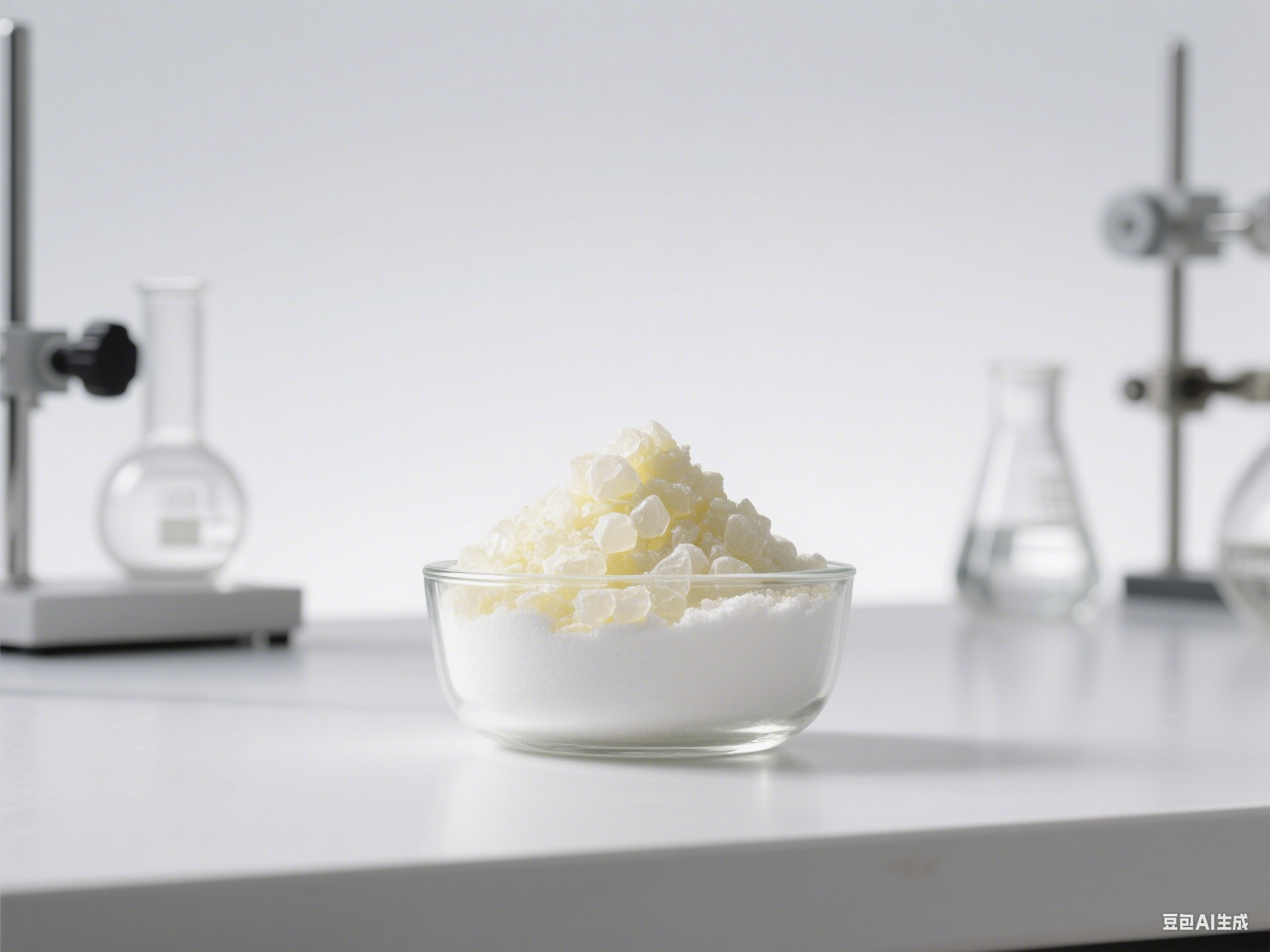
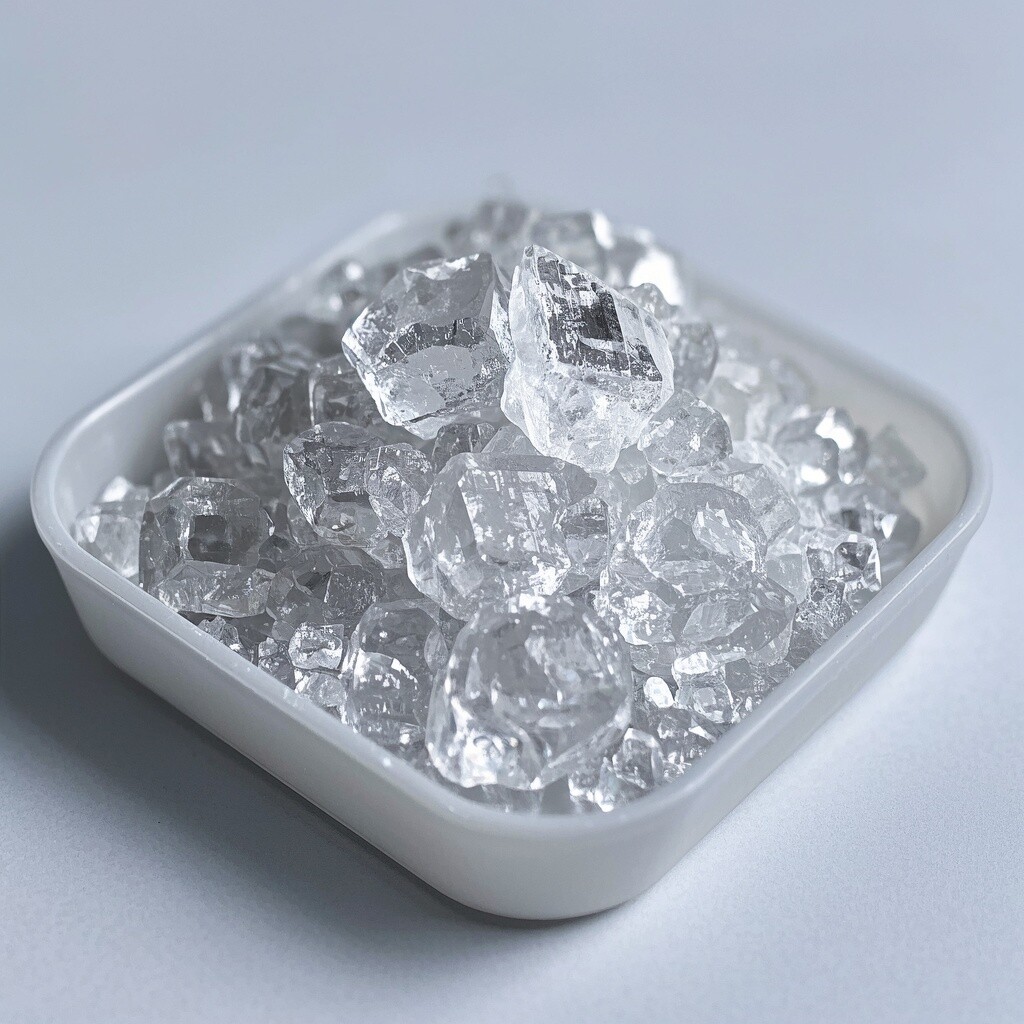
Appearance and Morphology: Pure sodium sulfide is a colorless crystalline powder. Industrial products, due to impurities (such as ferrous sulfide and sodium sulfate), are often pink, brownish-red, or yellowish-brown lumps with a strong, pungent odor (originating from impurities or hydrogen sulfide produced by hydrolysis).
Solubility: Extremely soluble in water, releasing heat upon dissolution; the aqueous solution is strongly alkaline. Slightly soluble in ethanol, insoluble in ether.
Hygroscopicity and Deliquescence: Extremely hygroscopic; readily absorbs moisture and carbon dioxide upon exposure to air, deliquescing and decomposing to produce sodium carbonate and hydrogen sulfide gas.
Melting Point and Density: Melting point approximately 1180℃, density approximately 1.86 g/cm³; crystalline sodium sulfide loses its water of crystallization when heated to 92℃.
2. Chemical Properties
Strong Alkalinity: Sodium sulfide aqueous solution is strongly alkaline and reacts violently with acids to produce toxic hydrogen sulfide gas.
Reducing properties: It has strong reducing properties and is easily oxidized by oxygen in the air to produce products such as sodium thiosulfate and sodium sulfite; it can react with oxidants (such as potassium permanganate and chlorate) to cause combustion or explosion.
Precipitation reaction: It can react with various metal ions (such as copper, lead, cadmium, etc.) to form insoluble metal sulfide precipitates. This property is often used in wastewater treatment to remove heavy metal ions.
Main Applications
I. Chemical Manufacturing Field
Synthesis of Sulfur Dyes
Sodium sulfide is the core raw material for the production of sulfur dyes. It can react with aromatic compounds (such as aniline and naphthol) to produce a series of dyes such as sulfur black, sulfur blue, and sulfur brown. These dyes are inexpensive, wash-resistant, and light-resistant, and are widely used in dyeing cotton and linen fabrics, making them one of the basic dye categories in the textile industry.
Preparation of Other Chemical Products
- Used in the production of sodium thiosulfate (sodium thiosulfate): Sodium sulfide reacts with sodium sulfite and sulfur to produce sodium thiosulfate, which is commonly used in photographic fixing, water treatment dechlorination, and pharmaceutical detoxification.
- Preparation of sodium polysulfides: Sodium sulfide is heated with sulfur to produce sodium polysulfides ($\ce{Na_{2}S_{x}}$). Sodium polysulfides can be used as rubber vulcanization accelerators, mineral processing flotation agents, and also as cooking aids in the papermaking industry.
- Organic Synthesis Intermediate: In organic chemistry, sodium sulfide can act as a reducing agent, participating in the reduction reactions of compounds containing nitro and carbonyl groups, and is used to prepare organosulfur compounds such as thiols and thioethers.
II. Textile Printing and Dyeing and Papermaking Fields
Textile Printing and Dyeing Processes
- Cotton Scrubbing Auxiliary: Sodium sulfide can break down impurities such as waxes and pectin in cotton fibers, improving the fiber's water absorption and dyeing properties. It is an important auxiliary agent for cotton pretreatment.
- Dye Reduction and Dissolution: For some insoluble sulfur dyes, sodium sulfide can act as a reducing agent and solvent, dissolving and reducing the dye to a dyeable leuco form, which then adheres to the fiber and develops color through oxidation.
Papermaking Industry Applications
As a pulp cooking aid, sodium sulfide can decompose lignin in wood, promoting fiber separation and increasing pulp yield. Simultaneously, it can improve the softness and brightness of pulp, and is commonly used in the production processes of straw pulp and wood pulp.
Safety Precautions
1. Health and Safety Precautions
Sodium sulfide itself is corrosive, and the hydrogen sulfide gas produced by its hydrolysis is highly toxic. Special attention must be paid to preventing the risks of poisoning and corrosion.
Skin Contact Protection: Sodium sulfide solution and powder are highly alkaline and corrosive. Contact with skin can cause redness, burning, peeling, and even chemical burns. Contact with broken skin may also lead to hydrogen sulfide poisoning. When handling sodium sulfide, alkali-resistant nitrile rubber gloves, thick long-sleeved protective clothing, and high-top safety boots must be worn to avoid exposing the skin. In case of accidental contact, immediately flush the affected area with plenty of running water for at least 15 minutes. If burns or increased pain occur, seek medical attention immediately.
Eye Protection: Sodium sulfide powder or solution splashing into the eyes will severely irritate the conjunctiva and cornea, causing conjunctival congestion, severe pain, blurred vision, and in severe cases, corneal damage. Impact-resistant, alkali-resistant goggles and a full-face mask must be worn during operations, especially during processes such as feeding, crushing, and dissolving. If contact with eyes occurs, immediately lift eyelids and flush with plenty of sterile saline or water for at least 20 minutes. Do not rub your eyes during this time, and seek medical attention as soon as possible.
Respiratory Protection: Sodium sulfide, when exposed to moisture or acid, produces hydrogen sulfide gas, a highly toxic asphyxiating gas. Inhalation of small amounts can cause headache, dizziness, and nausea; inhalation of high concentrations can lead to respiratory distress, coma, or even death. Sodium sulfide dust also irritates the respiratory mucosa. Operations must be carried out in a closed fume hood or a forced-ventilation work area, while wearing a respirator (equipped with a hydrogen sulfide filter canister). Operations without protection are strictly prohibited. A hydrogen sulfide detector must be used during operations to monitor the concentration of hydrogen sulfide in the air in real time. If dizziness, nausea, or other symptoms occur, immediately move to a place with fresh air. If symptoms do not improve, seek medical attention.
Ingestion Protection: Sodium sulfide is strictly prohibited from being ingested. Ingestion will burn the mucous membranes of the mouth, esophagus, and gastrointestinal tract. The hydrogen sulfide produced by hydrolysis will cause poisoning, resulting in symptoms such as nausea, vomiting, abdominal pain, and difficulty breathing. After handling, thoroughly wash hands. Eating, drinking, and smoking are strictly prohibited in the work area. The product must be stored in a sealed container in a dedicated warehouse, strictly isolated from food, beverages, and animal feed. The packaging must be clearly marked with **“Highly Toxic and Corrosive” and “Do Not Consume” warnings.** In case of accidental ingestion, do not induce vomiting. Immediately drink plenty of milk or egg whites to protect the digestive tract lining and seek medical attention with the product label in hand.
2. Storage and Transportation Safety Precautions
Storage Requirements: Store in a cool, dry, and well-ventilated dedicated warehouse. The warehouse temperature should be controlled below 30℃, and the relative humidity should not exceed 60%. Strictly prevent moisture and acid mist.
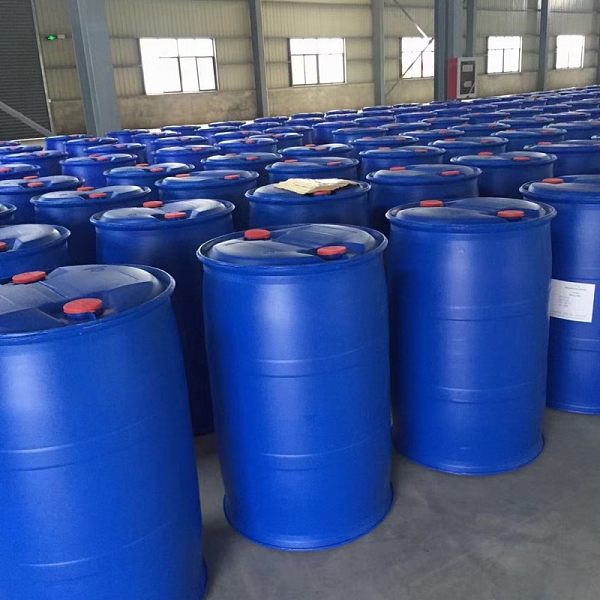
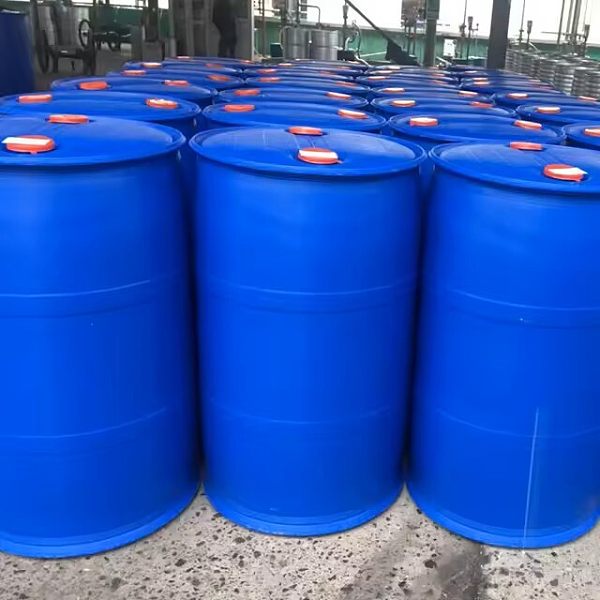
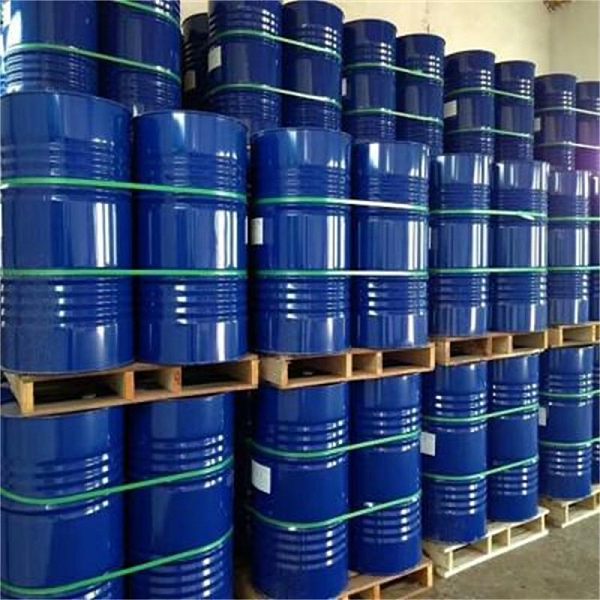
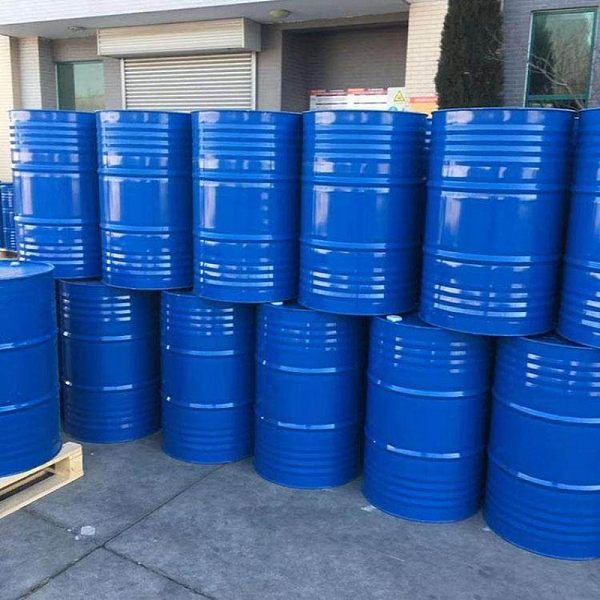
Use double-layer sealed packaging (inner plastic film bag, outer iron drum or moisture-proof woven bag). When stacking, elevate the bottom by at least 20cm and maintain a 50cm distance from the wall to prevent moisture absorption and decomposition.
It is strictly forbidden to store this product together with acids, oxidizers, flammable and explosive materials, or heavy metal salts, such as hydrochloric acid, sulfuric acid, potassium permanganate, and ammonium nitrate. It must be stored separately from food ingredients and daily chemical products, with clearly marked isolation zones and warning signs.
The storage area must be equipped with hydrogen sulfide detectors, dry powder fire extinguishers, dry sand, and other emergency supplies. Water is strictly prohibited from being used for fire extinguishing. A containment dike must be erected at the warehouse entrance to prevent environmental pollution from leaks.
Transportation Requirements: Transport vehicles must be dedicated hazardous materials transport vehicles. The cargo compartment must be dry and clean, lined with moisture-proof tarpaulins, and covered tightly with tarpaulins during transport to prevent rain, sun exposure, and moisture.
Loading and unloading must be done with care to prevent damage to packaging and leakage. It is strictly forbidden to transport this product together with acids, food, or civilian goods. Loading and unloading personnel must wear full protective gear.
Comply with relevant regulations for the transport of highly toxic chemicals, obtain a hazardous materials transport permit, and avoid sensitive areas such as residential areas, schools, and water sources along the transport route. Regularly check the packaging for damage during transport.
3. Emergency Response to Leaks
Small Leaks: Immediately isolate the leak area and prohibit unauthorized personnel from entering. Personnel handling the leak should wear gas masks and alkali-resistant protective clothing. Cover the leaked material with dry sand or vermiculite, then collect it with a shovel into a sealed, dedicated iron container labeled "Waste Sodium Sulfide," and hand it over to a qualified hazardous waste disposal unit. Do not flush with water to prevent the generation of hydrogen sulfide gas and alkaline wastewater, which will pollute the environment.
Large Leaks: Quickly evacuate personnel from the leak area to an upwind location and establish a warning zone. Call emergency services to notify professionals. Personnel handling the leak must wear full chemical protective gear and use impermeable mats to contain the leak area and prevent powder spread. Seal and transfer the collected leaked material. Continuously ventilate the leak area until the hydrogen sulfide detector shows a concentration that meets the standard.
4. Environmental Safety Precautions
Sodium sulfide and its wastewater are highly alkaline, and the hydrogen sulfide produced by hydrolysis is toxic. Direct discharge into water bodies and soil is strictly prohibited. Production wastewater must undergo desulfurization and neutralization treatment (adjusting the pH to approximately 7 to remove hydrogen sulfide and heavy metals) before discharge.
Waste sodium sulfide and its packaging must be centrally collected and disposed of by qualified hazardous waste treatment units. Unauthorized burial, incineration, or mixing with domestic waste is prohibited. The disposal process must prevent the release of hydrogen sulfide gas to avoid atmospheric pollution.
Company Profile
Junteng Chemical is a professional chemical raw materials trading company dedicated to providing customers with one-stop procurement services. Through strict supplier, supply chain, and after-sales management, the company ensures that product quality, transportation, and use meet customer needs. Furthermore, the company's technical team offers customized solutions and support services free of charge.
The company has projects in the pharmaceutical, pesticide, petrochemical, construction, food additives, wastewater treatment, adhesives, inks, paints, coatings, plastic and rubber processing, detergent raw materials, fertilizer and textile mills, and more. Junteng Chemical sources products of stable and reliable quality, collaborating with domestic and international companies such as Luxi Group, Weiyuan Chemical, Qilu Petrochemical, Dongying Lihuayi, Yanshan Petrochemical, Sinopec, Shijiazhuang Refinery, Qingdao Petrochemical, Sailboat, Dow Chemical, BASF, South Korea, Taiwan, and Saudi Arabia. Our stable supply, superior product quality, and mature logistics have earned us a wide clientele. We look forward to collaborating with all of you for a mutually beneficial future.
Company advantages

One-Stop Procurement
Platform
We integrate resources across all productcategories, including organic solvents,resins and rubbers, and inorganicchemicals,and strictly control suppliers.supply chains, and after-sales processes toensure stable quality, efficienttransportation,and worry-free use,simplifying your procurement process.

Professional Team TechnicalEmpowerment
Equipped with an experienced technicalteam, we provide free personalizedsolutions and professional technicalsupport to customers in varlous industrie,such as pharmaceuticals, petrochemicals,coatings and inks, and sewage treatment,.helping you solve problems and improveefficiency.

Global supply ChainSecurity
We work with top domestic and foreignchemical giants such as Luxi Group, QiluPetrochemical, Sinopec, BASF of Germany,and Dow of the United States to establisha stable and reliable high-quality supplynetwork and a mature logistics system toensure timely and safe delivery of
products.

Deep Win-Win CooperationConcept
Adhering to the concept of "integrity.immediate action, professionalism,innovation and win-win" and taking"customer success and altruism" as ourmission, we are committed to establishinglong-term strategic partnerships andcreating a better future through excellentproducts and services.
Related products
 Electronic Grade Barium Carbonate Barium Carbonate Granular
") Sodium hydroxide (caustic soda in pellets, flakes, or liquid form—32%/48%)
Sodium hydroxide (caustic soda in pellets, flakes, or liquid form—32%/48%) sodium sulfide
") Acrylamide 98%(Microbiological Grade)
Acrylamide 98%(Microbiological Grade)") Soda ash/sodium carbonate (light, Dense, food grade)
Soda ash/sodium carbonate (light, Dense, food grade) Sodium diacetate
 Sodium acetate trihydrate
 Zinc Sulfate
 Ferrous sulfate heptahydrate Anhydrous ferrous sulfate
 Sodium hydrosulfide
 Sodium Sulphide
 Calcium Carbonate
 Calcium hydroxide 90–99.5%
 Calcium Oxide
 Cupric nitrate
") Sodium Methoxide(SMO)
Sodium Methoxide(SMO)") Sodium Ethoxide (SEO)
Sodium Ethoxide (SEO)") Sodium Tert-Butoxide(STB)
Sodium Tert-Butoxide(STB)") Sodium Tripolyphosphate (STPP)
Sodium Tripolyphosphate (STPP)") Sodium Hexametaphosphate(SHMP)
Sodium Hexametaphosphate(SHMP)") Trisodium Phosphate (TSP)
Trisodium Phosphate (TSP) Sodium Sulfate
 2-Chlorophenylacetonitrile
 o-Tolylacetic acid
 Sodium bicarbonate
 Cream of tartar
 Sodium sulfite
 Sodium Thiosilphate
 Ferric nitrate nonahydrate
 Potassium Silicat
 lithium metasilicate
 Sodium Persulfate
 Potassium Persulfate
 Salicylate
 Salicylate
 Sodium Nitrite
 Calcium Nitrite
 Aluminum Nitrate
 calcium Nitrite
Message
Leave A Message
If you are interested in our products and want to know more details, please leave a message here, we will reply you as soon as we can.